The Dirty Dozen: Why These 12 ‘Beat-Up’ Watches Are Worth a Fortune

In the high-stakes world of luxury watch collecting, most enthusiasts focus on the “Holy Trinity”—Patek Philippe, Audemars Piguet, and Vacheron Constantin. But there’s another corner of horology that’s rougher, cooler, and way more fun to talk about: The Military Dirty Dozen.
These were the watches made for British soldiers during World War II. No velvet boxes. No gold polish. No “limited edition” hype. Just a straight-up tool watch built to survive mud, cold, rain, and whatever else the day threw at it. While modern collectors might obsess over the economics of entertainment empires, the value here is found in pure, unadulterated survival.
The Origin Story: A Call to Arms
During the height of World War II, the British Ministry of Supply realized that civilian watches simply weren’t cutting it in the theater of war. They needed a watch that could withstand the rigors of combat—something that wouldn’t shatter under pressure or stop ticking when the temperature dropped. They issued a set of strict specifications (known as W.W.W for Watch, Wrist, Waterproof) and invited Swiss manufacturers to build them. Twelve companies stepped up, creating a collection that would eventually be known as the “Dirty Dozen.”
Test Your Dirty Dozen Military Watch Mastery
Put your vintage horology knowledge to the test and see how well you know World War II's most iconic field watches.
See your result instantly after answering.
These watches weren’t just accessories; they were life-saving equipment. In an era before GPS and digital communication, timing was everything. Whether it was coordinating an artillery strike or timing a rendezvous, a soldier’s watch was as vital as his rifle. This historical weight is exactly why these “beat-up” relics command such massive prices today.
The Brands: A Closer Look at the Legends
Twelve brands produced these watches, but each one brings a totally different energy to the table. Here is the breakdown of the heavy hitters and why they matter.
Omega: The Crowd Favorite
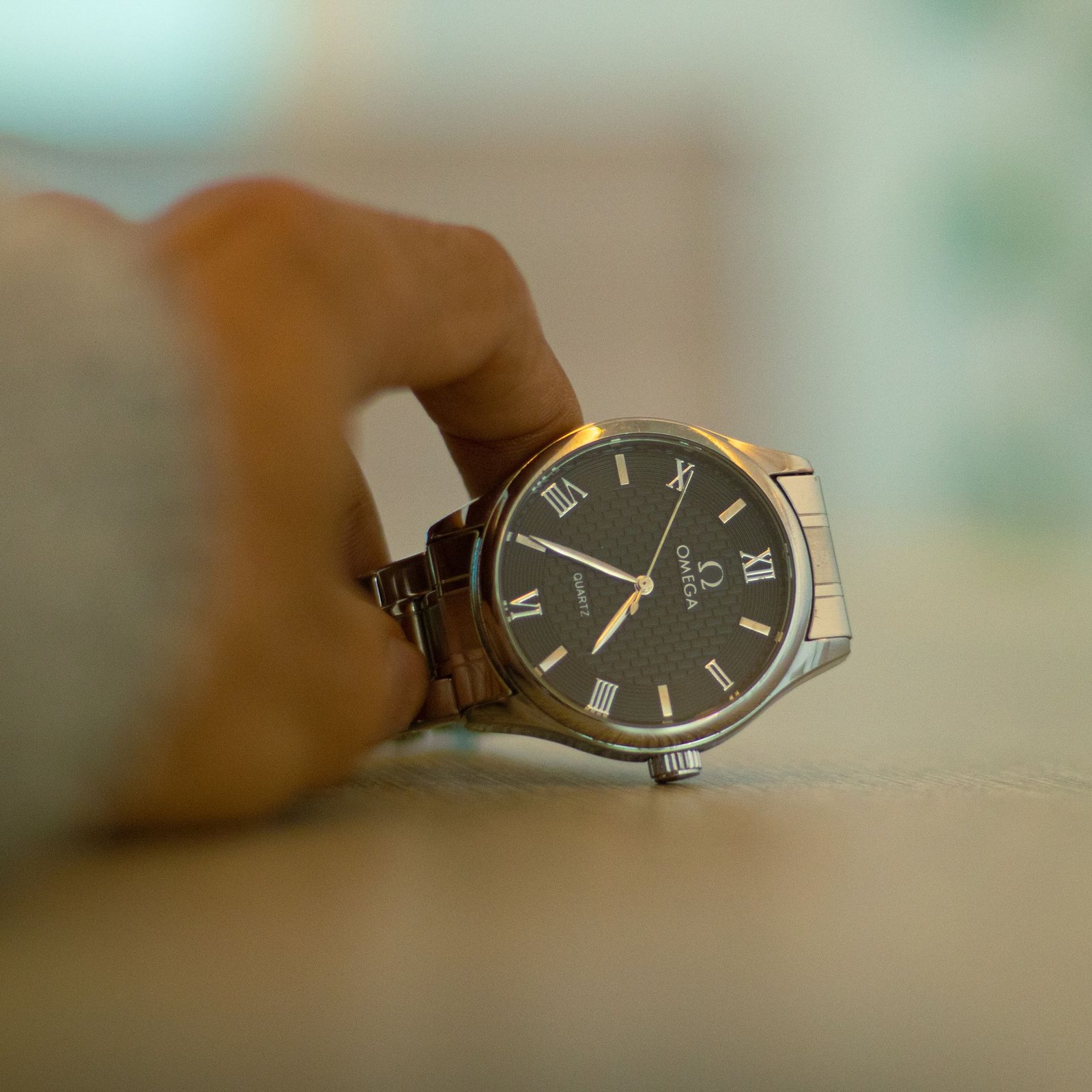
With around 25,000 units produced, the Omega is the most recognizable member of the group. It’s the perfect entry point for anyone starting their Dirty Dozen journey. It feels substantial on the wrist and carries that legendary Omega reliability. If you want a piece of history that people will actually recognize, this is the one to hunt for first. The Omega variant is often praised for its balanced dial and robust 30T2 movement, which was a staple of the era. It represents the “standard” by which all other military watches are measured, offering a blend of name-brand prestige and genuine wartime service.
Collectors often look for the Omega because it is relatively “easy” to find compared to its rarer siblings, but don’t let the production numbers fool you—finding one with an original, unmolested dial is becoming increasingly difficult. The lume on these watches has often been replaced or has degraded into a beautiful “pumpkin” orange, a feature that sends collectors into a frenzy.
Record: Solid and Underrated
Record matched Omega in production numbers, but they often fly under the radar. These watches are workhorses. They have a slightly more utilitarian feel and are often found with beautiful, honest aging. For the collector who wants the full experience without the “big brand” premium, the Record is a fantastic, sturdy choice that holds its own in any lineup. The Record Watch Co. might not have the modern marketing muscle of Omega, but in the 1940s, they were a powerhouse of precision.
What makes the Record interesting is its case construction. Many of these watches saw heavy action, and the chrome-plated brass cases often show “brassing”—where the base metal peeks through the worn plating. While some might see this as damage, Dirty Dozen purists see it as a badge of honor, proof that the watch was actually in the trenches rather than sitting in a drawer.
Cyma: Quietly Cool
The Cyma is famous among collectors for its larger case size compared to some of its siblings. It has a “modern” presence on the wrist despite being 80 years old. It’s the watch for the person who wants something that looks sophisticated but doesn’t scream for attention. It’s reliable, elegant in a rugged way, and feels incredibly well-built. The Cyma stands out because it used a stainless steel case, unlike the plated brass used by many other manufacturers in the dozen.
Because of that steel case, Cymas often survive in much better physical condition than their peers. They feel heavier, more “expensive,” and their 38mm diameter makes them very wearable by today’s standards. If you want a vintage military watch that doesn’t feel like a toy, the Cyma is your best bet. It’s the “sleeper” of the group—quietly superior in build quality.
IWC: Serious Collector Bait
When you drop down to 6,000 units, things get serious. The IWC Dirty Dozen is a masterpiece of engineering. It features a high-grade movement that was lightyears ahead of its time. This isn’t just a military tool; it’s a precision instrument. Finding one in original condition is a major win for any serious horology nerd. IWC (International Watch Company) has always been known for its “engineer’s” approach to watchmaking, and their contribution to the Dirty Dozen is no exception.
The IWC variant is highly sought after because of its Caliber 83 movement, which is finished to a standard you’d expect from a high-end dress watch, not a combat tool. It’s this juxtaposition of high-end Swiss watchmaking and brutal military necessity that makes the IWC so compelling. It’s the watch for the collector who values what’s inside the case as much as the history outside of it.
Longines: Old-School Charm
Longines produced about 5,000 of these, and they are widely considered some of the most beautiful. They often feature “stepped” cases that give them a unique profile. There is a certain romanticism to a Longines military watch—it feels like something a navigator would check while flying over the English Channel. It’s pure vintage class. The Longines “Greenlander” (a nickname later proven to be historically inaccurate but still widely used) is one of the most stylish of the bunch.
The Longines is also one of the larger watches in the set, measuring around 38mm. Its cathedral-style hands and bold numerals give it a distinct look that separates it from the more clinical designs of the others. It’s a watch that looks just as good with a suit as it does with a flight jacket. For many, the Longines is the aesthetic peak of the Dirty Dozen.
Grana: The Unicorn Everyone Wants
This is it—the end boss of watch collecting. With fewer than 1,500 ever made, the Grana is the reason most “full sets” are never actually finished. It’s small, it’s rare, and it’s incredibly expensive. Owning a Grana isn’t just about having a watch; it’s about having the ultimate bragging rights in the vintage military community. Grana was the smallest manufacturer in the group, and their limited production run has turned their W.W.W. watch into a legend.
Finding a Grana is like finding a needle in a haystack that’s currently on fire. Because so few were made, and even fewer survived the war and the decades since, they rarely appear at auction. When they do, the prices are astronomical. It’s the final piece of the puzzle, the “Holy Grail” that separates the casual hobbyists from the elite collectors. If you see one, don’t blink—it’ll be gone.
The Rarity Breakdown
| Brand | Estimated Production | Vibe |
| Omega | 25,000 | The crowd favorite |
| Record | 25,000 | Solid and underrated |
| Cyma | 20,000 | Quietly cool |
| IWC | 6,000 | Serious collector bait |
| Longines | 5,000 | Old-school charm |
| Grana | < 1,500 | The unicorn everyone wants |
The Broad Arrow: A Mark of History
One of the most iconic features of the Dirty Dozen is the “Broad Arrow” (or Pheon) engraved on the dial and case back. This symbol has been used by the British government for centuries to mark property belonging to the Crown. Seeing that arrow on a watch face is a visceral reminder that this object was once part of a massive military machine. It’s a mark of authenticity that connects the wearer directly to the soldiers of 1945.
Frequently Asked Questions (FAQs)
1. Are the original luminous dials dangerous?
They used radium-226, which is radioactive. While the glow has long since faded (radium itself doesn’t glow; it excites a phosphor that does), the radioactivity remains. As long as the crystal is sealed and you don’t go licking the dial, they are generally considered safe for occasional wear. However, watchmakers have to be extremely careful when opening them to avoid inhaling radioactive dust.
2. Why are collectors so obsessed with them?
It’s the perfect storm of history, rarity, and design. Unlike modern luxury watches that feel like jewelry, these feel like tools. They have a “soul” that comes from being built for a purpose. Plus, the challenge of finding all twelve brands creates a natural “treasure hunt” that keeps the community engaged for years.
3. Can you wear one every day?
You can, but with caveats. These watches have zero water resistance and no shock protection. If you drop one on a marble floor, it’s going to be an expensive day. They are best suited for “desk diving” or weekend wear. Think of it like driving a vintage 1940s Jeep—it’s cool, but you probably don’t want to take it on a cross-country road trip in a thunderstorm.
Conclusion
The Dirty Dozen isn’t just a group of old military watches. It’s a reminder that good design lasts, even when it starts in the middle of war. These twelve brands created something that transcends time, turning simple military specs into the most coveted collection in the world. Whether you’re hunting for the common Omega or the legendary Grana, you’re holding a piece of history on your wrist. It’s rugged, it’s honest, and it’s worth every penny.

hope you enjoyed