Beyond the Bling: What Makes a Watch Truly Special?

More Than Just a Timekeeper
We all know watches tell time. But for some people, a watch is much more. It’s a piece of art. It’s a historical artifact. It can even be an investment. Today, we’re going to look at what makes certain watches so special. We’re not just talking about the ones that cost a fortune. We’re talking about watches with stories, with heritage, and with something unique inside.
Think about your favorite watch. Does it have a cool design? Maybe it belonged to someone important. Or perhaps it has a really clever mechanism. These are the things that turn a simple watch into something extraordinary. We’ll explore these aspects, helping you appreciate watches on a deeper level.
Test Your Watch Wisdom!
Discover how well you understand the fascinating world of watch movements, materials, and history with this fun quiz.
See your result instantly after answering.
The Heart of the Matter: Watch Movements
When we talk about what makes a watch valuable or collectible, the movement is key. This is the engine of the watch. It’s the part that makes the hands move. There are two main types: mechanical and quartz.
Mechanical movements are the traditional kind. They use springs, gears, and levers to work. They need to be wound regularly or powered by the motion of your wrist. These are often seen as more traditional and collectible. They show a high level of craftsmanship. Many watch enthusiasts love the complexity and history of mechanical movements.
Quartz movements, on the other hand, use a battery and a tiny quartz crystal. They are very accurate and require less maintenance. While great for everyday use, they are generally less collectible than mechanical movements. However, some historical quartz watches are becoming collectible in their own right.
Mechanical Marvels: Manual-Wind vs. Automatic
Within mechanical movements, there are two sub-types: manual-wind and automatic. Manual-wind watches need to be wound by hand, usually every day or two. This daily ritual connects the owner to the watch. It’s a very personal interaction.
Automatic watches, also called self-winding watches, have a rotor that spins with the movement of your wrist. This winding keeps the watch powered. They offer convenience while still having that mechanical heart. Brands like Rolex are famous for their robust automatic movements.
Materials and Craftsmanship: More Than Just Metal
What a watch is made of also matters a lot. High-quality materials often mean a higher value. Think about precious metals like gold, platinum, and even stainless steel. The type and purity of the metal play a role.
Beyond the case and bracelet, the watch face (dial) is important too. Materials like enamel, meteorite, or unique stone dials can make a watch stand out. The way the watch is finished, like the polishing or brushing of the metal, also shows the level of craftsmanship. A well-finished watch feels better and looks more refined.
Rarity and Provenance: The Story Behind the Shine
Sometimes, what makes a watch collectible isn’t just its looks or mechanics, but how rare it is. Limited edition watches or models that were only made for a short time are often highly sought after. If only a few hundred or a few thousand were ever made, they become more special.
Provenance is another huge factor. This is the history of ownership. If a watch belonged to a famous person, like a president, an athlete, or a movie star, its value and desirability can skyrocket. Even if the owner wasn’t world-famous, a documented history of ownership adds a layer of intrigue and legitimacy.
For example, a watch that was part of a significant historical event or has a well-documented service history from the brand itself can be very appealing. This adds to the watch’s story and its overall appeal to collectors.
Brand Heritage: A Legacy on Your Wrist
Some watch brands have a long and storied history. They have been making watches for decades, even centuries. This brand heritage builds trust and recognition. People buy into the history and the reputation the brand has built.
Brands like Patek Philippe, Audemars Piguet, and Vacheron Constantin are known as the “Holy Trinity” of watchmaking. They have consistently produced high-quality, complex, and beautiful watches for generations. These watch brands that defined a generation often have models that become iconic.
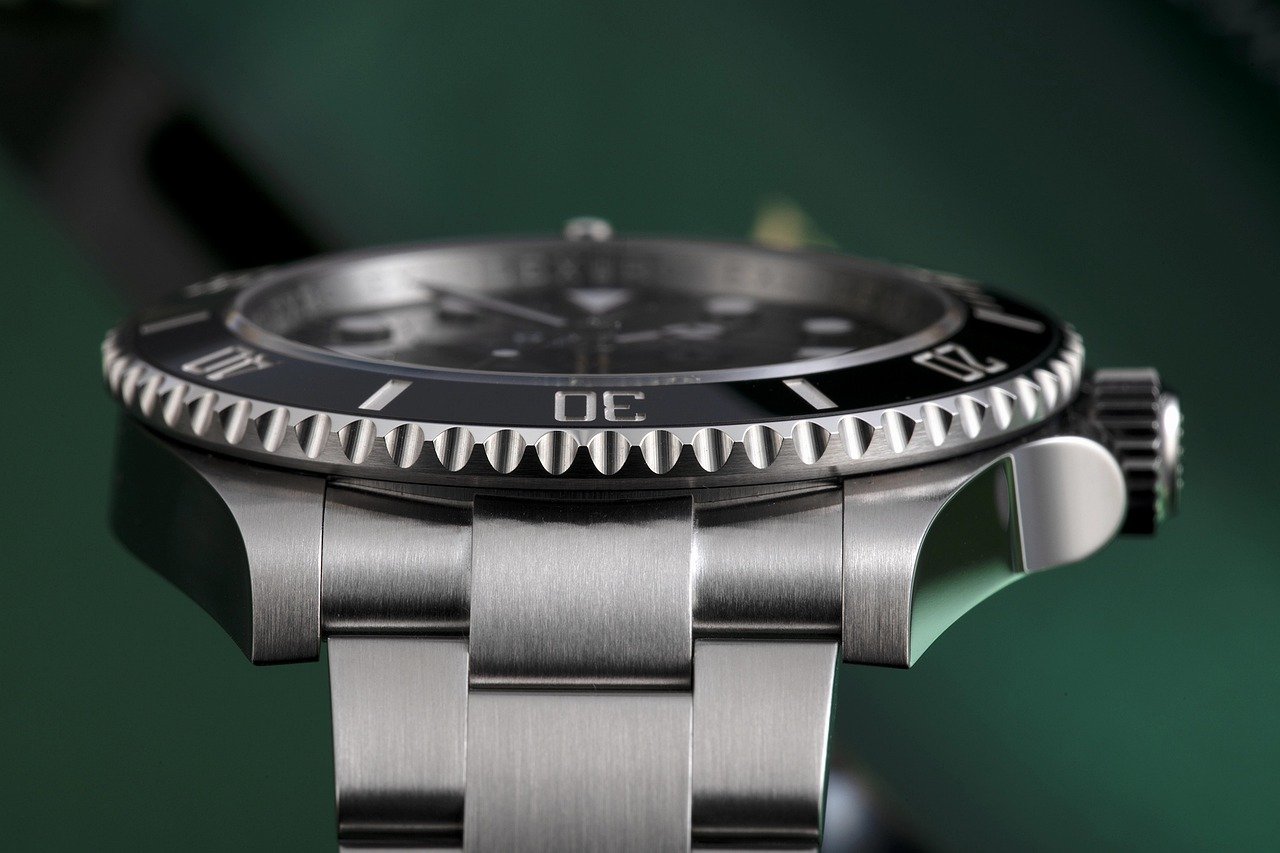
Rolex is another brand with immense heritage. Their watches like the Submariner and the Daytona are instantly recognizable and have a strong following. The consistency and quality of these brands make their watches desirable over the long term. We can see this with the enduring appeal of models like the Rolex Submariner, first introduced in 1953, which has maintained its status as a benchmark for dive watches.
Buying and Investing in Watches
Many people now see watches not just as accessories but as investments. This is a growing trend. However, it’s important to be smart about it. Like any investment, there are risks.
If you’re thinking about buying a watch as an investment, do your homework. Focus on brands and models with a proven track record of holding or increasing their value. Research past sales data. Look for watches that are rare, in good condition, and from respected brands.
It’s also a good idea to buy from reputable dealers or auction houses. Be wary of deals that seem too good to be true. The watch market can be complex, and authenticity is crucial. Buying a watch that is a rare reference, like certain vintage Omega Speedmasters, can be a wise move. For instance, the Omega Speedmaster “Ed White,” reference 105.003, is highly sought after by collectors.
A Watch with a Story: Famous Owners and Interesting Tales
Watches that have a connection to famous people or significant events often have a special allure. Think about the watches worn by astronauts on space missions, or the timepieces owned by royalty. These stories add a human element to the mechanical object.
The Omega Speedmaster is famous for being the first watch worn on the moon. This historical connection makes it incredibly desirable. Similarly, Paul Newman’s Rolex Daytona became legendary not just as a watch but as a symbol of his racing career and a piece of Hollywood history. It sold for an astonishing $17.8 million in 2017.
These watches are more than just expensive; they are part of a larger narrative. They represent achievements, styles, and moments in time that resonate with people.
Keeping Your Timepiece Ticking: Maintenance and Authentication
To keep a valuable watch in good condition, proper maintenance is essential. Mechanical watches need regular servicing. This typically involves cleaning, lubricating, and adjusting the movement. Most experts recommend servicing every 3 to 7 years, depending on the watch and how often it’s worn.
When buying a watch, especially a vintage one, authentication is critical. Scammers can try to sell fake watches. Always buy from trusted sources. If you’re unsure, get a professional opinion. Look for details like the serial number, hallmarks, dial printing, and the overall quality of the finish.
A good sign of authenticity is a watch that has its original box and papers. This documentation proves its history and can significantly increase its value. For example, a Patek Philippe watch with its original Certificate of Origin and presentation box is much more desirable than one without.
Conclusion: The Value of a Well-Crafted Story
So, what makes a watch truly special? It’s a combination of many things. It’s the intricate mechanics inside, the quality of the materials used, the rarity of the piece, and the history it carries. Whether it’s the legacy of a brand like Omega or the personal story behind a specific timepiece, these elements contribute to a watch’s lasting appeal.
Understanding these factors can help you appreciate watches on a much deeper level. It’s not just about telling time; it’s about owning a piece of history, engineering, and art that can be enjoyed for a lifetime. If you’re looking to buy, remember that the most satisfying watches are often those with a story you connect with. The Breitling Navitimer, for example, has a rich history tied to aviation and has been produced since 1952, making it a consistently collectible piece.