The Enduring Appeal of Gold Watches: More Than Just Precious Metal

Gold has always been a symbol of wealth and status. In the world of watches, it’s no different. A gold watch isn’t just about telling time; it’s a statement. It’s a piece of art you can wear. It carries history and craftsmanship. Many people are drawn to the warmth and richness of gold. Others love the way it shines. Let’s explore why gold watches remain so popular and what makes them special.
Key Takeaways
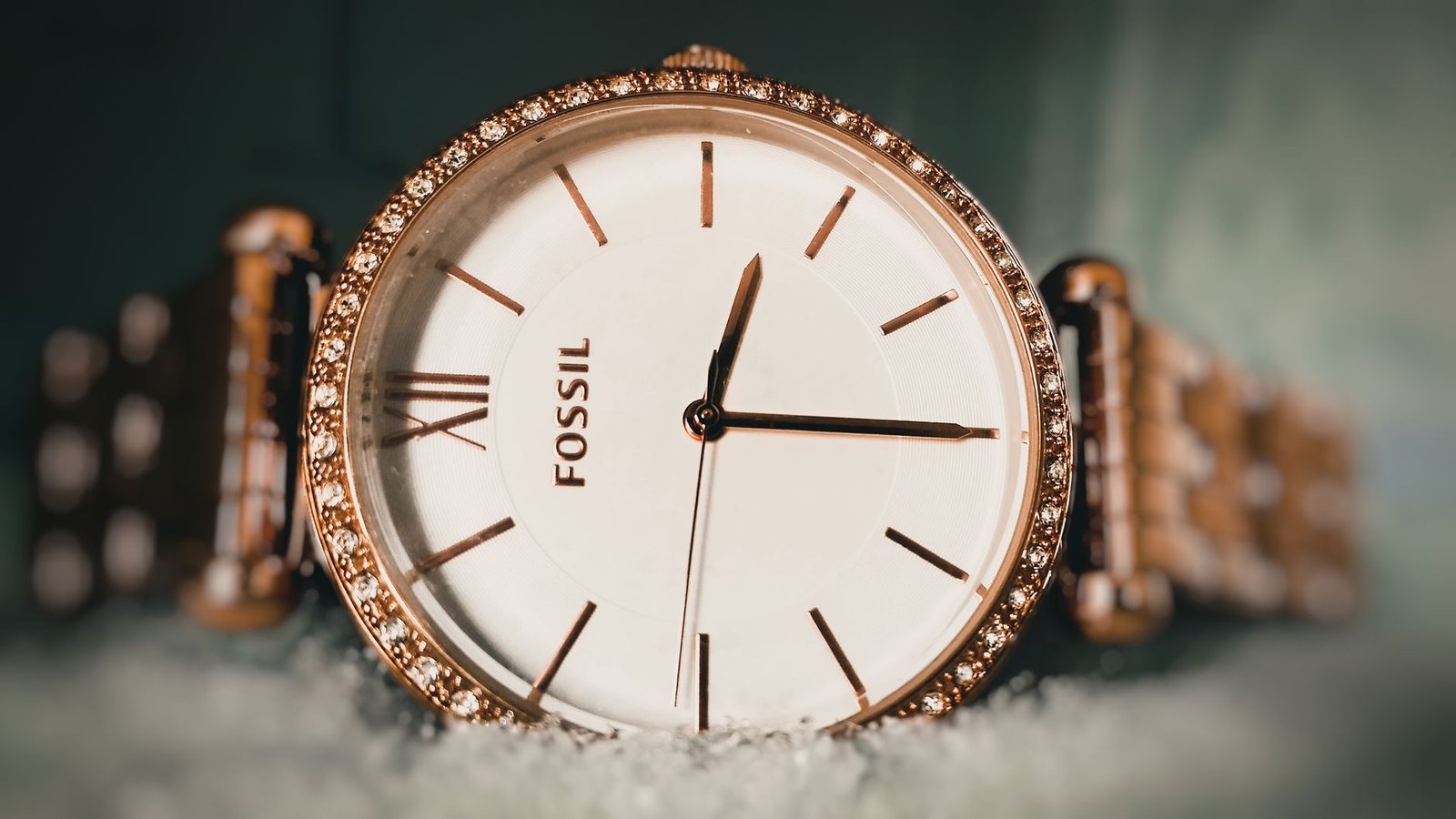
- Gold watches offer a blend of aesthetic appeal and material value.
- Different gold alloys (like rose gold or white gold) provide varied looks.
- Watch movements, brand heritage, and rarity significantly impact a gold watch’s value.
- Careful inspection and understanding of hallmarks are crucial for authenticating gold watches.
- Investing in gold watches requires knowledge of market trends and the specific piece’s history.
A Brief History of Gold in Watchmaking
Humans have loved gold for thousands of years. Early watches, when they became a thing, were often made with precious metals. This was because only the wealthy could afford them. So, making them from gold made sense. Pocket watches in the 18th and 19th centuries were frequently housed in solid gold cases. As wristwatches gained popularity in the early 20th century, gold remained a top choice for luxury models.
Brands like Patek Philippe, Vacheron Constantin, and Audemars Piguet started creating stunning gold timepieces. These weren’t just functional; they were meant to be seen. They often featured intricate engravings and elaborate dials. The Art Deco period, in particular, saw some incredibly stylish gold watches with geometric designs and gemstone embellishments. Even today, many high-end brands continue to offer their iconic models in various gold variations.
What Makes a Gold Watch Valuable?
Several factors contribute to a gold watch’s worth. It’s not just about the gold itself. Here’s a breakdown of what collectors and enthusiasts look for:
The Gold Content and Type
The most obvious factor is the amount of gold. Watches can be made from solid gold, gold-plated, or gold-filled. Solid gold means the case is made entirely of gold. Gold-plated watches have a thin layer of gold over a base metal. Gold-filled items have a much thicker layer. The purity of the gold is also key. We usually see 14 karat (58.5% gold) or 18 karat (75% gold) in watches. 24 karat is too soft for watch cases.
Beyond yellow gold, other alloys offer different looks. Rose gold gets its pinkish hue from copper. White gold uses nickel or palladium for a silvery appearance. Each has its own appeal and market value.
The Movement
The engine of the watch, its movement, is incredibly important. A mechanical movement, especially one that is hand-wound or automatic, is generally more desirable than a quartz movement for vintage and luxury watches. In-house movements, meaning movements developed and built by the watch brand itself, add significant prestige and value. Brands known for their high-quality, complicated movements, like perpetual calendars or chronographs, will command higher prices, even in gold.
Brand Heritage and Reputation
Some brands have a long history of excellence. Think of names like Rolex, Omega, Jaeger-LeCoultre, and Longines. A gold watch from a reputable brand with a strong heritage is almost always more valuable than one from a lesser-known maker. The brand’s reputation for quality, innovation, and design plays a huge role in desirability and, therefore, price. A vintage gold Rolex Day-Date, for example, is highly sought after.
Rarity and Production Numbers
Like any collectible, rarity drives value. Watches made in limited editions, or models that were produced in small numbers historically, tend to be more valuable. Sometimes, a specific reference number might have had a short production run. Or perhaps a particular dial color or case material combination was rare. This scarcity makes them attractive to collectors looking for something unique.
Condition and Provenance
The physical condition of a gold watch is crucial. Is the case polished excessively, removing original lines? Is the dial free of damage, like scratches or fading? Are the original parts, like the crown or bracelet, still present? A watch in excellent, original condition will always fetch a higher price. Provenance, the history of ownership, can also add value. If a watch belonged to a famous person or has a documented history of significant events, it can become much more desirable.
Buying a Gold Watch: Tips for Newcomers
If you’re thinking about buying a gold watch, whether new or vintage, a little knowledge goes a long way. Don’t just walk into a store and pick the shiniest one.
Do Your Research
Before you buy, learn about the brands and models that interest you. Understand what features are common and what might be rare. Look at auction results for comparable watches to get an idea of fair market value. Websites like Chrono24, watch forums, and auction house catalogs are great resources.
Inspect the Watch Carefully
If buying in person, examine the watch closely. Check for any significant scratches, dents, or repairs. Look at the dial for any signs of aging or damage. For vintage pieces, try to find one that hasn’t been over-polished. Excessive polishing can soften the sharp lines of the case, reducing its appeal.
Understand Gold Hallmarks
Gold watches, especially vintage ones, will have hallmarks stamped on the case, clasp, or inside the case back. These marks indicate the gold purity. Common hallmarks include numbers like ‘750’ (for 18K) or ‘585’ (for 14K), along with an assay office mark or maker’s mark. Knowing these will help you verify the gold content and potentially spot fakes.
Consider the Movement Type
Decide if you prefer a mechanical or quartz movement. Mechanical watches require more maintenance but offer a connection to traditional watchmaking. If you go for mechanical, understand if it’s an automatic or hand-wound. For vintage pieces, an automatic movement might be more convenient. For modern watches, both are common.
Buy from Reputable Dealers
Especially when buying vintage, stick to sellers with good reputations. Look for dealers who offer authenticity guarantees and have clear return policies. This protects you from buying a fake or a misrepresented watch. Online marketplaces can be great, but always check the seller’s reviews and history.
Gold Watches as Investments
Can gold watches be a good investment? Sometimes, yes. But it’s not as simple as buying gold bullion. The value of a watch as an investment depends on many of the same factors we’ve discussed: brand, rarity, condition, and desirability.
Certain models consistently hold or increase their value. For example, vintage gold Rolex Daytona or Patek Philippe Nautilus models are highly sought after. Even modern gold watches from top brands can appreciate, especially if they are limited editions or have unique complications. However, the market can be volatile. Trends change, and what’s popular today might not be tomorrow.
If you’re buying purely for investment, focus on iconic models from established brands with strong track records. Understand that the market requires patience. You’re often looking at long-term appreciation rather than quick profits. Also, factor in the costs of potential servicing and insurance. For many, the joy of owning and wearing a beautiful gold watch far outweighs the potential financial return.
Famous Gold Watches and Their Owners
Throughout history, many famous individuals have been associated with notable gold watches.
Elvis Presley was known for his love of watches, and he owned several impressive gold timepieces. One famous example is a 1974 Diamond and Emerald Gold Omega watch gifted to him by his dentist. It featured his name and ” to Elvis ” engraved on the back.
John F. Kennedy famously wore a rose gold Omega Ultra Thin watch. It was given to him by his friend, architect Lauren Bacall, on his 40th birthday. The watch had ” To Jack with best wishes from Fritz ” engraved on the back. Fritz was a nickname given to him by his father.
Paul Newman, while often associated with his stainless steel Rolex Daytona, also owned gold versions. These watches, especially those with provenance, can be incredibly valuable at auction. His own personal gold Daytona, if it ever came to market, would likely break records.
These examples highlight how a gold watch can be more than just an accessory; it can be a personal artifact, a symbol of achievement, or a cherished gift, carrying stories and significance beyond its material worth.
Caring for Your Gold Watch
To keep your gold watch looking its best and maintain its value, proper care is essential.
Regular Cleaning
Gently clean your gold watch with a soft, damp cloth. For dirt buildup in crevices, use a soft brush, like a children’s toothbrush. Avoid harsh chemicals or abrasive materials, which can scratch the gold surface. If your watch is water-resistant, you can use a mild soap and water, but always ensure the crown is fully screwed down or pushed in before washing. Never use a steam cleaner, as it can damage seals and internal components.
Servicing
Mechanical watches need regular servicing to keep them running accurately. Aim for a service every 3 to 5 years, depending on the watch and manufacturer recommendations. Servicing typically involves disassembling the movement, cleaning all parts, lubricating them, and reassembling. It also includes replacing worn parts and testing the watch’s accuracy and water resistance. A good service record can add to a watch’s long-term value.
Storage
When you’re not wearing your gold watch, store it properly. Use a soft watch pouch or the original box. Keep it away from direct sunlight, extreme temperatures, and magnetic fields, which can affect mechanical movements. If you have multiple watches, consider a watch case with individual compartments to prevent scratching.
Frequently Asked Questions
Is a gold watch always more valuable than a steel watch?
Not necessarily. While gold has intrinsic material value, a highly sought-after steel watch from a top brand, like a stainless steel Rolex Submariner or Patek Philippe Nautilus, can often be worth more than a common gold watch. Rarity, brand prestige, condition, and model desirability play a much larger role than just the case material.
How can I tell if a gold watch is real?
Look for hallmarks stamped on the case back, clasp, or inside the case. Common stamps include ‘750’ (18K) or ‘585’ (14K). You can also perform a magnet test (gold is not magnetic) or a density test if you have the proper equipment. If buying, always purchase from reputable dealers who guarantee authenticity.
What is the difference between gold-plated and solid gold watches?
Solid gold watches are made entirely from gold alloys (like 14K or 18K). Gold-plated watches have a thin layer of gold bonded to a base metal core. The gold layer on plated watches can wear off over time, especially in high-contact areas. Solid gold watches retain their gold value even if scratched or worn.
Is rose gold or white gold more valuable?
The value difference between rose gold and white gold of the same karat is usually minimal, as they are both alloys of gold with other metals. The price difference often comes down to the other metals used (e.g., palladium in white gold can be more expensive than copper in rose gold) and rhodium plating, which is often applied to white gold for extra shine and durability.
Should I buy a vintage gold watch or a new one?
It depends on your priorities. Vintage gold watches offer historical charm, unique designs, and often a lower entry price compared to equivalent new models. However, they may require more maintenance and carry the risk of hidden wear. New gold watches come with a manufacturer’s warranty, modern features, and pristine condition, but at a higher initial cost.
The Lasting Luster of Gold
Gold watches continue to hold a special place in horology. They combine the tangible value of a precious metal with the artistry and engineering of fine watchmaking. Whether you’re drawn to the classic elegance of a vintage piece or the modern sophistication of a new creation, a gold watch offers a unique blend of style, substance, and enduring appeal. When considering a purchase, focus on well-maintained examples from reputable brands with strong histories, and you’ll likely find a piece that brings you joy for years to come.