The Silent Storytellers: Unpacking the Value of Vintage Watch Engravings

Have you ever looked closely at an old watch and noticed tiny words or symbols etched into the case back, the movement, or even the clasp? These aren’t just random scratches. They are often personal messages, special dates, or marks of ownership that tell a unique story. This article is about those engravings. We’ll explore what they mean, how they affect a watch’s value, and why they make vintage timepieces so fascinating.
Key Takeaways
- Personal engravings can significantly increase a vintage watch’s appeal and value to collectors interested in its history.
- Engravings from famous individuals or significant historical events add a unique provenance that is highly sought after.
- Authentating engravings is crucial, as they can be faked, impacting a watch’s true collectible status.
- The condition and style of the engraving, along with its placement, influence how desirable it is to collectors.
- Understanding the context and story behind an engraving is key to appreciating its full significance beyond just the metal.
More Than Just Metal: What are Watch Engravings?
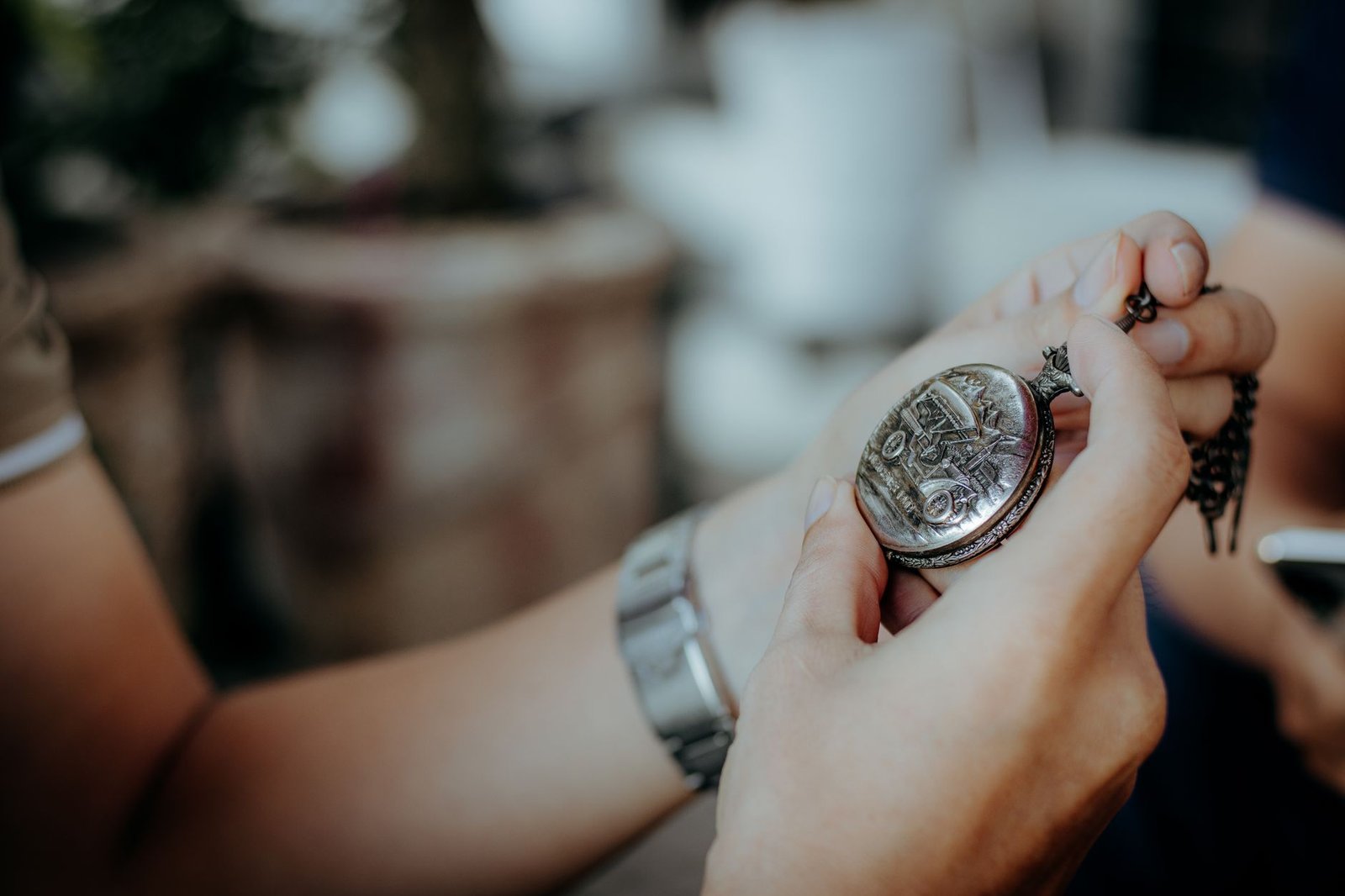
Watch engravings are designs or text that have been permanently marked onto a watch. This can happen at the factory, by a jeweler, or by the owner themselves. They can be found on the outside of the watch case, like the case back, or on the inside, on parts of the movement. Sometimes, they are even on the bracelet or clasp.
These markings can be anything from a simple initial to a complex coat of arms. They might commemorate a special event, like a wedding anniversary or a work milestone. They can also be a personal message, a reminder, or even a dedication. For collectors, these engravings are like a hidden chapter in the watch’s life story.
The Storyteller’s Mark: Engravings and Provenance
Provenance is a huge deal in the watch world. It means the history of ownership and the story behind a particular item. An engraving can be a powerful piece of provenance. If a watch was owned by someone famous, or if it was given as a significant award, an engraving can prove it.
Imagine finding a watch engraved with “To John, for 25 Years of Service, 1965.” This tells you something about the original owner and the watch’s past. If John was a notable figure, or if the company was famous, this engraving makes the watch much more interesting. It connects the physical object to a real person and a specific time.
Sometimes, engravings link watches to major historical moments. For example, watches given to military personnel during wartime often carry official service markings or personal dedications. These are incredibly desirable for collectors who specialize in military history. The engraving isn’t just decoration; it’s a direct link to the past.
What Makes an Engraving Valuable?
Several factors determine if an engraving adds significant value to a watch. It’s not just about having any mark; it’s about what that mark represents.
Rarity and Uniqueness
A rare or unique engraving is more valuable. If it’s a one-off, personal message that can’t be replicated, it has special appeal. Mass-produced or common engravings, like standard company logos, usually don’t add much value unless the company itself is historically significant.
Association and History
The biggest value comes from association. Was the watch owned by a celebrity, a politician, a renowned athlete, or someone involved in a famous event? If the engraving directly relates to this famous owner or event, it can dramatically increase the watch’s desirability and price. Think of watches owned by figures like Paul Newman or Lyndon B. Johnson. Their watches, especially if engraved, are worth a fortune.
Condition and Legibility
The engraving itself needs to be in good condition. If it’s so worn down that you can barely read it, its story is lost. Clear, legible engravings are much more appealing. The style of the engraving also matters. Hand-engraved script from a certain era might be more sought after than a modern laser-etched message.
Placement
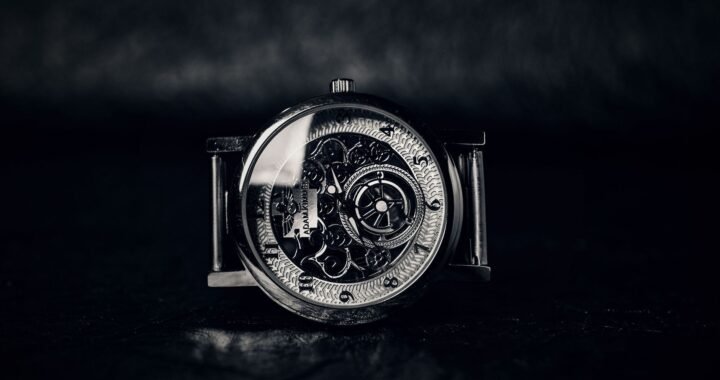
Where the engraving is located can also influence its value. Engravings on the case back are common and can be easily seen. Engravings on the movement, however, are hidden and often reserved for special presentations or high-end pieces. These internal engravings can add a layer of exclusivity.
Famous Owners and Their Engraved Timepieces
History is full of famous people who owned watches, and many of those watches carry special engravings. These stories add a layer of romance and desirability to the timepieces.
Lyndon B. Johnson’s Watches
Former U.S. President Lyndon B. Johnson was known to be a watch enthusiast. He received several watches as gifts, many of which were engraved. One notable example is a gold Jaeger-LeCoultre Futurematic he received. While this specific watch is not widely documented with a prominent engraving for the public, many gifts to presidents of that era often bore inscriptions commemorating events or relationships, making them historically significant.
Presidential Gifts
It was common for presidents and other high-ranking officials to receive watches as tokens of appreciation. These were often presented by foreign dignitaries, military units, or other organizations. Many of these watches were engraved with messages like “To President [Name], A Token of Esteem, [Date].” These engravings are not just personal notes; they are historical documents. For instance, a Rolex given to a serviceman after a significant mission could be engraved with the mission name and date, making it a collector’s dream.
Milestone Commemorations
Beyond presidents, many individuals in positions of influence or fame had watches engraved to mark personal achievements or significant dates. A famous actor might have a watch engraved with the title of a successful film. A pioneering scientist could have a watch gifted to them upon completing a major discovery. These engravings connect the watch to a specific moment in cultural or scientific history.
Buying Engraved Watches: What to Look For
If you’re interested in buying a vintage watch with an engraving, there are a few things you need to consider. It’s a different ballgame than buying a watch with a blank case back.
Authentication is Key
Sadly, engravings can be faked. A seller might add a fake engraving to increase a watch’s perceived value. Always try to authenticate the engraving, especially if it claims to be from a famous person or event. Look for signs of modern tooling on older watches, or inconsistencies in the style of the engraving compared to the era of the watch.
Research is vital. If a watch is claimed to be owned by someone famous, try to find independent verification. Are there photos of that person wearing the watch? Are there records of it being gifted? Without solid proof, an engraving might just be a nice story. This is why understanding the history behind a watch is as important as its mechanical condition. Sometimes, provenance is more valuable than the watch itself.
The Engraving’s Impact on Value
An engraving can either increase or decrease a watch’s value. A desirable engraving, linked to a famous person or event, will almost always increase value. However, a very personal or potentially embarrassing engraving might make a watch less desirable to the general market, even if it has historical significance.
For example, an engraving like “To my dearest Mary, All my love, 1955” might be charming, but it’s very personal. A collector might prefer a watch with a more public or historically relevant inscription. Conversely, an engraving that is offensive or contains private details might significantly lower its appeal.
Condition of the Watch Itself
Don’t forget the watch! The engraving is just one part of the equation. The watch still needs to be in good working order. Check the movement, the case, the dial, and the hands. A beautiful, historically significant engraving on a watch that doesn’t run or is in poor condition will be far less valuable than a well-maintained timepiece. You are essentially buying two things: the watch and its story.
Maintenance and Care for Engraved Watches
Engraved watches require the same care as any other vintage timepiece, but you need to be extra cautious with the engraved areas.
Cleaning
When cleaning your watch, be gentle around the engravings. Avoid harsh chemicals or abrasive cloths that could wear down the markings. A soft, lint-free cloth is usually best. If professional cleaning is needed, inform your watchmaker about the engravings so they can take extra care.
Servicing
When servicing the watch, especially if it involves opening the case, ensure the watchmaker is aware of any delicate engravings. They should handle the case back with care to prevent scratching or damaging the markings. If the engraving is on the movement, extreme care is needed during disassembly and reassembly.
Storage
Store your engraved watch properly. Keep it in a soft pouch or a lined watch box to prevent scratches, especially on the case back where the engraving is most likely located. Avoid storing it with other metal jewelry that could rub against it.
Engravings as Art: The Craftsmanship
Sometimes, the engraving itself is a work of art. Early engraving was often done by hand by skilled artisans. These hand-engraved pieces have a unique character and depth that machine engraving can’t replicate. The slight imperfections and variations in line thickness are a hallmark of true craftsmanship.
The styles of engraving have changed over time. In the early 20th century, ornate script and decorative patterns were popular. Later, more functional markings like serial numbers or military insignia became common. Each style tells us something about the era and the purpose of the engraving.
FAQ
What is the most common type of watch engraving?
The most common types of engravings are personal dedications, like initials, names, or dates (e.g., “To my husband,” “Happy Anniversary,” or a wedding date). Company awards for service milestones are also very common.
Can engravings add significant value to a watch?
Yes, engravings can add significant value, but only if they have a strong connection to a famous person, a historical event, or a rare achievement. A generic personal engraving usually adds less value than a blank case back, unless it’s exceptionally well-done or part of a very interesting personal story.
Are watches with “hidden” engravings (on the movement) more valuable?
Often, yes. Engravings on the movement are typically found on higher-end or specially commissioned watches. They are not meant to be seen by the wearer or the public, making them a more discreet and exclusive mark of significance.
How do I know if an engraving is original to the watch?
Authenticity can be tricky. Look for consistency in the style of engraving with the age of the watch. Check for signs of tooling that doesn’t match the era. If the watch is supposed to have a famous provenance, research thoroughly to find supporting evidence. It’s often best to consult with a reputable vintage watch dealer or authenticator.
Should I remove an engraving if it’s not desirable?
Generally, no. Removing an engraving can damage the case and will likely decrease the watch’s value. Vintage watch collectors often appreciate the history, even if the engraving is personal. It’s better to leave it as it is and focus on the watch’s overall condition and mechanical integrity.
The Personal Touch in Timekeeping
Engravings on vintage watches are more than just marks on metal. They are whispers from the past, personal connections to previous owners, and tangible links to history. They transform a mechanical object into a storyteller. When you find a watch with an interesting engraving, you’re not just buying a timepiece; you’re acquiring a piece of someone’s life and a unique narrative that no other watch can replicate. The next time you see an engraved watch, take a moment to imagine the story it might be telling.