The Allure of the Complication: Understanding Watch’s Most Complex Features

When you start looking at really high-end watches, you begin to see things beyond just telling the time. These watches often have extra features. They are called complications. They can make a watch much more interesting, and often, much more expensive. Let’s explore what these are and why they matter so much to collectors and enthusiasts.
Key Takeaways
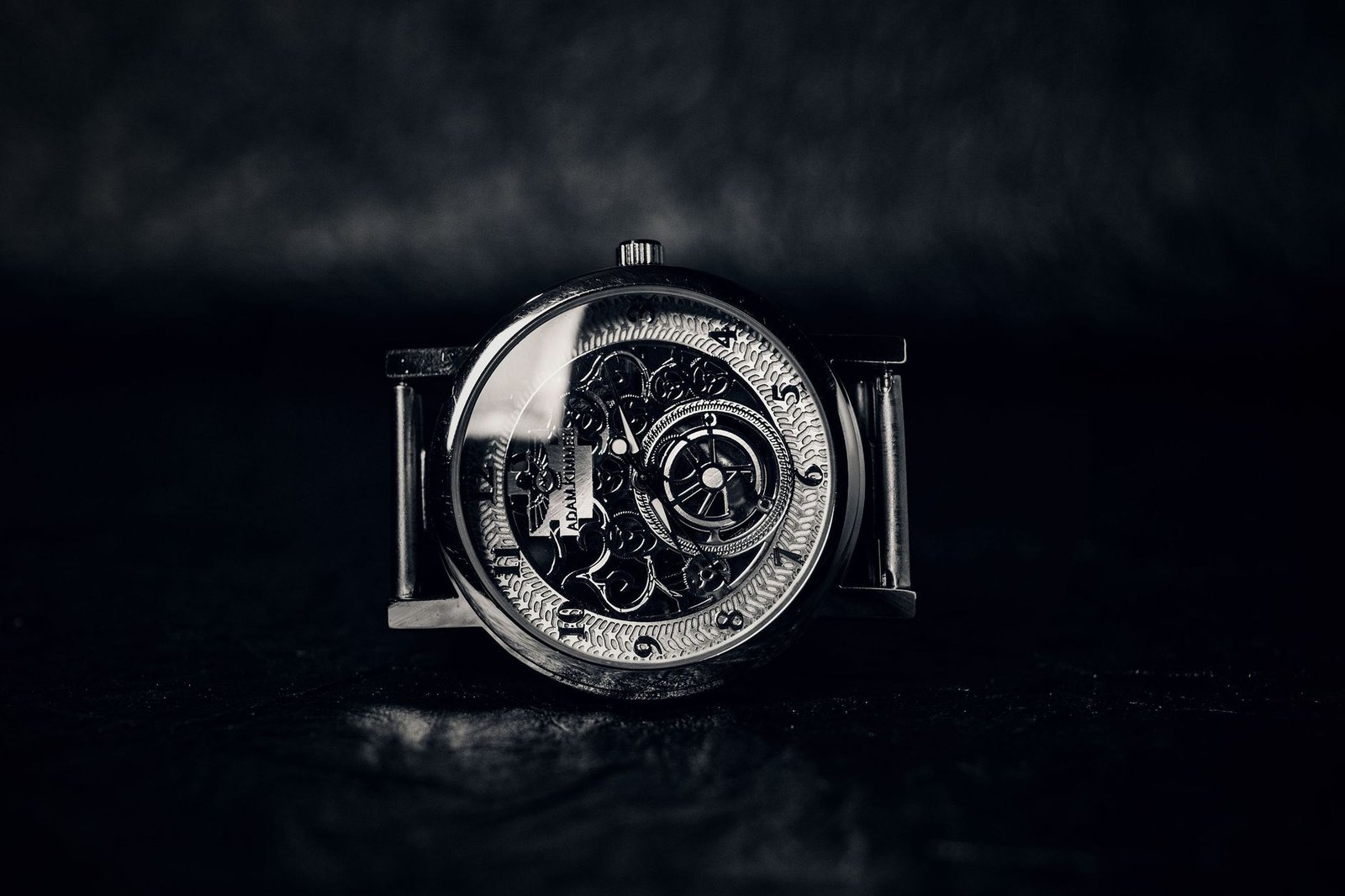
- Complications are watch functions beyond simple time telling, like chronographs or perpetual calendars.
- The complexity and craftsmanship involved in creating complications drive their value.
- Rarity, brand heritage, and the specific type of complication significantly impact a watch’s collectibility and price.
- Understanding movements, materials, and provenance helps in buying and appreciating complicated watches.
- Even simple complications require expert craftsmanship and add a layer of historical and mechanical fascination.
What Exactly is a Watch Complication?
In the world of watches, a complication is any function a watch can perform other than displaying the hours, minutes, and seconds. Think of it as an added feature, like a stopwatch or a display of the date. These aren’t just for show. They represent a significant feat of engineering and craftsmanship. The more complications a watch has, and the more expertly they are executed, the more valuable it typically becomes.
Some of the most common complications include the date display, the chronograph (a stopwatch function), and the moon phase indicator. These might seem simple to us now, but they require a complex arrangement of gears, levers, and springs within the watch’s movement. This intricate mechanical ballet is what watch lovers find so fascinating. It’s a miniature machine on your wrist, performing tasks far beyond just marking the passage of time.
The Big Leagues: Grand Complications
When a watch has multiple complications, especially very complex ones, it’s often called a “grand complication.” These are the pinnacle of watchmaking. They often combine several advanced functions into one beautifully crafted timepiece. Owning one is like owning a piece of horological art.
Some of the most sought-after grand complications include the minute repeater, which chimes the hours, minutes, and sometimes seconds on demand. There’s also the perpetual calendar, which can track the date, day, month, and year, even accounting for leap years, and won’t need adjustment until the year 2100. Then you have the tourbillon, a mesmerizing rotating cage designed to counteract the effects of gravity on the watch’s accuracy. These are not just watches; they are mechanical marvels that showcase the highest level of skill from watchmakers.
What Makes a Complicated Watch Valuable?
Several factors contribute to the value and collectibility of a watch with complications. It’s a mix of art, engineering, history, and rarity.
1. Movement Type and Craftsmanship
The heart of any watch is its movement, the intricate mechanism that powers it. For complicated watches, the movement is even more critical. Hand-finished movements, often visible through a sapphire case back, are highly prized. The precision required to assemble so many tiny parts, each working in harmony, is immense. Brands known for their exceptional movement development, like Patek Philippe or Jaeger-LeCoultre, command higher prices for their complicated pieces.
2. Materials Used
While complications are the star, the materials used in the case and bracelet also matter. Precious metals like gold (yellow, white, rose) and platinum are common in high-end complicated watches. Even advanced materials like titanium or ceramic can add value if they are used in a rare or historically significant model. The quality of finishing on these materials, like polishing and brushing, also plays a role.
3. Rarity and Production Numbers
Just like with anything collectible, rarity drives demand. Many brands produce complicated watches in very limited numbers, sometimes only a few pieces worldwide. A watch with a rare complication, or one produced in a small series, will almost always be more valuable than a similar watch made in larger quantities. This scarcity makes them highly sought after by collectors.
4. Brand Heritage and Reputation
Certain brands have built decades, even centuries, of reputation for creating exceptional complicated watches. Patek Philippe, for example, is almost synonymous with grand complications. Jaeger-LeCoultre is known as “the watchmaker’s watchmaker” for its in-house movement expertise, including many complex calibers. A strong brand heritage means trust, consistent quality, and a history of innovation, all of which boost a watch’s desirability and value.
5. Provenance and History
A watch’s story can add significant value. If a complicated watch has a known history, such as being owned by a famous personality or having a unique manufacturing story, it becomes more than just a mechanical object. This is known as provenance. Documented ownership, especially by historical figures, can make a watch incredibly desirable and increase its auction value dramatically.
Buying and Investing in Complicated Watches
When you’re looking to buy a watch with complications, whether for personal enjoyment or as an investment, there are a few things to keep in mind. It’s a different ballgame than buying a simple time-only watch.
Choosing Your First Complication
For someone new to complications, starting with something accessible yet interesting is a good idea. A chronograph is often a great entry point. Iconic chronographs like the Omega Speedmaster or certain Rolex Daytona models are highly collectible and represent significant horological history. Another relatively common complication is the annual calendar, which is simpler than a perpetual calendar but still very useful.
Consider brands known for reliable and well-engineered movements. Breitling, for instance, has a long history with chronographs. Longines also offers beautiful watches with complications at more accessible price points. Remember to research the specific movement inside the watch. Look for brands that are transparent about their movements and have a good service history.
The Investment Angle
Complicated watches, especially from top brands with limited production, can be excellent investments. However, it’s not guaranteed. The market can fluctuate. Factors like rarity, condition, and brand desirability play a huge role. A watch that was once rare and expensive might become less desirable if the brand makes a similar model in much larger numbers later on.
For investment purposes, focusing on historically significant models or those with very complex, in-house movements is often a safer bet. Watches from brands like Patek Philippe, Vacheron Constantin, or Audemars Piguet, especially their more complicated offerings, have historically held or increased their value. It’s crucial to buy from reputable dealers or auction houses and to get the watch authenticated. You also need to factor in the cost of servicing, which can be substantial for complicated watches.
A Look at Iconic Complicated Watches
Some watches with complications have become legends in their own right. They are recognized not just by watch enthusiasts but by the general public.
The Chronograph Kings
The chronograph is arguably the most popular complication. It allows the wearer to time events. The Rolex Daytona is perhaps the most famous. Introduced in the 1960s, it quickly became a status symbol. Its robust design and precise timing functions made it a favorite of drivers and watch collectors alike. Vintage Daytonas, especially those with specific dial configurations or from early production runs, can fetch astronomical prices at auction.
Another icon is the Omega Speedmaster Professional. Famously known as the “Moonwatch,” it was the first watch worn on the Moon during the Apollo 11 mission in 1969. This historical significance, combined with its rugged reliability and distinctive look, makes it a highly collectible timepiece. Many collectors aim to own a vintage Speedmaster, appreciating its place in space exploration history.
The Grand Complication Titans
When we talk about grand complications, Patek Philippe is often the first name that comes to mind. Their Calibre 89, created for their 150th anniversary in 1989, is one of the most complicated portable timepieces ever made, with 33 complications. While not a watch for wearing daily, it represents the zenith of watchmaking. Their more accessible, but still incredibly complex, perpetual calendar chronographs and minute repeaters are highly coveted.
Audemars Piguet also makes stunning complicated watches. While they are famous for the Royal Oak, their tradition of high-end complications is equally impressive. Their perpetual calendars and minute repeaters are considered masterpieces of micromechanics. Similarly, Vacheron Constantin, one of the oldest watch manufacturers, produces exquisite complicated pieces that blend tradition with innovation.
Watch Maintenance and Authentication for Complicated Timepieces
Caring for a watch with complications requires a bit more attention than a simple watch. These are precision instruments.
Servicing is Key
Complicated watches need regular servicing. The oils that lubricate the tiny parts can dry out over time, leading to increased friction and wear. A full service typically involves disassembling the entire movement, cleaning all the parts, replacing worn components, reassembling, and then carefully regulating the watch for accuracy. This process can be expensive, often costing hundreds or even thousands of dollars, depending on the complexity of the movement and the brand.
It’s recommended to have a watch serviced every 5 to 7 years. Always use a reputable watchmaker or the brand’s authorized service center. Trying to save money by using an unqualified watchmaker could lead to irreparable damage. For watches with significant historical value, like certain vintage pieces, finding a specialist who understands that specific movement is crucial. You can read more about why watch condition matters so much in Vintage Watch Condition: Why It Matters More Than You Think.
Authentication: Avoiding Fakes
The high value of complicated watches makes them targets for counterfeiters. Fake watches can look convincing from a distance, but they often have poor-quality movements, incorrect materials, and lack the fine finishing of genuine timepieces. When buying, always purchase from authorized dealers or highly reputable pre-owned watch dealers. If buying privately or at auction, do your homework.
Look for inconsistencies in the dial printing, case finishing, and movement details. Many high-end brands offer authentication services or have detailed information on their websites about how to spot fakes. If a deal seems too good to be true, it almost certainly is. For valuable pieces, consider getting an independent authentication report from a trusted third party.
Frequently Asked Questions
What is the simplest complication?
The date display is generally considered one of the simplest complications. It requires a mechanism to change the date wheel, often with a small window on the dial. Even this simple function involves extra gears and levers beyond a basic time-only watch.
Are complicated watches always more accurate than simple watches?
Not necessarily. While complications add complexity, the base movement’s quality determines accuracy. A well-made simple watch can be more accurate than a poorly made complicated one. However, complications like the tourbillon are specifically designed to improve accuracy by counteracting gravity’s effects.
How much does a perpetual calendar watch typically cost?
Prices vary wildly. Entry-level perpetual calendars from some brands might start in the $15,000 to $20,000 range in 2026. However, perpetual calendars from top-tier luxury brands like Patek Philippe or Vacheron Constantin, especially vintage or highly complex models, can easily cost $50,000, $100,000, or much, much more.
Can I service a complicated watch myself?
It is strongly advised against attempting to service a complicated watch yourself unless you are a trained professional watchmaker. The movements contain hundreds of tiny, delicate parts that can be easily damaged by improper handling. Always seek professional service from the brand or a certified watchmaker.
What’s the difference between an annual calendar and a perpetual calendar?
An annual calendar needs to be manually adjusted once a year, typically at the end of February, to account for the different lengths of months. A perpetual calendar, on the other hand, is programmed to automatically adjust for all month lengths, including leap years, and will only need adjustment in the year 2100.
The Enduring Appeal of Mechanical Complexity
Complicated watches represent the height of mechanical achievement in timekeeping. They are more than just tools; they are pieces of art, history, and engineering that you can wear on your wrist. Understanding the basics of what makes them special helps you appreciate their value, whether you’re looking to buy one or simply admire them from afar.
When considering your next watch, think about what kind of mechanical stories you want your timepiece to tell. For many, it’s the allure of the complication that truly captures the imagination.