The Subtle Art of Watch Gaskets: Keeping Your Timepiece Safe

Have you ever wondered what keeps water and dust out of your favorite watch? It’s not magic. It’s tiny, often overlooked parts called gaskets. These little rubber rings are the unsung heroes of watchmaking. They create a seal. This seal protects the delicate movement inside from the outside world. Today, we’ll look at these crucial components. We’ll see why they matter for both vintage treasures and modern luxury watches.
Key Takeaways
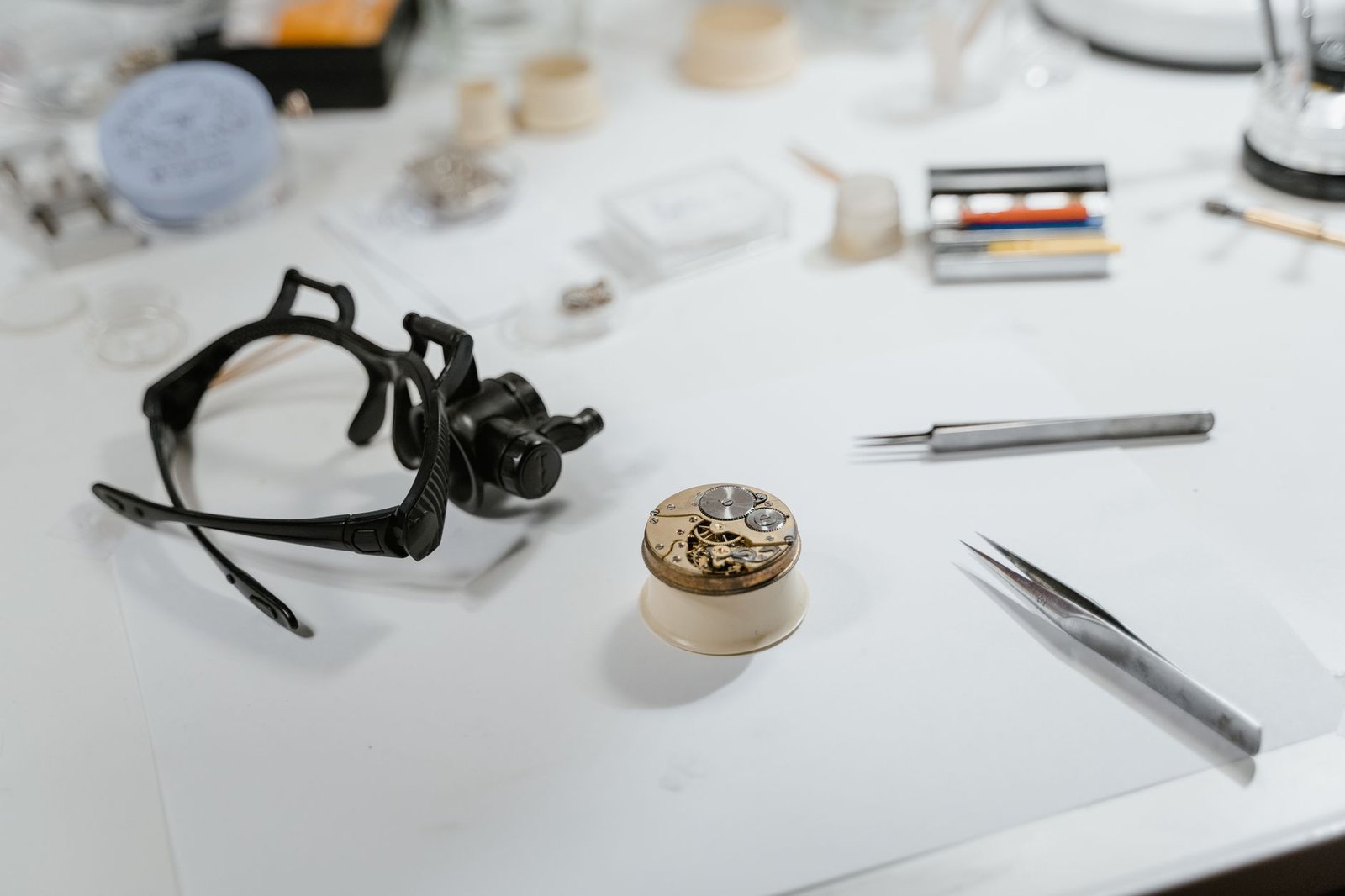
- Gaskets are rubber rings that create a waterproof and dustproof seal for watches.
- They are critical for maintaining a watch’s water resistance rating.
- Gaskets degrade over time due to environmental factors and age.
- Regular replacement, typically during a service, is essential for watch longevity.
- The type and quality of gasket material can affect a watch’s seal and lifespan.
What Exactly Are Watch Gaskets?
Watch gaskets are usually made of rubber or a synthetic material. They are placed strategically around the watch case. You’ll find them around the case back, the crystal, and the winding crown. Some watches also have gaskets on the pushers for chronographs. Their main job is to fill any gaps. This prevents anything from getting inside the watch case. Think of them like the seals on a submarine hatch. They need to be in perfect condition to keep the water out.
The most common types of gaskets are:
- Case back gaskets: These are usually O-rings that sit in a groove on the case or case back.
- Crystal gaskets: These seal the watch crystal to the watch case. They can be O-rings or specially shaped gaskets depending on the case design.
- Crown gaskets: These are part of the winding crown assembly. They seal the crown stem where it enters the watch case.
- Pusher gaskets: For watches with chronograph functions, these seal the pusher stems.
Without good gaskets, even a watch rated for 200 meters of water resistance could leak. This is because the seal is only as good as its weakest point.
Why Do Gaskets Matter So Much?
A watch’s water resistance rating is a big selling point. It’s measured in bars or meters. A 50-meter rating means the watch can withstand light splashes and rain. A 200-meter rating means it’s suitable for swimming and light diving. This rating is only accurate if all the seals, including the gaskets, are in good condition.
Gaskets do more than just keep water out. They also prevent dust, dirt, and other small particles from entering the watch. This is vital for protecting the movement. The tiny moving parts inside a watch can be easily damaged by debris. A clean environment ensures the watch functions smoothly and accurately.
For vintage watches, maintaining originality is often key to value. However, replacing degraded gaskets is a necessary maintenance step. It preserves the watch’s integrity and prevents further damage. For modern luxury watches, especially dive watches, maintaining water resistance is crucial for their intended use.
The Enemy: Time and Environment
Gaskets are made of materials that degrade over time. Rubber and synthetic compounds are affected by several factors:
- Age: Even if a watch is stored in a box, the gasket material will naturally break down over years. It becomes brittle and loses its elasticity.
- Heat: Prolonged exposure to high temperatures can accelerate gasket degradation. This is why it’s not a good idea to leave your watch on a hot dashboard.
- Chemicals: Exposure to solvents, perfumes, and even excessive sweat can harm gasket material.
- UV light: Sunlight can also break down rubber compounds over time.
- Compression: When a watch is closed, the gasket is compressed. Over time, this compression can cause it to take a permanent set, reducing its sealing ability.
This is why even a watch that has never been exposed to water can lose its water resistance. The gaskets simply age out.
When to Replace Them: The Service Interval
Watch manufacturers and independent watchmakers generally recommend servicing a mechanical watch every 3 to 5 years. During a full service, the watch is disassembled, cleaned, lubricated, and reassembled. Part of this process always includes inspecting and replacing the gaskets.
Even if you don’t wear your watch often, it’s a good idea to have the gaskets checked and replaced periodically. If your watch is a diver or you regularly expose it to water, it’s even more critical. Many recommend replacing gaskets every 1 to 2 years for actively used dive watches. Some enthusiasts even get their watches pressure tested annually to ensure water resistance.
Gasket Material Matters: From Natural Rubber to Modern Synthetics
The type of material used for gaskets has evolved. Early watches might have used natural rubber. Modern watches often use more advanced synthetic materials. These are designed to be more resistant to heat, chemicals, and aging.
High-end watch brands invest in proprietary gasket materials. These can offer superior longevity and sealing properties. For example, some brands use specialized silicone or Viton. Viton is known for its excellent resistance to heat and chemicals.
For vintage watches, the debate sometimes arises about using original-style gaskets versus modern, more durable ones. Using exact replicas maintains the watch’s historical accuracy. However, modern materials might offer better long-term protection. It often comes down to the collector’s preference and the watch’s intended purpose.
Spotting Trouble: Signs of Gasket Failure
It’s not always easy to tell if a gasket is failing without professional testing. However, there are a few visual clues.
- Brittleness: If you ever see the gasket material looking dry, cracked, or crumbly, it’s definitely time for a replacement. This is more likely to be visible when the case back or crystal is removed by a watchmaker.
- Deformation: If the gasket looks warped or flattened permanently, it might not be sealing properly.
- Loss of Water Resistance: The most obvious sign is if your watch fails a pressure test. This should be done by a professional using specialized equipment.
Some watch owners develop a habit of inspecting the gaskets themselves if they are comfortable opening their watches. However, this requires care. It’s easy to damage the gasket or the case during removal. If you’re unsure, always leave it to a professional.
The Cost of Neglect: What Happens When Gaskets Fail?
The consequences of a failed gasket can range from minor inconvenience to catastrophic damage.
If a gasket fails on a watch not meant for water use, you might just notice condensation under the crystal after washing your hands. This is a sign that moisture has entered. If left unaddressed, this moisture can corrode the movement parts.
For dive watches, failure can be much more dramatic. If a gasket fails at depth, water can rush into the watch. This can cause immediate and severe damage to the movement. It’s a costly repair, often requiring a full movement overhaul. Sometimes, especially with saltwater intrusion, the damage can be so extensive that the watch is beyond repair.
This is why regular maintenance is so important. The cost of replacing gaskets and performing a basic service is far less than repairing extensive water damage.
DIY vs. Professional: When to Change Gaskets
For most people, changing watch gaskets is a job for a professional watchmaker. Here’s why:
- Tools: You need specialized tools to open the watch case safely without scratching it. You also need tools to remove and install gaskets without damaging them or the case.
- Gasket Selection: Getting the correct size and type of gasket is crucial. Using the wrong one won’t seal properly. Watchmakers have access to a wide range of gasket sizes and types.
- Pressure Testing: After replacing gaskets, the watch must be pressure tested to confirm its water resistance. This requires specialized equipment that most hobbyists don’t have.
- Risk of Damage: Even experienced watchmakers can make mistakes. For a beginner, the risk of scratching the case, damaging the crystal, or even harming the movement is very high.
If you have a simple, inexpensive watch and you’re very careful, you might consider it. But for any valuable watch, especially a luxury or vintage timepiece, it is always best to use a qualified watchmaker.
Protecting Your Investment: Gaskets and Watch Value
For collectors, maintaining a watch’s water resistance can be important, especially for tool watches like divers or chronographs. A dive watch that can no longer dive due to failed gaskets might be seen as less desirable by some buyers. Ensuring the watch is properly sealed and pressure tested can give potential buyers confidence.
However, it’s a balance. Some very rare vintage watches might have original gaskets that are visibly degraded. Collectors might prefer to keep these original parts in place, accepting the loss of water resistance, to maintain maximum originality. This is a decision made on a case-by-case basis, often discussed among collectors. The key is to understand the implications. If water resistance is compromised, the watch should be treated with extra care regarding moisture.
Frequently Asked Questions
What is the most common material for watch gaskets?
The most common materials are natural rubber and various synthetic elastomers. Modern watches often use more advanced synthetics like silicone or Viton for better durability and resistance to environmental factors.
How often should I replace my watch gaskets?
For watches exposed to water, like dive watches, it’s recommended to replace gaskets and pressure test every 1-2 years. For watches not regularly exposed to moisture, every 3-5 years during a routine service is usually sufficient.
Can I clean my watch gaskets?
While you can gently wipe down visible gaskets with a soft, damp cloth, cleaning them in place is not a substitute for replacement. Gaskets degrade internally and lose elasticity over time, regardless of external cleaning.
What happens if I don’t replace my watch gaskets?
If your watch has a water resistance rating, you risk losing that protection. Moisture and dust can enter the case, potentially causing corrosion and damage to the delicate movement, leading to expensive repairs.
Are gaskets specific to each watch model?
Yes, gaskets must match the specific watch model and case design. They come in various sizes and shapes to ensure a proper seal. Using an incorrect gasket will compromise water resistance.
The humble gasket is a small but mighty component. It plays a vital role in protecting your timepiece. Whether you own a modern luxury watch or a cherished vintage piece, understanding the importance of these seals is key to proper care. Make sure your watchmaker checks them during every service.

[…] by a professional if you intend to use it for diving or even swimming. You can read more about the subtle art of watch gaskets for more on how water resistance is […]