The Subtle Art of Watch Movements: What Powers Your Timepiece?

Ever wondered what makes a watch tick? It’s not just gears and springs. It’s the movement, the heart and soul of a watch. For many watch enthusiasts, the movement is where the real magic happens. It’s a tiny, complex machine working tirelessly on your wrist. Let’s explore the different types of watch movements and why they matter to collectors and everyday wearers alike.
Key Takeaways
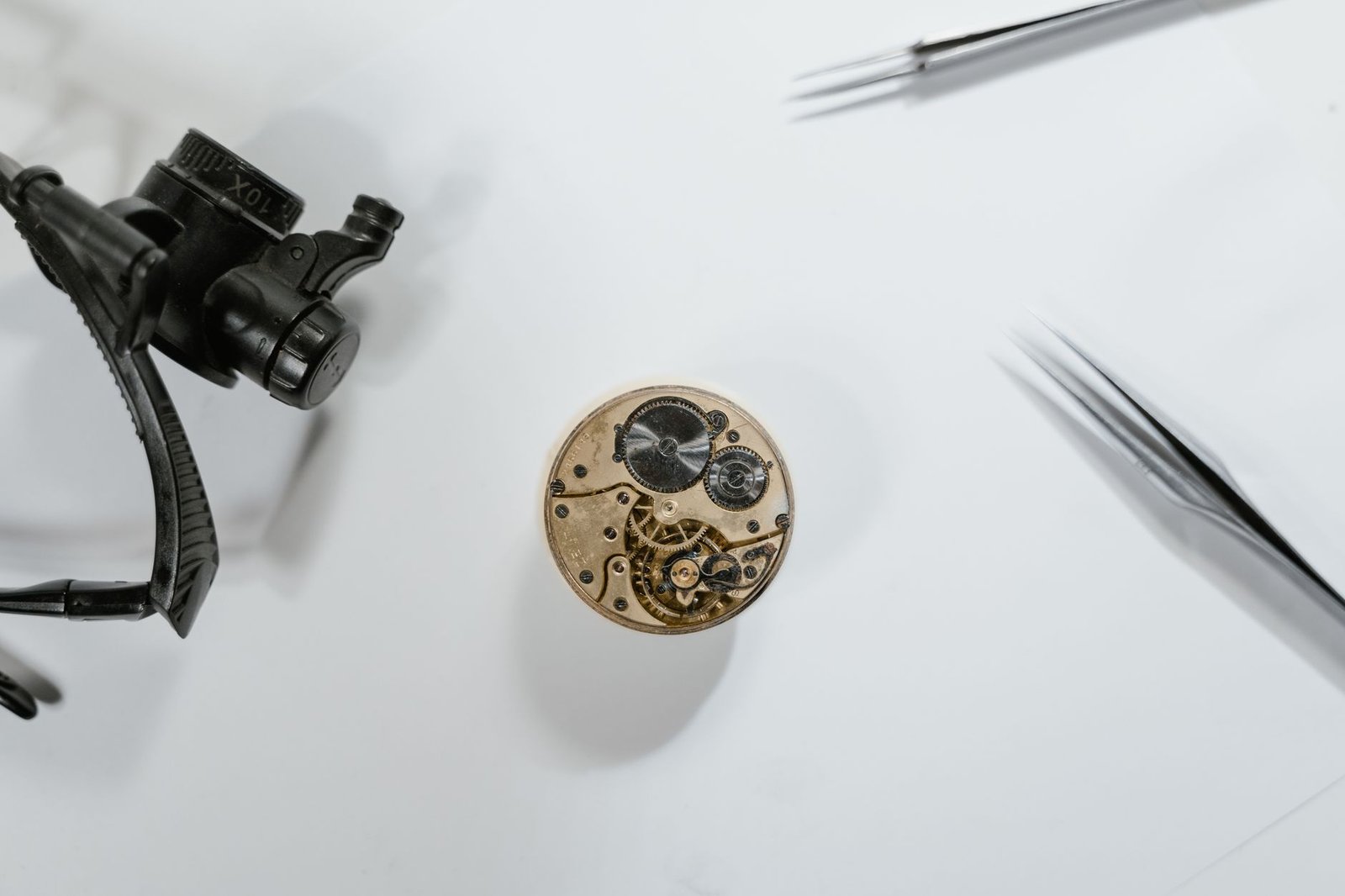
- Mechanical watches use springs and gears, powered by a mainspring that needs winding.
- Automatic mechanical watches wind themselves using the motion of your wrist.
- Quartz watches use a battery and a quartz crystal to keep time, offering great accuracy.
- The complexity and finishing of a mechanical movement significantly impact its value and collectibility.
- Understanding movements helps in appreciating a watch’s craftsmanship, accuracy, and potential for investment.
Mechanical Movements: The Traditional Heartbeat
Mechanical watches are the traditionalists of the watch world. They rely on a system of springs, gears, and levers to measure time. The main power source is a tightly wound spring, called the mainspring. As this spring slowly unwinds, it powers the gear train, which in turn moves the watch hands.
There are two main types of mechanical movements. The first is the manual-wind movement. These watches need to be wound by hand, usually by turning the crown. This is a ritual many watch lovers enjoy. It connects them directly to the watch’s operation. Think of it as a daily handshake with your timepiece.
The second type is the automatic (or self-winding) movement. These are more convenient. They have a rotor, a semi-circular weight that spins with the natural motion of your wrist. This spinning winds the mainspring automatically. You don’t need to wind it every day, as long as you wear it regularly. This innovation was a game-changer for practicality.
Quartz Movements: Precision and Convenience
Quartz movements took the watch industry by storm in the 1970s. They offer a different approach to timekeeping. Instead of a mainspring and gears, quartz watches use a battery. This battery sends an electric current through a tiny quartz crystal. The crystal vibrates at a very precise frequency, usually 32,768 times per second. An electronic circuit counts these vibrations and translates them into seconds, minutes, and hours, displayed on the dial.
The biggest advantage of quartz is its accuracy. They are far more accurate than most mechanical watches. They also tend to be more affordable. Many quartz watches can maintain accuracy within a few seconds per month. For everyday wear and reliability, quartz is hard to beat. The need for battery changes every few years is the main maintenance task.
Why Movements Matter to Collectors
For watch collectors, the movement is often the most critical component. A watch’s movement is a testament to its engineering and craftsmanship. Some movements are incredibly complex, featuring complications like chronographs (stopwatches), perpetual calendars (tracking dates, months, and years), or minute repeaters (chiming the time audibly).
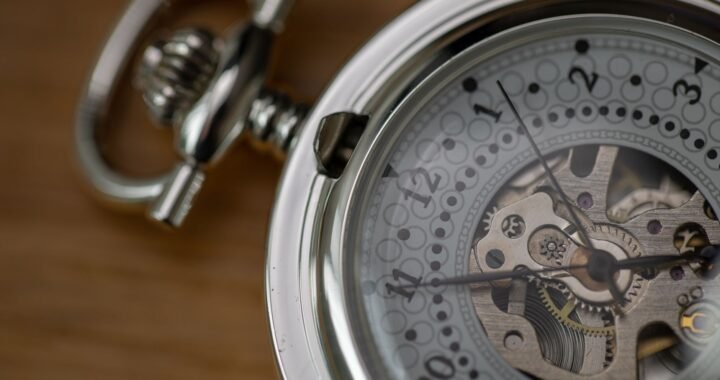
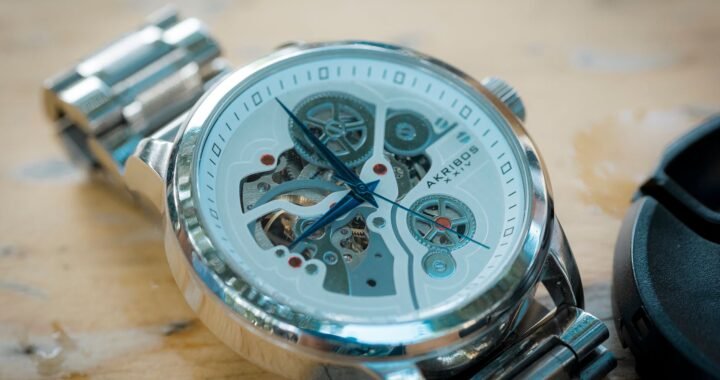
The finishing of a mechanical movement also adds significant value. Watchmakers often decorate high-end movements by hand. This can include techniques like Geneva stripes, perlage (circular graining), or anglage (chamfering edges). These decorative elements are often hidden behind a solid case back, but they represent a huge amount of skill and artistry. You can sometimes see these decorations on watches with clear case backs, often called “exhibition case backs.”
Rarity plays a role too. Movements produced in limited numbers or those from historically significant periods can be highly sought after. The brand’s heritage is also key. Brands known for their innovation and quality in movement production, like Patek Philippe or A. Lange & Söhne, command higher prices and collector interest.
Comparing Movement Types
When comparing watches, the type of movement is a fundamental difference. Here’s a quick look at the pros and cons:
| Feature | Mechanical (Manual-Wind) | Mechanical (Automatic) | Quartz |
|---|---|---|---|
| Power Source | Mainspring (hand-wound) | Mainspring (self-winding via rotor) | Battery |
| Accuracy | Good (varies by quality) | Good (varies by quality) | Excellent |
| Maintenance | Regular winding, periodic servicing | Regular wearing, periodic servicing | Battery changes, occasional servicing |
| Complexity/Artistry | High, often hand-finished | High, often hand-finished | Lower, relies on electronics |
| Cost (Generally) | Mid to Very High | Mid to Very High | Low to Mid |
| Collector Appeal | Very High | Very High | Lower (except for specific historical models) |
Choosing between them depends on your priorities. If you value tradition, craftsmanship, and the ritual of watchmaking, a mechanical watch is likely for you. If you prioritize accuracy, low maintenance, and affordability, quartz is a strong contender. Many enthusiasts own both, appreciating the unique qualities each brings.
The History of Watch Movements
The journey of the watch movement began with the invention of the mainspring in the 15th century. Early portable clocks were large and often inaccurate. Over centuries, watchmakers refined the design, improving accuracy and reducing size. The invention of the balance spring by Christiaan Huygens in 1675 was a major leap forward, leading to more stable timekeeping.
The 18th and 19th centuries saw significant advancements. Pocket watches became common, and the precision of their movements improved dramatically. The introduction of the automatic winding mechanism in the early 20th century, though experimented with earlier, finally gained traction and became a popular feature. The quartz revolution in the 1970s, spurred by companies like Seiko, drastically changed the market, making accurate timekeeping more accessible than ever before.
Despite the rise of quartz, mechanical watchmaking has endured. In fact, the appreciation for mechanical complexity and craftsmanship has grown. High-end brands continue to innovate, creating incredibly intricate and beautiful movements that are works of art. The debate between mechanical and quartz continues, but both have their place in horological history and the modern watch landscape.
Maintenance and Longevity
No matter the movement type, proper maintenance is key to a watch’s longevity. For mechanical watches, this means regular servicing. Typically, a mechanical watch should be serviced every 3 to 5 years. Servicing involves disassembling the movement, cleaning all the parts, lubricating them with specialized oils, and reassembling everything. This prevents wear and tear and ensures accurate timekeeping.
Automatic watches benefit from being worn regularly to keep the mainspring wound. If an automatic watch is left unwound for extended periods, the lubricants can dry out, leading to increased friction and wear. Manual-wind watches need to be wound gently, stopping when resistance is felt, to avoid damaging the mainspring.
Quartz watches are generally lower maintenance. The primary task is battery replacement. It’s important to have this done by a professional. They can ensure the seals are intact to maintain water resistance and check for any corrosion. Leaving a dead battery in a quartz watch for too long can sometimes damage the movement.
Frequently Asked Questions
What is the most accurate type of watch movement?
Quartz movements are generally the most accurate. They can typically stay within a few seconds of the correct time per month. High-end mechanical watches can be very accurate too, but they are more susceptible to environmental factors like gravity and temperature changes.
Is a manual-wind watch better than an automatic?
Neither is inherently “better.” It’s a matter of preference. Manual-wind watches offer a more hands-on connection to the watch. Automatic watches offer convenience by winding themselves with wrist movement. Both are respected forms of mechanical watchmaking.
Are expensive watch movements really that different?
Yes, they can be significantly different. High-end mechanical movements are often hand-finished, decorated, and made with more exotic materials. They are also typically more complex, featuring complications. The precision in manufacturing and assembly is also far greater, leading to better performance and longevity.
Can I convert a manual-wind watch to an automatic?
Generally, no. The movements are fundamentally different in their construction and require completely different parts. It would be far more practical and cost-effective to buy a watch with the desired movement type than to attempt such a conversion.
How do I know if a watch movement is high quality?
For mechanical watches, look for signs of excellent finishing, even on parts not usually visible. Reputable brands known for their in-house movements are a good indicator. High-end movements will also often feature advanced features or complications and be built to last for decades with proper care.
The movement inside your watch is more than just a timekeeping device. It’s a piece of engineering, a work of art, and a reflection of the watch’s history and value. Whether you prefer the traditional charm of a mechanical watch or the modern precision of a quartz timepiece, understanding its movement enriches your appreciation for the watch on your wrist.

[…] convenient for everyday wear. These early automatic movements are now also highly collectible. The complexity and engineering of the movement significantly impacts a watch’s […]