The Unseen Magic: Understanding the Heart of Your Luxury Watch

You see them on the wrists of celebrities, in vintage shops, and maybe even in your grandpa’s old jewelry box. Luxury watches. They look great, sure. But what’s really going on inside? It’s not just about telling time. It’s about engineering, art, and history all packed into a tiny machine. Today, we’re going to peek under the hood and talk about the mechanical movements that make these timepieces tick. Forget the flashy dials for a moment. We’re talking about the engine.
Key Takeaways
- Mechanical watch movements are complex systems of gears, springs, and levers that power a watch without batteries.
- Automatic movements wind themselves using the motion of your wrist, while manual movements require daily winding.
- High-quality movements often feature materials like ruby bearings and intricate finishing, visible on high-end pieces.
- Understanding a watch’s movement is crucial for appreciating its value, collectibility, and maintenance needs.
- The choice between automatic and manual winding depends on personal preference and how you plan to wear the watch.
What Makes a Mechanical Movement Tick?
So, what exactly is a mechanical movement? Think of it as the tiny, beating heart of your watch. It’s a marvel of engineering. It uses a mainspring, which is a coiled piece of metal, to store energy. When you wind the watch, this spring tightens. As the spring slowly unwinds, it powers a series of gears. These gears turn the watch’s hands at the correct speed. It’s all done without any electricity or batteries.
There are two main types of mechanical movements you’ll encounter. The first is the manual-wind movement. This is the most traditional kind. You have to manually turn the crown, usually every day, to tighten the mainspring. It’s a ritual. It connects you directly to the watch’s operation. Many vintage watches and some modern luxury pieces still use manual-wind movements.
The second type is the automatic movement, also known as a self-winding movement. This is where things get really clever. An automatic movement has a weighted rotor, often shaped like a half-moon, that swings back and forth as you move your wrist. This swinging motion winds the mainspring. So, as long as you wear the watch regularly, it stays wound and keeps ticking. It’s like a tiny perpetual motion machine on your wrist, powered by you!
The Allure of the Manual Wind
There’s a certain romance to a manual-wind watch. Winding your watch each morning becomes a moment of quiet reflection. You’re not just setting the time; you’re engaging with a piece of mechanical art. Brands like Patek Philippe and Jaeger-LeCoultre have made incredible manual-wind watches for decades. Owning one feels like holding a piece of history.
For example, the iconic Patek Philippe Calatrava often features manual-wind movements. Its simple, elegant design highlights the beauty of the mechanism inside. When you wind a manual watch, you can often feel the resistance build up. It’s a tactile experience that many enthusiasts cherish.
The Convenience of the Automatic
Automatic movements offer incredible convenience. You don’t have to worry about winding it every single day. Just put it on, and it starts working. This makes them very popular for daily wear. Many of the most famous watches in the world use automatic movements. Think of the Rolex Submariner or the Omega Seamaster. They are built for action and the automatic movement suits that purpose perfectly.
The technology behind automatic movements has also evolved. Modern ones are very reliable and can keep accurate time for long periods. They often have power reserves of 40 hours or more. This means they can keep running for a day and a half even if you take them off. Some high-end watches even have 70-hour or longer power reserves.
What Makes a Movement Valuable?
Several factors contribute to the value and collectibility of a watch movement. One is the brand heritage. Brands with a long history of watchmaking, like Vacheron Constantin or Breguet, often have movements that are highly sought after. They have built a reputation for quality and innovation over centuries.
Another key factor is the complexity of the movement. Movements with complications, like chronographs (stopwatches), perpetual calendars, or minute repeaters, are much rarer and more difficult to produce. These add significant value. A simple time-only watch is beautiful, but a watch that also tells you the date, day, month, and year, and corrects itself, is a mechanical masterpiece.
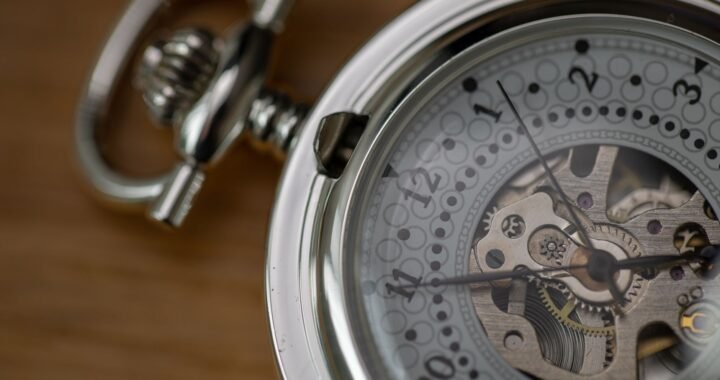
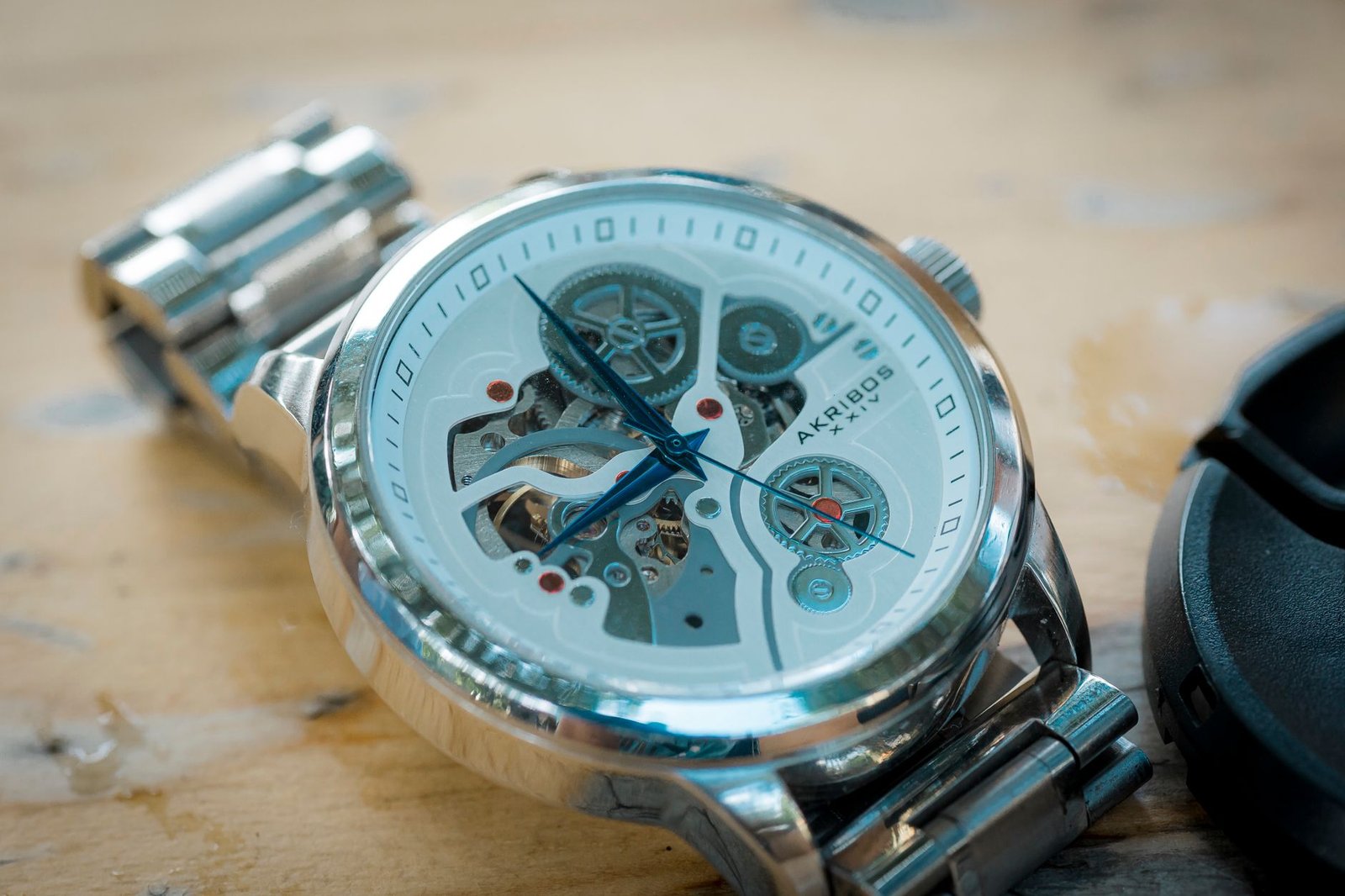
The materials used also play a role. While most watch movements use brass or nickel-silver for their plates and bridges, high-end pieces might use more exotic materials or feature precious metals. More importantly, the finishing on the movement is a big indicator of quality. Things like Côtes de Genève (Geneva stripes), perlage (a decorative granular pattern), and anglage (beveled edges on components) are signs of meticulous craftsmanship. Often, these beautiful decorations are hidden behind a solid case back, but in watches with display case backs, they are a key part of the visual appeal.
Rarity is also a huge factor. Movements produced in limited numbers, or older movements that are no longer in production, can be very collectible. Sometimes, a specific movement was only used for a short period or in a particular model, making it harder to find today. Provenance, or the history of ownership, can also add value, especially if the watch belonged to someone famous or has a documented interesting past.
Movement Types and Their Characteristics
Here’s a quick look at some common movement types and what makes them special:
| Movement Type | Winding Method | Power Source | Typical Features | Collectibility Factor |
|---|---|---|---|---|
| Manual-Wind | Crown winding | Mainspring | Simpler construction, thinner cases possible, direct user interaction | High (especially vintage or historically significant calibers) |
| Automatic (Self-Winding) | Wrist motion (rotor) | Mainspring | Convenient, rotor can add thickness, smooth operation | High (especially reliable, well-finished, or innovative designs) |
| Quartz | Battery | Battery | Highly accurate, low maintenance, often less expensive, less mechanical complexity | Low (for collectors of mechanical watches, though some vintage digital quartz are collectible) |
It’s important to note that this table focuses on mechanical movements. Quartz watches, which use a battery and a quartz crystal to keep time, are very accurate and affordable. However, they are generally not considered “luxury” or “collectible” in the same way as mechanical watches by serious enthusiasts, due to their lack of complex mechanical engineering.
Buying and Investing in Watches: Movement Matters
When you’re looking to buy a luxury watch, especially a vintage one, understanding the movement is key. It’s often the most important indicator of a watch’s quality and potential value. A watch with a robust, well-regarded movement from a reputable brand will generally hold its value better than one with a generic or poorly constructed movement.
For instance, movements from ETA, a Swiss company, are widely used in many watches across different price points. The ETA 2824 is a workhorse movement known for its reliability. Higher-end brands often modify these or use their own in-house calibers (movements designed and manufactured entirely by the brand). In-house movements can sometimes add to a watch’s prestige and value, as they represent a brand’s commitment to its own engineering and design.
When considering a watch as an investment, research is crucial. Look for brands with a strong track record. Understand which of their movements are considered benchmarks. For example, the Zenith El Primero movement, introduced in 1969, was one of the first automatic chronographs. It’s still highly respected and sought after today. Owning a watch with a historically significant movement can be a smart move for collectors.
Be wary of watches with “mismatched” parts. A beautiful vintage case with a generic, modern movement inside might not be a good investment. Authenticity is paramount. Always try to buy from reputable dealers or get an expert opinion. The movement is often the first place a counterfeit watch will show its flaws.
Watch Maintenance: Keeping the Heart Healthy
Mechanical watches, like any finely tuned machine, need regular maintenance. This is especially true for vintage pieces. Over time, the lubricants inside the movement can dry out or become dirty. This can cause increased friction, wear, and inaccuracy.
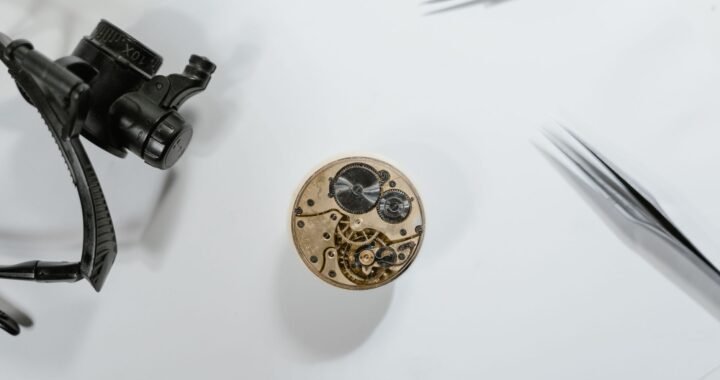
A full service typically involves disassembling the entire movement, cleaning all the parts, inspecting them for wear, replacing any worn components, reassembling the movement, lubricating it correctly, and then regulating it for accuracy. Most manufacturers recommend servicing every 5 to 7 years, depending on the watch and how it’s used. This might sound expensive, but it’s essential for preserving the watch’s function and value.
If you have a watch with a display case back, you can often see the movement at work. It’s fascinating to watch the balance wheel oscillate back and forth. However, be careful. Magnetic fields can affect mechanical watches. If your watch suddenly starts running very fast or very slow, it might have become magnetized. A watchmaker can demagnetize it quickly.
Famous Movements and Their Stories
Some watch movements have become legends in their own right. The aforementioned Zenith El Primero is a prime example. Its high-frequency beat (36,000 vibrations per hour) allows for precise timing to one-tenth of a second. It was revolutionary when it debuted and is still a benchmark for chronograph movements. Zenith still produces watches with updated versions of this movement today.
Another significant movement is the Rolex Caliber 3135. This automatic movement powers many of Rolex’s most famous watches, including the Submariner and Datejust. It’s known for its incredible durability, reliability, and resistance to shocks and magnetism, thanks to its Parachrom hairspring. It’s a testament to Rolex’s focus on building robust, everyday-wearable luxury watches.
Consider the Patek Philippe Caliber 89. This isn’t a wristwatch movement, but a pocket watch movement created for one of the most complicated timepieces ever made. It had 33 complications and 1,728 components. While not something you’d wear daily, it represents the absolute pinnacle of mechanical watchmaking ambition and skill. Movements like these push the boundaries of what’s possible.
Frequently Asked Questions
What is the difference between a mechanical and an automatic watch?
A mechanical watch uses a mainspring and gears to keep time. An automatic watch is a type of mechanical watch that winds itself using the motion of your wrist. A manual-wind mechanical watch requires you to wind the crown by hand.
Do I need to wind my automatic watch every day?
No, you generally don’t need to wind an automatic watch every day. As long as you wear it regularly, the movement of your wrist will keep the mainspring wound. If you don’t wear it for a few days, you might need to wind it manually to get it started again.
Are mechanical watches more accurate than quartz watches?
Quartz watches are typically much more accurate than mechanical watches. A standard quartz watch might gain or lose only a few seconds per month. Mechanical watches, even very expensive ones, can gain or lose several seconds per day. However, the appeal of mechanical watches is in their intricate engineering and craftsmanship, not just their accuracy.
How often should a luxury watch be serviced?
Most watch manufacturers recommend servicing a mechanical watch every 5 to 7 years. This ensures that the lubricants are fresh and all parts are functioning correctly. Neglecting servicing can lead to increased wear and potential damage to the movement over time.
Can a watch movement significantly increase a watch’s value?
Yes, absolutely. The movement is the “engine” of the watch. A complex, rare, historically significant, or beautifully finished in-house movement from a prestigious brand can dramatically increase a watch’s value and desirability for collectors.
The Enduring Appeal of Mechanical Watchmaking
The world of mechanical watch movements is deep and fascinating. It’s where engineering meets art, and tradition meets innovation. Whether you prefer the ritual of winding a manual watch or the effortless convenience of an automatic, understanding the heart of your timepiece is the first step to truly appreciating its magic. For your next watch purchase, consider looking beyond the dial and dial color, and focus on the incredible mechanics within.