Beyond the Brand: Why Patina Makes Vintage Watches Irresistible

Vintage watches are more than just timekeeping devices. They carry stories. They show their age. This aging, called patina, is what makes many collectors fall in love. It’s not about damage. It’s about character. Let’s look at what makes patina so special in vintage watches.
Key Takeaways
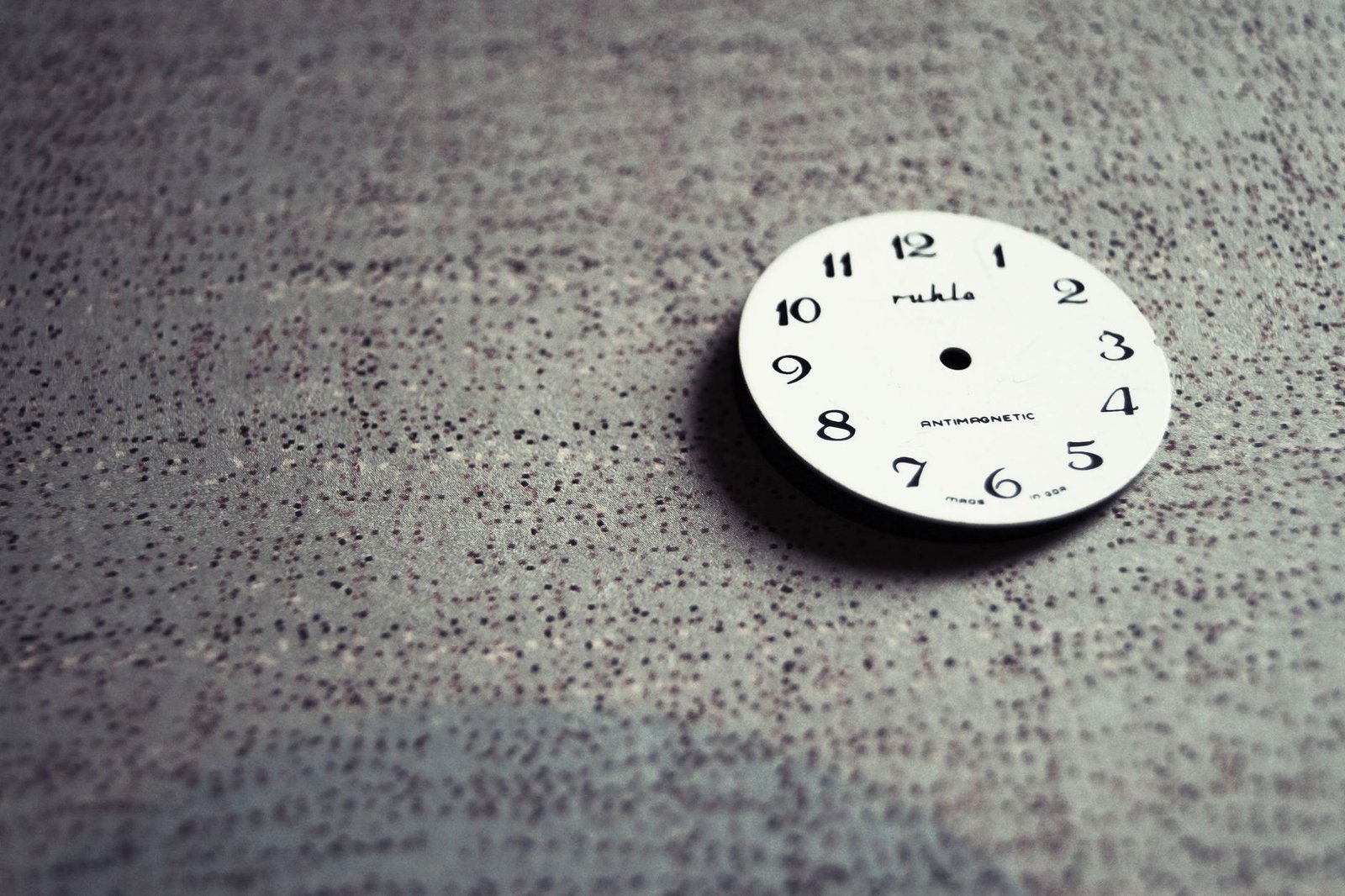
- Patina on a vintage watch is the natural aging of its materials, like the dial or case.
- Evenly aged dials, especially those with “spiderwebbing” or tropical discoloration, are highly sought after.
- Originality is key; patina should look natural, not like it was artificially created or damaged.
- The case material significantly influences how patina develops, with brass and certain steels showing distinct aging.
- Understanding and appreciating patina is crucial for both collecting and investing in vintage timepieces.
What Exactly Is Patina?
Patina refers to the surface discoloration that develops on materials over time. Think of the green on an old bronze statue or the darkening of a silver spoon. In watches, this happens to the dial, the case, and sometimes even the hands or hour markers. It’s a sign that the watch has lived a life. It shows it has been exposed to different environments and handled by people over the years.
It’s important to remember that patina isn’t always good. A cracked dial or heavily corroded case is usually undesirable. We are talking about the subtle, beautiful changes that enhance a watch’s appearance and history. A well-aged watch tells a story without saying a word.
The Allure of the Aged Dial
The dial is often the most expressive part of a watch. Its aging can be particularly fascinating. One common type of patina is called “tropicalization.” This is when a black or dark-colored dial fades to a brown or even reddish hue. This often happens due to prolonged exposure to sunlight and humidity.
Another desirable form of dial patina is “spiderwebbing.” This refers to fine, hairline cracks that appear all over the dial’s surface, resembling a spider’s web. It’s most common on older lacquer dials. When done naturally, it adds a unique texture and depth that is impossible to replicate.
Collectors also look for evenly aged luminous elements. The tritium or radium on hour markers and hands can age to a creamy, ivory, or even a deep amber color. A consistent color across the dial and hands is usually a sign of originality. Mismatched lume can sometimes indicate that parts have been replaced, which can reduce a watch’s value.
Case Materials and Their Aging Stories
The metal of the watch case also develops its own kind of patina. Stainless steel can develop a warm luster or subtle scratches that show use. However, steel is generally quite stable. Other materials show more dramatic changes.
Brass, used in some vintage watch cases and components, can develop a rich, dark patina. This often happens quickly. Gold cases can develop a softer sheen over time. They might show small dents or scratches that tell tales of daily wear. They don’t usually “corrode” like cheaper metals might.
The way a watch ages also depends on its environment. A watch worn daily in a humid climate will likely develop patina differently than one kept in a dry safe. This is why understanding a watch’s history, or provenance, can be so important. Sometimes, a watch’s unique aging pattern is linked to a specific owner or place.
The Value of Originality and Natural Aging
In the vintage watch world, originality is king. This applies to patina as well. Collectors highly value watches that show natural signs of aging. Artificial aging, or “re-patination,” is frowned upon. It’s an attempt to fake history and value.
How can you tell if patina is natural? It often has a subtle, organic quality. Artificial aging might look too uniform or have unnatural textures. For example, a dial that looks uniformly browned all over without any hints of its original color might be suspect. Or, if the aging looks too much like damage, like deep scratches or peeling paint, it’s probably not desirable patina.
Authenticity is crucial. A watch that has been restored too heavily, with a relumed dial or polished case that removes all original lines, loses much of its vintage appeal. The patina, the marks of time, are part of what makes a vintage watch special. They connect us to the past.
Collecting Watches with Patina
When looking for a vintage watch with appealing patina, a few things are worth considering. First, research the specific models you are interested in. Understand how their dials and cases typically age. Some brands and models are known for developing particularly beautiful patina.
For example, vintage Rolex watches, especially those with black dials, are famous for tropicalization. Many Patek Philippe and Omega models also develop wonderful, characterful aging. Look at auction results and collector forums to see what is considered desirable. You’ll see many examples of watches with brown dials or cream-colored lume.
Don’t shy away from a watch that isn’t “mint.” A little bit of natural wear and aging can make a watch more interesting and often more affordable. The key is to find a watch where the patina tells a positive story, rather than one of neglect or damage.
Investment Potential and Patina
Does patina affect a watch’s value as an investment? Yes, it absolutely can. While a “like new” vintage watch might seem more valuable, a watch with rare and attractive patina can command significantly higher prices. This is especially true for dial discoloration like tropical brown dials or evenly aged, creamy lume.
Consider the Rolex Submariner. A vintage Submariner with a dial that has turned a deep brown from sun exposure can be worth far more than an identical model with a perfect black dial. This is because these tropical dials are rare and highly sought after by collectors. The “story” the patina tells adds tangible value.
However, not all patina is a value-booster. As mentioned, artificial aging or significant damage will hurt value. Buyers often pay a premium for originality. A watch that has been kept in good condition but still shows natural signs of its age will generally be a better investment than one that has been overly polished or repaired.
Maintenance and Authentication Considerations
When you own a vintage watch with patina, how should you care for it? Generally, less is more. Avoid harsh chemicals or aggressive cleaning methods. These can damage the aged surfaces, especially delicate lacquer dials.
Regular servicing by a qualified watchmaker is important. However, be very clear with your watchmaker about your preferences regarding patina. Ask them not to polish the case if you want to preserve the original lines and any case patina. Discuss whether dial or hand restoration is necessary or desired. Sometimes, a slightly aged look is better than a brand-new, sterile appearance.
When authenticating a vintage watch, patina can be a key indicator. Natural aging patterns are hard to fake convincingly. Look for consistency in the aging of different elements. Does the lume color match across the hands and markers? Does the dial aging look organic? Comparing your watch to known examples online or in books can help you spot inconsistencies that might suggest a fake or heavily altered watch.
Frequently Asked Questions
What is the most desirable type of dial patina?
The most desirable types of dial patina are often considered to be “tropicalization” (black dials turning brown or reddish) and evenly aged, creamy or ivory-colored luminous hour markers and hands. Spiderwebbing on lacquer dials is also highly valued by many collectors.
Can patina be created artificially?
Yes, unfortunately, patina can be created artificially. This is often done by watch dealers or enthusiasts trying to increase a watch’s perceived value. However, experienced collectors can usually spot artificial aging because it often looks too uniform, lacks natural character, or has unnatural textures.
How does case material affect patina?
Different case materials age differently. Stainless steel tends to develop a warm luster and fine scratches. Brass can develop a dark, rich patina relatively quickly. Gold cases might show a softer sheen and minor dents. Materials like plated watches can sometimes show wear-through, revealing the base metal, which is usually not considered desirable patina.
Is a heavily polished watch with no patina still valuable?
A heavily polished watch will typically be worth less than an unpolished example with original case lines, even if the unpolished one shows some wear. Collectors often prefer watches that retain their original case proportions and surfaces. While a watch can still be valuable if it’s been polished, its investment potential and collectibility are usually reduced.
Should I buy a vintage watch with some damage but interesting patina?
This depends on your goals. If you are looking for an investment piece, it’s usually better to buy a watch with desirable patina and minimal damage. However, if you are looking for a watch with character and a story, and you understand the risks, a watch with some minor, natural wear might be appealing. Always factor in the cost of potential future repairs or restoration.
How can I learn more about specific watch patinas?
The best way to learn is by looking at examples. Follow reputable vintage watch dealers and auction houses online. Visit collector forums and dedicated watch blogs. Pay attention to descriptions and photos of watches being sold. Reading books about specific brands or watch history can also provide valuable insights into how different models age.
The Enduring Story on Your Wrist
Patina is more than just aging; it’s the life story etched onto a timepiece. It’s a visual record of its journey through time and experiences. Appreciating patina means appreciating the watch’s history and originality. When you find a vintage watch with beautiful, natural patina, you’re not just buying a watch. You’re acquiring a piece of history with a unique character that no new watch can ever replicate.