The 2026 Reality of Lab-Grown Diamonds: Shining Brighter Than Ever

Lab-grown diamonds are not new. But in 2026, they’ve reached a point where they are truly changing the jewelry game. They are more accessible, more sustainable, and frankly, more beautiful than ever before. If you’re thinking about buying a diamond, or even if you just love shiny things, you need to know what’s happening with these gems right now.
Key Takeaways
- Lab-grown diamonds in 2026 offer significant cost savings compared to mined diamonds, with prices up to 70% lower for comparable quality.
- The environmental impact of lab-grown diamonds is considerably lower, using 90% less water and producing 75% less greenhouse gas emissions than traditional mining.
- Technological advancements have made lab-grown diamonds indistinguishable from mined diamonds to the naked eye, with gemological labs using advanced equipment to differentiate them.
- The market for lab-grown diamonds is projected to reach $20 billion by 2030, showing strong consumer acceptance and growth.
- Consumers are increasingly educated about the ethical and environmental benefits, driving demand for these diamonds.
The Diamond Disruption of 2026
For decades, the diamond industry was pretty much set. Mined diamonds ruled. They were seen as the ultimate symbol of love and luxury. But that’s changing fast. Lab-grown diamonds, also called synthetic or cultured diamonds, have been around for a while. However, 2026 is a big year. The technology has improved so much. Now, these diamonds are not just a cheaper alternative. They are a superior choice for many people.
Think about it. You can get a diamond that looks exactly the same, has the same sparkle, and the same durability. But it costs a lot less. And it’s better for the planet. That’s a pretty compelling reason to pay attention. We’re seeing this shift happen right now, and it’s reshaping how we think about buying diamonds.
How Are They Made? The Science Behind the Sparkle
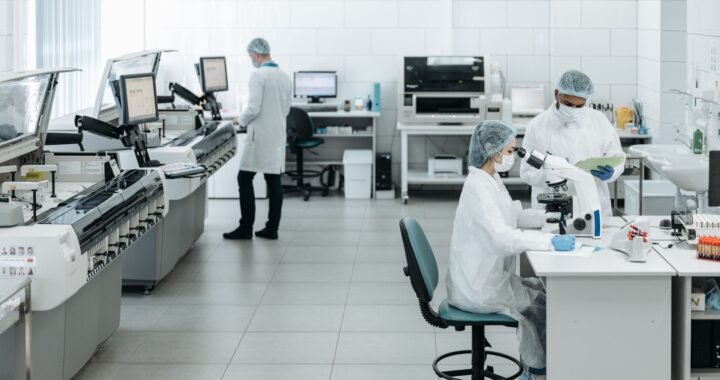
It’s not magic. It’s science. Lab-grown diamonds are created in a controlled environment. The most common methods are High Pressure, High Temperature (HPHT) and Chemical Vapor Deposition (CVD). Both methods start with a tiny diamond seed. This seed is placed in a special machine.
High Pressure, High Temperature (HPHT)
The HPHT method mimics the conditions deep inside the Earth where natural diamonds form. A diamond seed is put into a press. It’s surrounded by carbon and metals. Then, extreme pressure and heat are applied. This causes the carbon to crystallize around the seed. It grows into a larger diamond. This process can take several weeks.
Chemical Vapor Deposition (CVD)
CVD is a bit different. A diamond seed is placed in a vacuum chamber. The chamber is filled with carbon-rich gases. These gases are heated to very high temperatures. The gases break down. Carbon atoms then attach to the diamond seed. They build up layer by layer. This method is also very effective. It can produce high-quality diamonds.
Both HPHT and CVD methods result in real diamonds. They have the same chemical composition (pure carbon) and crystal structure as mined diamonds. They are not “fakes” or “simulants” like cubic zirconia. Those are different materials altogether.
Why 2026 is the Year for Lab-Grown
So, what makes 2026 so special? It’s a combination of factors. First, the quality has reached an all-time high. Advances in technology mean that the clarity and color of lab-grown diamonds are now on par with, and sometimes even better than, many mined diamonds. We’re talking D color, Flawless clarity diamonds being produced consistently.
Second, the cost difference is significant. You can often find a lab-grown diamond that is one or even two carats larger than a mined diamond for the same price. Imagine a 2-carat, beautifully cut, near-colorless lab-grown diamond for around $4,000 to $6,000. A similar mined diamond could easily cost $15,000 to $20,000 or more. This makes dream engagement rings much more achievable.
Third, sustainability is a huge driver. Mining diamonds has a big environmental footprint. It uses a lot of energy and water. It can also cause land disruption. Lab-grown diamonds, while still requiring energy, have a much smaller impact. Studies show they use up to 90% less water and produce about 75% fewer greenhouse gas emissions compared to mining. For consumers who care about the planet, this is a major selling point. The industry is also becoming more transparent about energy sources, with many producers using renewable energy.
The Price Is Right: A 2026 Comparison
Let’s look at some numbers. Prices for lab-grown diamonds have been steadily declining. This is due to increased production efficiency and competition. Mined diamond prices, while sometimes fluctuating, tend to remain high due to controlled supply chains. Here’s a general idea of what you might expect to pay in 2026 for a 1-carat, very good to excellent cut, G color, VS1 clarity diamond:
| Diamond Type | Estimated Price Range (USD) | Notes |
|---|---|---|
| Lab-Grown Diamond | $2,000 – $4,000 | Excellent value, indistinguishable from mined to the untrained eye. |
| Mined Diamond | $6,000 – $10,000+ | Higher price due to extraction costs, perceived rarity, and marketing. |
These are just estimates. Actual prices depend on the specific 4Cs: cut, color, clarity, and carat weight. But the trend is clear. You get more diamond for your money with lab-grown options. This price difference allows people to afford larger stones, better quality, or simply save money for other life goals, like a down payment on a house or starting a family.
Beyond the Engagement Ring: Other Uses
While engagement rings are a huge market for lab-grown diamonds, their applications go much further. Because they can be produced to exact specifications, they are increasingly used in other areas:
- Industrial Tools: Their hardness and durability make them perfect for cutting, grinding, and polishing tools.
- Electronics: High-quality diamonds can be used in specialized electronic components for their thermal conductivity and electrical insulation properties.
- Medical Devices: Biocompatible diamond films are being explored for use in implants and surgical tools.
- Scientific Research: Diamonds are used in various scientific instruments due to their unique physical properties.
The consistency and purity achievable in a lab setting are key advantages here. It allows for diamonds with specific properties tailored for these demanding applications.
What About the “Feel”? Are They Real Diamonds?
This is a common question. And the answer is yes, they are absolutely real diamonds. They have the same physical, chemical, and optical properties as mined diamonds. They are just made differently. They are not simulants like cubic zirconia or moissanite. Those materials have different compositions and sparkle differently.
To the naked eye, a lab-grown diamond and a mined diamond of the same quality look identical. Even experienced jewelers often cannot tell the difference without specialized equipment. Gemological laboratories, like the Gemological Institute of America (GIA), use advanced technology to distinguish them. They look for subtle growth patterns or trace elements that indicate the diamond’s origin. But for everyday wear and enjoyment, they are indistinguishable.
Navigating the Market: What to Look For in 2026
Buying a diamond, whether mined or lab-grown, can still feel overwhelming. Here are some tips for navigating the market in 2026:
Understand the 4Cs
The 4Cs (Cut, Color, Clarity, Carat) still apply. A good cut is crucial for sparkle. Color grading is from D (colorless) to Z (light yellow/brown). Clarity grades range from Flawless (no inclusions) to Included (visible imperfections). Carat is the weight of the diamond.
Choose a Reputable Seller
Look for jewelers who are transparent about whether a diamond is mined or lab-grown. Many reputable online and brick-and-mortar stores now offer both. Do your research on the seller’s return policy and customer reviews.
Get a Certificate
Insist on a grading report from a reputable gemological laboratory. For lab-grown diamonds, reports from GIA, IGI (International Gemological Institute), or GCAL (Gem Certification and Assurance Lab) are common. These reports detail the diamond’s characteristics and confirm its origin.
Consider the Setting
The metal of the setting can affect the overall look and price. Platinum and 18k gold are popular choices for engagement rings. Consider your lifestyle; a lower-profile setting might be better for someone very active.
Don’t Be Afraid to Ask Questions
A good jeweler will be happy to explain the differences, show you different options, and help you find the perfect stone within your budget. Ask about the diamond’s origin, its specific grading report, and any treatments it may have undergone (though treatments are less common and usually disclosed for lab-grown diamonds).
Frequently Asked Questions
Is a lab-grown diamond a real diamond?
Yes, a lab-grown diamond is a real diamond. It is made of the same material (pure carbon) and has the same physical, chemical, and optical properties as a mined diamond. The only difference is its origin.
Are lab-grown diamonds cheaper than mined diamonds?
Yes, lab-grown diamonds are significantly cheaper. You can expect to pay between 50% and 70% less for a lab-grown diamond compared to a mined diamond of similar size and quality in 2026.
Can you tell the difference between a lab-grown and a mined diamond?
To the naked eye, no, you cannot tell the difference. Specialized gemological equipment is required to distinguish between them, usually by examining their growth patterns.
Are lab-grown diamonds ethical?
Many people consider lab-grown diamonds more ethical. They avoid the potential issues associated with diamond mining, such as conflict diamonds, poor labor conditions, and significant environmental impact.
What is the environmental impact of lab-grown diamonds?
Lab-grown diamonds have a considerably lower environmental impact than mined diamonds. They use less water and produce fewer greenhouse gas emissions. However, the energy source used for production still matters.
Will lab-grown diamonds hold their value?
Like all diamonds, the value of lab-grown diamonds is influenced by market demand and supply. While they are currently much more affordable, their value is more tied to their production cost and market price rather than the perceived rarity that drives mined diamond prices.
The Future Is Bright
The rise of lab-grown diamonds in 2026 isn’t just a trend; it’s a fundamental shift in the market. They offer a beautiful, ethical, and affordable alternative for anyone looking for diamond jewelry. As technology continues to advance and consumer awareness grows, lab-grown diamonds are set to become the standard for conscious consumers. If you’re in the market for a diamond, exploring your lab-grown options is a smart move in 2026.