Beyond the Brand: What Makes a Vintage Watch Truly Valuable?

We often see vintage watches selling for crazy money. Sometimes it’s a famous brand like Rolex or Patek Philippe. But what actually makes a specific watch worth so much? It’s not always just the name on the dial. Many factors go into making a vintage timepiece a valuable collectible. Let’s look beyond the famous names and see what really matters to collectors and investors in 2026.
Key Takeaways
- A watch’s movement, especially a high-quality mechanical one, significantly impacts its value.
- Rare watches, produced in limited numbers or with unique features, command higher prices.
- The materials used, such as gold, platinum, or specific exotic alloys, affect desirability and price.
- Provenance, meaning the watch’s history of ownership, can add substantial value if it belonged to someone famous or important.
- Originality and condition are crucial; a watch that is well-preserved and hasn’t been heavily modified is more valuable.
The Heart of the Watch: Movements and Mechanics
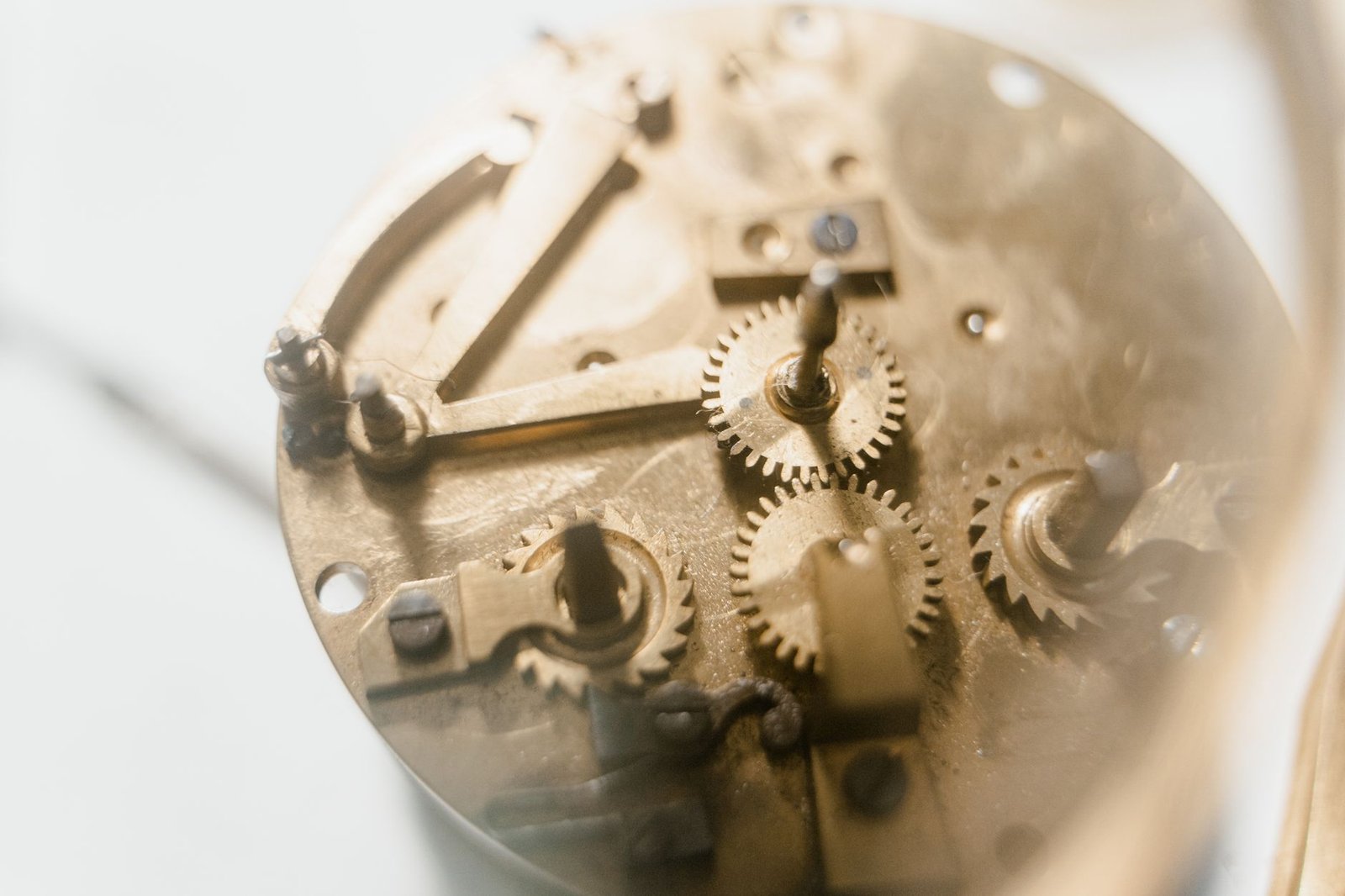
When you’re looking at a vintage watch, the first thing to consider is its engine , the movement. This is the complex system of gears, springs, and levers that makes the watch tick. For collectors, mechanical movements are generally more desirable than quartz movements, which use batteries.
Mechanical movements themselves come in different types: manual wind and automatic (also called self-winding). Manual wind watches require you to turn the crown regularly to keep them wound. Automatic watches are wound by the motion of your wrist. High-end mechanical movements are often decorated with special finishes like Geneva stripes or perlage. These details show a higher level of craftsmanship. A well-maintained, in-house movement from a respected brand is a big plus.
For example, the Valjoux 72 chronograph movement, found in many vintage chronographs from brands like Breitling and Universal Genève, is highly regarded. Its robust construction and reliable performance make watches equipped with it very sought after. A watch with a clean, original movement that runs accurately is far more valuable than one with a worn-out or replaced movement. The complexity of the movement also matters. Complicated watches might have features like chronographs (stopwatches), perpetual calendars, or moon phases. These add to the watch’s mechanical interest and rarity. You can learn more about these fascinating features in Beyond the Dial: Uncovering the Stories of Vintage Watch Complications.
Rarity and Materials: What Makes it Special?
Scarcity plays a huge role in a watch’s value. If only a few hundred of a particular model were ever made, it’s naturally going to be more collectible than a model produced in the tens of thousands. Limited editions, special runs for specific retailers, or watches made with unusual dial colors or configurations are all examples of rarity.
The materials used also significantly impact value. While stainless steel is popular for sports watches, watches made from precious metals like 18-karat gold, platinum, or even rarer alloys can command much higher prices. The condition of these materials is also important. A gold watch with heavy dents or scratches will be worth less than one in excellent shape. Some collectors also appreciate watches made with specific types of case or dial materials, like Bakelite or rare enamels.
Consider the Omega Speedmaster “Ed White” from the 1960s. While many Speedmasters exist, this specific model was issued to astronauts for space missions. Its historical significance and limited production for that specific purpose make it incredibly rare and valuable compared to standard production models from the same era. In 2026, a well-preserved stainless steel Speedmaster “Ed White” can fetch upwards of $50,000, while a gold version could be significantly more.
Brand Heritage and Provenance: The Story Behind the Watch
Some watch brands have a long history of innovation and quality. Brands like Rolex, Patek Philippe, Audemars Piguet, and Vacheron Constantin have built reputations over decades, even centuries. This heritage adds a layer of trust and prestige that collectors value. A watch from a brand with a strong legacy often holds its value better and is more desirable.
Provenance is another crucial factor, especially for high-value pieces. This refers to the history of ownership. If a watch can be traced back to a famous person , a politician, a movie star, a historical figure, or even a known watch collector , its value can skyrocket. For instance, a watch owned by Paul Newman, or even just a watch he was known to wear, is worth millions. Documented proof of ownership, such as old receipts, letters, or even photographs, adds significant credibility and value.
The story of the Rolex Daytona ref. 6239 that belonged to Paul Newman is a prime example. This watch sold for a staggering $17.75 million in 2017, largely due to its connection with the famous actor. While most watches don’t have such dramatic provenance, any documented history that adds to the watch’s narrative can make it more interesting and valuable to a buyer. Even a watch with a detailed service history from a reputable watchmaker can be considered a form of provenance, showing the watch has been cared for.
Condition and Originality: Preserving History
When buying vintage watches, condition and originality are paramount. A watch that looks like it has been through a war will be worth much less than one that has been carefully preserved. Collectors look for several things:
- Case Condition: Are the lugs (the parts where the strap attaches) sharp and well-defined? Is the case polished too many times, losing its original lines?
- Dial Condition: Is the dial clean and free of major damage like rust spots, scratches, or lifting markers? Some collectors actually prize “patina” , a natural aging of the dial that gives it a unique character. However, this is different from damage.
- Hands and Markers: Are the original hands and hour markers present? Have they been replaced with non-original parts?
- Crystal: Is the original crystal (the glass over the dial) present? Acrylic crystals, common on vintage watches, can be easily scratched but are also easy and inexpensive to replace if needed.
- Bracelet/Strap: Is the original bracelet or strap included? If so, is it in good condition? Original bracelets, especially popular ones like the Rolex Oyster or Jubilee, can be very valuable on their own.
Originality is key. A watch with its original dial, hands, crown, and even bezel insert is far more desirable than one that has had many parts replaced. While some minor repairs or servicing are expected and necessary, a watch that remains as close to its original factory condition as possible will always be more valuable. For example, a Rolex Submariner ref. 5513 from the 1970s with its original bezel insert, dial, and hands, and an unpolished case, would be worth significantly more than a similar watch that has been heavily restored or had incorrect parts fitted.
Buying and Investing in Vintage Watches
So, you’re interested in buying a vintage watch, perhaps as a personal enjoyment piece or even an investment. It’s a smart move, but you need to be careful. The market is full of amazing pieces, but also fakes and watches that have been misrepresented.
Where to Buy: Reputable dealers, established auction houses (like Christie’s or Sotheby’s), and trusted online platforms are generally safer bets than random flea markets or unverified online sellers. Always research the seller and check their return policies.
What to Look For: Stick to brands and models with a proven track record of holding value. Research prices from recent sales at auction or from reputable dealers to get a sense of fair market value. Never buy a watch sight unseen if you can avoid it, especially for higher-priced items. If buying online, ask for detailed, high-resolution photos and videos of the watch from all angles, including the movement if possible.
Common Pitfalls: One of the biggest mistakes is buying a watch that has been heavily “restored” to look new. Over-polishing cases, replacing original dials with service dials (which are made later by the brand), or fitting incorrect hands can destroy a watch’s originality and value. Always ask if a watch has been serviced and what was done. A watch that has been recently serviced by a reputable watchmaker is a good sign. For example, a 1960s Omega Seamaster with its original “tropical” dial (a dial that has aged to a warm brown color) would be highly valued, but if the dial was replaced with a pristine white service dial, its collector value would drop dramatically.
Investing: While many vintage watches appreciate over time, they are not guaranteed to. The market can fluctuate. Think of it as a passion investment. You should buy watches you genuinely love and appreciate, as their value is secondary to your enjoyment. The best investments are often watches that are rare, in excellent original condition, from reputable brands, and have a strong historical or design significance. For instance, certain early Patek Philippe Nautilus models or specific vintage Rolex Daytona references continue to see strong appreciation in 2026.
Watch Maintenance and Authentication
Once you own a vintage watch, taking care of it is crucial. Even the most valuable watch can be ruined by neglect. Regular servicing is important, typically every 3 to 5 years for a mechanical watch. This involves disassembling the movement, cleaning all the parts, lubricating them, and reassembling. It also includes checking and replacing seals to maintain water resistance, though you should generally avoid getting vintage watches wet unless you know they have been professionally pressure tested and sealed.
Authentication is also key, especially if you’re buying an expensive piece. How can you tell if a watch is real? For high-value watches, consider getting an expert opinion or a certificate of authenticity from the brand itself if possible. However, this can be difficult or impossible for very old watches. Look for consistency: does the dial font match known examples? Are the serial numbers correct for the period? Does the movement look correct for the reference number? Are the markings on the case back accurate? Fakes often have subtle errors in details that an experienced eye can spot.
A common authentication check involves looking at the movement. For example, a Patek Philippe watch should have a Patek Philippe movement, marked with the brand’s name. If a watch supposedly from the 1950s has a modern-looking quartz movement, it’s almost certainly a fake. Similarly, a Rolex watch should have a Rolex-stamped movement. If you are unsure, it is always best to consult with a trusted watchmaker or dealer before purchasing a significant vintage timepiece.
Frequently Asked Questions
What is the most important factor for a vintage watch’s value?
There isn’t one single “most important” factor, as value is a combination of many elements. However, for many collectors, originality and condition are extremely high priorities. A rare watch with a replaced dial or a heavily polished case often loses significant desirability and value compared to a less rare but more original example.
Are vintage watches still a good investment in 2026?
Vintage watches, particularly from well-established brands and iconic models, continue to be seen as a solid passion investment. While the market can be volatile, pieces with strong historical significance, rarity, and excellent original condition tend to hold their value and appreciate over time. However, it’s crucial to buy what you love and understand the risks involved, as not all vintage watches will increase in value.
How much does it cost to service a vintage watch?
The cost of servicing a vintage watch can vary widely depending on the complexity of the movement, the brand, and the watchmaker’s rates. A basic manual wind movement might cost between $300 and $700, while a complex chronograph or a highly complicated watch from a luxury brand could cost $1,000 to $3,000 or even more. It’s always best to get a quote before agreeing to service.
What is “patina” on a vintage watch?
Patina refers to the natural aging of a watch’s components over time. This can include a slight yellowing or darkening of the dial, oxidation on the hands, or a warm glow on luminous hour markers. While some collectors find patina adds character and authenticity, it’s important to distinguish it from damage or decay. Some types of patina, like “tropical” dials on certain watches, are highly desirable and increase value.
Should I buy a restored vintage watch or one in original condition?
Generally, a watch in original condition, even if showing some signs of age, is more valuable and desirable to serious collectors than a heavily restored one. Restoration often involves polishing the case, replacing the dial, or fitting non-original parts. While a restored watch might look “newer,” it loses its historical authenticity and collector appeal. Unless the watch is in very poor condition, original is almost always preferred.
What is the difference between a vintage watch and a pre-owned watch?
The term “vintage” typically refers to watches that are at least 20 to 30 years old, often with a focus on classic designs and historical significance. “Pre-owned” is a broader term that includes any watch that has had a previous owner, regardless of age. A pre-owned watch could be just a few years old, while a vintage watch is always pre-owned and typically much older.
The Enduring Appeal of Vintage Timepieces
Vintage watches offer a connection to history and craftsmanship that modern timepieces sometimes lack. By understanding the factors that contribute to their value, from the intricate mechanics within to the stories they carry, you can better appreciate these mechanical marvels. Whether you’re buying for passion or investment, informed decisions lead to more satisfying ownership. Always prioritize originality, condition, and provenance when seeking your next vintage treasure.