The 2026 Space Race: Who’s Leading the Private Sector Charge?

Forget nations. The real action in space exploration right now is happening with private companies. They’re not just dreaming about rockets anymore; they’re building them, launching them, and even planning for bases on the Moon and Mars. It’s a totally different ballgame than it was even a few years ago.
Key Takeaways
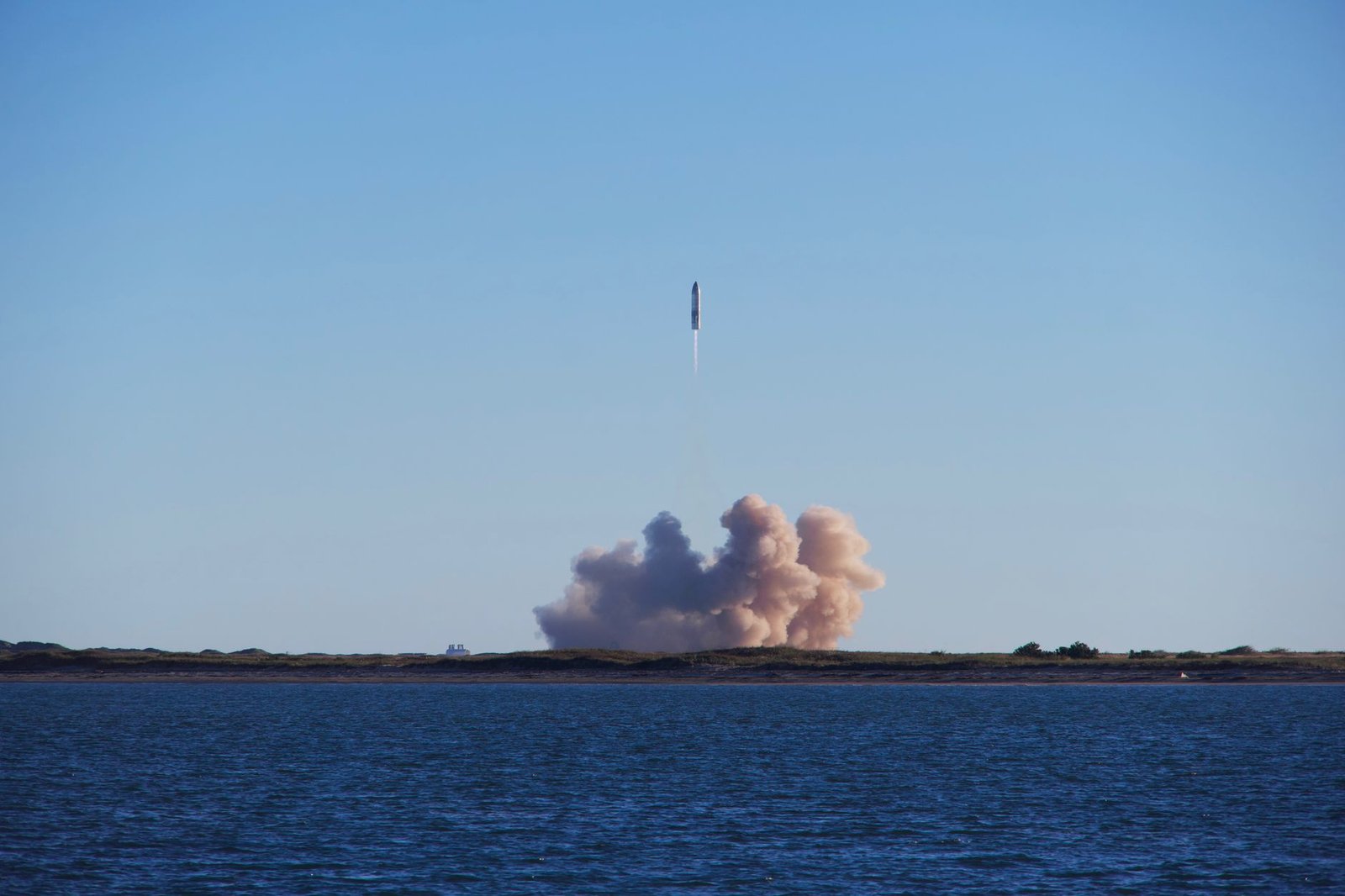
- SpaceX continues to dominate with its Starship program aiming for Mars.
- Blue Origin is focusing on lunar missions and suborbital tourism.
- Axiom Space is pushing forward with private space station modules.
- Rocket Lab is expanding its launch capabilities and satellite services.
- The commercialization of space is creating new opportunities and challenges.
The New Frontier is Private
For decades, space exploration was mostly about governments and their big national agencies like NASA. Think Apollo missions and the International Space Station. But in 2026, that’s changing fast. Private companies are pouring billions into space, and they’re not just a little bit involved; they’re often leading the charge. They’re building rockets, planning ambitious missions, and even thinking about how regular people will live and work in space.
What’s driving this? A few things. First, technology has gotten cheaper and more advanced. Reusable rockets, for example, have drastically cut down the cost of getting things into orbit. Second, there’s a growing market for space-based services, from satellite internet to space tourism. And third, there’s just a sheer amount of innovation happening. Companies are competing, and that competition is pushing everyone to do more, faster.
SpaceX: Still the Heavyweight Champion
When you talk about private spaceflight in 2026, you have to start with SpaceX. Elon Musk’s company has been setting the pace for years, and they’re not slowing down. Their Starship program is the big story. Starship is a massive, fully reusable rocket and spacecraft designed to carry people and cargo to the Moon, Mars, and beyond. They’ve been conducting test flights, and while there have been ups and downs, the progress is undeniable.
The goal isn’t just to get to orbit; it’s to make living on other planets a reality. SpaceX envisions Starship as the vehicle that will enable regular travel to Mars and help build a self-sustaining city there. In 2026, we’re seeing more integrated flight tests, demonstrating the system’s capabilities. They’re also continuing their regular Starlink satellite launches, which provide internet access globally. SpaceX’s success has shown everyone else what’s possible, setting a high bar for innovation.
Blue Origin: Building on the Moon and Beyond
Jeff Bezos’s Blue Origin is another major player. While SpaceX is focused on the Mars colonization vision, Blue Origin has been steadily working on its own ambitious goals. Their New Shepard rocket offers suborbital flights for space tourists, giving people a few minutes of weightlessness and a view of Earth from space. This is a big part of their strategy to open up space to more people.
But Blue Origin’s sights are set higher than just tourism. They are a key partner in NASA’s Artemis program, which aims to return humans to the Moon. Blue Origin is developing the Blue Moon lunar lander, designed to carry cargo and astronauts to the lunar surface. They’ve also been working on their New Glenn rocket, a heavy-lift launch vehicle intended to compete with other large rockets for commercial and government missions. In 2026, Blue Origin is focusing on lunar infrastructure and continuing its suborbital flight program.
Axiom Space: Your Future Space Station
What about living in space? Axiom Space is trying to make that a reality for private citizens and researchers. They are building the world’s first commercial space station. Instead of a single, massive structure, Axiom is developing modules that will attach to the International Space Station initially, and then eventually detach to form their own free-flying station. This is a major step towards a commercial space economy.
Axiom has already flown several private astronaut missions to the ISS. These missions involve paying customers going to space for research, exploration, or even just the experience. In 2026, Axiom is focused on completing the construction of its first modules and preparing for more crewed missions. They see a future where space stations are common, offering research facilities, manufacturing opportunities, and unique travel experiences. This could open up entirely new industries.
Rocket Lab: Launching the Small Stuff, Big Time
While SpaceX and Blue Origin are focused on massive rockets, Rocket Lab is proving that there’s a huge market for smaller, more frequent launches. Peter Beck’s company has become a leader in launching small satellites into orbit with its Electron rocket. These small satellites are crucial for everything from Earth observation and climate monitoring to communication networks.
Rocket Lab isn’t stopping at launching. They are expanding into building satellites and providing other space services. They’re also developing a much larger rocket, Neutron, designed for more demanding missions, including satellite constellations and eventually human spaceflight. In 2026, Rocket Lab continues to be a go-to provider for small satellite launches while also pushing into new areas of space services. Their success highlights the diversity of the private space sector.
The Challenges Ahead
Of course, it’s not all smooth sailing. The private space race comes with significant challenges. The costs are still enormous, even with reusable rockets. Safety is always a top concern, especially when you’re talking about sending people into space. There are also regulatory hurdles to navigate as governments try to keep up with the pace of innovation.
Then there’s the question of debris. As more satellites and rockets are launched, the risk of collisions and space junk increases. Companies and international bodies are working on solutions, but it’s a growing problem that needs careful management. We also need to consider the ethics and long-term sustainability of commercializing space. Who owns what? How do we protect celestial bodies? These are questions we’ll be grappling with for years to come.
Frequently Asked Questions
What is the biggest private space company in 2026?
SpaceX is widely considered the biggest and most influential private space company in 2026, due to its advanced Starship program, extensive satellite constellation, and numerous successful launches.
Are there really private space stations being built?
Yes, Axiom Space is actively building modules for the world’s first commercial space station. These modules are initially designed to attach to the International Space Station and will eventually form a standalone station.
How much does it cost to go to space with a private company?
Costs vary greatly. Suborbital flights with Blue Origin are reported to be in the hundreds of thousands of dollars. Trips to orbit, like those organized by Axiom Space, can cost tens of millions of dollars per person.
What is the main goal of Blue Origin’s lunar missions?
Blue Origin’s main goal for lunar missions is to develop the infrastructure needed for a sustained human presence on the Moon, including the development of the Blue Moon lunar lander and other support systems as part of NASA’s Artemis program.
Will space tourism become common in 2026?
While still very expensive and exclusive, space tourism is becoming more established in 2026 with companies like Blue Origin offering regular suborbital flights. Full orbital tourism is also growing, but remains a luxury experience for now.
The Future is Now
The private space race of 2026 is more than just exciting technology; it’s a fundamental shift in how we access and utilize space. Companies are pushing boundaries, creating new markets, and redefining what’s possible. Keep an eye on these companies; they are literally building our future beyond Earth.