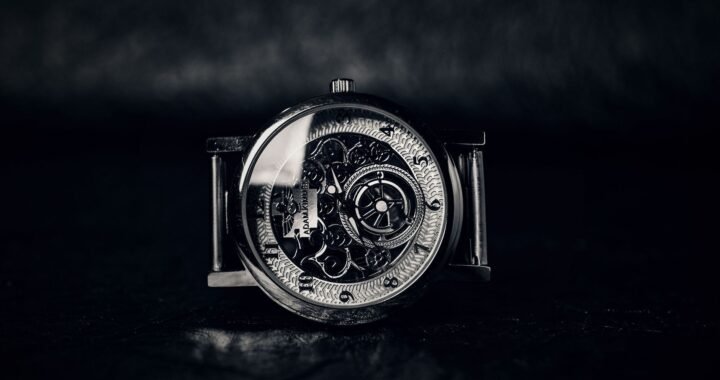
The Real Story Behind Watch Scarcity: Why Some Timepieces Are So Hard to Find

We all see those watches. The ones everyone wants. The ones that sell out instantly. Or maybe you’ve heard about a vintage watch selling for way more than you thought possible. It’s easy to think it’s just hype. But there’s usually a deeper reason. Scarcity plays a huge role in why some watches are incredibly desirable. And it’s not always about a brand trying to keep things exclusive. Sometimes, it’s about history, production limits, or even materials.
Let’s look at what really makes a watch scarce. And why that scarcity makes people want it even more. We’ll talk about a few specific examples. We’ll also cover how to spot a truly rare piece. This isn’t about investing like a Wall Street pro. It’s for anyone curious about the stories behind these amazing machines on our wrists.
Key Takeaways
- Production limitations, both intentional and unintentional, are a major driver of watch scarcity.
- The use of rare or difficult-to-source materials can significantly impact a watch’s availability and value.
- A watch’s historical significance or association with important events or people can make it rare and sought after.
- “Holy Grail” status often comes from a combination of factors like limited production runs, unique features, and strong brand heritage.
- Understanding the “why” behind a watch’s scarcity helps appreciate its true value beyond just its price tag.
When Brands Make Fewer (On Purpose)
Sometimes, brands intentionally limit how many watches they make. This is often called “limited edition.” They do this to create excitement. It makes owning one feel special. Think about a special anniversary model. Or a collaboration with an artist. These watches are made in small numbers. For example, the Audemars Piguet Royal Oak Perpetual Calendar “China Limited Edition” from 2018. It was made in just 100 pieces for the Chinese market. That small number means fewer people can own it. This makes it harder to find on the secondary market.
Another example is the Omega Speedmaster “First Omega in Space” . While Omega has made many Speedmasters, this particular model pays homage to the watch worn by Wally Schirra on his Mercury-Atlas 8 mission. While not a strictly limited edition in the way some watches are, its specific historical connection and distinct dial design made it a highly sought-after piece that was produced for a limited time. When a brand creates a special edition, they often announce the production number. Knowing this number helps you understand its rarity.
Brands also create “boutique exclusive” or “dealer exclusive” models. These are only sold at certain stores. Or only in specific countries. This naturally limits who can buy them. And how many are available globally. It’s a way for brands to reward their best customers or test new markets.
The Challenge of Materials
What a watch is made of can also make it rare. Some materials are just hard to get. Or they are difficult to work with. This can slow down production. Or even stop it altogether for certain designs.
Think about watches made from precious metals. Gold and platinum are not as common as steel. Mining them is expensive. Refining them takes time. If a brand decides to make a watch only in platinum, fewer will be produced. For instance, many high-end brands offer certain models in both steel and precious metals. The platinum versions are almost always rarer and more expensive. This is because platinum itself is rarer and more costly to source and machine than stainless steel.
Some watches use unique or experimental materials. These might be special alloys or even meteorite fragments for dials. The Rolex Daytona “Meteorite” models are a good example. The dials are made from actual meteorite. Each piece of meteorite is unique. This means no two dials are exactly alike. And the supply of suitable meteorite material is finite. This naturally limits how many of these watches can be made. The difficulty in sourcing and working with these materials adds to their scarcity.
Accidents, Disasters, and Production Hiccups
Not all scarcity is planned. Sometimes, things happen that make watches rare by accident. This could be a factory fire. Or a natural disaster that damages production. Or even a flaw in a manufacturing process.
A famous example is the Rolex Daytona ref. 6263 “Albino” . This watch is incredibly rare. It’s believed that only a handful were ever made. The “Albino” nickname comes from its white gold dial and subdials. This was unusual for Rolex Daytonas at the time, which usually had contrasting subdials. The exact reason for its rarity is debated. Some say it was a special order for a specific client. Others suggest it was a brief production run due to material sourcing issues or a specific batch of dials. Whatever the reason, its extreme rarity makes it one of the most sought-after vintage Daytonas.
In the vintage watch world, sometimes a specific component was only used for a short period. Maybe a supplier went out of business. Or a new, better part was introduced. This means watches made during that short window with the older part are much harder to find later. The Heuer Carrera “Plexi” models from the 1960s are a good example. While many were made, specific variations using certain movements or dial configurations produced over a limited time frame are now considered rare due to the short production periods for those exact specifications.
The “Holy Grail” Effect: History and Provenance
Sometimes, a watch becomes rare because of its story. Its history. Who owned it. Or what event it was part of. This adds a layer of desirability that goes beyond the watch itself. These are often called “grails” by collectors.
The Paul Newman Daytona is probably the most famous example. It’s not just rare because of its production numbers. It’s rare because it was owned by the actor Paul Newman. His personal watch, a reference 6239, sold for millions. Its provenance, its connection to a beloved celebrity, is a huge part of its value and mystique. This makes it incredibly desirable. And because there’s only one of *that* specific watch, it’s by definition the rarest.
Watches worn by astronauts, pilots, or military personnel can also become rare and valuable. Especially if they were used in significant missions. The Omega Speedmaster Professional “Moonwatch” is famous for being worn by astronauts on NASA missions. While many Speedmasters were made, the ones with specific mission patches or documented wear by famous astronauts are exceedingly rare. These watches have a historical connection that makes them more than just timekeeping devices. They are pieces of history.
Sometimes, a watch gains its “grail” status through a specific, rare feature. For example, a watch with a “panda” dial (light dial with dark subdials) or a “reverse panda” dial (dark dial with light subdials) can be rarer than standard versions of the same model. These variations were often produced in smaller quantities.
Buying and Investing in Rare Timepieces
So, how do you approach buying a rare watch? Whether you want to wear it or see it as an investment, here are some things to consider.
First, do your homework . Understand the specific references, model numbers, and production years. A slight difference in a dial or hand style can make a watch much rarer. For instance, a Rolex Submariner 5513 made in the early 1970s might have a “meters first” dial (where meters are listed before feet). This variation was produced for a shorter period than later “feet first” dials, making it more collectible.
Second, authenticity is key . With rare and expensive watches, fakes are common. Always buy from reputable dealers. Or get the watch authenticated by an expert. Look for original parts. Check the serial numbers. Make sure the movement matches the model and year. A watch that isn’t original or is a fake has no value, no matter how rare it’s supposed to be.
Third, condition matters . Even rare watches can be devalued if they are in poor condition. Scratches, dents, or poorly done repairs can significantly lower a watch’s value. Original parts in good condition are always better. This includes the dial, hands, case, and bracelet. For vintage pieces, “patina” (the natural aging of materials like lume on the dial) is often desirable. But this should be natural aging, not damage.
Fourth, provenance can add value . If a watch comes with a documented history, like letters, original boxes, or papers from a famous owner, it can increase its desirability and price. However, this documentation must be verifiable. A fake story won’t fool experts.
Maintenance and Care for Your Rare Find
Owning a rare watch means you need to take care of it. Especially if it’s vintage. These watches have delicate mechanisms. They need regular attention.
Servicing is crucial . Most mechanical watches need to be serviced every 3 to 5 years. This involves taking the watch apart, cleaning the parts, oiling them, and reassembling everything. A good watchmaker is essential. Find someone who specializes in vintage watches. They know how to handle delicate old movements. They can also source correct original parts if needed.
Avoid water . Unless your watch is specifically rated for water resistance and you’ve had it tested recently, assume it’s not waterproof. Vintage watches, especially, often have degraded seals. Even a modern watch can be damaged by water if its seals are old. So, take it off before swimming or showering.
Protect it from shocks . Dropping your watch can damage the delicate movement inside. Be mindful of where you wear your watch. Avoid activities that could lead to a hard impact. While some watches are built for toughness, like the Rolex Submariner or Omega Seamaster , even these can be damaged by severe shocks.
Store it properly . When you’re not wearing your watch, keep it in its original box or a watch case. This protects it from dust and scratches. If you have a watch with a leather strap, avoid storing it in a humid place. This can damage the leather.
FAQ
What makes a watch a “grail” watch?
A “grail” watch is usually a highly sought-after timepiece that is extremely rare, historically significant, or associated with a famous person. It’s often considered the ultimate prize for a collector.
Are limited edition watches always a good investment?
Not necessarily. While limited editions can increase in value due to scarcity, their investment potential depends on the brand, model, desirability, and market demand. Some limited editions do not perform well as investments.
How can I tell if a vintage watch is authentic?
Authenticity checks involve examining the movement, case markings, dial, hands, and overall construction. It’s best to consult with a reputable watchmaker or dealer specializing in vintage pieces. Serial numbers and model references are also critical clues.
What is “patina” on a vintage watch?
Patina refers to the natural aging and color changes that occur on a watch over time. This is most commonly seen on the luminous material on the dial and hands, which can turn a creamy or yellowish color. A desirable patina is usually even and consistent.
Is it better to buy a rare watch new or vintage?
This depends on your goals. Buying new from an authorized dealer ensures you get a pristine, current model with a warranty. Buying vintage allows access to historically significant or discontinued models, but requires more expertise to ensure authenticity and condition. Many collectors focus on vintage for the stories and rarity.
Can I still buy the watches mentioned in this article?
Most of the specific rare models mentioned, like the Paul Newman Daytona or the Rolex Daytona “Albino,” are only available on the pre-owned or vintage market. Some limited editions may still be available through authorized dealers or pre-owned platforms shortly after their release.
The Value of Rarity
The scarcity of a watch isn’t just about its price tag. It’s about the story, the craftsmanship, and the history that make it special. Understanding why a watch is rare helps you appreciate its true value. It turns a simple timepiece into a piece of art and history you can wear.