The Enduring Allure of the Automatic Watch Movement

Many people love watches. Some love them for how they look. Others love them for the history. But for many watch enthusiasts, the real magic is inside. It’s about the movement. Specifically, the automatic movement. This is the engine that powers a mechanical watch. It winds itself using the motion of your wrist. It’s a miniature marvel of engineering. Let’s explore why automatic movements are so special and why they are still so desirable in 2026.
Key Takeaways
- Automatic movements self-wind using the wearer’s wrist motion.
- A key component is the oscillating rotor, typically made of a dense metal like gold or tungsten.
- The complexity and craftsmanship of automatic movements contribute significantly to a watch’s value.
- Brands known for high-quality automatic movements often command higher prices and retain value well.
- Servicing an automatic watch is crucial for its longevity and performance.
What Exactly is an Automatic Movement?
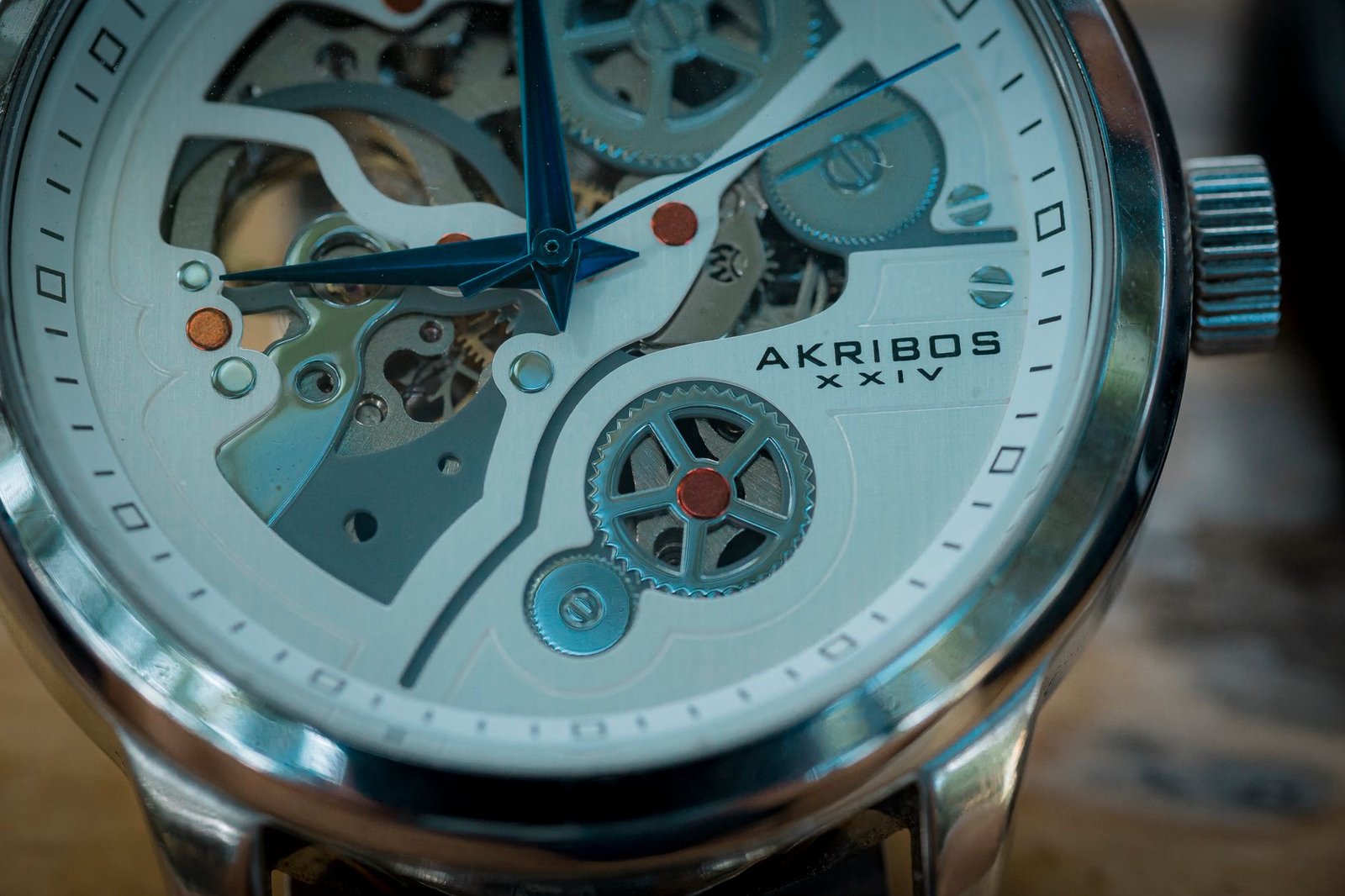
A mechanical watch needs power to run. It doesn’t use batteries like a quartz watch. Instead, it uses a wound spring. This spring stores energy. The automatic movement is a type of mechanical movement. It has a special feature. It winds the mainspring automatically. This happens as you move your wrist throughout the day. A weighted component, called a rotor, spins. This rotor is connected to a winding mechanism. As it spins, it tightens the mainspring. This means you don’t have to manually wind the watch every day. This self-winding capability makes automatic watches very convenient.
Older mechanical watches were manual-wind. You had to turn the crown every day to keep them running. Think of winding a pocket watch. The automatic movement, invented in the 18th century, was a big step forward. It made mechanical watches much easier to wear daily. The modern automatic watch really took off in the mid-20th century. Brands like Rolex and Omega were early adopters and popularizers of this technology. In 2026, automatic watches are still considered the standard for high-end mechanical timepieces.
The Heart of the Machine: How the Rotor Works
The rotor is the most distinctive part of an automatic movement. It’s usually shaped like a half-circle or a full circle. It’s attached to a central pivot. This rotor is often made from a heavy material. This could be brass, tungsten, or even precious metals like gold. Using a heavier material helps it spin more easily with slight wrist movements. As the rotor swings back and forth, it engages a reversing gear train. This gear train then winds the mainspring.
The efficiency of the rotor and winding system can vary between brands and models. Some systems are designed to wind very quickly. Others might require more significant movement. For example, the Rolex Perpetual system, introduced in 1931, was a significant innovation. It used a semi-circular rotor that could swing 360 degrees. This made winding much more effective. Many modern automatic watches still use variations of this design. The engineering behind this simple yet effective system is truly remarkable.
What Makes an Automatic Watch Valuable and Collectible?
Several factors contribute to an automatic watch’s desirability. One major factor is the brand’s heritage and reputation. Brands like Patek Philippe, Audemars Piguet, and Vacheron Constantin are renowned for their complex and beautifully finished movements. A watch from one of these brands, especially a vintage piece, can be very valuable. This is due to their long history of quality craftsmanship. The movement itself is often a work of art, visible through a display case back on many modern watches. The finishing, like Geneva stripes or perlage, is done by hand by skilled watchmakers.
The complexity of the movement also plays a role. A simple time-only automatic watch is one thing. But an automatic watch with complications like a chronograph (stopwatch), a perpetual calendar, or a tourbillon is far more impressive. A tourbillon, for instance, is a complex mechanism designed to counteract gravity’s effect on the watch’s accuracy. These features require incredible skill to design and assemble. The rarity of a specific model or movement also drives value. Limited production runs or discontinued models often become highly sought after by collectors.
Materials matter too. Watches made with precious metals like gold or platinum tend to be more expensive. However, stainless steel watches with exceptional movements can also be highly valuable. Think about the iconic stainless steel sports watches from Rolex. Their value is driven by brand, design, rarity, and the robust automatic movements inside. Provenance, or the history of ownership, can also add significant value. A watch owned by a famous historical figure or with a documented interesting story can fetch astronomical prices at auction. For instance, Paul Newman’s Rolex Daytona sold for over $17 million. This highlights how history and association can greatly increase a watch’s worth.
Buying and Investing in Automatic Watches in 2026
If you’re thinking about buying an automatic watch, whether for personal enjoyment or as an investment, there are a few things to consider. First, decide on your budget. Prices for automatic watches range from a few hundred dollars for entry-level Swiss or Japanese brands to hundreds of thousands, or even millions, for rare vintage pieces or high-complication models. Brands like Seiko, Tissot, and Hamilton offer excellent value for money with reliable automatic movements. For a step up, consider brands like Longines, Tudor, or Oris.
For those looking at watches as an investment, research is key. Focus on brands with a strong track record of holding or increasing their value. Rolex, Patek Philippe, and Audemars Piguet are consistently strong performers. Look for models that are in demand, often their iconic sports watches or classic dress watches. Condition is also very important. A watch in excellent original condition, with its box and papers, will always be more valuable than one that is heavily worn or has had incorrect parts fitted. Understanding the market trends for 2026 is also crucial. Some models might be more popular now than they were a few years ago. Websites and forums dedicated to watch collecting can be invaluable resources for this information.
It’s also wise to consider the cost of ownership. Automatic watches require periodic servicing to keep them running accurately and prevent wear. This can cost anywhere from $200 to over $1,000 depending on the complexity of the movement and the watchmaker’s rates. Buying from reputable dealers or trusted online platforms can help ensure authenticity and provide some recourse if there are issues. Be wary of deals that seem too good to be true; they often are. Understanding the market and knowing what to look for will help you make a sound purchase.
Iconic Automatic Watches and Their Stories
Several automatic watches have made a significant impact on watch history and culture. The Rolex Submariner, first released in 1953, is a prime example. It was designed for divers and featured a robust automatic movement, water resistance, and a rotating bezel. It quickly became the benchmark for dive watches and remains incredibly popular today. Its design has been largely consistent, making it instantly recognizable. The dependable automatic movement inside ensures it keeps running reliably, even in demanding conditions.
Another legend is the Omega Speedmaster Professional. While the manual-wind Moonwatch is more famous, many Speedmaster variations use automatic movements. The “Speedy Reduced,” a smaller, automatic version of the classic, gained popularity for its more accessible price point and automatic winding. It offered the Speedmaster look with the convenience of automatic winding. The automatic movements in these watches, often Valjoux-based calibers modified by Omega, are known for their durability and accuracy.
The Audemars Piguet Royal Oak, designed by Gerald Genta in 1972, revolutionized luxury watch design. Its stainless steel case, integrated bracelet, and “porthole” octagonal bezel were radical for their time. It housed a high-quality automatic movement, making it both a sports watch and a luxury item. This combination was groundbreaking and made the Royal Oak an instant icon. Its continued success in 2026 is a testament to its enduring design and the quality of its automatic engineering.
Maintenance and Authentication: Keeping Your Automatic Watch Ticking
To ensure your automatic watch performs its best for years to come, proper maintenance is essential. Most manufacturers recommend servicing your automatic watch every 3 to 7 years. This service typically involves disassembling the movement, cleaning all the parts, lubricating them with specialized oils, replacing worn components, and reassembling everything. The watch is then tested for accuracy and water resistance. Regular servicing prevents excessive wear on the delicate parts and keeps the watch running accurately.
When it comes to authentication, especially for vintage or high-value watches, it’s crucial to be diligent. Counterfeit watches are unfortunately common in the market. Always buy from reputable dealers or sellers with strong return policies. Examine the watch closely for any signs of poor finishing, incorrect logos, or misspellings on the dial or case back. Research the specific reference number of the watch you are interested in. Compare details like dial text, hands, case shape, and movement markings against known genuine examples. Often, the movement itself is a dead giveaway. Genuine high-end movements have a specific level of finishing and component quality that fakes struggle to replicate. If possible, have a trusted watchmaker or expert examine the watch before you buy.
Frequently Asked Questions
How often do I need to service my automatic watch?
Most manufacturers recommend servicing your automatic watch every 3 to 7 years. This depends on the watch brand, model, and how often you wear it. Regular servicing ensures accuracy and prevents long-term damage.
Can I wear my automatic watch in the shower or while swimming?
This depends entirely on the watch’s water resistance rating. A watch rated for 30 meters is generally splash-proof only. A watch rated for 100 meters or more is suitable for swimming, but diving requires much higher ratings and specialized watches. Always check the manufacturer’s specifications and ensure seals are in good condition.
What happens if I don’t wear my automatic watch for a while?
If you don’t wear your automatic watch, the power reserve will eventually run out, and the watch will stop. When you pick it up again, you will need to wind it manually or shake it gently to get the rotor moving and build up some power reserve. A watch winder can keep automatic watches running when not worn.
Are vintage automatic watches a good investment?
Some vintage automatic watches can be excellent investments, but it requires careful research. Brands like Rolex, Patek Philippe, and Audemars Piguet often hold or increase their value. Factors like rarity, condition, provenance, and the specific model’s desirability play a huge role. It’s important to buy from reputable sources and understand the market.
Is an automatic watch more accurate than a quartz watch?
Generally, no. Quartz watches are significantly more accurate than mechanical watches, including automatics. Quartz watches typically gain or lose only a few seconds per month, while a well-regulated automatic watch might gain or lose a few seconds per day. However, the appeal of automatic watches lies in their mechanical complexity and craftsmanship, not their absolute accuracy.
The automatic watch movement represents a beautiful blend of history, engineering, and artistry. Whether you’re a seasoned collector or just starting to appreciate the world of watches, understanding the mechanics inside is key. For those looking to buy, focusing on reputable brands and models known for their quality movements is a solid strategy. For example, a well-maintained vintage Omega Seamaster from the 1960s still offers excellent value and reliable automatic performance today.

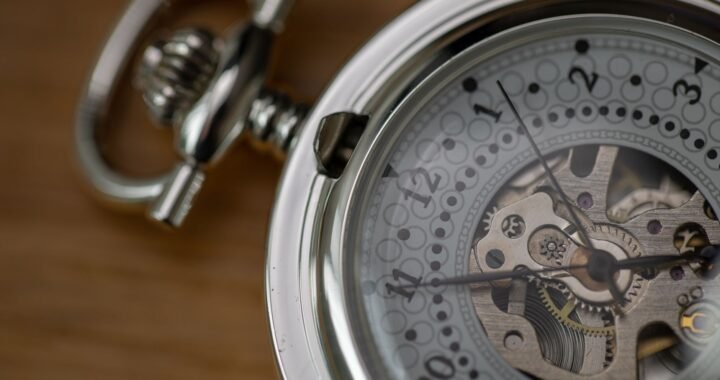
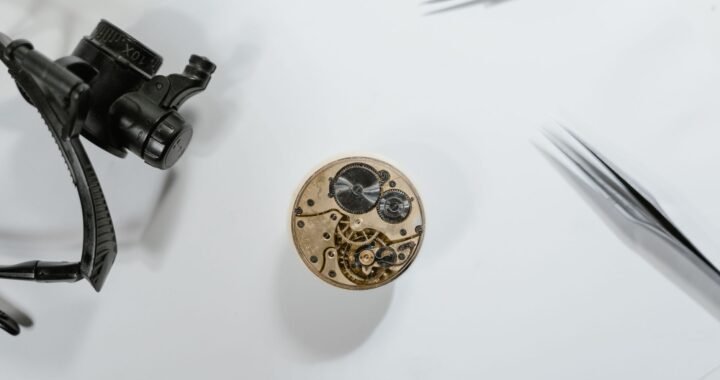
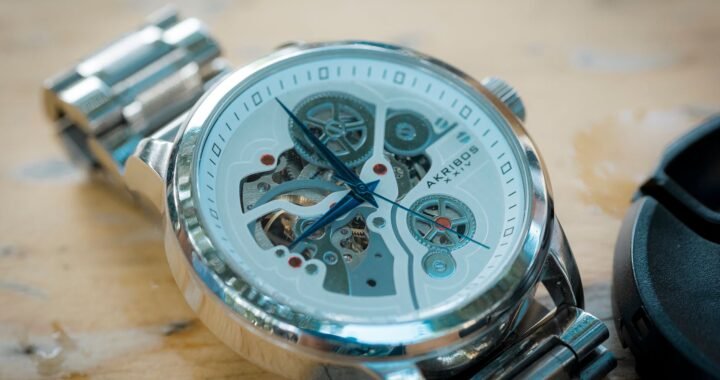
[…] The engine of the watch, the movement, is crucial. For vintage watches, mechanical movements are generally more desirable than quartz. An automatic movement, which winds itself with the motion of your wrist, is often preferred over a manual wind, though both are great. For affordable vintage watches, reliable and simple movements are best. Brands like Seiko (e.g., calibers 7009, 6309), Citizen (e.g., calibers 8200), and even Timex’s mechanical movements are known for their durability. If a watch has a clean, well-running mechanical movement, it’s a big plus. For more on automatic movements, you can read about The Enduring Allure of the Automatic Watch Movement. […]
[…] The automatic movements used by AP are renowned for their reliability and engineering. For example, the Calibre 2121 used in early Royal Oak ‘Jumbo’ models is considered a legendary ultra-thin automatic movement. Its slim profile allowed the watch to maintain a relatively thin case, which was groundbreaking for its time. Understanding the movement inside a watch is crucial for appreciating its true value. You can learn more about the enduring allure of automatic watch movements here. […]