The Enduring Charm of Vintage Dive Watches

When you think about classic watches, maybe a sleek dress watch or a sturdy pilot’s watch comes to mind. But there’s a whole category of timepieces that have a special place in watch lovers’ hearts: vintage dive watches. These aren’t just tools for exploring the ocean depths; they’re pieces of history that tell a story on your wrist. From their rugged good looks to their engineering marvels, vintage divers are more than just watches. They represent a golden age of watchmaking and adventure.
Key Takeaways
- Vintage dive watches combine robust design with historical significance, making them highly collectible.
- Key factors for value include water resistance rating, material, rarity, and brand heritage.
- Iconic models like the Rolex Submariner and Blancpain Fifty Fathoms set the standard for dive watch design.
- Checking for originality and understanding maintenance needs are crucial for buyers and collectors.
- The appeal of vintage dive watches lies in their blend of functionality, historical context, and unique aesthetic.
The Birth of the Tool Watch
The idea of a watch that could survive the harsh conditions of the deep sea really took off in the mid-20th century. Before this, watches were often delicate. But as SCUBA diving became more popular for both military and recreational purposes, watchmakers realized they needed to create something tougher. These early dive watches needed to be more than just water-resistant; they needed to be reliable under pressure, easy to read in low light, and able to withstand bumps and scrapes. This led to specific design features that we still see today.
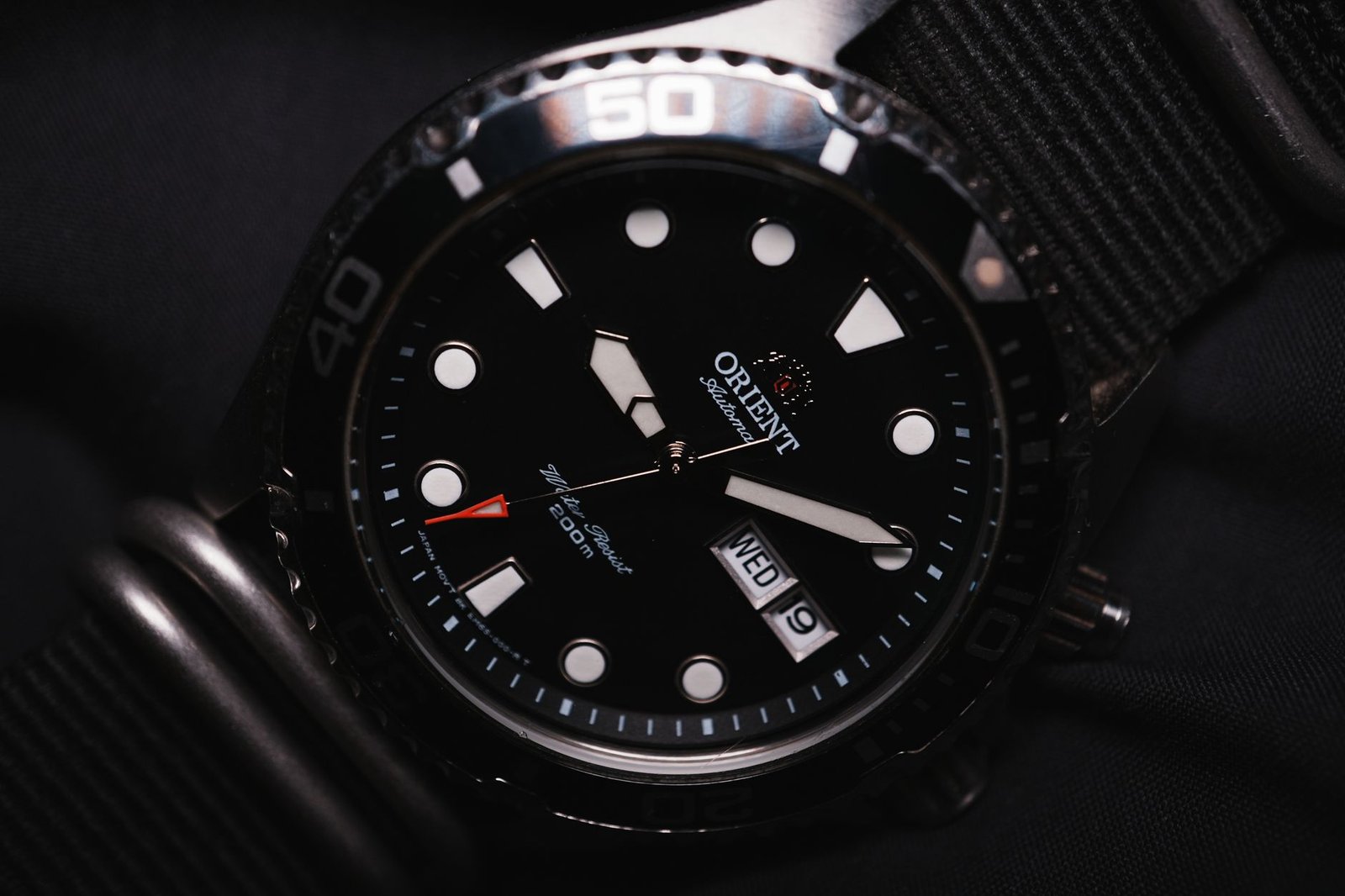
Think about it: divers needed a watch that wouldn’t just give them the time, but could also help them track their dive. This meant a rotating bezel was essential. It allowed divers to set a time limit for their oxygen supply. They could mark their starting point and easily see how much time they had left. Luminous hands and hour markers were also critical, so the watch could be read even in the murky, dark water. These functional requirements shaped the aesthetic of the dive watch, creating a look that was both purposeful and powerful.
Iconic Models That Defined the Genre
Several watches stand out as pioneers in the dive watch world. They didn’t just perform well; they looked good doing it and became legends. One of the most famous is the Rolex Submariner. Introduced in 1953, it was one of the first watches designed to be water-resistant to 100 meters (330 feet). Its simple, robust design, clear dial, and rotating bezel set the blueprint for countless watches that followed. Even today, the Submariner’s core design elements remain largely unchanged, a testament to its brilliant original concept.
Another groundbreaking watch from 1953 is the Blancpain Fifty Fathoms. This watch was developed in collaboration with French naval divers. It was tested extensively and proved its worth in real-world underwater operations. The Fifty Fathoms was known for its innovative features, like a self-winding mechanism to avoid manual winding underwater and a red-tipped minute hand to easily track dive time. Its name comes from its impressive water resistance rating at the time, capable of going to 50 fathoms, which is about 91 meters or 300 feet.
Other notable vintage divers include the Omega Seamaster, which also debuted in 1957, and the Doxa SUB 300. The Seamaster was part of Omega’s “professional” trilogy, alongside the Railmaster and Speedmaster, designed for specific demanding environments. The Doxa SUB 300, introduced in the 1960s, became famous for its bright orange dial, which offered exceptional legibility, and its distinctive tonneau-shaped case. These watches weren’t just about telling time; they were about pushing boundaries and supporting human exploration.
What Makes a Vintage Dive Watch Valuable?
If you’re looking at vintage dive watches, you might wonder what makes one more desirable or valuable than another. It’s a mix of several factors, and understanding them is key to appreciating these timepieces. Rarity is a big one. If a particular model was produced in small numbers, or if a specific variation is hard to find, its value often increases. This could be due to a limited production run, a short-lived design, or simply the natural attrition of watches over many decades.
The condition of a watch plays a huge role. A watch that has been well-maintained, with a clear dial, sharp case lines, and an original, working movement, will always be worth more than one that has been heavily damaged or poorly repaired. Originality is also paramount for serious collectors. This means all the parts, from the hands and dial to the crown and bezel insert, should be the ones that came with the watch when it was new. Replacing original parts, even with genuine ones, can significantly reduce a vintage watch’s value.
Brand heritage and the history of a specific model matter a lot too. Brands like Rolex, Omega, and Blancpain have long histories and strong reputations for quality and innovation. A dive watch from one of these established brands, especially an early or significant model, often carries a premium. Provenance, which is the history of ownership, can also add value. If a watch belonged to someone famous or has a documented history of use in significant events (like military service), it can increase its desirability and price.
Materials and Movements: The Heart of the Watch
The materials used in vintage dive watches contribute to both their durability and their aesthetic appeal. Stainless steel has always been a favorite because it’s strong, corrosion-resistant, and relatively affordable. Many vintage divers feature robust steel cases that can withstand the rigors of daily wear and underwater adventures. Some higher-end or special edition models might incorporate materials like gold, though this is less common for purely tool-focused dive watches.
The movement, or the internal mechanism that powers the watch, is another critical factor. In vintage dive watches, you’ll primarily find mechanical movements. These are powered by a wound spring and are often favored by collectors for their craftsmanship and history. There are two main types: manual-wind and automatic. Manual-wind movements require the wearer to turn the crown regularly to keep the watch running. Automatic movements, on the other hand, use the motion of the wearer’s wrist to wind the spring, making them more convenient for daily wear.
When assessing a vintage dive watch, the type and quality of the movement are important. Well-regarded movements from brands like Rolex, Omega, and ETA (a major movement manufacturer used by many brands) are known for their reliability and accuracy. The ability of the movement to keep good time and its service history can significantly impact its value and desirability. A watch with a freshly serviced, high-quality movement is a much more attractive proposition than one that needs immediate, expensive repairs.
Buying and Investing in Vintage Dive Watches
For many, buying a vintage dive watch is not just about acquiring a timepiece; it’s about making an investment. The market for vintage watches has grown significantly, and many models have seen their values appreciate over time. However, it’s not a guaranteed path to riches, and doing your homework is crucial. You need to understand what you’re buying and why it’s valuable.
One of the most important aspects when buying vintage is authenticity. The watch market, especially for high-value items, sadly attracts fakes and heavily modified pieces. Always buy from reputable dealers or sellers with a strong track record and good reviews. Look for clear, high-resolution photos of the watch from all angles, and don’t hesitate to ask questions. A knowledgeable seller should be able to provide details about the watch’s condition, service history, and originality.
When considering a watch as an investment, look for models that have a proven history of holding or increasing their value. Iconic models from major brands, especially those in good condition with original parts, are generally safer bets. Limited editions or particularly rare variations can also be good investments, but they often come with a higher entry price. It’s also wise to factor in the cost of potential servicing. A vintage watch might need a service every five to ten years, and this can cost several hundred dollars or more, depending on the complexity of the movement and the watchmaker’s expertise.
Maintenance and Care: Keeping Your Diver Running
Owning a vintage dive watch means taking responsibility for its upkeep. These watches are mechanical marvels, and like any precision instrument, they require regular attention to perform their best and last for generations. The most important aspect of maintenance is regular servicing. While a modern watch might go many years without needing a service, vintage mechanical watches typically benefit from a full service every five to seven years.
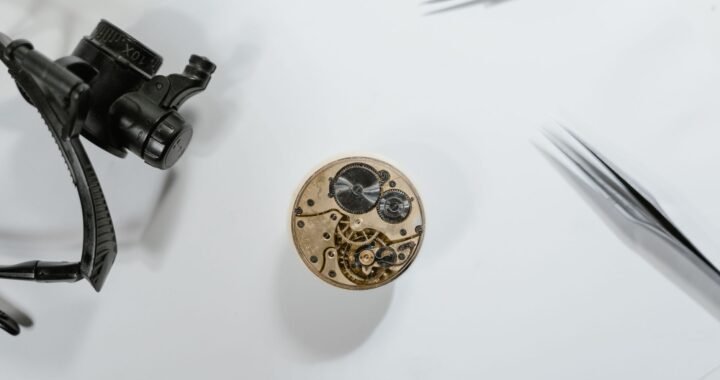
A service usually involves disassembling the movement, cleaning all the tiny parts, lubricating them with specialized oils, reassembling the movement, and then regulating it for accuracy. The watchmaker will also check the case, gaskets, and crystal, replacing them as needed to maintain water resistance. It’s crucial to use a watchmaker experienced with vintage timepieces, as they understand the specific needs and potential sensitivities of older movements and cases.
When it comes to water resistance, always be cautious with vintage dive watches. Even if a watch was originally rated for significant depths, age degrades the seals and gaskets. Unless the watch has been recently pressure tested and certified by a professional watchmaker, it’s best to avoid submerging it in water. Treat it as a beautiful, historic object that tells time, rather than a tool to be used for deep-sea exploration. Drying off the watch after exposure to sweat or rain is also a good habit.
Frequently Asked Questions
Are vintage dive watches still waterproof?
Not usually, unless they have been recently serviced and pressure tested by a professional. The rubber gaskets that provide water resistance degrade over time. It is safest to assume that vintage dive watches are not water-resistant and avoid submerging them in water.
What is the most collectible vintage dive watch?
While “most collectible” can be subjective, the Rolex Submariner (especially early references like the 5512, 5513, and 1680) and the Blancpain Fifty Fathoms are consistently among the most sought-after and collectible vintage dive watches due to their historical significance and iconic status.
How much does it cost to service a vintage dive watch?
The cost can vary widely depending on the brand, the complexity of the movement, and the watchmaker’s location and reputation. Generally, expect to pay anywhere from $300 to $1,000 or more for a full service of a vintage dive watch. Some rare or complicated models can cost significantly more.
Should I buy a vintage dive watch with a relumed dial?
For maximum collector value, most purists prefer watches with original luminous material on the dial and hands. A relumed dial means the original lume has been replaced, which can detract from the watch’s originality and value. However, for someone who simply wants a vintage-looking watch that glows in the dark, a relumed dial can be acceptable, but it will be worth less to collectors.
Where is the best place to buy vintage dive watches?
Reputable vintage watch dealers, specialized online platforms known for authentication, and well-established auction houses are generally the safest places to buy. Always check the seller’s reputation, return policy, and authenticity guarantees before making a purchase.
The Legacy on Your Wrist
Vintage dive watches offer a unique blend of history, engineering, and style. They are tangible links to an era of exploration and innovation. By understanding their features, history, and what makes them special, you can truly appreciate the enduring charm of these incredible timepieces. Finding a well-preserved example can be a rewarding experience, providing you with a piece of horological history that you can wear and enjoy for years to come.