The Secret Lives of Watch Complications: More Than Just Time

When most people think about watches, they think about telling time. That’s the basic job, right? But some watches do so much more. These extra functions are called “complications.” They turn a simple time-telling device into a miniature mechanical marvel. We’re going to look at some of the coolest complications and what makes them so special to collectors and enthusiasts.
Key Takeaways
- Complications are functions on a watch beyond just telling the hour, minute, and second.
- The chronograph (stopwatch) is one of the most popular and practical complications.
- Annual and perpetual calendars are highly complex complications that track the date, day, and even leap years.
- Moonphase indicators add a touch of poetry and visual interest to a watch face.
- While complex, some complications are more practical for daily use than others.
What Exactly is a Watch Complication?
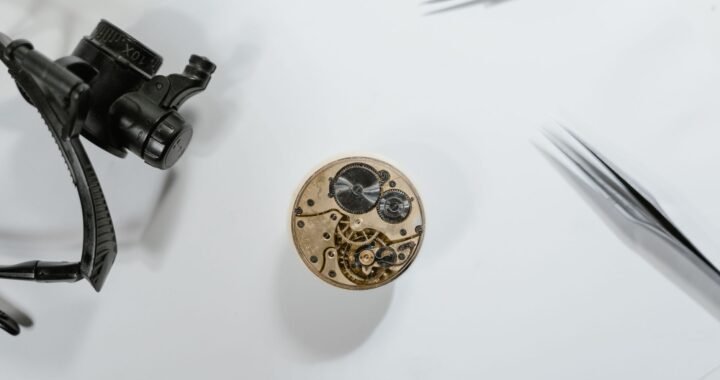
Think of a watch’s movement as its engine. The basic job of the engine is to keep the hands moving accurately. A complication is like adding extra features to that engine. It’s any mechanism that adds a function beyond just displaying the time. These can range from simple things like a date window to incredibly complex systems that track astronomical cycles.
The term “complication” comes from the French word “complication,” meaning complexity. It’s a nod to the incredible engineering and craftsmanship needed to build these extra functions into such a small space. For watchmakers, mastering complications is a sign of true skill. For collectors, watches with complications are often more desirable and valuable.
The King of Complications: The Chronograph
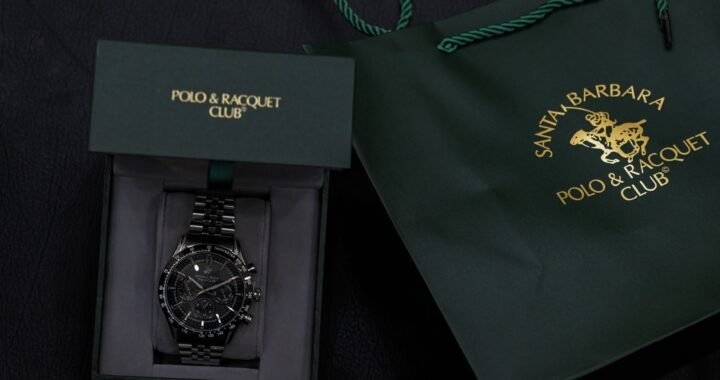
If you ask most people to name a watch complication, many will say the chronograph. This is essentially a stopwatch built into the watch. You’ll usually see two extra buttons on the side of the watch case, often called “pushers.” Pressing the top pusher starts the stopwatch, and pressing it again stops it. The bottom pusher resets the stopwatch hand back to zero.
Chronographs are super useful. You can time anything from your parking meter to a lap on a race track. Many famous watches feature chronographs. The Rolex Daytona is probably the most famous chronograph watch in the world. Other iconic chronographs include the Omega Speedmaster and the TAG Heuer Carrera. The movement inside a chronograph is quite complex, with many tiny parts working together to control the start, stop, and reset functions. Understanding the movement is key to appreciating the engineering of a chronograph.
The Mechanics of Timing
Inside a chronograph, there’s a column wheel or a cam system that controls the start and stop functions. These are often beautifully finished and visible on high-end watches. When you press the pusher, it engages a gear train that drives the central chronograph seconds hand. This hand often makes a full sweep around the dial, separate from the regular timekeeping seconds hand.
The chronograph also usually includes subdials on the main dial. These are small windows that track elapsed minutes and hours. Some chronographs even have a flyback function. This allows you to reset the stopwatch and start a new timing sequence with a single press of the pusher, which is very handy for timing intervals.
Keeping Track of Dates: Calendars
Another very popular type of complication is the calendar. This seems simple, but there are different levels of complexity.
The Date Window
The most basic calendar complication is a date window. You’ll see a small opening on the dial, usually at the 3 o’clock position, that shows the current date. The mechanism behind this is a rotating disc with numbers 1 through 31. A small hand or a disc advances the date once every 24 hours.
The Annual Calendar
This is a step up in complexity. An annual calendar watch automatically tracks the number of days in each month. It knows whether a month has 30 or 31 days. This means you only need to manually adjust the date once a year, usually at the end of February. The mechanism is more complex, involving gears that account for months with 30 days.
The Perpetual Calendar
This is where things get really impressive. A perpetual calendar complication is designed to correctly display the date, day of the week, and month for years to come, without any manual adjustment. It even accounts for leap years. This means it will correctly show February 29th in a leap year. These watches can be programmed to run correctly for decades, sometimes even a century, depending on the design.
Perpetual calendars are considered among the most difficult complications to create. They require hundreds of tiny parts working in perfect harmony. Brands like Patek Philippe and Audemars Piguet are famous for their incredibly complex perpetual calendar watches. Owning one is like owning a piece of watchmaking history.
A Glimpse of the Night Sky: Moonphase
The moonphase complication is one of the most poetic and visually appealing. It shows the current phase of the moon. Typically, this is displayed on a rotating disc under a semicircular aperture on the dial. The disc has two moons printed on it, and as it rotates, it shows the moon waxing (getting bigger) and waning (getting smaller), from a new moon to a full moon and back again.
The mechanism is driven by the watch’s main gear train and usually completes a full cycle every 29.5 days, which is the length of a lunar cycle. While not the most practical complication for everyday life, it adds a beautiful, almost romantic touch to a watch. Many dress watches and vintage-inspired timepieces feature a moonphase indicator.
Other Interesting Complications
The world of watch complications goes far beyond these. Here are a few more examples:
- World Time: Allows the wearer to see the time in multiple time zones simultaneously. This is incredibly useful for frequent travelers.
- Minute Repeater: A highly complex and rare complication that chimes the hours, quarter hours, and minutes on demand. It uses tiny hammers hitting gongs inside the watch case.
- Alarm: A mechanical alarm that can be set to ring at a specific time.
- Power Reserve Indicator: Shows how much “power” or wound spring energy is left in the watch. This tells you when it’s time to wind the watch.
Are Complications Worth It?
For many collectors, complications are what make a watch truly special. They represent incredible feats of engineering and craftsmanship. A watch with a complicated movement can be significantly more expensive than a simple time-only watch from the same brand.
For example, a basic Rolex Datejust might cost around $8,000 to $10,000 in 2026. However, a Rolex Daytona with a chronograph function, even pre-owned, can easily start at $20,000 and go much higher. A Patek Philippe perpetual calendar can cost upwards of $100,000, sometimes much more.
The value comes from the rarity, the complexity of the manufacturing, and the skill required to assemble and regulate these intricate mechanisms. A perpetual calendar, for instance, requires hundreds of tiny parts that must be perfectly fitted and adjusted. This takes thousands of hours of work by highly skilled watchmakers.
When Buying: What to Look For
If you’re interested in watches with complications, here are a few things to consider:
- Brand Reputation: Some brands are legendary for their complications. Patek Philippe, Audemars Piguet, Vacheron Constantin, and Breguet are known for their expertise in complex watchmaking.
- Service Costs: Complicated watches are more expensive to service. A standard watch might cost a few hundred dollars to service. A perpetual calendar or minute repeater could cost several thousand dollars. Always factor this into your ownership costs.
- Practicality: Think about how you’ll use the watch. A chronograph is very practical for many people. A moonphase is more for aesthetics. A perpetual calendar is a true horological statement piece.
- Condition: As with any watch, condition is crucial. For complicated watches, ensure all functions are working perfectly.
Frequently Asked Questions
What is the most basic complication?
The most basic complication is usually considered the date window, which shows the current date. Some might argue that even this is a step beyond simple time-telling.
Is a perpetual calendar worth the high price?
For a serious collector or enthusiast, the engineering and craftsmanship of a perpetual calendar can justify the high price. It’s a statement of ultimate watchmaking skill. For someone just needing to know the date, it’s likely not a practical purchase.
Are complications difficult to repair?
Yes, complications are generally very difficult and expensive to repair. They require specialized knowledge and tools. It’s important to have them serviced by qualified watchmakers.
Which complications are good for beginners?
A chronograph is often a good starting point for complicated watches. They are relatively common, useful, and visually interesting. A simple date function is also a very accessible complication.
Can a non-mechanical watch have complications?
While the term “complication” is traditionally associated with mechanical watches, some high-end quartz watches can also have complex functions like calendars or chronographs. However, the engineering and appeal are very different from mechanical complications.
The Allure of Mechanical Mastery
Complications are more than just extra features. They are a window into the soul of watchmaking. They represent centuries of innovation, engineering, and artistry packed into a device you wear on your wrist. Whether it’s the precise timing of a chronograph or the astronomical dance of a perpetual calendar, these mechanical marvels continue to fascinate us. When you look at a watch with a complication, you’re not just seeing the time; you’re seeing a piece of mechanical art. Consider exploring watches with a chronograph function as a great next step into the world of watch complications.