The Enduring Magic of Mechanical Watches: Why They Still Matter in 2026

Many people think of watches as just devices to tell time. But for watch lovers, a mechanical watch is much more. It’s a miniature machine. It’s a piece of history. It’s even art. In 2026, with smartphones showing the time on every screen, why are mechanical watches still so popular? Why do people spend thousands, even millions, on them? Let’s explore the fascinating world of mechanical watches, from their intricate workings to their lasting appeal.
Key Takeaways
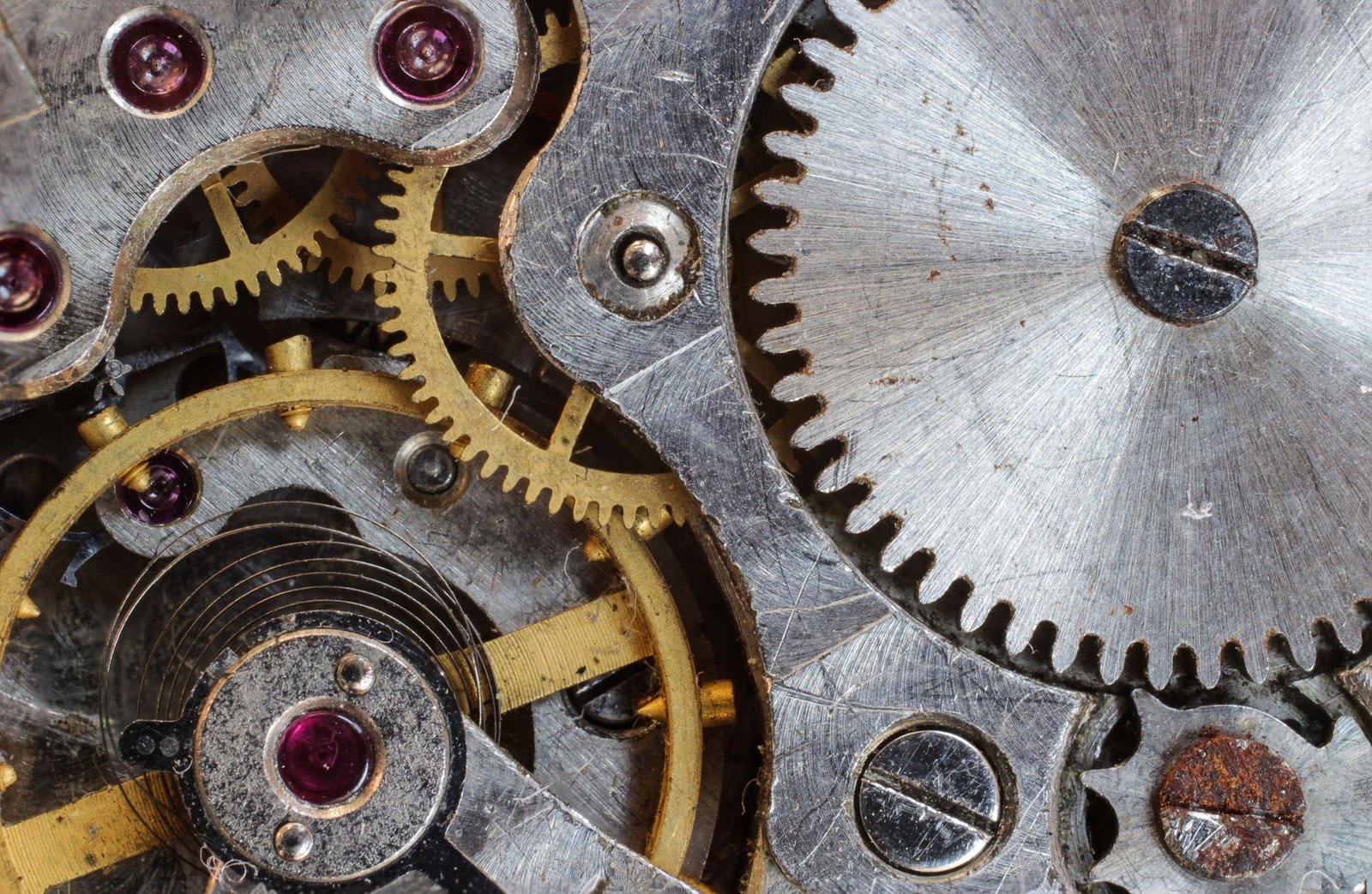
- Mechanical watches are complex machines with many moving parts, unlike quartz watches.
- The value of a mechanical watch is influenced by its movement, materials, rarity, brand heritage, and provenance.
- Investing in mechanical watches can be rewarding, but it requires knowledge and careful selection.
- Understanding watch maintenance and how to spot fakes is crucial for collectors.
- The history and stories behind specific watches add significant value and appeal.
A World of Gears and Springs: How Mechanical Watches Work
Unlike battery-powered quartz watches, mechanical watches are powered by a wound spring. This spring stores energy. Gears then transfer this energy to move the hands on the dial. There are two main types of mechanical movements. The first is the manual-wind movement. You have to turn the crown regularly to wind the spring. The second is the automatic-wind movement. This type winds itself using the motion of your wrist as you wear the watch. It’s a clever system that has been refined over centuries.
Test Your Watch Wisdom!
Discover how much you really know about the fascinating world, history, and value of mechanical watches by taking this quick quiz.
See your result instantly after answering.
The complexity of these movements is truly astonishing. A good mechanical watch movement can have over 100 tiny parts. These parts work together precisely to keep accurate time. Brands often spend years developing and perfecting their movements. This dedication to engineering is a big reason why mechanical watches are so admired. For example, a watch with a high-end in-house movement, like those from Patek Philippe or Audemars Piguet, is often considered more desirable than one with a standard, off-the-shelf movement. This is because the in-house movement shows a brand’s commitment to watchmaking excellence.
What Makes a Mechanical Watch Valuable?
Several factors determine if a mechanical watch is valuable or collectible. First, there’s the movement itself. A well-finished, complex, or historically significant movement adds value. Then come the materials. Watches made from precious metals like gold or platinum are generally more valuable than steel ones. However, the desirability of certain steel sports watches, like the Rolex Submariner, often makes them more valuable than gold dress watches. Rarity is also key. Limited edition models or watches produced in small numbers are highly sought after.
Brand heritage plays a huge role. Brands with a long history of quality watchmaking, like Omega, Jaeger-LeCoultre, and Vacheron Constantin, have built a reputation that commands higher prices. Think about Rolex. Their history of innovation and consistent quality has made their watches incredibly desirable. Finally, provenance can significantly increase a watch’s value. This means knowing the history of the specific watch, like who owned it before. A watch owned by a famous historical figure or a celebrity can fetch a much higher price at auction. For instance, Paul Newman’s Rolex Daytona sold for over $17 million in 2017, largely due to its famous owner and interesting story. Provenance can truly transform a watch’s story and value.
Buying and Investing in Mechanical Watches
Many people buy mechanical watches for pleasure. Others see them as an investment. It’s a market that has seen significant growth. However, it’s not a simple path to riches. You need to do your homework. Start by understanding what you like. Do you prefer vintage or modern watches? Sports watches or dress watches? Research brands and models that interest you. Look at past auction results and market trends. Websites like Chrono24 and specialized auction houses are good places to see what’s selling and for how much.
When buying, especially vintage watches, condition is critical. A watch in excellent original condition with its box and papers will always be worth more. Be wary of watches that have been heavily polished or have aftermarket parts. For new watches, buying from authorized dealers ensures authenticity. For vintage watches, buy from reputable dealers or be very careful with private sales. Understanding the market is key. Some brands and models hold their value better than others. For example, certain Rolex sports models, like the GMT Master II or the Submariner, have historically shown strong value retention and appreciation. Patek Philippe also consistently performs well at auction. It’s wise to start with something you genuinely love, as the market can be unpredictable.
A Brief History of Mechanical Timekeeping
Mechanical watches have a long and fascinating history. The earliest clocks were large, public devices. The idea of a portable timepiece began to develop in the 15th century. Early pocket watches were often inaccurate and very expensive. They were symbols of status for the wealthy. Over the centuries, watchmakers constantly improved the technology. Key innovations included the balance spring, which greatly improved accuracy, and the invention of the self-winding mechanism. The 20th century saw mechanical watches become more robust and accurate. This made them essential tools for military use, aviation, and exploration. Think of the Omega Speedmaster, which was developed for racing but became famous for its role in space travel. Even today, the fundamental principles of these historic designs are still present in many modern watches.
Famous Faces and Their Timepieces
Throughout history, many famous people have been associated with specific watches. These associations often add to the watch’s allure. James Bond’s association with the Omega Seamaster (and earlier, the Rolex Submariner) is legendary. This connection has made these models incredibly popular. Astronauts rely on robust, accurate watches. The first watch worn on the Moon was a Bulova. Buzz Aldrin wore a Speedmaster Professional during the Apollo 11 mission, cementing its status as a legendary watch. President John F. Kennedy was often seen wearing a Rolex Day-Date. This elevated the watch’s status as a presidential timepiece. These famous owners and their stories are part of what makes watches so interesting. They connect us to history, culture, and aspiration.
Maintenance and Authentication: Keeping Your Watch in Top Shape
Owning a mechanical watch comes with responsibility. Regular maintenance is essential to keep it running well. Most mechanical watches need servicing every 3 to 5 years. This involves disassembling the movement, cleaning the parts, lubricating them, and reassembling everything. It’s a skilled job that should only be done by a qualified watchmaker. Neglecting servicing can lead to wear and tear on the movement, potentially causing expensive damage.
Authenticating watches, especially vintage ones, is also crucial. Fakes and heavily altered watches are common in the market. Look for consistency in details. Does the dial printing look sharp? Are the logos correct? Does the movement match the brand and model? Researching serial numbers and production years can help. If a deal seems too good to be true, it probably is. Always buy from trusted sources. Reputable dealers will offer guarantees of authenticity. For high-value purchases, consider having the watch inspected by an independent watchmaker before buying.
Comparing Icons: Rolex vs. Omega
When people start looking at luxury mechanical watches, Rolex and Omega are often at the top of their lists. Both brands have incredible histories and make excellent watches. But they offer different things to the collector.
| Feature | Rolex | Omega |
|---|---|---|
| Brand Perception | Ultimate status symbol, strong investment value, perceived as highly robust. | Pioneering spirit, historical achievements (space, Olympics), strong value and innovation. |
| Iconic Models | Submariner, Daytona, GMT Master II, Datejust. | Speedmaster (Moonwatch), Seamaster, Constellation. |
| Movement Technology | In-house, known for reliability and precision, often with high-tech features like Parachrom hairsprings. | In-house Co-Axial movements, known for long service intervals and anti-magnetic properties. |
| Price Range (New) | Generally higher starting price, significant waiting lists for popular models. | More accessible entry points, wide range of options across different price brackets. |
| Vintage Market | Extremely strong, high demand, excellent value retention. | Growing interest, particularly for early Speedmaster and Seamaster models. |
Rolex is often seen as the king of watch investments. Their models tend to hold their value exceptionally well and often appreciate. The brand is synonymous with luxury and success. Omega, on the other hand, offers incredible value and has a rich history of innovation and adventure. The Speedmaster Professional, for example, is one of the most historically significant chronographs ever made. Understanding the history of chronographs like the Speedmaster is key. Choosing between them often comes down to personal preference and budget. Both brands produce fantastic mechanical timepieces that can be enjoyed for a lifetime.
Frequently Asked Questions
What’s the difference between mechanical and quartz watches?
Mechanical watches use a wound spring and gears to tell time, powered by your movement or manual winding. Quartz watches use a battery and a quartz crystal to keep time, which is generally more accurate and requires less maintenance.
Are vintage watches a good investment?
Some vintage watches can be excellent investments, but it’s not guaranteed. Value depends on rarity, condition, brand, historical significance, and market demand. Thorough research and buying from reputable sources are essential.
How often should a mechanical watch be serviced?
Most watchmakers recommend servicing a mechanical watch every 3 to 5 years. This ensures the lubrication is fresh and all parts are functioning correctly, preventing excessive wear.
What does “in-house movement” mean?
An in-house movement is a mechanical movement designed, manufactured, and assembled entirely by the watch brand itself. This is often seen as a mark of a brand’s watchmaking expertise and can increase a watch’s desirability.
How can I spot a fake watch?
Look for poor finishing, incorrect logos or text, lightweight feel, and inaccurate movements. Research the specific model thoroughly. If possible, buy from authorized dealers or trusted vintage watch specialists who guarantee authenticity.
Mechanical watches are more than just time-telling devices. They are a blend of engineering, history, and personal expression. Whether you’re drawn to the intricate mechanics, the rich heritage, or the potential for appreciation, there’s a mechanical watch out there for you. Start by learning, exploring, and finding a piece that speaks to you personally.


[…] Automatic movements have a clever feature called a rotor. This is a weighted, semi-circular piece of metal that swings freely inside the watch case. As you move your wrist throughout the day, the rotor spins. This spinning action winds the mainspring automatically. So, as long as you wear the watch regularly, it will keep ticking without you needing to wind it manually. This makes them very convenient. Many popular vintage sports watches, like certain Rolex models, are automatic. To learn more about the enduring magic of mechanical watches, check out The Enduring Magic of Mechanical Watches: Why They Still Matter in 2026. […]