The Art of the Vintage Chronograph: History, Value, and Top Picks

Vintage chronographs are more than just watches that tell time. They are mechanical marvels with a rich history. Many have unique stories. They can also be great investments. If you’re curious about these special timepieces, this article is for you. We’ll look at what makes them so appealing, some famous examples, and what to consider if you want to buy one.
Key Takeaways
- Vintage chronographs combine stopwatch functions with timekeeping, making them complex and historically significant.
- Rarity, condition, brand heritage, movement type, and provenance all contribute to a chronograph’s value.
- Iconic models like the Rolex Daytona, Omega Speedmaster, and Heuer Carrera are highly sought after.
- Buying a vintage chronograph requires research, understanding market trends, and careful inspection for authenticity and condition.
- The market for vintage chronographs remains strong, with certain models showing significant appreciation in value.
What is a Chronograph Watch?
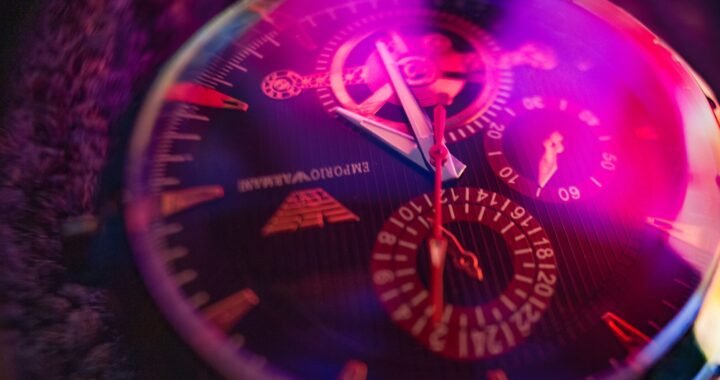
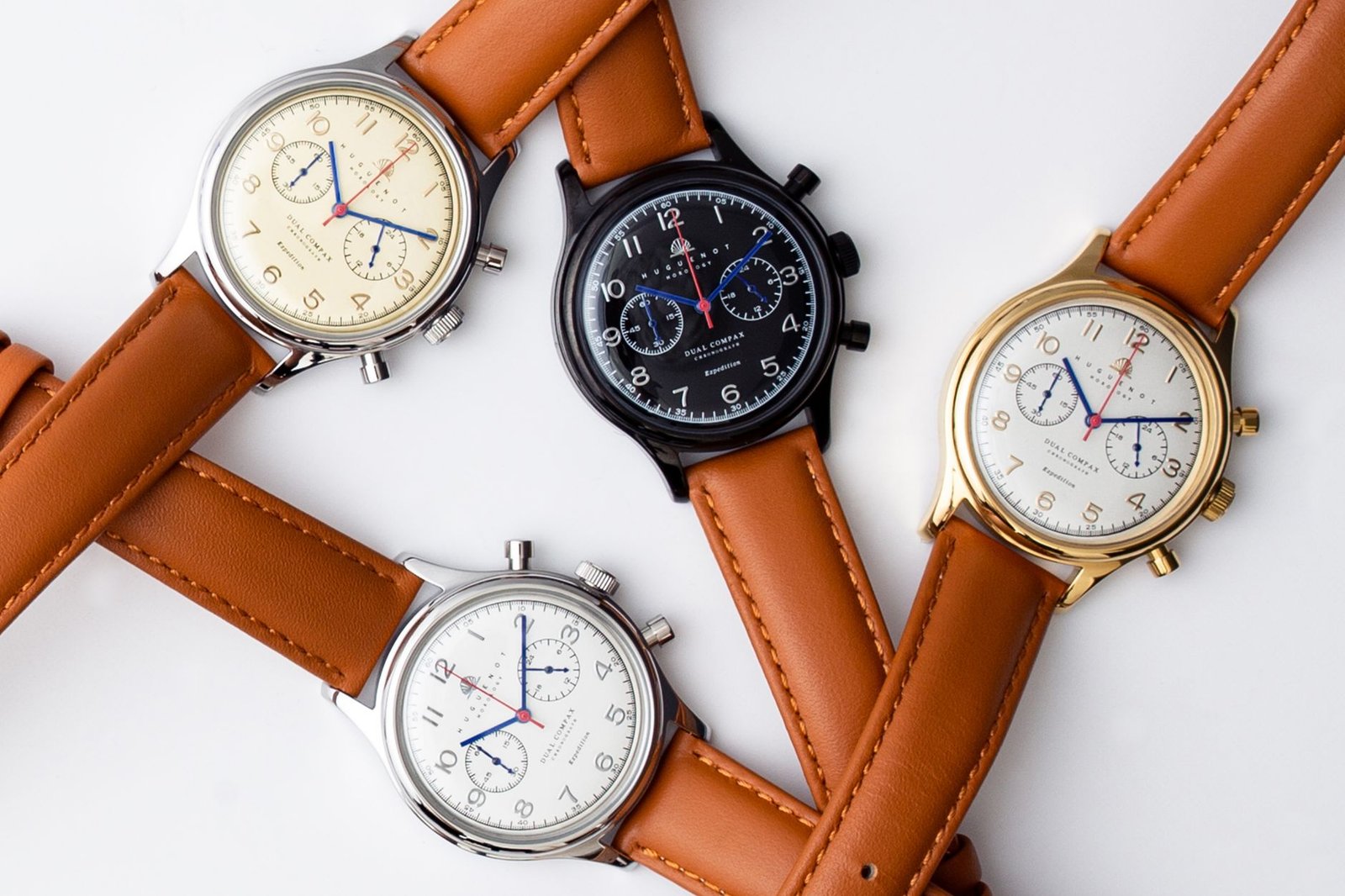
A chronograph is a watch with a stopwatch function. It has extra buttons on the side to start, stop, and reset the stopwatch. These watches often have sub-dials on the main watch face. These sub-dials track elapsed seconds, minutes, and sometimes hours. This complexity makes them fascinating. It also means they have a rich history tied to racing, aviation, and science.
The first chronographs appeared in the 19th century. They were crucial tools for precise timing. Think about race car drivers needing to time laps or pilots calculating flight paths. The technology inside these watches is quite advanced. A typical chronograph movement has many more parts than a simple time-only watch. This mechanical complexity is a big part of their charm and value.
What Makes a Vintage Chronograph Valuable?
Several factors determine if a vintage chronograph is valuable. It’s not just about the brand name. Rarity plays a huge role. If only a few were made, they are naturally more desirable. The condition of the watch is also critical. A watch in original, well-preserved condition is worth much more than one that has been heavily repaired or worn down.
The movement, the engine of the watch, is very important. Some vintage chronograph movements are legendary for their engineering and reliability. Brands like Valjoux, Lemania, and column-wheel chronographs are highly prized. The materials used also matter. Steel is common, but watches made from precious metals like gold or platinum can be more valuable. Provenance, the history of ownership, can also add significant value. If a watch belonged to a famous person or was used in a significant event, it becomes much more collectible.
Iconic Vintage Chronograph Models and Brands
Certain vintage chronographs have achieved legendary status. They are admired by collectors worldwide. Some brands are synonymous with chronograph excellence.
Rolex Daytona
The Rolex Daytona is arguably the most famous vintage chronograph. Introduced in 1963, it was designed for race car drivers. The early manual-wind models, especially those with the reference number 6239, are incredibly sought after. The “Paul Newman” Daytona, named after the actor who famously wore one, can fetch millions of dollars at auction. Its value comes from its racing heritage, Rolex’s reputation, and its relative rarity.
Omega Speedmaster
The Omega Speedmaster has a unique place in history as the first watch worn on the Moon. Since its selection for NASA’s Gemini program in the 1960s, it has been the watch of choice for astronauts. The “Moonwatch,” particularly the early professional models like the CK2915 or the 105.012, are highly collectible. Its connection to space exploration gives it immense historical significance and desirability.
Heuer Carrera
Jack Heuer, the grandson of the founder, designed the Carrera in 1963. He wanted a watch specifically for race car drivers. It was known for its clean, legible dial. Early models, like the reference 3647 or 7753, are very popular. Heuer’s racing heritage and the Carrera’s stylish design make it a favorite among collectors.
Other Notable Mentions
Beyond these giants, many other vintage chronographs are worth exploring. Brands like Breitling (especially the Navitimer), Universal Genève (the Compax models), and Longines (the 13ZN movement chronographs) produce highly collectible pieces. Each has its own story and appeal to collectors.
Buying and Investing in Vintage Chronographs
Purchasing a vintage chronograph can be exciting, but it requires careful consideration. It’s important to do your homework. Understand the market and the specific models you are interested in.
Where to Buy
You can find vintage chronographs at various places. Reputable watch dealers, auction houses, and established online platforms are good starting points. Be wary of private sales from unknown sources. It’s easy to encounter fakes or watches in poor condition.
What to Look For
When inspecting a watch, check for originality. Are the hands, dial, and bezel all correct for the model and year? Examine the case for signs of over-polishing, which can reduce value. The movement should be clean and running well. Ideally, it should have a service history. Always ask for documentation and proof of authenticity if possible.
Investment Potential
The vintage watch market, including chronographs, has seen strong growth. Certain models have appreciated significantly over the years. However, it’s important to remember that watches are not guaranteed investments. Prices can fluctuate. Buying a watch you genuinely love and appreciate is often a better approach than purely focusing on financial returns. The market for well-preserved, historically significant chronographs from major brands remains robust.
Watch History and Evolution of Chronographs
The story of the chronograph is intertwined with technological advancement and human endeavor. Early chronographs were purely mechanical, often using complex lever systems. In 1816, French watchmaker Louis Moinet created what is considered the first chronograph movement. This was a significant step towards precise time measurement for scientific observation.
The early 20th century saw chronographs become more accessible. Brands like Longines and Breitling developed reliable movements. The 1930s and 1940s were a golden age for watchmaking. Many of the foundational chronograph designs we see today emerged during this period. These watches were essential for pilots and military personnel during World War II.
The post-war era brought new innovations. Automatic winding mechanisms were integrated into chronographs. This made them more convenient for daily wear. The 1960s and 1970s were particularly exciting. This period saw the introduction of iconic models like the Rolex Daytona, the Heuer Carrera, and the Zenith El Primero. The quartz crisis in the 1970s threatened mechanical watchmaking, but chronographs from this era have become highly collectible precisely because of their mechanical prowess in the face of this challenge.
Famous Owners and Watches with Stories
Many famous individuals have been associated with iconic chronographs. These connections add to the allure and value of the watches.
Paul Newman
As mentioned earlier, actor Paul Newman was a keen racing enthusiast. He was often photographed wearing his Rolex Daytona, reference 6239. The specific watch he owned, with a custom “exotic” dial, sold for over $17 million at auction in 2017. His association cemented the Daytona’s legendary status.
Buzz Aldrin
Astronaut Buzz Aldrin wore his Omega Speedmaster Professional on the Apollo 11 mission in 1969. This watch is now on display at the National Air and Space Museum. It represents a pivotal moment in human history and the reliability of the Speedmaster.
Racing Legends
Many Formula 1 drivers and motorsport personalities have favored chronographs. Jacky Ickx, a Belgian racing driver, famously had a range of watches named after him by Heuer. These watches, often based on the Camaro or Autavia models, are highly desirable among collectors who appreciate their racing pedigree.
Maintenance and Authentication
Owning a vintage chronograph means taking care of it. Proper maintenance ensures it keeps ticking for years to come and retains its value.
Maintenance Tips
Vintage mechanical watches, especially chronographs with complex movements, require regular servicing. A full service typically involves disassembling the movement, cleaning all parts, lubricating them, and reassembling. This should be done every 3 to 5 years by a qualified watchmaker experienced with vintage pieces. Avoid exposing vintage watches to water unless you are absolutely certain of their water resistance, which is often compromised with age. Also, be gentle with the chronograph pushers.
Authentication
Authentication is crucial when buying vintage chronographs. Counterfeits and frankenwatches (watches assembled from parts of different watches) are common. Look for inconsistencies in the dial printing, lume (the luminous material on hands and markers), case finishing, and engravings. Research the specific reference number thoroughly. Compare the watch you are considering to known genuine examples. If possible, buy from a trusted dealer with a good return policy. Never buy based on photos alone; inspect the watch in person if you can.
Frequently Asked Questions
What is the difference between a chronograph and a stopwatch?
A stopwatch is a standalone device used purely for timing. A chronograph is a watch that *includes* a stopwatch function built into its movement. It tells regular time and can also measure elapsed time.
Are vintage chronographs a good investment in 2026?
The market for desirable vintage chronographs has shown strong appreciation historically. However, like any investment, prices can fluctuate. Focus on buying pieces you love, in good condition, from reputable brands, as these tend to hold value best.
How often should a vintage chronograph be serviced?
It’s generally recommended to have a vintage chronograph serviced every 3 to 5 years. This ensures the complex movement remains in good working order and prevents potential damage from dried-out lubricants.
What does “manual-wind” mean for a chronograph?
A manual-wind chronograph requires the wearer to wind the crown regularly, usually daily, to store energy in the mainspring. This is in contrast to an automatic watch, which winds itself using the motion of the wearer’s wrist.
What is a “column wheel” chronograph?
A column wheel chronograph is a type of mechanical chronograph movement that uses a rotating column wheel to control the start, stop, and reset functions of the stopwatch. These are generally considered more advanced and desirable than cam-actuated movements, often found in higher-end vintage chronographs.
The Enduring Appeal
Vintage chronographs represent a perfect blend of history, engineering, and style. They are more than just tools; they are pieces of art with stories to tell. For anyone fascinated by mechanical watches, exploring the world of vintage chronographs is a rewarding path. Take your time, do your research, and you might just find a piece of history that speaks to you.