The Golden Age of Watch Collecting: Investing in Pre-Owned Luxury Timepieces

If you’ve ever found yourself admiring a beautiful watch, maybe on someone’s wrist or in a shop window, you might be wondering about the world beyond just telling time. Luxury watches, especially vintage ones, are more than just accessories. They’re pieces of art, history, and for some, a smart way to invest. But where do you start? This guide focuses on how pre-owned luxury watches have become a serious market for collectors and investors alike, looking at what makes them tick as an asset.
Key Takeaways
- Pre-owned luxury watches, particularly from brands like Rolex and Patek Philippe, have shown strong investment potential in recent years.
- Factors like brand heritage, movement complexity, material, rarity, and provenance significantly influence a watch’s value.
- The market for pre-owned watches is accessible, with many platforms offering authentication services.
- Understanding market trends and performing due diligence are crucial for successful watch collecting and investment.
- Proper maintenance and authentication are key to preserving a watch’s value and ensuring its authenticity.
Why Pre-Owned Luxury Watches Make Sense
The market for pre-owned luxury watches has exploded. It’s not just about finding a bargain anymore. Many people are now buying watches as an alternative investment, and frankly, they’re often outperforming other traditional assets. Think about it: a beautifully crafted mechanical watch from a respected brand has intrinsic value built into it. It’s made of precious metals, complex engineering, and carries a history. When you buy pre-owned, you’re often getting a piece that has already depreciated from its new retail price, but its value can hold steady or even increase over time, especially for sought-after models.
Brands like Rolex, Patek Philippe, Audemars Piguet, and Omega are consistently in demand. These aren’t just names; they represent decades of craftsmanship, innovation, and a certain status. A vintage Rolex Submariner, for instance, isn’t just a watch; it’s a piece of history that many aspire to own. The demand for these iconic pieces, particularly those from the mid-20th century, remains incredibly high. This sustained interest from collectors, enthusiasts, and investors creates a stable, and often appreciating, market for these timepieces.
What Makes a Watch Valuable and Collectible?
Several factors contribute to a watch’s desirability and potential to increase in value. It’s not just one thing; it’s a combination. Understanding these elements is key to collecting wisely.
Brand Heritage and Reputation
Established brands have a significant advantage. Patek Philippe, for example, has a reputation for unparalleled craftsmanship and exclusivity, with many of its watches fetching astronomical prices at auction. Their slogan, “You never actually own a Patek Philippe. You merely look after it for the next generation,” speaks volumes about their brand philosophy and the enduring legacy of their timepieces. Similarly, Rolex has built a name for reliability, robustness, and desirability, making models like the Daytona and Submariner highly sought after, even decades after their initial release.
Movement Type and Complexity
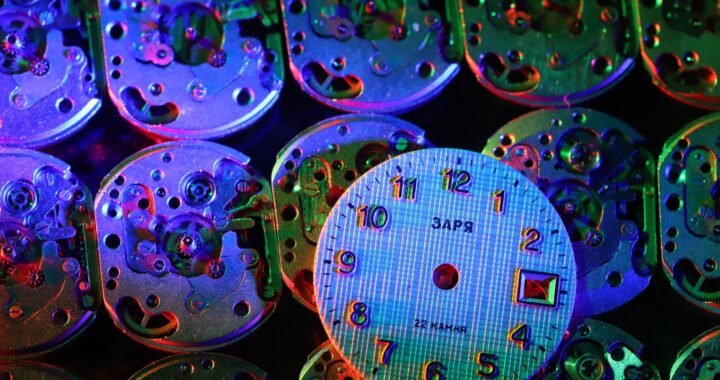
At the heart of every mechanical watch is its movement, the engine that makes it tick. For collectors, mechanical movements are far more appealing than quartz. Within mechanical movements, there’s a hierarchy. Manual wind movements and automatic (self-winding) movements are both prized. The complexity of a movement also adds value. Complications, which are functions beyond simply telling the time, significantly increase a watch’s worth. These can include chronographs (stopwatches), perpetual calendars (which track the date, day, month, and year, including leap years), minute repeaters (which chime the hours, quarters, and minutes), and tourbillons (mechanisms designed to counteract the effects of gravity on the watch’s accuracy). A Patek Philippe Grand Complication, with multiple such functions, is a pinnacle of watchmaking achievement and a highly valuable collectible.
Materials and Craftsmanship
The materials used play a crucial role. While stainless steel is common and durable, watches made from precious metals like gold (yellow, white, rose), platinum, or even rare metals like titanium or ceramic can command higher prices. The quality of the finishing is also paramount. Look for beautifully decorated movements, polished cases, and well-crafted dials. Brands known for their meticulous finishing, like Vacheron Constantin or A. Lange & Söhne, often have watches that are highly prized for their artistry as much as their function.
Rarity and Production Numbers
Scarcity drives value. Limited edition models, watches produced in small quantities, or those that were only made for a short period are naturally more collectible. For instance, certain rare references of the Rolex Daytona, especially those with exotic dials from the 1960s and 70s, are incredibly rare and command prices well into the hundreds of thousands, or even millions, of dollars. Even less-produced variations of more common models can become highly sought after by dedicated collectors.
Provenance and Condition
Provenance, the history of ownership, can add significant value. A watch owned by a famous historical figure, a celebrity, or one that has a documented connection to a significant event can be worth exponentially more. For example, Paul Newman’s Rolex Daytona, which sold for a record-breaking $17.8 million in 2017, is a prime example of provenance driving extreme value. Condition is also critical. A watch in excellent, original condition with its box, papers, and service history will always be worth more than one that is heavily worn, damaged, or has had non-original parts fitted.
Buying and Investing in the Market
The pre-owned luxury watch market is more accessible than ever. You don’t need to be a millionaire to start. Many reputable online platforms and brick-and-mortar dealers specialize in pre-owned luxury watches. These businesses often have experts who can authenticate watches and provide details about their history and condition.
Where to Buy
Online marketplaces like Chrono24, Bob’s Watches, and Watchfinder are popular choices. These platforms often have large inventories and offer buyer protection and authentication services. Auction houses like Sotheby’s and Christie’s also have dedicated watch departments and hold regular auctions where rare and significant timepieces come up for sale. For those who prefer a more personal touch, local vintage watch dealers or jewelers can be a great resource, though their selection might be more limited.
Authentication is Key
When buying pre-owned, especially online or from less established sources, authentication is paramount. Counterfeits are a problem in the watch world. Reputable dealers will offer guarantees of authenticity. Look for sellers who provide detailed photos, clear descriptions, and have strong return policies. If possible, buying from a dealer who has a physical presence can offer an extra layer of security. A watch that has been recently serviced by an authorized service center or a reputable independent watchmaker can also be a good sign of its care and authenticity.
Understanding Market Trends
Like any investment, it pays to do your homework. Follow watch news sites, blogs, and forums to understand which brands and models are currently in demand. Prices can fluctuate based on market sentiment, new releases from brands, and economic conditions. For example, the “Neo-Vintage” era, typically referring to watches from the late 1980s to early 2000s, has seen a surge in popularity as these pieces are often more affordable than true vintage but still possess classic designs and robust mechanical movements. If you’re considering a specific watch, research its past sales data to get an idea of its appreciation potential.
A Brief History of Iconic Timepieces
The story of watchmaking is rich and long. While pocket watches were the norm for centuries, the wristwatch gained prominence in the early 20th century. Early adopters were often military personnel and aviators who needed a more convenient way to check the time. The evolution of the wristwatch saw innovations like water resistance, shock resistance, and automatic winding. Several models have become true legends:
Rolex Submariner: Introduced in 1953, it set the standard for dive watches. Its robust design and iconic look have made it a constant favorite for decades. Early models, like the ref. 6538 worn by Sean Connery as James Bond, are highly prized.
Omega Speedmaster: Famously known as the “Moonwatch,” it was the first watch worn on the moon during the Apollo 11 mission in 1969. Its ruggedness and precise chronograph function made it essential for NASA astronauts.
Patek Philippe Calatrava: A symbol of understated elegance, the Calatrava, first introduced in the 1930s, represents classic dress watch design. Its clean dial and refined case make it a timeless piece.
Audemars Piguet Royal Oak: Designed by Gérald Genta and launched in 1972, this watch revolutionized the luxury sports watch category with its distinctive octagonal bezel and integrated bracelet. It was a bold statement when luxury was typically associated with precious metals and dressier styles.
Maintenance and Preservation
Owning a valuable watch means taking care of it. Mechanical watches require periodic servicing to keep them running accurately and prevent wear. A typical service involves disassembling the movement, cleaning all the parts, replacing worn components, lubricating, reassembling, and regulating the watch. The frequency of service depends on the watch and how it’s used, but generally, every 5 to 7 years is recommended for a modern mechanical watch. For vintage pieces, this can vary, and it’s often best to consult with a specialist.
Proper storage is also important. Keep watches away from extreme temperatures, magnetic fields (which can affect accuracy), and direct sunlight. If you have a watch with a leather strap, avoid getting it wet, as this can damage the leather and affect its lifespan. For watches with valuable original dials or components, it’s often advisable to keep them in as original condition as possible. Replacing a dial or hands on a rare vintage watch can significantly decrease its value, so any repairs or restorations should be done with extreme care and consideration.
Frequently Asked Questions
What is the best brand for watch investment?
Brands with a long history of quality, innovation, and consistent demand are generally the best for investment. Rolex, Patek Philippe, and Audemars Piguet are consistently at the top, with specific models from these brands showing strong appreciation over time. However, other brands like Omega and Jaeger-LeCoultre also have highly collectible models.
How often should I service my luxury watch?
For modern mechanical watches, a service every 5 to 7 years is generally recommended. For vintage watches, the interval might be shorter, or it might depend on the specific watch and its condition. It’s always best to consult with a qualified watchmaker or the manufacturer for specific recommendations.
Can I wear my vintage watch every day?
It depends on the watch and your lifestyle. Many vintage watches, especially those made before the 1980s, were not designed for the robust use many people subject their watches to today. While some vintage watches, like a Rolex Submariner from the 1960s, are quite durable, it’s generally advisable to be cautious. Avoid wearing very rare or delicate vintage pieces for strenuous activities, swimming, or in environments where they could be easily damaged.
What’s the difference between vintage and neo-vintage watches?
Generally, ‘vintage’ watches refer to timepieces that are around 30 years old or older, often from the mid-20th century. ‘Neo-vintage’ typically describes watches from the late 1980s through the early 2000s. Neo-vintage watches are often more accessible, use more modern (though still mechanical) movements, and can be a great entry point for new collectors looking for quality and style without the highest prices.
Are there risks associated with buying pre-owned watches?
Yes, there are risks, primarily around authenticity and condition. Counterfeit watches are a significant issue, and a watch’s condition can impact its value and functionality. Buying from reputable dealers with strong authentication processes and return policies, and doing thorough research, can mitigate these risks.
The Future of Pre-Owned Watch Collecting
The market for pre-owned luxury watches is showing no signs of slowing down. As more people appreciate the artistry, history, and investment potential of these timepieces, demand is likely to remain strong. For those curious about watches, the pre-owned market offers a fantastic way to enter the world of horology, find a piece with a story, and potentially see your investment grow. Start by identifying brands and models that genuinely interest you, do your research, and buy from trusted sources. The world of horology is deep and rewarding, and your next great timepiece might just be waiting in the pre-owned market.