The Untold Stories Behind Your Watch’s Value: Beyond the Price Tag

When you look at a vintage watch, what do you see? Maybe it’s just an old timepiece. Or perhaps it’s a beautiful piece of history on your wrist. For many collectors, it’s both. But there’s a lot more going on behind the scenes that makes certain watches incredibly valuable. It’s not just about the brand name or the shiny metal. There are hidden factors that collectors and investors look for. Let’s explore what really makes a watch special and worth more than its original price.
Key Takeaways
- A watch’s value is built on more than just its brand; rarity, condition, materials, and unique history play crucial roles.
- Mechanical movements, especially those with in-house calibers, are often more desirable than quartz movements for collectors.
- Provenance, or the documented history of a watch’s ownership, can significantly increase its desirability and value.
- Understanding watch maintenance and authentication is key to both preserving value and making smart buying decisions.
- The watch market in 2026 continues to show strong interest in well-maintained vintage pieces with significant historical connections.
What Makes a Watch Truly Collectible?
It’s easy to think that just because a watch is old, it’s automatically valuable. That’s not quite right. Many things come together to make a watch a sought-after collectible. Think about it like fine art or classic cars. Some are rare and iconic, while others are more common. The same applies to watches.
One of the biggest factors is rarity. If only a few hundred of a particular model were ever made, it’s naturally going to be more sought after than a model that had tens of thousands produced. Collectors love to own something unique, something not everyone else has. This scarcity drives up demand and, consequently, price.
Then there’s the condition. A watch that has been well-preserved over the decades will always be worth more than one that’s been heavily damaged or poorly repaired. Collectors look for watches with original parts, clear dials, and cases that haven’t been over-polished. Even small details, like the original hands or the crispness of the engraving, can make a big difference.
The Heart of the Watch: Movements and Materials
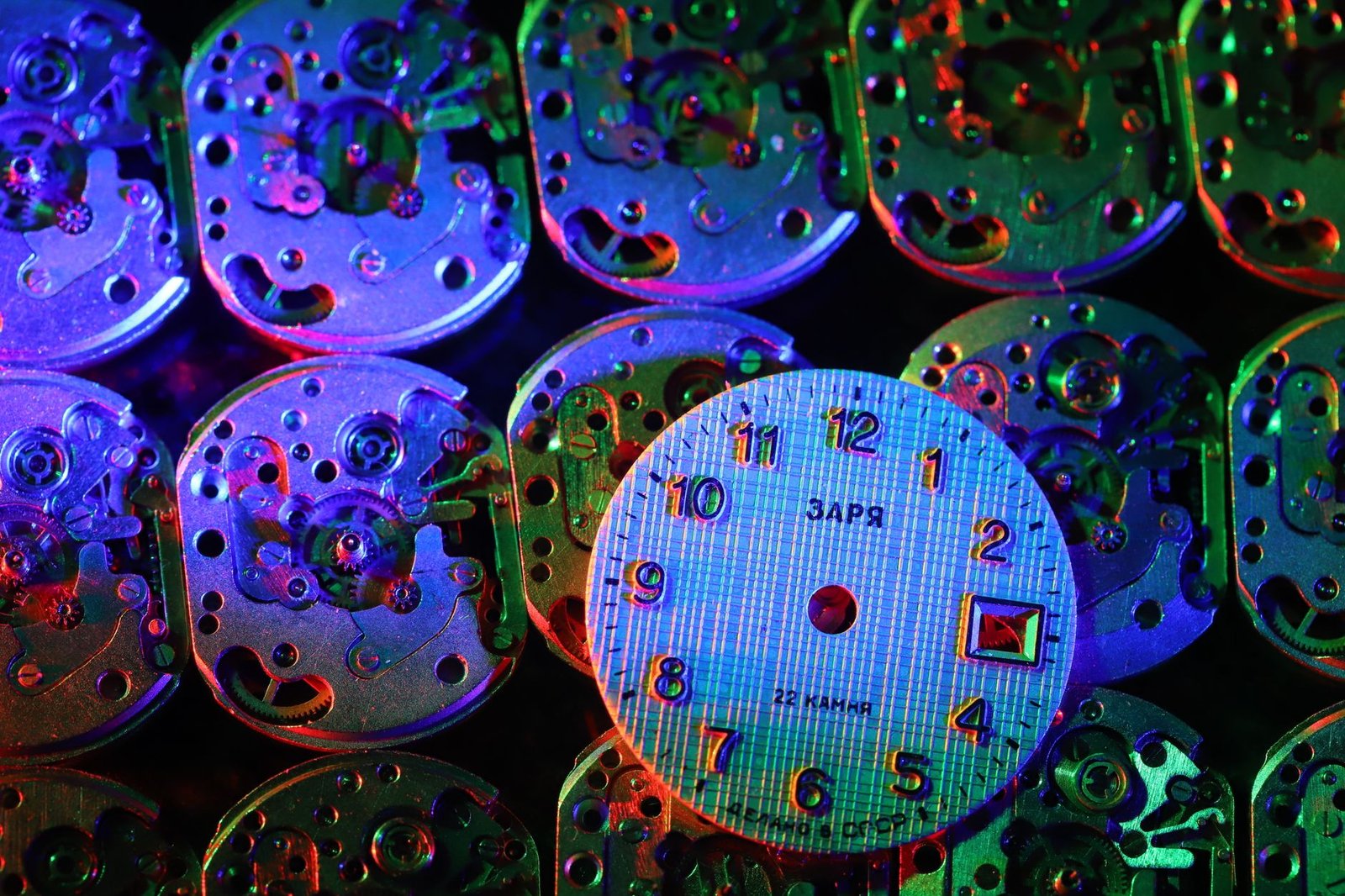
The engine inside a watch, its movement, is critical. For vintage collectors, mechanical movements are usually king. These are the complex systems of gears, springs, and levers that tick away without batteries. They represent incredible feats of micro-engineering. Many enthusiasts prefer watches with “in-house” movements. This means the brand designed and built the movement itself, not one bought from a third-party supplier.
Brands like Patek Philippe, Audemars Piguet, and Vacheron Constantin are famous for their sophisticated in-house calibers. These movements are often intricate and beautifully finished. They are complex mechanical marvels that enthusiasts love to study. A well-maintained mechanical movement from a reputable brand is a strong indicator of quality and potential value. This is a key difference from modern quartz watches, which use batteries and electronic circuits. While quartz watches are accurate and affordable, they typically don’t hold the same collectible appeal as mechanical ones for enthusiasts.
The materials used also matter a lot. Gold, platinum, and even stainless steel from certain eras can be highly desirable. For example, early stainless steel watches from brands like Rolex or Omega are highly prized. They were built to be robust and reliable. Watches made from precious metals, especially solid gold or platinum, will naturally have a higher baseline value due to the metal content alone. However, the desirability of the model and its condition are still paramount, even with precious metals.
Brand Heritage and Provenance: The Story Matters
Some watch brands have a long history of innovation and quality. This brand heritage builds trust and desirability. Think of brands like Rolex, known for its durability and precision. Or Omega, famous for its association with space exploration and the Olympics. Brands with a storied past often have models that have become iconic over time.
Provenance is another huge piece of the puzzle, and it’s something that often gets overlooked. This refers to the documented history of a watch’s ownership. Did it belong to a famous historical figure? Was it worn during a significant event? A watch owned by someone famous, like a president, an athlete, or a movie star, can fetch astronomical prices. Even a watch with a verifiable history of ownership within a notable family can increase its appeal. This history adds a layer of narrative and prestige that goes far beyond the watch itself. For instance, a watch that was present at a major historical moment, and can be proven to be so, becomes a tangible piece of that history.
Collectors often want to know the life story of their watch. Was it a gift? Was it a reward for achievement? This information, when verifiable, makes the watch more than just an object; it becomes a piece of someone’s life. This is where the secret language of watch serial numbers can sometimes come into play, offering clues about the watch’s production period, which ties into its historical context.
Buying and Investing in Vintage Watches in 2026
Investing in watches can be exciting, but it’s also important to be smart about it. The market in 2026 is still strong for well-chosen vintage pieces. However, prices for some popular models have become very high. It’s crucial to do your homework before buying.
One of the best strategies is to buy what you love. If you’re passionate about a particular brand or model, you’re more likely to enjoy owning it, regardless of its investment performance. But if investing is a primary goal, focus on brands with a consistent track record. Look for models that have historically held their value or appreciated over time. These often include certain references from Rolex, Omega, Patek Philippe, and Audemars Piguet.
Always buy from reputable dealers or auction houses. Be wary of deals that seem too good to be true. Counterfeits are a real problem in the watch world, especially for high-value vintage pieces. A trusted seller will offer authenticity guarantees and be transparent about the watch’s condition and history.
Research is Your Best Friend
Before you buy, research thoroughly. Understand the specific reference numbers, production years, and common variations of the models you’re interested in. Online forums, watch blogs, and auction result databases are great resources. Knowledge is your most powerful tool when investing in watches. Understanding the market trends and what drives value helps you make informed decisions.
Consider the long-term view. Watch values can fluctuate. While some watches have seen incredible growth, it’s not a get-rich-quick scheme. Think of it as acquiring tangible assets with the potential for appreciation over many years. The market for pre-owned luxury timepieces remains active, and a well-chosen piece can be a sound addition to an investment portfolio.
Watch Maintenance and Authentication: Keeping Your Investment Safe
Owning a vintage watch comes with responsibility. Proper maintenance is key to preserving its condition and value. Mechanical watches need regular servicing. This typically involves cleaning, lubricating, and adjusting the movement. Most experts recommend a service every five to ten years, depending on the watch and how often it’s worn.
When servicing, it’s vital to use watchmakers who specialize in vintage timepieces. They understand the delicate nature of older movements and have access to the right parts. Be cautious about excessive restoration. While some work is necessary, over-polishing the case or replacing original parts with modern ones can actually decrease a watch’s value. Sometimes, a bit of visible wear is preferred by collectors as it shows the watch has lived a life.
Authentication is equally important, especially when buying. A fake watch can look very convincing. Look for details like the quality of the dial printing, the feel of the case, the weight of the watch, and the serial number engravings. If you’re unsure, always get a professional opinion. Reputable dealers and authenticators can help you verify if a watch is genuine before you make a purchase. This is crucial to avoid costly mistakes.
Iconic Models and Their Enduring Appeal
Certain watch models have achieved legendary status. They are instantly recognizable and highly sought after by collectors worldwide. These are the watches that often define eras and inspire new designs.
The Rolex Submariner, for example, is more than just a dive watch. It’s a cultural icon. Introduced in 1953, it set the standard for professional dive watches. Its robust design, water resistance, and distinctive look have made it a favorite for decades. Different references of the Submariner, especially those from the 1950s and 1960s, are incredibly valuable today.
Another icon is the Omega Speedmaster Professional. Famously known as the “Moonwatch,” it was the first watch worn on the moon during the Apollo 11 mission in 1969. Its historical significance, combined with its reliable chronograph movement and distinctive design, makes it a highly desirable piece for collectors interested in space history. The Patek Philippe Nautilus, with its distinctive Gérald Genta design from 1976, is another watch that commands huge respect and value. Its integrated bracelet and octagonal bezel made it a luxury sports watch icon.
These watches represent a combination of brilliant design, robust engineering, historical significance, and strong brand heritage. They are often the first watches people think of when discussing valuable vintage timepieces. Their enduring appeal means they continue to be central to the watch collecting world.
| Brand | Iconic Model | Original Release Year | Estimated 2026 Value Range (USD) | Key Value Drivers |
|---|---|---|---|---|
| Rolex | Submariner (Ref. 5513) | 1962 | $10,000 – $30,000+ | Condition, originality, patina, service history |
| Omega | Speedmaster Professional (Ref. 145.022) | 1968 | $4,000 – $15,000+ | Moonwatch connection, condition, movement type, dial variations |
| Patek Philippe | Nautilus (Ref. 3700) | 1976 | $100,000 – $300,000+ | Iconic design, rarity, brand prestige, materials (steel original) |
| Audemars Piguet | Royal Oak (Ref. 5402ST) | 1972 | $70,000 – $200,000+ | Genta design, stainless steel luxury, rarity, condition |
Note: Values are estimates for well-maintained examples in 2026 and can vary significantly based on exact condition, provenance, and market demand.
Frequently Asked Questions
What makes a vintage watch more valuable than a new one?
Vintage watches can be more valuable due to rarity, historical significance, craftsmanship of older movements, unique design elements that are no longer produced, and the patina that develops over time, which many collectors find desirable. Brands with a strong heritage and iconic models often see their older pieces appreciate.
Is it better to buy a watch with an original dial or a redone one?
For collectors focused on value and authenticity, an original, unrestored dial is almost always preferred. A dial that has been refinished or replaced with a non-original part can significantly decrease a watch’s value. However, for a watch that is meant to be worn daily and its original dial is in poor condition, a professional refinish might be considered, but it should be disclosed.
How often should I service my vintage mechanical watch?
Most watchmakers recommend servicing a vintage mechanical watch every 5 to 10 years. This depends on the watch’s complexity, its usage, and the last time it was serviced. Regular servicing ensures the lubricants are fresh, preventing wear on delicate parts and keeping the movement running accurately.
What is patina on a vintage watch?
Patina refers to the natural aging process of a watch’s materials. On a dial, it might appear as a creamy yellowing or subtle spotting. On a steel case, it could be a gentle luster. Many collectors find these signs of age add character and authenticity to a vintage watch, showing its history. Some collectors even seek out watches with strong patina, like those found on certain vintage Rolex models. Beyond the brand, patina is a significant factor for many enthusiasts.
Are there any watches that are a good investment for beginners in 2026?
For beginners looking to invest, focusing on well-known, robust models from reputable brands is often a good start. Examples include certain steel sports models from Rolex (like the Submariner or GMT-Master II), Omega (like the Speedmaster Professional), or TAG Heuer (like the Carrera chronographs). Buying from trusted dealers with clear documentation and service history is essential.
How can I spot a fake vintage watch?
Spotting fakes requires a trained eye and knowledge of the specific model. Look for inconsistencies in text printing on the dial, poor finishing on the case or bracelet, incorrect weight, incorrect movement sounds, and serial numbers that don’t match production records. If possible, always compare with known genuine examples or consult an expert authenticator.
The value of a vintage watch is a complex mix of art, engineering, and history. By understanding the factors that contribute to its worth, you can better appreciate the timepieces you own or hope to acquire. Doing your research and buying wisely will help you find pieces that not only look good but also hold their value for years to come.