The Allure of the GMT: Why This Travel Watch Matters

When you think about high-end watches, you might picture sleek dress watches or rugged dive watches. But there’s a special category of watch that has its own devoted following: the GMT watch. These aren’t just for pilots or astronauts. They’re for anyone who loves to travel, keep track of time zones, or just appreciate a really clever bit of watch engineering. Let’s explore what makes GMT watches so special and why they’re a fantastic addition to any watch collection.
Key Takeaways
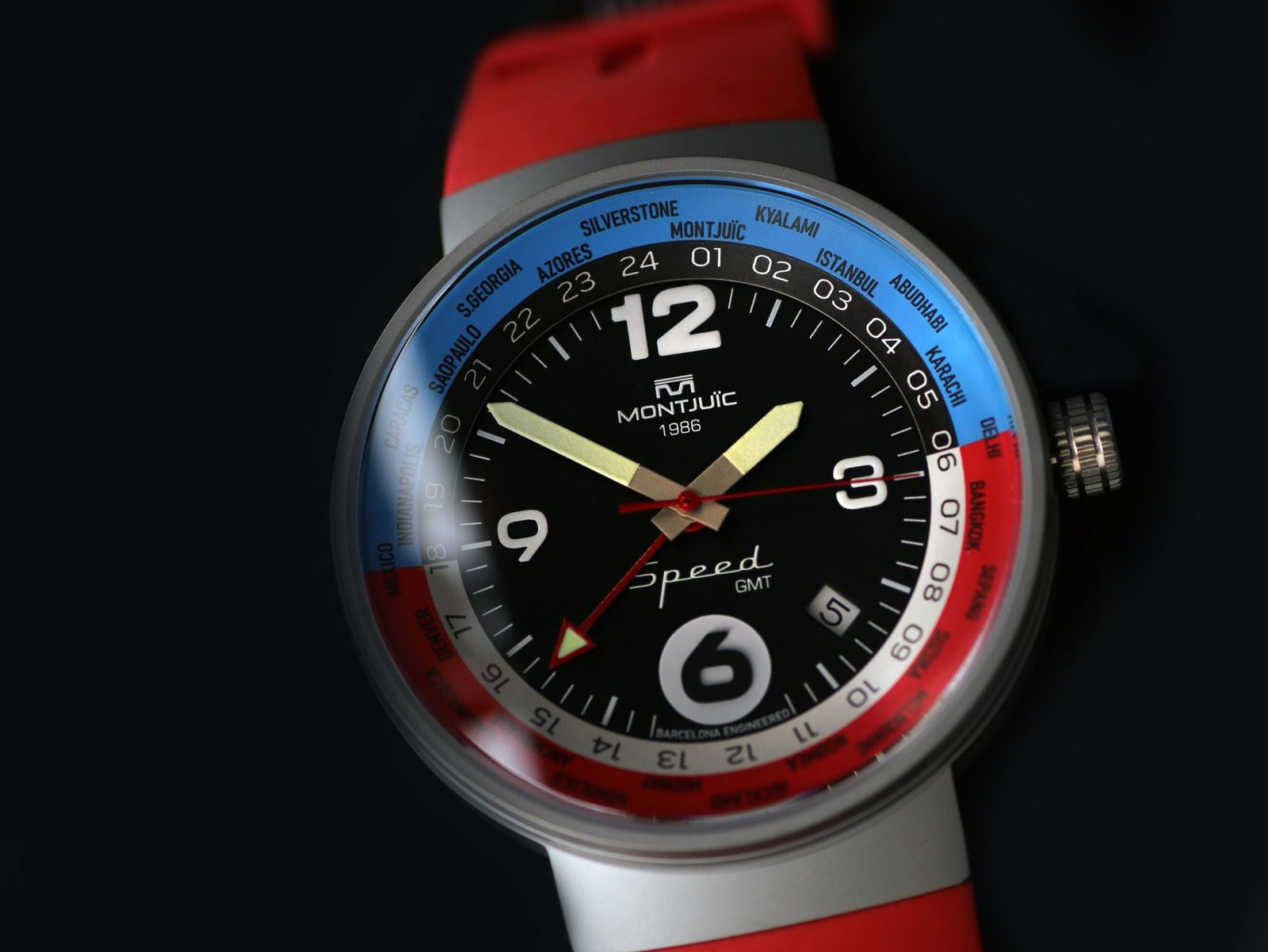
- GMT watches allow you to track multiple time zones simultaneously, making them ideal for travelers and international business.
- The defining feature is the 24-hour hand and a rotating bezel that can be set to a third time zone.
- Iconic GMT models include the Rolex GMT-Master II, the Omega Seamaster Aqua Terra GMT, and the Grand Seiko SBGJ series.
- Value in GMT watches comes from brand heritage, specific reference numbers, condition, rarity, and the complexity of their movements.
- Investing in GMT watches requires understanding market trends, authenticity, and proper maintenance.
What Exactly is a GMT Watch?
GMT stands for Greenwich Mean Time. A GMT watch is designed to show the time in two or even three different time zones at once. This is super useful if you travel a lot, especially across different countries. You can set your local time, and then easily see the time back home or in another city you care about. This feature was originally developed for airline pilots so they could keep track of flight schedules and different time zones easily.
Test Your GMT Travel Watch Smarts!
See how well you know the ultimate traveler's timepiece with this quick three-question challenge!
See your result instantly after answering.
The magic happens with a few key components. Most GMT watches have a standard 12-hour hour hand, minute hand, and second hand. On top of that, they have a fourth hand, often a different color, that makes one full rotation in 24 hours. This 24-hour hand is crucial. It works with a 24-hour scale, usually found on the dial or a rotating bezel, to show a second time zone. Some watches even let you set a third time zone using the rotating bezel.
Iconic GMT Models That Defined the Category
Certain watches have become legends in the GMT world. The most famous is arguably the Rolex GMT-Master II. Introduced in the 1950s, it quickly became the go-to watch for pilots and travelers. Its distinctive bezel, often in red and blue (called the “Pepsi”) or black and red (the “Coke”), is instantly recognizable. These watches are not only functional but also incredibly stylish and have held their value exceptionally well over the years.
Another major player is Omega, with its Seamaster Aqua Terra GMT models. These watches blend sporty aesthetics with the practical GMT function. They often feature beautifully finished dials and robust movements. Grand Seiko also makes stunning GMT watches, like the SBGJ series. These are known for their incredible craftsmanship, unique dial textures, and highly precise movements. They represent a different, more refined approach to the GMT complication.
Other notable mentions include the Breitling Navitimer GMT, which adds GMT functionality to its iconic pilot’s watch, and various models from Jaeger-LeCoultre and Patek Philippe, which offer more luxurious and complex takes on the GMT complication.
What Makes a GMT Watch Valuable and Collectible?
Several factors contribute to a GMT watch’s desirability and value. First, brand heritage and reputation play a huge role. Brands like Rolex, Omega, and Patek Philippe have a long history of producing high-quality watches, and their GMT models are highly sought after. The specific reference number of a watch can also be important. Certain vintage references, or those with limited production, can command much higher prices.
Condition is critical for any collectible watch. A watch that is well-maintained, with its original parts and minimal wear, will always be more valuable. Scratches, dents, or poorly done repairs can significantly reduce a watch’s worth. Rarity is another major factor. If a particular GMT model was produced in small numbers, or if a specific variant is hard to find, its value will likely increase.
The movement type also matters. Mechanical movements, especially those with in-house calibers (movements made by the brand itself), are generally more appreciated by collectors than quartz movements. The materials used, like precious metals (gold, platinum) versus stainless steel, will also affect the price. Finally, provenance, meaning the history of ownership, can add significant value, especially if the watch belonged to someone famous or has a documented interesting story. For instance, a watch with a famous pilot’s name engraved on the case back would be far more valuable than a standard model.
Buying and Investing in GMT Watches
Buying a GMT watch, whether for personal use or as an investment, requires careful consideration. If you’re looking to buy a vintage GMT, especially a Rolex GMT-Master, do your homework. Research the specific models you’re interested in. Understand their original features and what makes certain variations more desirable. For example, the transition from acrylic crystals to sapphire crystals on the Rolex GMT-Master II, or the different bezel insert materials, are important details.
When buying, authentication is paramount. Always buy from reputable dealers or auction houses. Be wary of deals that seem too good to be true. A good dealer will provide documentation, service history, and guarantees of authenticity. If you’re buying pre-owned, inspect the watch closely. Check that all the markings are correct, that the serial numbers match any accompanying papers, and that the movement appears correct for the model and year. Sometimes, subtle details like the font on the dial or the shape of the crown guards can indicate a fake or a heavily modified watch. If you’re new to this, it might be wise to consult with a trusted watchmaker or experienced collector.
As an investment, GMT watches, particularly those from top brands with strong demand, have historically performed well. However, the watch market can fluctuate. It’s wise to buy what you genuinely like and appreciate, as the enjoyment factor is a significant part of watch collecting. Consider the long-term outlook for brands and models. Some watches appreciate steadily, while others can see rapid gains followed by corrections. Understanding the market trends and having patience is key if you’re viewing watches as a financial asset.
Watch History: The Birth of the GMT Complication
The story of the GMT watch really took off in the mid-1950s. Pan American World Airways, or Pan Am, was a major international airline at the time. They needed a watch that could accurately display Greenwich Mean Time (GMT) alongside local time for their crews. They approached several watch manufacturers, and Rolex answered the call with the first Rolex GMT-Master in 1954.
This wasn’t just a new watch; it was a functional tool designed for a specific purpose. The original GMT-Master had a rotating 24-hour bezel that could be manually set to track a second time zone. The 24-hour hand on the dial was designed to stay fixed on GMT. This allowed pilots to easily read their home time (GMT) and the local time at their destination. The watch’s popularity soared, and soon other brands began developing their own GMT models. This innovation opened up a whole new category of watches catering to the needs of international travelers and professionals.
Famous Owners and Watches with Stories
The practical nature and undeniable style of GMT watches have made them favorites among many famous personalities. Airline pilots, of course, were early adopters. However, their appeal quickly spread. Think of world leaders, adventurers, and celebrities who frequently travel. Many have been spotted sporting GMT watches.
For example, the Rolex GMT-Master has been associated with figures like Che Guevara, who was famously photographed wearing one during his travels. While its exact history is debated, the image of him with the watch added to its legendary status. More contemporary figures, from actors to business tycoons, are often seen wearing GMT-Master II models, appreciating both their functionality and their status symbol appeal. Each watch, especially a vintage piece, can have its own unique story, perhaps passed down through generations or acquired on a memorable trip. These personal connections add another layer to the watch’s value and appeal.
Maintenance and Authentication Tips for Your GMT
Keeping your GMT watch in top condition is essential, whether it’s a modern piece or a vintage collectible. Mechanical watches, including most GMTs, require regular servicing. This typically involves cleaning, lubricating, and regulating the movement. The recommended service interval varies by manufacturer, but generally, every 5 to 7 years is a good guideline. This ensures the watch remains accurate and prevents excessive wear on its internal components.
When it comes to authentication, especially for high-value models like vintage Rolex GMTs, be extremely cautious. Counterfeits are common in the market. Look for consistency in the dial printing, the feel of the bezel rotation, the weight of the watch, and the quality of the bracelet. The movement is the ultimate confirmation. If possible, have a trusted watchmaker examine the movement to ensure it’s correct for the reference number and period. Be aware of “frankenwatches,” which are assembled from parts of different watches, both genuine and fake. These can be hard to spot but are less valuable than original, unmolested examples.
For vintage watches, consider the patina. Some aging on the dial or bezel can be desirable and add character. However, any signs of water damage, corrosion, or poorly executed repairs should be red flags. When buying, always ask for the watch’s history and any original documentation, like boxes and papers. While not always essential, they can add to the provenance and value.
Frequently Asked Questions
What is the main difference between a GMT watch and a regular watch?
A regular watch typically shows the time in one 12-hour cycle. A GMT watch has an additional 24-hour hand and a 24-hour scale (often on the bezel) that allow it to display a second, and sometimes a third, time zone simultaneously.
Are GMT watches good investments?
Certain GMT watches, particularly iconic models from brands like Rolex, have historically shown strong value appreciation. However, like any investment, market values can fluctuate. It’s best to buy a watch you love and see potential appreciation as a bonus, rather than a sole reason for purchase.
How do I set the GMT function on my watch?
The method varies by watch. On many GMT watches, you can independently move the 24-hour hand by turning the crown. On others, like the Rolex GMT-Master II, you can move the main hour hand in one-hour increments, which allows you to set your local time while keeping the 24-hour hand on your home time. The bezel is often used to track a third time zone by aligning it with the 24-hour hand.
What are the most popular GMT watch brands?
The most sought-after GMT watch brands include Rolex, Omega, Grand Seiko, Breitling, and Jaeger-LeCoultre. Each offers unique designs and features within the GMT category.
Can I wear a GMT watch for diving?
While some GMT watches have good water resistance, they are not typically designed as dedicated dive watches. Dive watches usually have unidirectional rotating bezels marked for minutes, higher water resistance ratings, and excellent legibility underwater. GMT watches are primarily for tracking time zones.
GMT watches offer a compelling blend of practicality and refined engineering. Whether you’re a globetrotter or simply appreciate the complexity of a multi-time zone display, a GMT watch is a sophisticated choice that tells more than just the time. Consider exploring models from brands like Rolex, Omega, or Grand Seiko to find one that fits your style and needs.


[…] worn by explorers on famous expeditions or timepieces used by military units during wartime. The Rolex GMT-Master, for example, became iconic partly because of its association with pilots and travelers. Knowing a […]