Beyond the Dial: Uncovering the Stories of Vintage Watch Complications

Vintage watches are more than just time tellers. They are tiny machines with amazing history. Many of these watches have special features called complications. These features do more than just show the time. They can show the date, the day of the week, moon phases, or even time a race. Let’s explore some of these fascinating complications and the stories they hold.
Key Takeaways
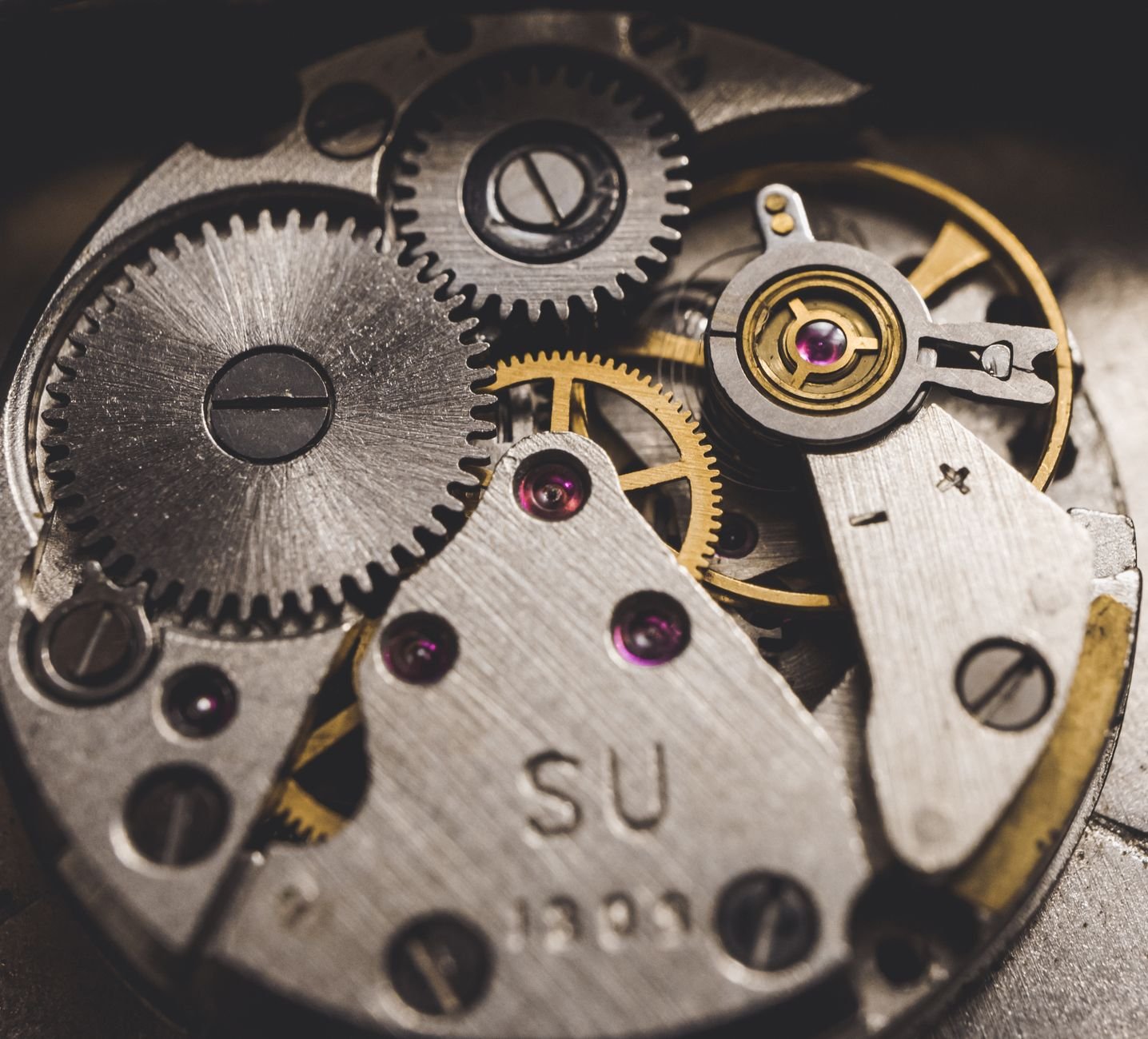
- Complications are watch features beyond basic time telling, adding complexity and value.
- The Annual Calendar, a more practical complication than the Perpetual Calendar, adjusts for months with 30 or 31 days.
- Moon phase complications, though not always practical, add a poetic touch and can be visually stunning.
- Chronographs are popular for their stopwatch function, often seen in sports and aviation watches.
- When buying a vintage watch with complications, condition, rarity, and service history are crucial factors.
The Allure of Complications: More Than Just Time
In the world of watches, a “complication” refers to any feature on a mechanical watch that goes beyond simply displaying the hours, minutes, and seconds. Think of it as the watch’s extra superpowers. These complications require incredibly skilled watchmakers to design and build. They add layers of engineering marvel to an already impressive piece of machinery. For collectors, watches with complications are often more desirable. They represent a higher level of craftsmanship and can carry a significant story.
The value of a vintage watch with complications is influenced by several factors. Rarity plays a big role. If a complication was difficult to produce or only made in small numbers, it will likely be more sought after. The condition of the watch is also vital. A complication that works perfectly is much more valuable than one that is broken. Brand heritage matters too. Some brands are known for their mastery of specific complications, making their examples highly prized.
The Practical Magic of the Annual Calendar
One of the more useful complications is the Annual Calendar. Unlike a simple date window, an annual calendar automatically accounts for the different lengths of months. It knows which months have 30 days and which have 31. You only need to set it once a year, typically in March, to correct for February’s shorter length. This is a significant step up from a simple date watch that needs adjusting every month with fewer than 31 days.
Brands like Patek Philippe are famous for their annual calendars. Their ref. 5035, introduced in 1996, is considered the first mass-produced annual calendar. It showed the day, date, and month in separate apertures. This was a major breakthrough, offering a highly practical complication without the extreme complexity and cost of a perpetual calendar. Vintage Patek Philippe annual calendars from the late 1990s and early 2000s are now becoming quite collectible.
Moon Phases: Poetry on Your Wrist
The moon phase complication is one of the most visually appealing. It shows the current phase of the moon, typically on a rotating disc. This disc has two moons depicted on it, and as it turns, it visually represents the waxing and waning of the moon over its roughly 29.5-day cycle. While not essential for daily life for most people today, it’s a beautiful reminder of celestial cycles.
Many vintage watches feature this romantic complication. Brands like Omega and Longines have produced beautiful examples over the years. A well-preserved vintage watch with a crisp moon phase display can be incredibly charming. The accuracy of these displays can vary. Some are designed to be accurate for 122 years before needing a manual correction. Finding a vintage piece where the moon phase disc is still perfectly aligned and the printing is clear is a sign of a well-maintained watch.
The Thrill of the Chronograph
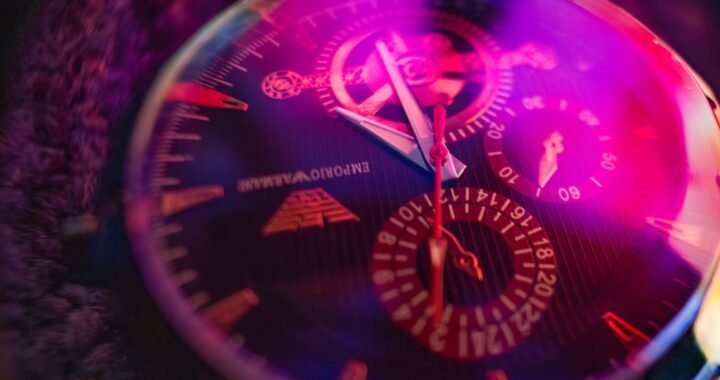
The chronograph is perhaps the most popular complication. It’s essentially a stopwatch built into a regular watch. It usually has one or two pushers on the side of the case. The top pusher starts and stops the stopwatch function, while the bottom pusher resets the hands. Chronographs are often used in racing, aviation, and other activities where precise timing of events is important.
Iconic chronograph models are highly sought after by collectors. The Rolex Daytona is a prime example. Introduced in 1963, the Daytona became legendary, especially when fitted with a manually wound movement. Later models featured automatic movements. Vintage manual-wind Daytonas, particularly those from the 1960s and 1970s, are incredibly valuable today. Other notable vintage chronographs include the Omega Speedmaster, famously worn on the moon, and the Heuer Carrera. When looking at vintage chronographs, check that all the sub-dials (the small dials that track elapsed minutes, hours, or seconds) are functioning correctly.
A Table of Popular Vintage Complications
| Complication | Function | Key Brands/Models (Vintage) | General Collectibility |
|---|---|---|---|
| Annual Calendar | Tracks date, day, month; corrects for 30/31 day months | Patek Philippe ref. 5035, IWC | High, especially for early examples |
| Moon Phase | Displays current phase of the moon | Omega, Longines, Jaeger-LeCoultre | Moderate to High, depending on execution and condition |
| Chronograph | Stopwatch function with start, stop, reset | Rolex Daytona (manual), Omega Speedmaster (pre-moon), Heuer Carrera | Very High, particularly for iconic models |
| World Timer | Displays time in multiple cities/time zones | Universal Genève, Patek Philippe, Glycine | High, especially for rare variations |
The World Timer: A Global Companion
For those who travel frequently or deal with international business, the World Timer complication is incredibly useful. This feature allows the wearer to see the time in multiple cities or time zones around the world simultaneously. Usually, there is a rotating bezel or a disc marked with city names. By setting the watch to a specific city, you can instantly read the time in other designated zones.
Vintage world timers are fascinating. Universal Genève made some highly desirable models in the mid-20th century. Their “Compax” world timers are particularly sought after. Patek Philippe also produced exceptional world timers, often with intricate mechanisms. Owning a vintage world timer can feel like holding a piece of global history. The condition of the city ring and the legibility of the markings are important for collectors.
Buying and Investing in Complicated Vintage Watches
When you’re looking to buy a vintage watch with complications, several points are crucial. First, service history is key. Complicated watches require more frequent and specialized servicing. Ask if the watch has been serviced recently and by a reputable watchmaker. Get documentation if possible.
Second, condition is paramount. Check that all functions of the complication work as they should. Does the chronograph reset perfectly to zero? Is the date changing correctly on the annual calendar? Are the moon phase discs aligned? Any issues here can be costly to repair. Inspect the dial and hands closely. Are they original? Is there any damage or fading that detracts from the watch’s appeal?
Third, rarity and provenance. Some complications were made in very limited numbers. Researching the specific reference number and its production history can help. If the watch has a known history, like belonging to a famous person or being part of a significant event, that adds immense value. However, be cautious of unverified stories.
Frequently Asked Questions
What is the most complex watch complication?
The most complex watches often feature a “Grand Complication,” which is a combination of multiple advanced complications. This can include a minute repeater (which chimes the time), a perpetual calendar (which accounts for leap years), and a chronograph, among others. Patek Philippe and Vacheron Constantin are renowned for their grand complications.
Are watches with complications always more expensive?
Generally, yes. The engineering, craftsmanship, and complexity required to create watches with complications mean they are typically more expensive than simple time-only watches, both when new and on the secondary market. Rarity and brand also play a significant role in pricing.
How often do complicated watches need servicing?
Complicated watches, due to their intricate nature, usually require servicing more often than simpler watches. A good rule of thumb is every 3 to 5 years. This ensures all the tiny parts are lubricated and functioning correctly, preventing wear and tear.
What is a “Perpetual Calendar” complication?
A Perpetual Calendar is a highly sophisticated complication that accurately displays the date, day, month, and year, and automatically accounts for the different lengths of months, including leap years. It will continue to display the correct date until the year 2100, when it will require a manual adjustment. This is more complex than an annual calendar.
Exploring vintage watches with complications opens up a world of mechanical artistry and history. Each complication tells a story of human ingenuity and a desire to master time itself. When you find a vintage piece with a special function, you’re not just buying a watch; you’re acquiring a piece of horological heritage. Look for watches from reputable brands that have documented service histories and are in good working order.


[…] For example, the Valjoux 72 chronograph movement, found in many vintage chronographs from brands like Breitling and Universal Genève, is highly regarded. Its robust construction and reliable performance make watches equipped with it very sought after. A watch with a clean, original movement that runs accurately is far more valuable than one with a worn-out or replaced movement. The complexity of the movement also matters. Complicated watches might have features like chronographs (stopwatches), perpetual calendars, or moon phases. These add to the watch’s mechanical interest and rarity. You can learn more about these fascinating features in Beyond the Dial: Uncovering the Stories of Vintage Watch Complications. […]
[…] Complex features, known as complications, add significant value. These include things like chronographs (stopwatches), perpetual calendars, minute repeaters, and GMT functions. The more complex and rare the complication, the more valuable the watch tends to be. You can learn more about these in Beyond the Dial: Uncovering the Stories of Vintage Watch Complications. […]