The Power of the Perpetual: Understanding Automatic Watches

Many people think of watches as simple tools to tell time. But for enthusiasts, a watch can be a piece of art, a historical artifact, or even a smart investment. One of the most fascinating aspects of watchmaking is the automatic movement. This is the heart of many high-end and vintage watches, and understanding it can really open your eyes to what makes these timepieces tick.
Key Takeaways
- Automatic watches power themselves using the wearer’s motion, eliminating the need for battery changes or manual winding.
- The “movement” is the mechanical engine of a watch, and automatic movements are highly regarded for their engineering and craftsmanship.
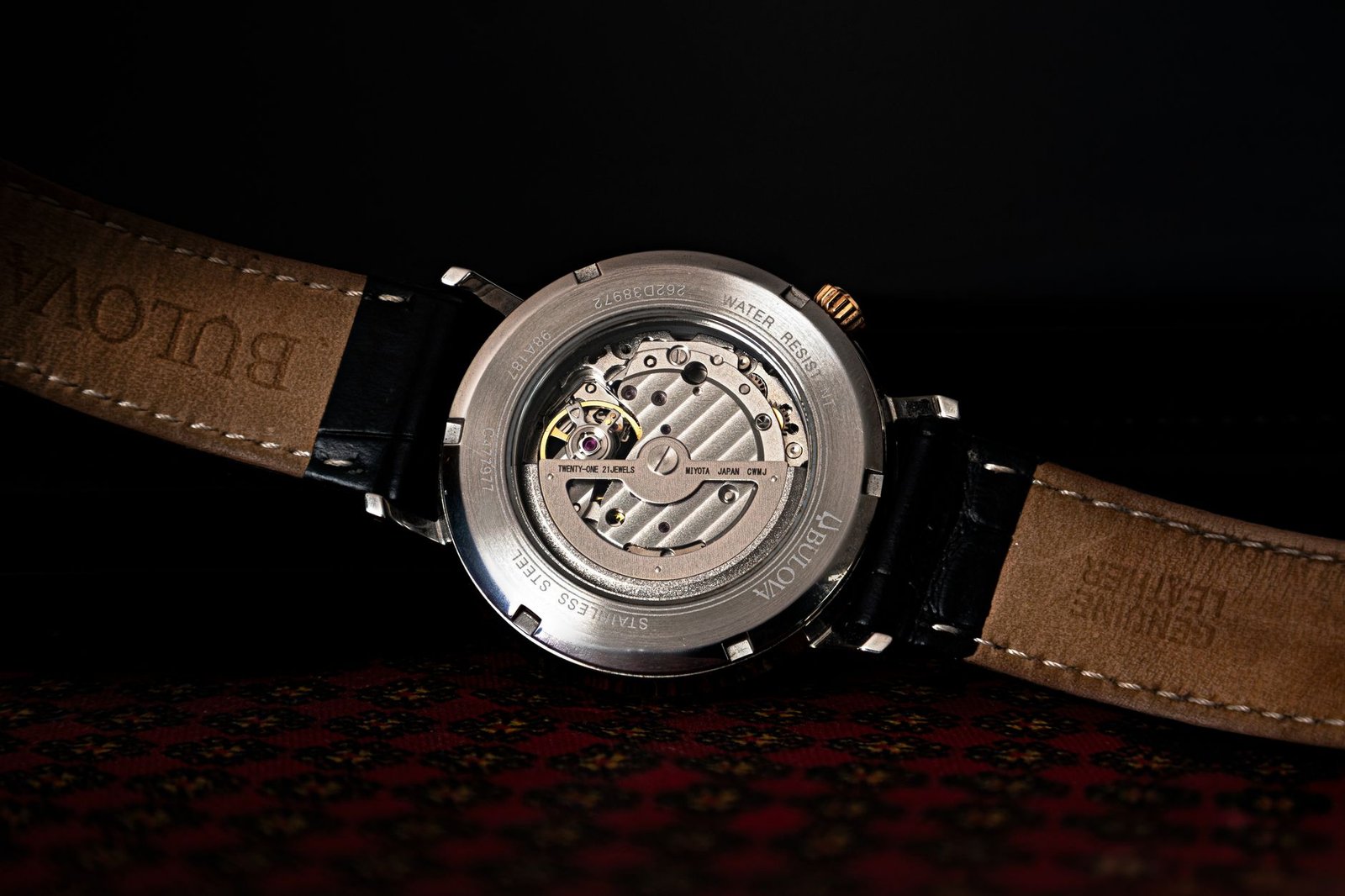
- Key components like the rotor, mainspring, and balance wheel work together to keep an automatic watch running accurately.
- Factors like brand heritage, rarity, condition, and the specific movement inside contribute to an automatic watch’s collectibility and value.
- Buying an automatic watch for investment requires research into specific models, market trends, and the watch’s overall condition.
What Exactly is an Automatic Watch?
So, what makes a watch automatic? Unlike quartz watches that run on a battery, or manual-wind watches that need to be wound by hand every day, automatic watches are self-winding. They have a small weight inside, called a rotor, that spins around with the natural movement of your wrist. This spinning motion winds up a coiled spring, called the mainspring. The mainspring then slowly unwinds, releasing energy to power the watch’s gears and hands. It’s a clever, self-sustaining system that has been around for decades.
This means that as long as you wear the watch regularly, it should keep ticking. If you take it off for a day or two, it might stop. But just a few hours of wear should get it going again. It’s a beautiful piece of micro-engineering that connects you directly to the mechanics of the watch.
The Heart of the Matter: The Movement
The movement is really the soul of any mechanical watch, and automatic movements are particularly admired. Think of it as the engine in a car. A well-made movement is precise, reliable, and often a work of art in itself. Watchmakers spend years training to assemble and regulate these complex mechanisms.
There are two main types of mechanical movements: manual-wind and automatic. While both rely on a mainspring, the automatic version adds that clever rotor system. The quality of the movement is a huge factor in a watch’s value and desirability. Brands known for their exceptional movements, like Patek Philippe, Jaeger-LeCoultre, and Grand Seiko, often command higher prices.
Inside an automatic movement, several key parts work in harmony:
- The Rotor: This weighted, semi-circular piece is attached to a central pivot. As you move your wrist, gravity and inertia cause the rotor to spin.
- The Mainspring: A long, coiled piece of metal that stores the energy released by the rotor’s winding action.
- The Gear Train: A series of interlocking gears that transmit the mainspring’s power to the escapement and then to the hands, controlling their speed.
- The Escapement: This is the “brain” of the watch. It consists of the escape wheel and the pallet fork. It controls the release of energy from the mainspring in precise, regular pulses, making the watch tick.
- The Balance Wheel: This wheel oscillates back and forth, typically 5 to 10 times per second. It works with the escapement to ensure consistent timekeeping.
Why Automatics Are Collectible
Several things make an automatic watch valuable and collectible. It’s not just about the brand name, though that certainly plays a big role. Rarity is a huge factor. Limited edition models or watches produced in lower numbers tend to be more sought after.
The materials used also matter. Watches made from precious metals like gold or platinum are often more valuable than steel versions. However, historically significant steel sports watches can also be highly collectible. The condition of the watch is also critical. A watch that has been well-maintained and shows minimal wear will always be worth more.
Provenance is another interesting aspect. If a watch belonged to someone famous or has a documented history, it can significantly increase its value. Think of watches owned by historical figures or movie stars. Even a watch with a unique or interesting story behind its creation can be more desirable to collectors.
Brand heritage is also key. Some brands have been making watches for over a century, building a reputation for quality and innovation. These long-established brands often have iconic models that collectors seek out. For example, the Rolex Datejust, first released in 1945, is a classic automatic watch that remains incredibly popular. Its history and continuous production make it a benchmark for many collectors. Similarly, the Omega Speedmaster, originally designed for racing, gained legendary status after being chosen for NASA’s space missions. These stories add a layer of appeal that goes beyond the metal and gears.
Buying and Investing in Automatic Watches
Many people buy automatic watches not just to wear, but as an investment. It’s a market that has seen significant growth over the years, but it’s not without its risks. If you’re considering buying an automatic watch as an investment, here are a few things to keep in mind.
Do Your Homework: Research specific brands and models that have a history of holding or increasing their value. Look at auction results and sales data to see what similar watches have sold for. Popular brands like Rolex, Patek Philippe, and Audemars Piguet often perform well, but there are many other brands with strong investment potential.
Condition is King: As mentioned, the condition of the watch is paramount. A watch in excellent, original condition with its box and papers will almost always be worth more than a worn-out one. Minor scratches might be acceptable, but major damage or poorly done repairs can significantly devalue a watch.
Movement Matters: The type and quality of the movement inside can influence value. Highly complicated movements (like chronographs or perpetual calendars) or movements from renowned manufacturers often add to a watch’s desirability and potential for appreciation.
Rarity and Desirability: Limited editions, discontinued models, or watches with unique dial colors or features are often more sought after by collectors. Think about what makes a watch special and why someone would want it.
Buy the Seller: Whether you’re buying from a reputable dealer, an auction house, or a private seller, make sure you trust the source. Ask for references, look for reviews, and don’t be afraid to walk away if something feels off. Authentication is crucial here; a fake or heavily modified watch is worthless as an investment.
Be Patient: The watch market can be cyclical. Don’t expect to buy a watch today and have it double in value next week. Investing in watches is typically a long-term game. It requires patience and a willingness to hold onto your pieces.
Here’s a look at some popular automatic watch models that are often considered good for collectors and potential investors:
| Brand | Model | Typical Movement Type | Approximate Price Range (2026) | Key Features |
|---|---|---|---|---|
| Rolex | Submariner (Date) | Automatic (Calibre 3235) | $15,000 – $25,000+ | Steel, rotating bezel, water-resistant, iconic dive watch. |
| Omega | Speedmaster Professional “Moonwatch” | Manual-Wind (Co-Axial Master Chronometer Calibre 3861) *Note: While historically manual, new models are automatic-capable with winding.* | $6,000 – $10,000+ | Chronograph, historic NASA connection, steel case. |
| Patek Philippe | Nautilus (Ref. 5711/1A) | Automatic (Calibre 324 S C) | $80,000 – $150,000+ (Secondary Market) | Genta design, luxury steel sports watch, highly sought after. |
| Audemars Piguet | Royal Oak (Ref. 15500ST) | Automatic (Calibre 4302) | $40,000 – $70,000+ (Secondary Market) | Genta design, integrated bracelet, luxury sports watch. |
| Jaeger-LeCoultre | Reverso | Manual-Wind or Automatic (Various Calibres) | $5,000 – $15,000+ | Iconic reversible case, Art Deco design, often with complications. |
*Note: Prices are estimates for 2026 and can vary widely based on condition, specific reference number, rarity, and market demand.*
A Brief History of the Automatic Movement
The idea of a self-winding watch isn’t new. The earliest attempts date back to the 18th century. However, the modern automatic wristwatch really took off in the early 20th century. John Harwood, a British watchmaker, patented a practical design for an automatic watch in 1923. His system used a swinging weight that pivoted on a spring-loaded mechanism, effectively absorbing shocks and winding the mainspring.
Around the same time, Swiss watchmakers like Eterna were also developing their own versions. Eterna’s “ball-bearing rotor” system, introduced in 1948, was a significant improvement. It was more efficient and durable than earlier designs. This innovation helped make automatic watches more reliable and popular. By the 1950s and 1960s, automatic movements were standard in many high-quality watches, becoming a symbol of modern convenience and technological advancement.
Maintenance and Authentication: Keeping Your Automatic Ticking
Automatic watches require some care to keep them running well for years. Regular servicing is essential. Most manufacturers recommend having your automatic watch serviced every 3 to 5 years. During a service, a watchmaker will disassemble the movement, clean all the parts, replace worn components, re-lubricate it, and then reassemble and test it for accuracy.
When it comes to authentication, especially for vintage or expensive pieces, it’s crucial to be vigilant. Fakes and heavily modified watches are unfortunately common in the market. Here are some tips:
- Examine the Details: Look closely at the dial printing, logos, hands, and markers. Genuine watches have crisp, precise finishing. Fakes often have smudged text or uneven application of lume.
- Check the Movement: If possible, look at the movement itself. High-end watches use movements with excellent finishing, specific markings, and often unique designs. If you’re buying from a dealer, they should be able to show you the movement or provide clear photos.
- Weight and Feel: Genuine watches, especially those made of precious metals or high-quality steel, have a certain weight and feel. Fakes often feel lighter or cheaper.
- Serial Numbers: Research the watch’s serial number. Reputable brands have databases or records that can help verify a watch’s authenticity and production date. Be aware that serial numbers can also be faked, so this is just one piece of the puzzle.
- Buy from Trusted Sources: This is perhaps the most important tip. Purchase from authorized dealers, well-known auction houses, or reputable pre-owned watch specialists who offer guarantees of authenticity.
Famous Fans of Automatic Watches
Throughout history, many notable figures have been known for their love of automatic watches. These timepieces were often seen as symbols of status, precision, and good taste. Celebrities, world leaders, and adventurers have all sported iconic automatic models.
For instance, Paul Newman famously wore a Rolex Daytona, though it was a manual-wind model, it cemented the watch’s status. However, many other actors and public figures have gravitated towards automatic watches. Think of James Bond, often depicted wearing an Omega Seamaster, a robust automatic dive watch. The association with such a sophisticated and adventurous character adds to the watch’s appeal.
In the business world, leaders often choose classic automatic dress watches from brands like Patek Philippe or Jaeger-LeCoultre, symbolizing success and a refined sense of style. These watches are not just timekeepers; they are statements about the wearer.
Frequently Asked Questions
What is the difference between an automatic and a self-winding watch?
There is no difference. “Automatic” and “self-winding” are just two different terms for the same type of watch movement, which uses the wearer’s motion to keep itself wound.
How long does an automatic watch keep time when not worn?
This depends on the watch’s “power reserve,” which is how long the mainspring can store energy when fully wound. Many modern automatic watches have power reserves of 40 to 70 hours, meaning they will stop ticking about one to three days after being taken off.
Do automatic watches need batteries?
No, automatic watches are mechanical. They do not use batteries. They are powered by the winding of their mainspring, either through the wearer’s movement (automatic) or by manual winding.
Are automatic watches more accurate than quartz watches?
Generally, quartz watches are more accurate than mechanical automatic watches. Quartz watches typically gain or lose only a few seconds per month, while an accurate automatic watch might gain or lose a few seconds per day. However, for many people, the craftsmanship and history of an automatic watch outweigh the slight difference in accuracy.
What is a “watch winder” and do I need one?
A watch winder is a device that automatically rotates an automatic watch to keep its mainspring wound when it’s not being worn. You typically only need one if you have multiple automatic watches and want to keep them all running, or if you have a watch with a very long power reserve that you don’t wear often enough to keep wound.
Can I swim with my automatic watch?
It depends entirely on the watch’s water resistance rating. A watch with a rating of 30 meters (3 ATM) is generally only protected against accidental splashes. For swimming, you’ll want a watch rated for at least 100 meters (10 ATM), and preferably higher, with a secure crown and case back. Always check the specific rating for your watch and ensure any seals are in good condition.
The Enduring Appeal of the Automatic
The automatic watch, with its intricate mechanics and self-sustaining power, represents a fascinating intersection of engineering and artistry. Whether you’re drawn to its historical significance, its collectible potential, or simply the quiet satisfaction of owning a beautifully crafted machine, the automatic movement offers a deep connection to the world of horology. Understanding these timepieces is the first step in appreciating their enduring value.