The 2026 ‘Y2K Revival’ Trend: How Early 2000s Tech is Back in Style

Remember the early 2000s? It was a time of dial-up internet, bulky flip phones, and CD players. Pop culture is now looking back at that era with a new appreciation. It’s not just about fashion; it’s about the technology that defined it. We’re seeing a major comeback for gadgets and tech that were popular back then. Let’s explore why this Y2K tech revival is happening and what it means for us in 2026.
Key Takeaways
- The early 2000s tech aesthetic, often called ‘Y2K tech’, is a major pop culture trend in 2026.
- This revival includes items like flip phones, MP3 players, digital cameras, and even early gaming consoles.
- Nostalgia, a desire for simpler technology, and a reaction against hyper-connectivity are driving this trend.
- Retro tech is being used both as a statement piece and for actual functional use by consumers.
- Brands are noticing, with some reissuing classic designs or creating new products with a Y2K feel.
Why the Y2K Tech Craze of 2026?
The early 2000s, from roughly 1998 to 2005, was a fascinating period. Technology was advancing rapidly, but it hadn’t reached the sleek, all-encompassing nature of today’s devices. This created a unique aesthetic and user experience. In 2026, many people, especially Gen Z and Millennials who grew up with this tech, are feeling a strong sense of nostalgia. They remember simpler times before constant notifications and overwhelming social media feeds. This trend is also a reaction against the complexity of modern gadgets. People want technology that does one thing well, without all the distractions.
This isn’t just about remembering; it’s about actively seeking out these items. Collectors are hunting for specific models, and vintage tech shops are seeing a surge in popularity. Online marketplaces are filled with listings for everything from Nokia flip phones to original iPods. It’s a tangible connection to a past that feels less demanding and more intentional. The visual style of Y2K tech, with its bold colors and chunky designs, also fits perfectly with current fashion trends.
What Exactly is ‘Y2K Tech’ Making a Comeback?
The Y2K tech revival covers a broad range of items that were popular in the early 2000s. These aren’t just antiques; they are functional pieces of pop culture history that people are using right now.
Iconic Gadgets Leading the Charge
Several key categories of technology are leading this revival:
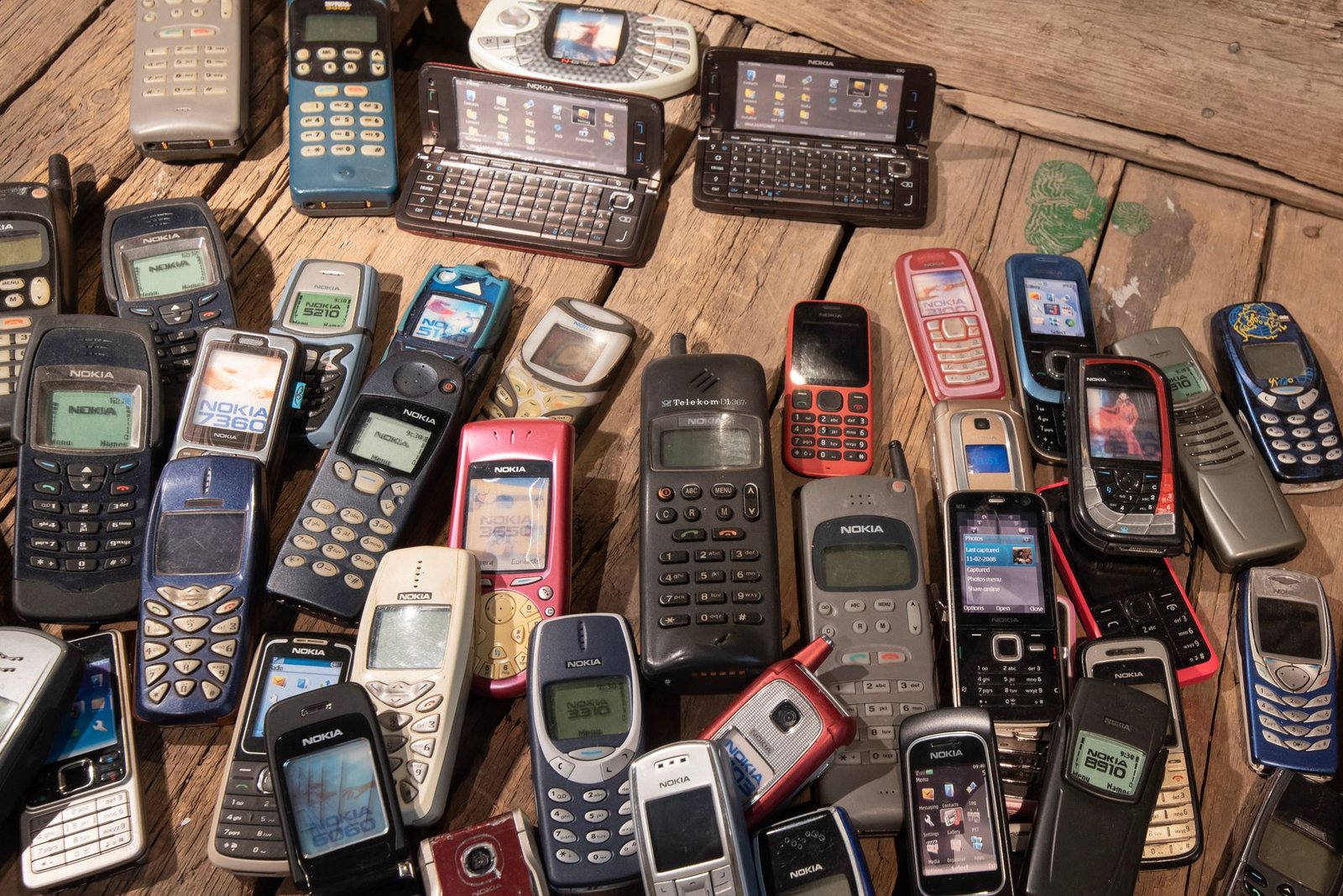
- Flip Phones: Forget smartphones. Basic flip phones, like certain Nokia models known for their durability and long battery life, are back. They are used for calls and texts, offering a break from constant internet access. Some enthusiasts even seek out specific models for their unique ringtones and customizable features.
- MP3 Players: Before streaming dominated, people carried around their music. Devices like the original Apple iPod, with its iconic click wheel, and various SanDisk MP3 players are highly sought after. Owning a dedicated music player feels intentional and less like background noise.
- Digital Cameras: Early digital cameras, often with lower megapixel counts and distinct, sometimes clunky, designs, are being used for their unique aesthetic. They produce images with a softer, less polished look that feels authentic. Brands like Canon’s PowerShot G series or early Sony Cyber-shot models are popular finds.
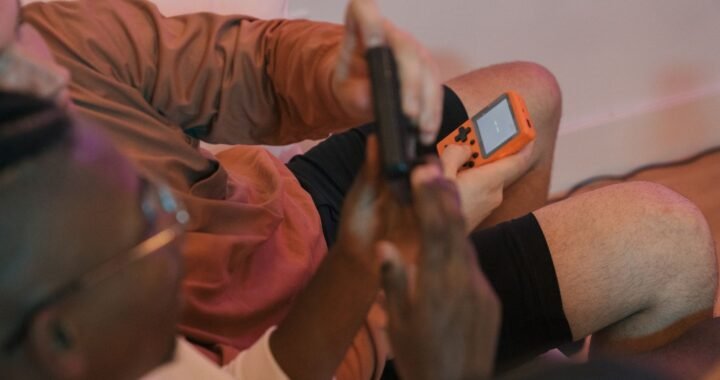
- Portable Gaming Devices: The Nintendo Game Boy Advance, the original PlayStation Portable (PSP), and even the Sega Game Gear are seeing renewed interest. These consoles offer a focused gaming experience without the online pressures of modern gaming.
- CD Players and Boomboxes: The physical act of loading a CD and listening to an album is making a comeback. Portable CD players and even larger boomboxes are being used by those who appreciate the tangible nature of music ownership and playback.
It’s interesting to see how these devices are being integrated into modern life. Some people use them for specific tasks, like a flip phone for a “digital detox” weekend, while others incorporate them as fashion accessories or for their unique creative output, like the look of early digital photos.
The Nostalgia Factor: Why We Miss the Early 2000s
Nostalgia is a powerful force in pop culture. For many, the early 2000s represent a time of less pressure and simpler connections. This period predates the explosion of social media and the constant barrage of information we face today. Owning and using Y2K tech offers a comforting escape from that.
Think about it. A flip phone doesn’t have social media apps or email notifications. An MP3 player is just for music. A portable gaming device is for playing games. This focused functionality is a stark contrast to the do-it-all smartphones we carry. This simplicity is exactly what appeals to people in 2026 who might feel overwhelmed by their digital lives. It’s a way to reclaim a sense of control and mindfulness in their interactions with technology.
This trend also connects to a broader cultural movement. We’re seeing a desire for authenticity and a step back from curated online personas. Y2K tech, with its less sophisticated capabilities and distinct visual style, feels more real and less manufactured. It’s a welcome change from the often hyper-polished world of digital content.
The ‘Analog Lite’ Experience
While we’re not going completely back to the Stone Age, the Y2K tech revival offers what some are calling an ‘analog lite’ experience. It’s about choosing to engage with technology in a more deliberate way. Instead of a device that tries to do everything, people are opting for devices that do one or two things exceptionally well, and in a way that feels more tactile and less demanding.
For example, using an MP3 player means you have to actively choose what music to load onto it. You can’t just stream millions of songs on demand. This requires more thought and curation, making the listening experience more personal. Similarly, using a dedicated digital camera means you have to think about each shot. You can’t just take hundreds of photos and delete the bad ones later. This mindful approach to technology is a key part of its appeal in 2026.
This isn’t about rejecting modern technology entirely. Most people still use smartphones and computers. Instead, it’s about selectively incorporating older tech to create a more balanced digital life. It’s about having the best of both worlds , the convenience of modern tech and the intentionality of older devices.
Y2K Tech as a Fashion Statement
Beyond its functionality, Y2K tech has become a significant fashion statement. The aesthetic of the early 2000s is very much alive in fashion right now, and vintage tech fits right in. Think brightly colored flip phones, chunky digital cameras worn on lanyards, or even a portable CD player as a statement accessory.
The designs from this era were often bold and playful. They weren’t afraid of bright colors, metallic finishes, or distinctive shapes. This contrasts with the often minimalist and sleek design language of many modern gadgets. For someone looking to embrace the Y2K aesthetic in their overall style, carrying a brightly colored Motorola RAZR or a small, colorful MP3 player is the perfect finishing touch. It shows attention to detail and a connection to a specific cultural moment.
Online communities and social media platforms are full of people showcasing their Y2K tech finds as part of their outfits. Hashtags dedicated to vintage tech fashion are trending, with users sharing photos of how they style these older devices. It’s a way to express personal style and a nostalgic connection to the past simultaneously.
Where to Find Y2K Tech in 2026
If you’re interested in getting your hands on some Y2K tech, you have a few options. The hunt itself can be part of the fun!
Online Marketplaces and Flea Markets
eBay: This is probably the biggest source for vintage tech. You can find almost any model of phone, MP3 player, or camera here. Prices can vary wildly depending on rarity and condition. Be sure to check seller reviews and item descriptions carefully.
Etsy: While known more for handmade items, Etsy also has a strong vintage section. You might find more curated or restored Y2K tech here, often presented as collector’s items or decorative pieces.
Facebook Marketplace: This is great for local finds. You can often negotiate prices directly with sellers and avoid shipping costs. It’s a good place to find items that might not be listed on larger platforms.
Flea Markets and Charity Shops: For the true treasure hunters, physical markets and thrift stores can be goldmines. You might stumble upon a forgotten gem for a very low price. Patience and a keen eye are key here.
Specialty Stores and Collectors
Some online stores and physical shops specialize in vintage electronics. These places often test and refurbish their items, offering a higher quality product but usually at a higher price. Searching for “retro electronics store” or “vintage tech shop” online can help you find these specialized retailers.
Collectors are also a great resource. They often have extensive knowledge about different models, their history, and their value. Connecting with collector communities online can provide insights and potential buying opportunities.
Common Pitfalls When Buying Retro Tech
Buying old electronics can be exciting, but there are definitely things to watch out for. To make sure you get a good deal and a working device, keep these common pitfalls in mind:
- Condition: Many older devices might have cosmetic damage. More importantly, check for internal issues. Scratches are one thing, but battery degradation, faulty screens, or broken ports are another. Always ask for detailed photos or videos of the device in operation if possible.
- Functionality: Just because it powers on doesn’t mean it works perfectly. For phones, check if they can still connect to networks (this is becoming increasingly difficult for older 2G/3G phones). For MP3 players, check if the storage is recognized and if the audio output works. For cameras, test the shutter, flash, and image sensor.
- Battery Life: Batteries degrade over time. A device that held a charge for hours years ago might now only last minutes. Some batteries can be replaced, but this can be an extra cost and effort. Ask about battery condition or expect to replace it.
- Compatibility: Modern software and hardware often don’t work with older tech. For example, transferring music to an old MP3 player might require older versions of software or specific cable types. Make sure you understand the limitations before buying.
- Price: While some Y2K tech is cheap, rare or highly sought-after models can fetch surprisingly high prices. Do your research on what a particular item is generally selling for to avoid overpaying.
The Future of Y2K Tech in Pop Culture
The Y2K tech revival shows no signs of slowing down in 2026. As more people discover the charm and simplicity of these older devices, their popularity will likely continue to grow. We might see more brands releasing “heritage” or “retro-inspired” versions of their classic products, not just as a novelty, but as a genuine option for consumers seeking a different kind of tech experience.
This trend highlights a growing desire for intentionality in our digital lives. It’s a movement towards appreciating technology for what it does, rather than just how much it can do. Whether it’s a fashion statement or a deliberate choice for a less distracting digital experience, Y2K tech has cemented its place in 2026 pop culture. It’s a fun, tangible reminder of where we came from and a refreshing alternative to the complexities of today’s connected world.
Frequently Asked Questions
What is the main appeal of Y2K tech in 2026?
The main appeal is a combination of nostalgia for the early 2000s, a desire for simpler technology that offers a break from constant connectivity and digital overload, and the unique aesthetic of Y2K-designed gadgets.
Are Y2K phones still functional for calls and texts?
Basic flip phones can still make calls and send texts, but network compatibility is a growing issue. Many older 2G and 3G networks are being phased out, which will eventually make even these simple functions impossible on older devices. However, some models still work on 4G or have been adapted.
Is it expensive to collect Y2K tech?
It can be. Common items like basic flip phones or older MP3 players can be found for very low prices. However, rare models, limited editions, or devices in pristine condition can become quite valuable and expensive for collectors.
Can I connect old MP3 players to modern computers?
Generally, yes, but it might require specific software or older operating system versions. Many MP3 players use standard USB connections, but transferring music might involve older iTunes versions or specific transfer programs that are no longer supported by major tech companies. Research the specific model you are interested in.
Is this trend just for younger generations?
No, the Y2K tech revival appeals to a broad range of people. Millennials and Gen X who grew up with this technology are experiencing nostalgia, while Gen Z is embracing it as a retro aesthetic and a way to disconnect from hyper-connectivity. It’s a trend that bridges generational gaps through shared cultural appreciation.
What are the biggest risks when buying vintage tech online?
The biggest risks include receiving a device that is not fully functional, has significant hidden cosmetic or internal damage, has a degraded battery that won’t hold a charge, or finding that the device is incompatible with modern infrastructure (like older phone networks).
So, whether you’re looking to relive memories, make a fashion statement, or simply find a less distracting way to enjoy music or games, the Y2K tech revival offers a tangible and stylish connection to the past. Start your search, and you might be surprised by the gems you find.