The Rise of AI DJs: Your Next Favorite Artist Might Be a Machine

We’re living in a wild time for music and technology. AI is popping up everywhere, and now it’s hitting the dance floor. Forget your human DJs for a second. Artificial intelligence is starting to spin tracks, and honestly, some of it is pretty good. It’s not just about playing songs anymore. AI is learning to read a crowd, mix tracks, and even create new sounds. This is a big deal for music lovers and anyone interested in where pop culture is heading.
Key Takeaways
- AI DJs are becoming more sophisticated, capable of reading crowds and creating unique mixes.
- Companies are developing AI DJ software and hardware that can perform live sets.
- Concerns exist about job displacement for human DJs and the impact on the authenticity of live music experiences.
- AI DJs offer potential benefits like personalized music experiences and accessibility for events.
- The future likely involves a collaboration between human DJs and AI tools, rather than a complete takeover.
What Exactly is an AI DJ?
Think of an AI DJ as a computer program that uses artificial intelligence to act like a human DJ. It’s not just a playlist generator. These systems can analyze music, understand rhythm and tempo, and make real-time decisions about what song to play next. They can even blend songs together, a process called beatmatching or mixing, just like a human DJ would. Some advanced AI DJs can also analyze the mood of a room or the energy of a crowd through sensors or data inputs, adjusting the music accordingly.
This technology uses machine learning. That means it learns from vast amounts of music data and even from performances of human DJs. The more data it gets, the better it becomes at understanding musical structure and audience reactions. It’s like a student DJ who studies thousands of hours of sets to learn the craft.
The Technology Behind the Beats
Several companies are pushing the boundaries of AI DJing. One major player is VJing AI, which has been developing software that can not only mix tracks but also generate visuals to go along with the music. Their system uses algorithms to analyze the audio in real-time and create corresponding visual patterns. This adds another layer to the performance, making it a more immersive experience.
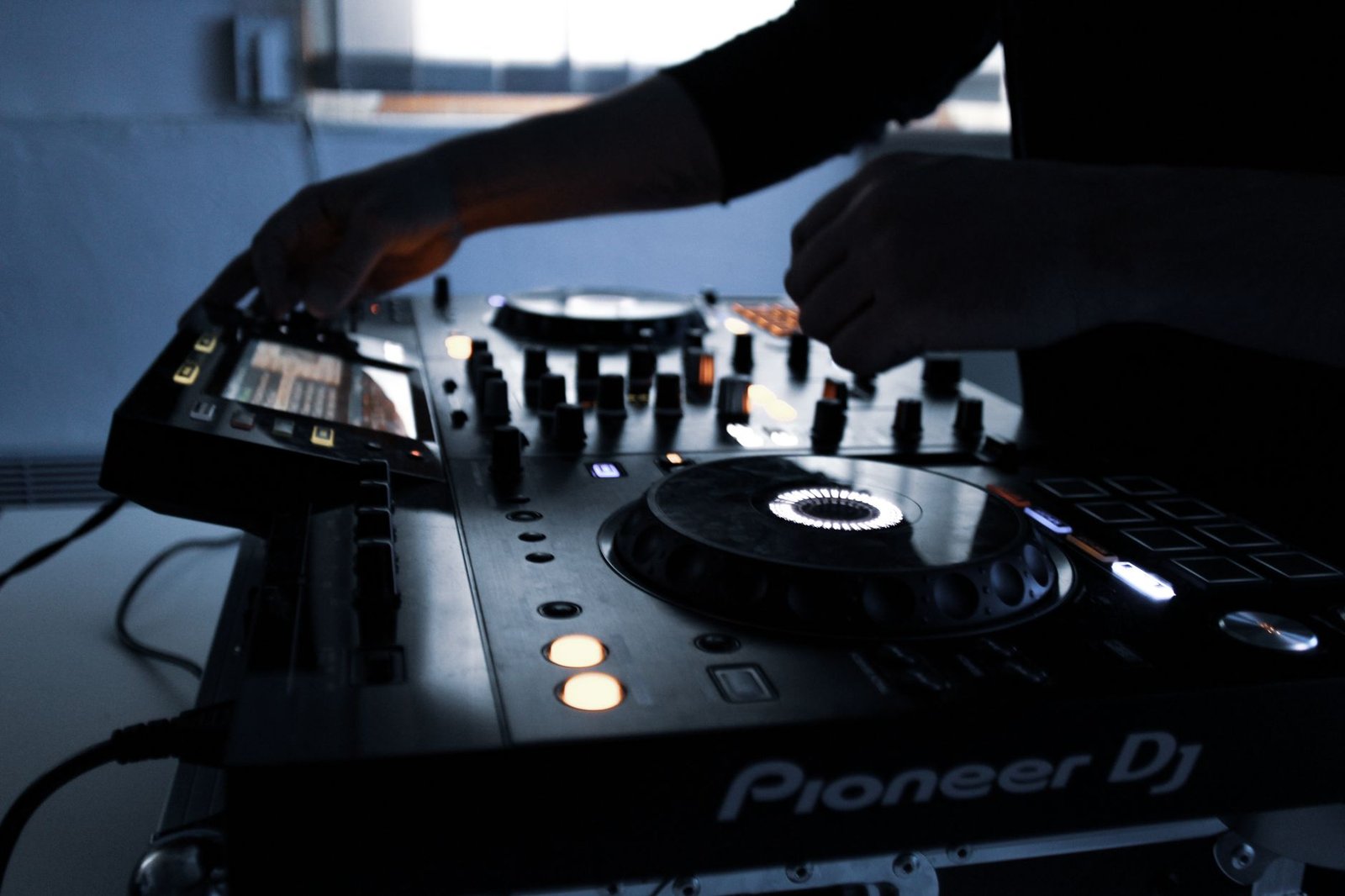
Another company, Algorhythm, is focusing on the hardware side. They’ve created a system that looks like a traditional DJ setup but is powered by AI. This allows for a more tactile experience for users who are used to physical controls. The AI acts as a co-pilot, suggesting tracks, managing transitions, and even offering creative ideas that the human operator can choose to use or ignore. This approach highlights a potential future where AI doesn’t replace DJs but assists them.
The core technology involves complex algorithms related to music information retrieval (MIR). This field focuses on extracting meaningful information from audio signals. AI DJs use MIR to understand features like tempo, key, energy levels, and even genre. They then apply rules and patterns learned from data to make sequencing and mixing decisions. Some systems even incorporate natural language processing (NLP), allowing them to respond to requests or comments in a more interactive way.
Live Performances and Early Adopters
We’re starting to see AI DJs in real-world scenarios. Some smaller clubs and online streaming events have experimented with AI-powered sets. These are often used for background music at parties or in venues where a dedicated human DJ might be too expensive. For example, a startup called “DJ-Bot” recently performed a two-hour set at a tech conference in San Francisco. The AI selected tracks based on the conference’s theme and the general vibe of the attendees, mixing genres like electronic, ambient, and lo-fi hip hop. The audience reaction was mixed, with some impressed by the technical execution and others feeling a lack of human connection.
There are also platforms like MixGenius, which allows users to create AI-generated DJ mixes for personal use or small gatherings. You can upload your own music library or let the AI pick from a vast catalog. It then constructs a mix based on your preferences, such as “upbeat party mix” or “chill study session.” This makes sophisticated DJing accessible to anyone, regardless of their technical skill.
One interesting case study is the online radio station “AI-FM,” which exclusively features sets mixed by AI. They claim their AI can adapt to listener feedback in real-time, adjusting the playlist and mix style. While this is primarily for online listening, it shows the potential for AI to curate continuous musical experiences without human intervention.
The Human Element: Where Do DJs Fit In?
This rise of AI DJs naturally brings up questions about the future of human DJs. Many DJs feel threatened by this technology. They worry about losing gigs and the devaluation of their skills. After all, years of practice go into becoming a great DJ. It’s not just about knowing music; it’s about reading a room, feeling the energy, and connecting with the audience on an emotional level. Can an AI truly replicate that?
Some argue that the “soul” of DJing comes from the human touch. A human DJ can make spontaneous decisions based on subtle cues from the crowd. They can build rapport, tell stories through their music choices, and create a unique atmosphere that is more than just the sum of the songs played. An AI might be technically perfect in its mixing, but it might lack the personality and improvisation that makes a live DJ set special. This is a sentiment echoed by many in the music industry.
However, not all human DJs see AI as a threat. Some view it as a powerful new tool. Imagine a DJ using AI to help them find obscure tracks, suggest creative transitions, or even generate new beats to incorporate into their set. This collaborative approach could lead to entirely new forms of music and performance. It’s similar to how digital audio workstations (DAWs) changed music production, allowing artists to do things previously unimaginable.
Potential Downsides and Ethical Concerns
Beyond job security, there are other concerns. One is the potential for AI DJs to flood the market with generic, soulless music. If AI can create decent mixes easily, will we lose the diversity and artistry that human DJs bring? There’s also the issue of copyright and ownership. If an AI generates new music or mixes, who owns it? The programmer, the company, or the AI itself?
Another worry is the homogenization of music experiences. If AI DJs are trained on the same data, they might start producing very similar sets, leading to a less diverse musical landscape. This could stifle creativity and make it harder for truly unique artists to emerge. We need to ensure that AI is used to expand musical possibilities, not limit them.
There’s also the question of authenticity. For many, the appeal of a live DJ set is the human performance. Knowing that a person is behind the decks, reacting to the energy of the room, and sharing their passion for music is a significant part of the experience. Relying solely on AI could diminish this connection for some audiences.
The Future: Collaboration Over Competition?
Looking ahead, it seems most likely that AI DJs will become a common feature in the music scene, but probably not as a complete replacement for human DJs. Instead, we’ll likely see a blend of human creativity and AI assistance. Think of AI as a sophisticated co-pilot or a digital assistant for DJs. It can handle the technical heavy lifting, freeing up the human DJ to focus on the more artistic and interactive aspects of the performance.
We might see AI DJs being used more for specific types of events. For instance, they could be perfect for corporate events, background music at restaurants, or even as a way to provide music for large-scale digital events where a human DJ’s presence is impractical. Meanwhile, clubs and festivals that thrive on the energy of a live performer will likely continue to feature human DJs, perhaps augmented by AI tools.
The development of AI in music is moving fast. It’s exciting to see what new possibilities will emerge. The key will be finding a balance that respects the artistry of human DJs while embracing the innovative potential of artificial intelligence. The goal should be to enhance music experiences, not diminish them. As AI technology evolves, its role in music will undoubtedly continue to grow and change.
Frequently Asked Questions
Can an AI DJ actually be creative?
AI DJs can be creative in generating new musical arrangements and transitions based on learned patterns and data. However, true artistic creativity, which often involves unique life experiences and emotional expression, is still a frontier for AI.
Will AI replace all human DJs?
It’s unlikely that AI will completely replace all human DJs. Many believe the future will involve collaboration, with AI acting as a tool to assist human DJs rather than take over entirely. The human element of reading a crowd and connecting emotionally is hard for AI to replicate.
How much does AI DJ software cost?
Costs vary widely. Some basic AI-powered playlist tools might be free or have a low monthly subscription fee. More advanced software and hardware systems designed for professional use can range from hundreds to thousands of dollars, depending on the features and capabilities.
Are AI-generated music sets legal?
The legal landscape for AI-generated content, including music mixes, is still developing. Issues around copyright, ownership, and licensing are complex and vary by region. Currently, using AI to create mixes for personal use is generally accepted, but commercial use may require careful attention to legal frameworks.
What are the benefits of using an AI DJ for an event?
Benefits can include cost savings compared to hiring a human DJ, the ability to provide continuous music without breaks, and the potential for highly personalized music selections based on event themes or guest preferences. Some AI systems can also offer visual elements synchronized with the music.
The Next Track is Already Being Written
The integration of AI into DJing is more than just a novelty; it’s a sign of how technology is reshaping creative industries. While the nuances of human performance remain invaluable, AI offers exciting new avenues for musical expression and accessibility. We’ll likely see AI DJs evolve from experimental tools to integral components of the modern music landscape, shaping the sounds of parties and beyond in the years to come.