Beyond the Dial: What Really Makes a Vintage Watch Collectible

We all see them. Those beautiful old watches that seem to whisper tales of a bygone era. But beyond their good looks, what actually makes a vintage watch a valuable collectible? It’s more than just age. It’s a mix of history, engineering, and sometimes, pure luck.
Key Takeaways
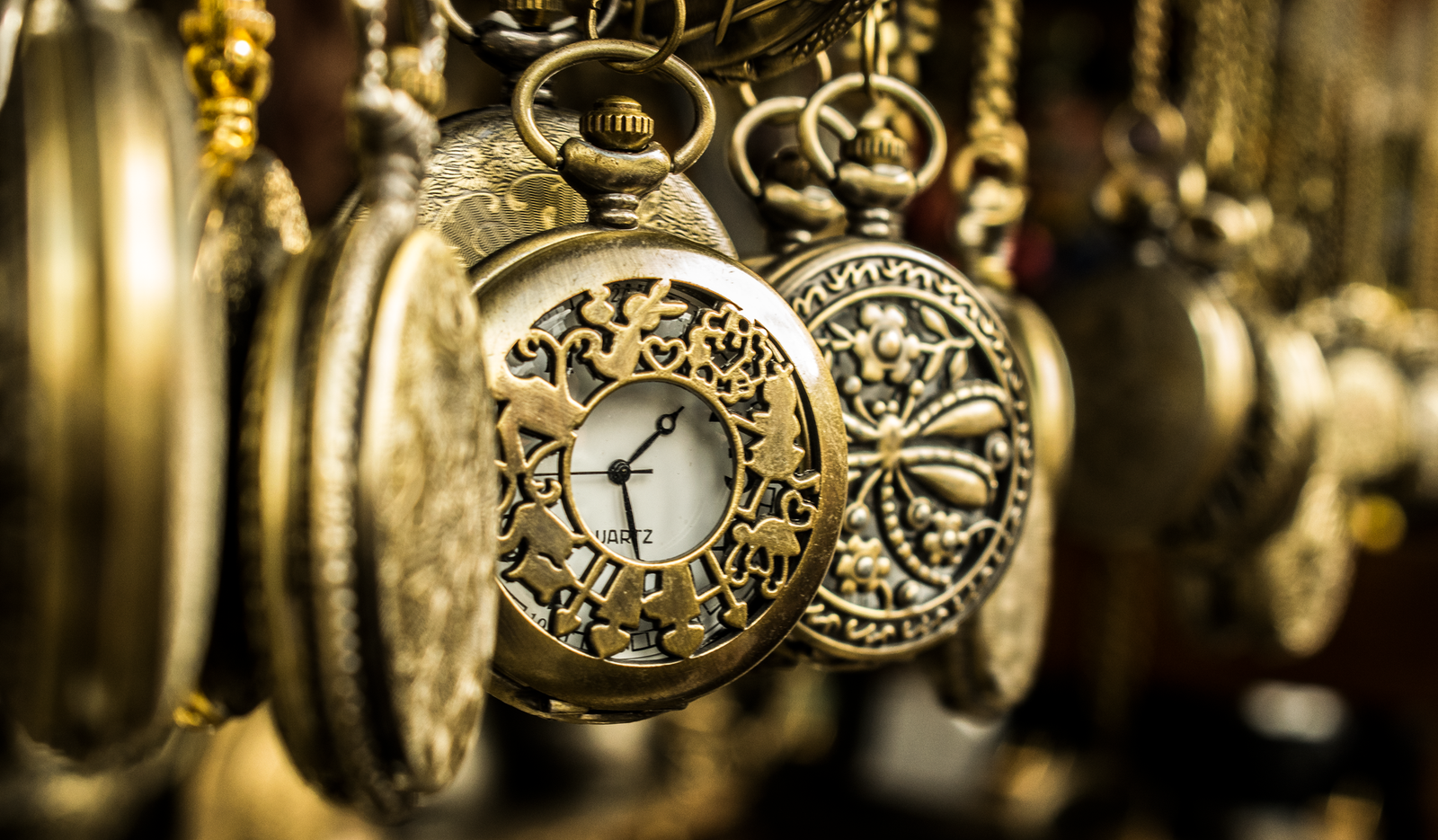
- The movement (engine) is a key factor, with in-house calibers and complications adding significant value.
- Materials like solid gold, platinum, and even specific steel alloys can boost collectibility.
- Rarity plays a huge role; limited production runs or discontinued models often fetch higher prices.
- Provenance, or the watch’s history of ownership, especially if linked to famous individuals, dramatically increases its desirability and value.
- Brand heritage and reputation, built over decades or centuries, are foundational to a watch’s collectible status.
The Heartbeat: Understanding Watch Movements
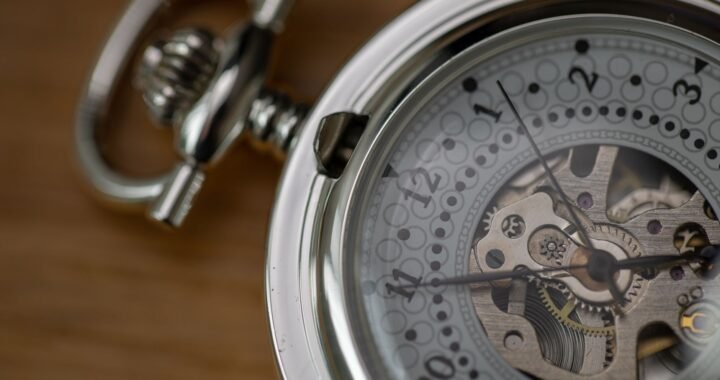
When you look at a vintage watch, the first thing you might notice is the dial. But the real magic, the heartbeat of the watch, is the movement. This is the intricate mechanism inside that makes the hands move. For vintage watches, certain movements are far more desirable than others. We’re talking about the engineering and craftsmanship that went into them.
Think about brands like Rolex, Patek Philippe, or Audemars Piguet. They are famous not just for their names, but for the high-quality movements they developed. Many vintage collectors look for watches with in-house movements. This means the brand designed and built the movement themselves, rather than buying it from a third-party supplier. This shows a level of dedication and expertise that is highly respected. For example, the Rolex Caliber 3035, used in many Datejust and Day-Date models from the late 1970s and 1980s, is known for its robustness and accuracy. Finding a watch with its original, well-maintained in-house movement is a big plus for collectors.
Beyond just being in-house, the complexity of the movement also matters. These are called complications. A basic watch just tells the time. But a watch with a chronograph (stopwatch function), a perpetual calendar (tracks date, day, month, and leap years), or a minute repeater (chimes the time on demand) has added complexity. These complications are difficult to engineer and assemble. They require immense skill. Watches with these features were historically very expensive and produced in much smaller numbers. Therefore, vintage watches with complications are often much more sought after and command higher prices. A Patek Philippe perpetual calendar from the 1950s, for instance, is a grail watch for many collectors due to its intricate movement and historical significance.
Materials Matter: From Steel to Gold
The materials used in a watch’s case and bracelet significantly impact its value and collectibility. While steel is common today, vintage watches were often made with more precious materials, or different types of steel that have aged in interesting ways.
Precious metals like solid gold (yellow, white, or rose) and platinum have always been associated with luxury. A solid gold watch from the 1950s or 1960s will generally be more valuable than a similar model in stainless steel. This is partly due to the intrinsic value of the metal itself, but also because these were often made in smaller quantities and seen as more dressy, statement pieces. For example, a vintage Omega Constellation in solid gold from the 1960s, with its pie-pan dial and chronometer-certified movement, is a highly desirable piece.
However, stainless steel is not to be underestimated. Certain types of vintage steel, particularly those used by brands like Rolex and Omega in their tool watches, have developed a unique patina over time. This aging process, often seen as a warm, slightly brownish or golden hue on the dial or a subtle discoloration on the case, is sought after by many collectors. These “tropical” dials or cases can make a standard steel watch significantly more valuable. Also, the durability of steel made it ideal for sports and tool watches, which often have fascinating histories of their own.
Other materials, like Rolesium (Rolex’s term for their specific platinum-steel alloy) or even certain rare alloys, can add a unique appeal. The key is often originality and condition. A watch that has maintained its original case material without excessive polishing, which can reduce its size and remove sharp lines, is always preferred.
Rarity and Reference: The Thrill of the Hunt
In the world of collecting, rarity is king. If only a few examples of a particular watch were ever made, or if a specific model was only produced for a short time, it automatically becomes more desirable to collectors. This scarcity drives up demand and, consequently, price.
Brands sometimes release limited edition models. These are produced in a set, small number, often to celebrate an anniversary or collaborate with another entity. For example, Omega has released many limited edition Speedmasters over the years, commemorating space missions or significant events. A limited edition Speedmaster with a production run of only 1000 pieces will be much rarer and more collectible than a standard production model. You can often find information about production numbers on watch forums or in specialized books.
Another aspect of rarity is when a reference number (the model number assigned by the manufacturer) is discontinued. Certain Rolex “references,” like the ref. 1675 GMT-Master or the ref. 6263 Daytona, are highly sought after precisely because they are no longer in production. The longer a reference is out of production, and the more desirable its features, the rarer it becomes on the secondary market.
Sometimes, rarity isn’t about production numbers but about specific, unusual configurations. A watch might be rare because it has a unique dial color that was only offered for a very short period, or it might be a specific variant intended for a particular market. For instance, a “tropical” dial on a vintage Patek Philippe, meaning the dial has aged to a brown or bronze color, is extremely rare and valuable compared to its original black or white counterpart. Finding these “quirks” is part of the fun for dedicated collectors.
Brand Heritage and Provenance: The Story Behind the Watch
A watch’s brand heritage is its legacy. It’s the history, reputation, and consistent quality that a brand has built over many years, sometimes centuries. Brands like Patek Philippe have a heritage of high-end watchmaking stretching back to 1839. Jaeger-LeCoultre is known as the “watchmaker’s watchmaker” for its technical innovations. This established reputation gives collectors confidence in the quality and enduring value of their timepieces.
Brand heritage contributes to collectibility because it assures buyers that they are investing in something with a proven track record. A watch from a brand with a long history of excellence is generally more likely to hold its value and appreciate than a watch from a newer or less reputable company. This is why vintage pieces from the “holy trinity” of watchmaking , Patek Philippe, Audemars Piguet, and Vacheron Constantin , often command the highest prices.
Provenance takes this a step further. It’s the documented history of ownership for a specific watch. If a watch can be traced back to a famous owner, like a president, a movie star, an explorer, or a significant historical figure, its value can skyrocket. For example, Paul Newman’s Rolex Daytona, which was famously owned and worn by the actor, sold for a record-breaking $17.8 million in 2017. This was not just because it was a rare Daytona, but because it was *his* Daytona. The association with a celebrity or a historical event imbues the watch with a unique story and desirability that goes far beyond its technical specifications.
Even if a watch doesn’t have a famous owner, its provenance can still be important. Did it come with its original box and papers? Was it serviced regularly by authorized dealers? Does it have a documented service history? These details, while less glamorous than celebrity ownership, add to the watch’s authenticity and value. A complete set, with all the original accouterments, is always more desirable.
Buying and Investing in Vintage Watches
For many, buying a vintage watch is more than just acquiring a timepiece; it’s an investment. The vintage watch market has seen significant growth in recent years. However, it’s also a market where knowledge is crucial to avoid costly mistakes.
When you’re looking to buy, especially for investment, condition is paramount. A watch that is heavily damaged, scratched, or has had parts replaced incorrectly will lose significant value. Look for watches that are as close to original as possible. This includes the dial, hands, case, and bezel. Even minor issues like a faded logo or a scratched crystal can impact value, but major issues are deal breakers for serious collectors. For instance, a Rolex Submariner with a heavily faded bezel insert might be less desirable than one with a sharp, original insert.
Authenticity is another huge concern. The vintage watch market has unfortunately attracted many fakes and heavily modified pieces. Always buy from reputable dealers or be very thorough in your research if buying privately. Look for consistent details. For example, the font on the dial should match known examples of that reference. The case engravings should be crisp and correct. If a deal seems too good to be true, it almost certainly is. You can often find resources online that detail common fakes for popular models.
When considering a watch as an investment, think about the long-term trends. Certain brands and models consistently perform well. Rolex sports watches, vintage Patek Philippe dress watches, and iconic chronographs like the Omega Speedmaster or certain Breitling Navitimers are generally considered safe bets. However, the market can be volatile. It’s wise to buy what you love and what you understand, rather than solely chasing potential profits. The joy of owning a piece of horological history is invaluable.
Here’s a look at some factors and examples that influence value:
| Factor | Example | Impact on Value |
|---|---|---|
| Brand & Model Heritage | Rolex Daytona Ref. 6263 (Paul Newman association) | Extremely High |
| Movement Complexity | Patek Philippe Perpetual Calendar | High |
| Rarity (Limited Production) | Omega Speedmaster Apollo 11 50th Anniversary Limited Edition (1969 pieces) | Medium to High |
| Materials | Vintage Vacheron Constantin in Platinum | High |
| Condition & Originality | Unpolished Rolex Submariner with original dial and insert | Medium to High |
| Provenance | Watch owned by a famous explorer or diplomat | Variable, can be extremely high |
Maintenance and Authentication: Keeping Your Treasure Alive
Owning a vintage watch comes with the responsibility of caring for it. These are mechanical marvels, and like any complex machine, they need proper upkeep to continue functioning and to retain their value.
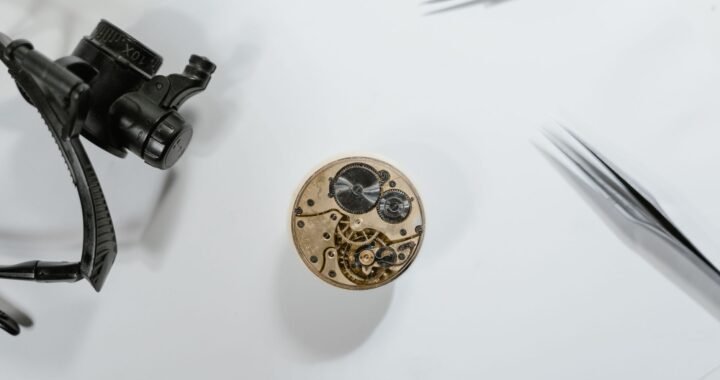
Servicing is crucial. Vintage watches, especially those with complicated movements, typically need to be serviced every 3 to 5 years. This involves a watchmaker disassembling the movement, cleaning all the parts, lubricating them, and reassembling everything. It also includes checking and replacing any worn-out parts. It’s important to use a watchmaker who specializes in vintage timepieces. They will understand how to work with older movements and, importantly, will strive to maintain originality. A service from an authorized dealer might involve replacing original parts with modern ones, which can decrease a vintage watch’s value.
When you get a watch serviced, discuss the level of restoration you want. Do you want the case polished? Do you want the dial refinished? Generally, for collectible vintage watches, minimal intervention is best. An unpolished case with sharp lines is more valuable than one that has been heavily buffed down. A dial with a natural patina is often preferred over a redial (where the dial has been repainted). Always ask your watchmaker to preserve original parts whenever possible.
Authentication is about verifying that the watch is genuine and that its components are correct for the model and year. This can be tricky. A good starting point is comparing the watch to known examples online or in books. Look closely at the details: the font on the dial, the shape of the hands, the markings on the case back, the serial number. Many brands have production archives, though accessing them for very old watches can be difficult.
If you’re buying a high-value vintage watch, consider getting an extract from the archives from the manufacturer if possible. This document confirms the original production date, case material, movement type, and sometimes even the original place of sale. While not a guarantee against all fakes, it’s a strong piece of supporting evidence for authenticity and provenance.
Frequently Asked Questions
What is the most important factor in vintage watch value?
It’s a combination, but brand heritage and rarity often form the foundation. However, a rare watch in poor condition with no provenance will be worth less than a desirable model in excellent, original condition with a good story. For many, the desirability of the specific reference and the brand’s reputation are paramount.
Should I buy a vintage watch with a redialed dial?
Generally, no. A redialed dial means the original dial has been repainted. While it might look clean, it significantly reduces the collectible value of the watch. Collectors prefer original dials, even if they show some signs of aging like spotting or a slight patina. A truly rare watch with a redial might still have value, but it will be much less than an example with its original dial.
How can I tell if a vintage watch is real?
Authentication is complex. Start by researching the specific reference number and looking at many examples online from reputable sources. Pay close attention to details like the font on the dial, the case shape, the engravings, and the movement. If possible, buy from a trusted dealer with a good return policy. For very expensive pieces, consider getting an extract from the manufacturer’s archives.
What does “tropical dial” mean on a vintage watch?
A “tropical dial” refers to a watch dial, typically black or dark blue, that has aged over time to a shade of brown or bronze. This color change is often considered a desirable and rare characteristic, adding significant value to vintage watches, especially from brands like Rolex and Patek Philippe. It’s a natural aging process, not a deliberate modification.
Is it safe to wear my vintage watch every day?
It depends on the watch and your lifestyle. Vintage watches, especially those from before the 1980s, often lack modern water resistance and shock protection. Wearing a vintage watch for daily activities, especially those involving water, impact, or strenuous movement, carries a risk of damage. It’s best to wear them for special occasions or in controlled environments, and to ensure they are properly maintained and serviced. For everyday wear, a modern watch with better durability might be a safer choice.
The Enduring Appeal
Ultimately, what makes a vintage watch collectible is a blend of art, engineering, history, and rarity. It’s about owning a piece of mechanical artistry that has stood the test of time and carries a story. Researching these elements will help you appreciate these timepieces even more, whether you’re a seasoned collector or just starting your journey into the fascinating world of horology.

[…] Small imperfections that are original are often preferred over perfect-looking but restored parts. Beyond the Dial: What Really Makes a Vintage Watch Collectible goes into more detail on how condition and originality affect […]