The Secret Language of Luxury Watches: Decoding the Symbols and Stories

When you see a really nice watch, what do you notice first? Maybe it’s the way it shines, or the brand name you recognize. But there’s a whole hidden world in these timepieces. They tell stories about history, craftsmanship, and even the people who wore them. This article will help you understand some of those stories, focusing on what makes a luxury watch more than just a way to tell time.
Key Takeaways
- Luxury watch value comes from a mix of brand heritage, rare materials, complex movements, and notable ownership history (provenance).
- Certain watch features, like specific complications or limited editions, significantly increase collectibility.
- Understanding watch markings, serial numbers, and case back engravings can offer clues to a watch’s authenticity and history.
- Provenance, or a watch’s ownership history, can dramatically increase its value, especially if owned by a famous individual.
- Investing in watches requires research into market trends, brand reputation, and the condition of the timepiece.
Why Do Some Watches Cost So Much?
It’s easy to look at a watch with a price tag of tens of thousands, or even millions, of dollars and wonder why. Is it just the gold or platinum? Sometimes, yes, the precious metals add to the cost. But the real value often lies in much deeper things. It’s about the history of the brand, the skill it took to make it, and how rare it is. Think of it like a piece of art. A painting from a famous artist is worth more than a copy, even if the materials are similar. Watches work the same way.
Many high-end watches are made by brands with a long history. These brands have built a reputation over decades, sometimes centuries. They are known for quality and innovation. This brand heritage is a big part of the price. People trust these names and are willing to pay for the prestige they carry.
The Pillars of Watch Value: What Makes a Timepiece Coveted
Several factors come together to make a luxury watch valuable and collectible. It’s not just one thing, but a combination. Understanding these elements will help you appreciate why certain watches are so sought after by collectors and enthusiasts.
Brand Heritage and Reputation
Brands like Patek Philippe, Vacheron Constantin, Audemars Piguet, and Rolex have been making watches for a very long time. Patek Philippe, for example, started in 1839. Vacheron Constantin is even older, founded in 1755. This long history means they have perfected their craft. They have also created many iconic models that are now classics. A watch from a brand with this kind of legacy carries a lot of weight. Buyers know they are getting a piece of history.
Materials and Craftsmanship
The materials used are important. While many watches use stainless steel, luxury timepieces often feature precious metals like 18k gold (yellow, white, or rose), platinum, or even titanium for its lightness and strength. The finishing is also key. Enamel dials, hand-engraved movements, and meticulously polished cases all show a high level of craftsmanship. This attention to detail takes a lot of time and skill, which adds to the cost. For instance, some watch dials are hand-painted or made using special techniques like cloisonné enamel. These are not mass-produced elements.
Rarity and Production Numbers
Scarcity plays a huge role. If a watch brand only makes a few thousand of a particular model each year, or even less, it becomes rare. Limited editions, often made to celebrate an anniversary or a special event, are especially collectible. A watch that was made in a small series, like 100 or 500 pieces worldwide, will naturally be more desirable than one made in the tens of thousands. Some older watches were simply not produced in large numbers to begin with, making them rare today. The real story behind watch scarcity involves production limits and demand.
Movement Type and Complexity
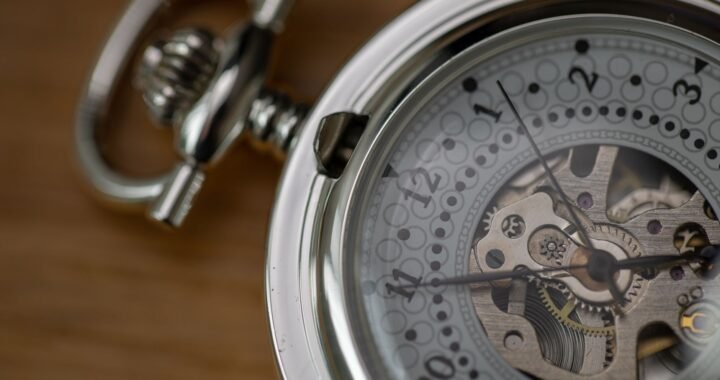
The “engine” of a watch is its movement. Mechanical movements are highly prized. These are complex machines with tiny gears, springs, and levers that work together. Automatic movements wind themselves with the motion of your wrist, while manual wind movements need to be wound by hand. While quartz watches (battery-powered) are accurate and affordable, mechanical movements are seen as a form of art and engineering. High-end watches often feature in-house movements, meaning the brand designed and built the movement themselves, which is a sign of advanced watchmaking capability.
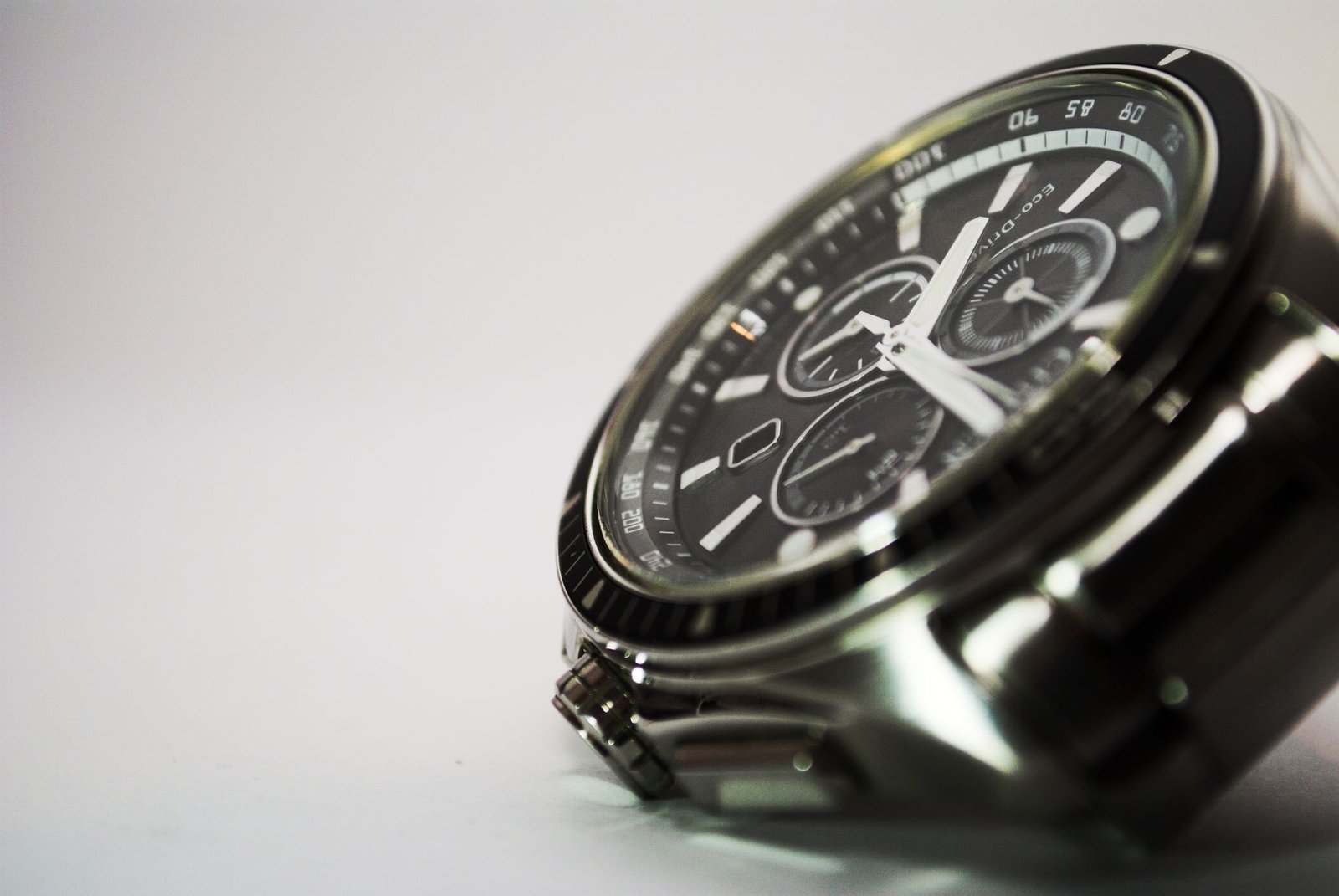
Some mechanical movements include “complications.” These are functions beyond simply telling the time. Examples include a chronograph (stopwatch function), a perpetual calendar (shows date, day, month, and leap year correctly), a moon phase indicator, or a minute repeater (chimes the time). The more complications a watch has, the more complex and usually more expensive it is. The allure of the complication is a major draw for serious collectors.
Provenance: The Story of Ownership
A watch’s history of ownership, known as provenance, can dramatically increase its value. If a watch was owned by a famous person, like a president, a movie star, or a renowned explorer, it gains a unique story. For example, Paul Newman’s Rolex Daytona is one of the most famous examples. It sold for over $17 million at auction. The watch itself was special, but its connection to the actor made it legendary. Watches that have been part of significant historical events also carry immense value.
Buying and Investing in Watches
Many people buy luxury watches because they love them. They appreciate the design, the craftsmanship, and the history. But for some, watches are also an investment. Like art or classic cars, some watches can increase in value over time. However, it’s important to approach watch collecting as an investment with caution and knowledge.
Research is Key
Before buying, especially a high-value piece, do your homework. Understand the brands you are interested in. Learn about their history, their iconic models, and what makes them desirable. Follow market trends. See what similar watches are selling for at reputable auction houses and dealers. Websites that track watch sales, like Chrono24 or WatchCharts, can be very helpful. The market for luxury watches can be quite dynamic in 2026.
Condition Matters
The condition of a watch is crucial for its value, especially for vintage pieces. A watch that is well-maintained, with its original parts, is generally worth more. Scratches, dents, or poorly done repairs can significantly lower a watch’s value. For vintage watches, originality is often key. This means the dial, hands, case, and movement should be as they were when the watch left the factory. Preserving value in vintage watches often means focusing on originality.
When considering a purchase, look closely at the watch. Are the case edges sharp or worn down? Is the dial clean and clear, or does it have discoloration or damage? Are the hands original? For mechanical watches, check if they are running accurately. Vintage watch condition is a primary factor for collectors.
Buying from Reputable Sources
Buy from dealers you trust or through reputable auction houses. Be wary of deals that seem too good to be true, especially online from unknown sellers. Counterfeits are a problem in the watch market. A trusted dealer will be able to provide papers (the watch’s original warranty and documentation) and a guarantee of authenticity. Authentication is a critical step for any serious collector. If a deal seems suspicious, it often is.
A Glimpse into Watch History and Famous Owners
Watches have been companions to explorers, pilots, divers, and astronauts. They have marked significant moments in history. Early Rolex tool watches, for instance, were built for demanding professions. Their robust design made them essential gear. The Omega Speedmaster became famous when it was worn by astronauts on NASA missions, including the Apollo program.
During World War II, watches were essential for soldiers coordinating attacks. Many brands produced watches specifically for military use. These “military issue” watches are now highly collectible. Jaeger-LeCoultre, known as “the watchmaker’s watchmaker,” has a long history of supplying movements to other prestigious brands and creating its own innovative timepieces.
Think about the elegant dress watches of the mid-20th century, or the bold, oversized designs of the 1970s and 80s, like those designed by Gerald Genta. Each era has its own style and significance. Famous owners often add a layer of mystique. Think of presidents, royalty, or movie stars known for their taste in watches. Their choices can inspire trends and increase interest in specific models.
Watch Maintenance and Authentication Tips
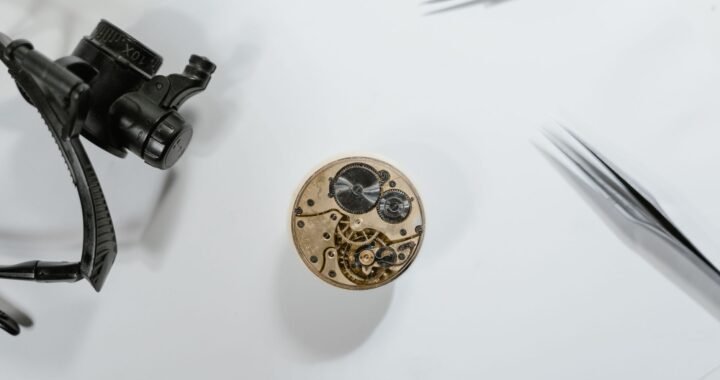
Taking care of your watch is essential, especially if you want it to last for generations or retain its value. Mechanical watches need regular servicing. This typically involves cleaning, lubricating, and adjusting the movement. Most manufacturers recommend a service every 3 to 5 years, depending on the watch and how it’s used. While servicing can be expensive, it’s necessary to keep the watch running accurately and prevent long-term damage.
When it comes to authentication, be aware of common fakes. Look closely at the details: the quality of the printing on the dial, the finishing of the case and bracelet, the weight of the watch (fakes often feel lighter), and the accuracy of the movement. If the watch has a date display, does the date change crisply at midnight? Does the serial number look correct for the model and year? If you are unsure, always consult a trusted watchmaker or dealer for authentication. The originality dilemma is a real concern for collectors.
Iconic Models That Defined Eras
Some watches are more than just timekeepers; they are cultural icons. The Rolex Submariner, first released in 1953, became the benchmark for dive watches. Its design has been influential for decades. The Audemars Piguet Royal Oak, designed by Gerald Genta and launched in 1972, revolutionized luxury sports watches with its bold octagonal bezel and integrated bracelet.
The Patek Philippe Nautilus, also a Genta design from 1976, is another legendary sports watch. Its elegant yet robust appearance has made it incredibly popular. For chronographs, the Omega Speedmaster “Moonwatch” has a unique place in history due to its space exploration connection. The Rolex Daytona, especially vintage models, is highly sought after by collectors for its racing heritage and stylish design.
| Iconic Model | Brand | Approx. Launch Year | Key Feature/Significance |
|---|---|---|---|
| Submariner | Rolex | 1953 | Pioneering dive watch, benchmark for water resistance |
| Royal Oak | Audemars Piguet | 1972 | Revolutionary luxury sports watch design, octagonal bezel |
| Speedmaster “Moonwatch” | Omega | 1957 | First watch worn on the moon, robust chronograph |
| Nautilus | Patek Philippe | 1976 | Iconic luxury sports watch, integrated bracelet design |
| Daytona | Rolex | 1963 | Racing-themed chronograph, highly collectible vintage models |
Frequently Asked Questions
What is the single most important factor for a watch’s value?
It’s rarely just one thing. Value is usually a combination of brand reputation, rarity, condition, materials, and provenance. However, for many vintage watches, a strong historical connection or extreme rarity can sometimes outweigh other factors.
Are vintage watches always a good investment?
Not necessarily. While some vintage watches have seen significant appreciation, the market can be unpredictable. It’s crucial to buy what you love and understand the risks. Condition, originality, and market demand are key for investment potential.
How often should I service my mechanical watch?
Generally, a mechanical watch should be serviced every 3 to 5 years. This prevents wear and tear on the delicate parts. Neglecting servicing can lead to more expensive repairs down the line.
What does “in-house movement” mean?
An in-house movement means the watch brand designed and manufactured the movement itself, rather than buying it from a third-party supplier. This signifies a higher level of technical capability and exclusivity for the brand.
Is it safe to buy luxury watches online?
Buying online can be safe if you use reputable platforms and dealers who offer guarantees of authenticity and have good return policies. Always research the seller and be cautious of deals that seem unusually low.
What are common signs of a fake watch?
Signs of a fake can include poor finishing, light weight, incorrect logos or text on the dial, inaccurate timekeeping, and non-functional complications. Serial numbers can also be a giveaway if they don’t match production records.
Understanding the subtle details and history behind luxury watches can transform a simple accessory into a fascinating object of art and engineering. By paying attention to brand heritage, rarity, craftsmanship, and provenance, you can better appreciate the stories these timepieces tell.