Beyond the Bezel: The Hidden Heartbeat of Luxury Watches

You see them on the wrists of celebrities, titans of industry, and collectors around the world. Luxury watches. They’re more than just timekeepers; they’re pieces of art, engineering marvels, and sometimes, serious investments. But what really makes a luxury watch tick, and more importantly, what makes it valuable? We’re not talking about the shiny case or the famous name for a moment. Let’s look at the engine inside, the movement, and why it’s the true star of the show.
Key Takeaways
- The watch movement is the engine that powers a luxury timepiece.
- Mechanical movements, especially those with high jewel counts and complex features, are highly prized.
- In-house movements, designed and built by the watch brand itself, add significant value and prestige.
- The complexity of a movement (complications) directly impacts its value and desirability.
- Understanding the movement helps in appreciating the craftsmanship and potential investment value of a watch.
The Soul of the Watch: What is a Movement?
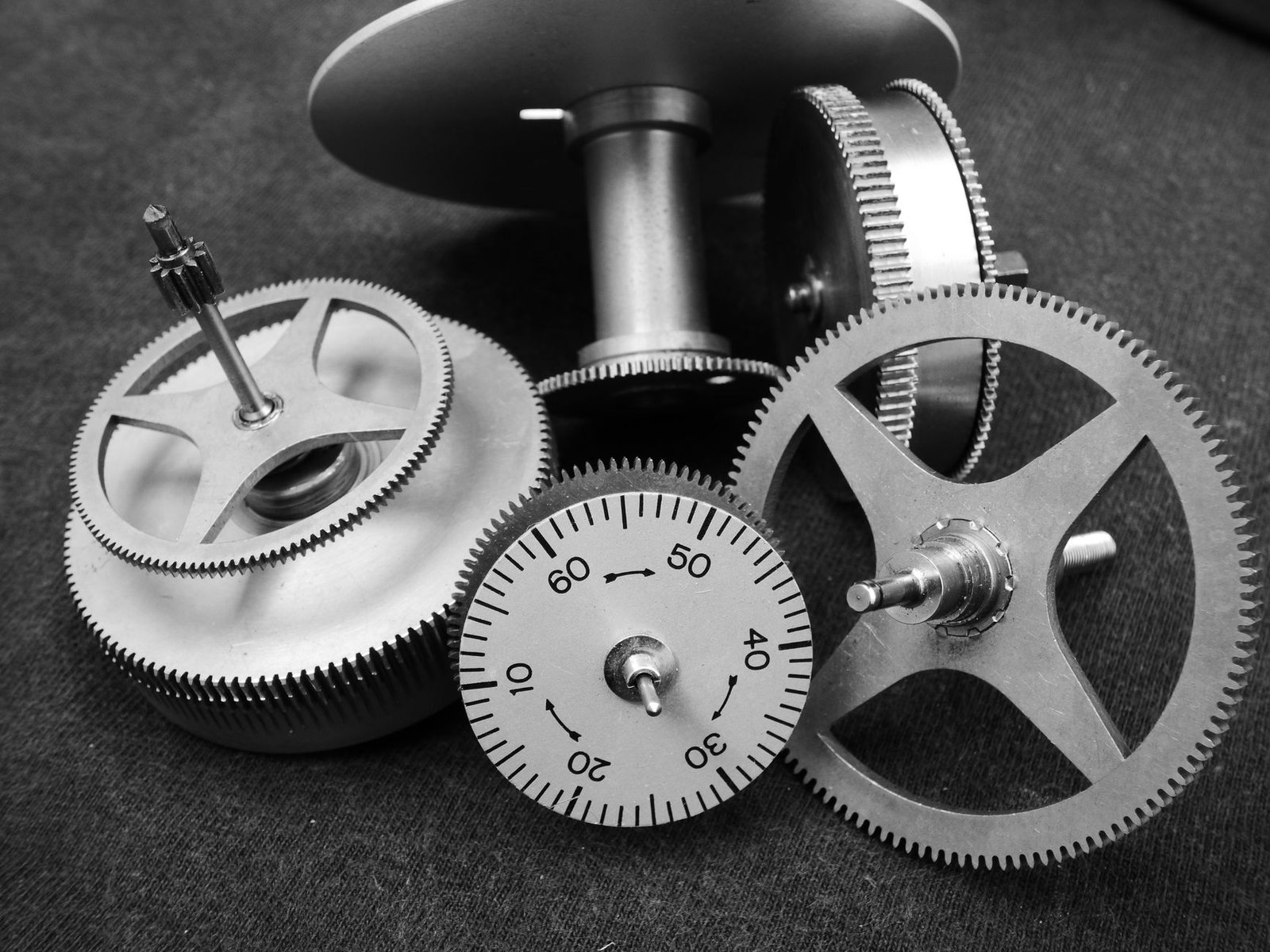
Think of a watch movement as the heart of a watch. It’s the complex system of gears, springs, and levers that actually makes the hands move and tells time. For luxury watches, the movement is often where the real magic happens. It’s a testament to human ingenuity and precision engineering.
Unlock the Secrets of Luxury Watch Movements!
Test your knowledge about luxury watch movements, craftsmanship, and what makes these timepieces truly valuable in this fun quiz.
See your result instantly after answering.
There are two main types of movements. The first is a quartz movement. These use a battery and a tiny quartz crystal to keep time. They are very accurate and require little maintenance. However, in the world of high-end luxury watches, quartz movements are generally not considered as desirable or valuable as their mechanical counterparts. They are more common in entry-level or sports watches where extreme accuracy and durability are the main focus.
The second type is a mechanical movement. These are powered by a wound spring. When you wind a watch or wear it (an automatic watch), the spring gains energy. This energy is slowly released through a series of gears, moving the watch’s hands. Mechanical movements are admired for their craftsmanship and the skill required to build them. They represent a connection to the history of watchmaking, dating back centuries.
Mechanical Movements: Craftsmanship in Motion
Within mechanical movements, there are two main categories: manual-wind and automatic. Manual-wind watches need to be wound by hand, usually by turning the crown daily. This process connects the wearer directly to the watch’s operation. It’s a ritual for many watch enthusiasts.
Automatic watches, also known as self-winding watches, have a rotor. This is a weighted piece that spins with the natural motion of your wrist. This spinning winds the mainspring. So, as long as you wear the watch regularly, it stays wound and keeps running. Brands like Rolex are famous for their reliable automatic movements, making models like the Submariner incredibly popular.
What makes one mechanical movement more valuable than another? Several factors come into play. The number of tiny gears and springs, the precision with which they are made, and the overall complexity all contribute. A movement with more parts, especially if they are hand-finished, is often more valuable. The number of jewels is also important. Jewels, usually rubies, are used at points where gears mesh to reduce friction. More jewels generally mean a more robust and longer-lasting movement, though there’s a limit to how many are actually needed. A movement with around 17 to 25 jewels is typical for a high-quality mechanical watch.
In-House Movements vs. Third-Party Calibers
One of the biggest indicators of a luxury watch’s pedigree and value is whether it uses an “in-house” movement. This means the watch brand designed and manufactured the movement itself, from start to finish. Brands that develop their own movements, like Patek Philippe or A. Lange & Söhne, are often seen as the pinnacle of watchmaking. They have complete control over the design, quality, and innovation.
Developing an in-house movement is incredibly expensive and time-consuming. It requires huge investment in research, development, and manufacturing facilities. Because of this, only a select few brands truly master it. When a brand proudly states it uses its own in-house caliber, it’s a signal of its commitment to horological excellence and its independence from outside suppliers.
Many other reputable watch brands use movements made by third-party specialists, most famously ETA (a Swiss company now owned by Swatch Group) or Sellita. These movements are often very reliable and well-made. Brands might modify these “workhorse” movements to meet their specific standards or add their own complications. While still excellent, a watch with an in-house movement often carries a higher prestige and, consequently, a higher price tag. It’s a mark of a brand that invests deeply in its own horological identity.
Complications: More Than Just Telling Time
When we talk about what makes a watch movement special, we also need to talk about “complications.” A complication is any function on a watch beyond simply displaying the time (hours, minutes, seconds). The more complications a watch has, the more complex its movement, and generally, the more valuable and prestigious it is.
Some common complications include:
- Date display: A window showing the current date.
- Chronograph: A stopwatch function, usually with sub-dials and pushers on the side of the case. Many people love the functionality of a chronograph, like those found on iconic models such as the Rolex Daytona.
- Moonphase: A dial that shows the current phase of the moon.
- World Time/GMT: Displays the time in multiple time zones. The GMT-Master II is a classic example of a watch excelling at this.
Then there are the truly grand complications, which are incredibly rare and sought after:
- Perpetual Calendar: Automatically displays the correct date, day, month, and year, and accounts for leap years, without needing adjustment until the year 2100.
- Minute Repeater: Chimes the hours, minutes, and sometimes seconds on demand, using tiny hammers striking gongs. This is incredibly difficult to engineer and tune for a pleasing sound.
- Tourbillon: A complex rotating mechanism designed to counteract the effects of gravity on the watch’s accuracy. It’s often visible through a cut-out on the dial and is a true spectacle of watchmaking artistry.
A watch with multiple complications, especially if they are developed in-house, is considered a masterpiece. These are the watches that collectors dream of owning and that often command astronomical prices at auction.
Building Value: What Makes a Movement Collectible?
So, how do these movements translate into collectible value? It’s a mix of art, engineering, history, and rarity.
- Brand Heritage: Brands with a long history of innovation and quality, like Audemars Piguet, Vacheron Constantin, and Jaeger-LeCoultre, often have movements that are highly collectible. Their historical significance adds to their appeal.
- Rarity: A limited-edition movement or a model produced in small numbers will naturally be more sought after. This scarcity drives up demand and price.
- Innovation: Movements that introduced a new technology or solved a long-standing watchmaking problem can become legendary. For example, the first automatic watch or the first waterproof watch movement.
- Finishing: Even on a mass-produced watch, the way the movement is decorated matters. Hand-finished components, things like Geneva stripes (Côtes de Genève) or perlage (circular graining), show meticulous attention to detail. Higher quality finishing equals higher value.
- Provenance: For vintage watches, who owned it before can add immense value. A watch owned by a historical figure or a famous personality can fetch millions. The stories behind these watches are as important as the mechanics.
Consider the complexity of a Patek Philippe Grandmaster Chime, one of the most complicated watches ever made. It features 20 complications and took over 100,000 hours to develop. Its value isn’t just in telling time; it’s in the sheer human achievement it represents.
Buying and Investing in Watches Based on Movement
If you’re looking to buy a luxury watch, especially with an eye towards investment, understanding the movement is crucial. A watch with a proven, in-house mechanical movement from a reputable brand is generally a safer bet for retaining or increasing its value.
Things to look for:
- Brand Reputation: Stick with established brands known for their quality movements.
- In-House Movement: Prioritize watches with movements designed and built by the brand itself.
- Complications: While simpler time-only watches can be great, watches with desirable complications (like chronographs or GMT functions) often hold value better.
- Condition: For vintage pieces, the condition of the movement is paramount. A service history or recent overhaul is a huge plus.
- Serviceability: Can the movement be serviced easily by watchmakers? Some highly complex or obscure movements can be very difficult and expensive to repair.
You might see prices for a well-regarded automatic watch from a brand like Omega or Breitling starting around $3,000 to $5,000 in 2026. However, watches with more complex in-house movements, perpetual calendars, or minute repeaters from brands like Patek Philippe or Vacheron Constantin can easily run into the tens or hundreds of thousands, or even millions, for rare vintage pieces.
Maintaining Your Watch’s Heartbeat
A luxury watch’s movement requires care. Mechanical watches, especially, need regular servicing. This typically involves disassembling the movement, cleaning all the parts, lubricating them with special oils, and reassembling them. Most manufacturers recommend servicing every 3 to 7 years, depending on the watch and its use. This service can cost anywhere from $500 to $2,000 or more for highly complicated pieces.
Neglecting servicing can lead to increased friction, wear, and eventual damage to the delicate parts. It’s like not changing the oil in your car; eventually, the engine will suffer. Also, be mindful of strong magnetic fields, which can affect the accuracy of mechanical movements. While many modern movements have anti-magnetic properties, it’s still something to be aware of.
Authentication: Is It the Real Deal?
When buying a luxury watch, especially a pre-owned one, authentication is key. A fake watch might look good on the outside, but the movement is often where counterfeiters cut corners. Genuine luxury movements are exquisitely finished, precisely engineered, and often bear the brand’s markings. Counterfeits often use cheaper, poorly finished movements, or sometimes even quartz movements in a watch that should be mechanical.
The best way to authenticate a watch is to have a qualified watchmaker examine the movement. They can spot the tell-tale signs of a fake. If you’re buying from a reputable dealer or an authorized retailer, the risk is lower, but for private sales or less well-known sources, due diligence is essential. Examining the movement’s finishing, the engravings, and the overall construction can reveal authenticity. Sometimes, even serial numbers and reference numbers can be cross-checked with databases, though these can also be faked.
Frequently Asked Questions
What’s the difference between a Swiss movement and a Japanese movement?
Swiss movements, especially those from brands like ETA, Sellita, and in-house manufactured calibers from luxury houses, are often prized for their historical prestige, finishing, and complexity. Japanese movements, primarily from Seiko and Citizen (Miyota), are renowned for their reliability, accuracy, and often more affordable price points, especially in quartz technology, but Seiko also produces excellent mechanical movements.
Do I need to wind my automatic watch every day?
Not necessarily. If you wear your automatic watch consistently, your daily movements should keep the power reserve wound. However, if you don’t wear it for a day or two, the watch may stop. In that case, you would need to wind it manually or let your wrist movements wind it back up. Some watches have power reserves of 70 hours or more, meaning they can keep running for several days even when not worn.
Are perpetual calendars worth the extra cost?
For collectors and enthusiasts who appreciate horological complexity, yes, a perpetual calendar is often considered a pinnacle complication and worth the investment. For someone who just needs to know the date, it’s overkill. Their value lies in the engineering feat of automatically tracking dates and leap years, making them highly collectible and often appreciating in value over time.
How can I tell if a vintage watch movement has been serviced?
Often, a serviced movement will have tiny marks on the screw heads left by the watchmaker’s tools. Sometimes, the watchmaker will etch their initials or the service date discreetly on an internal bridge or the movement’s caliber plate. If the watch comes with service papers or a warranty card from a reputable watchmaker, that’s also a strong indicator.
Are tourbillons really necessary for accuracy?
In everyday modern use, no. A well-made modern watch movement, even without a tourbillon, is incredibly accurate. The tourbillon was invented in the late 18th century to counteract gravity’s effect on pocket watches, which were usually kept in one position. For wristwatches, which are constantly moving, its practical benefit for accuracy is minimal. Today, the tourbillon is primarily appreciated as a display of extreme mechanical artistry and a symbol of high-end watchmaking.
The movement is the silent, beating heart of a luxury watch. It’s where the true artistry, engineering, and heritage lie. By understanding what goes on inside that case, you gain a much deeper appreciation for the craftsmanship and potential value of these incredible timepieces.