Vintage Watch Condition: Why It Matters More Than You Think

When you’re looking at vintage watches, condition is everything. It’s not just about how pretty a watch looks. It’s about what it tells you about its history. It’s also about how much it’s worth. And how long it will keep ticking. We’ll look at what makes a vintage watch’s condition so important. We’ll cover everything from tiny scratches to big repairs. This will help you understand what to look for. It will also help you avoid common mistakes. Let’s get started.
Key Takeaways
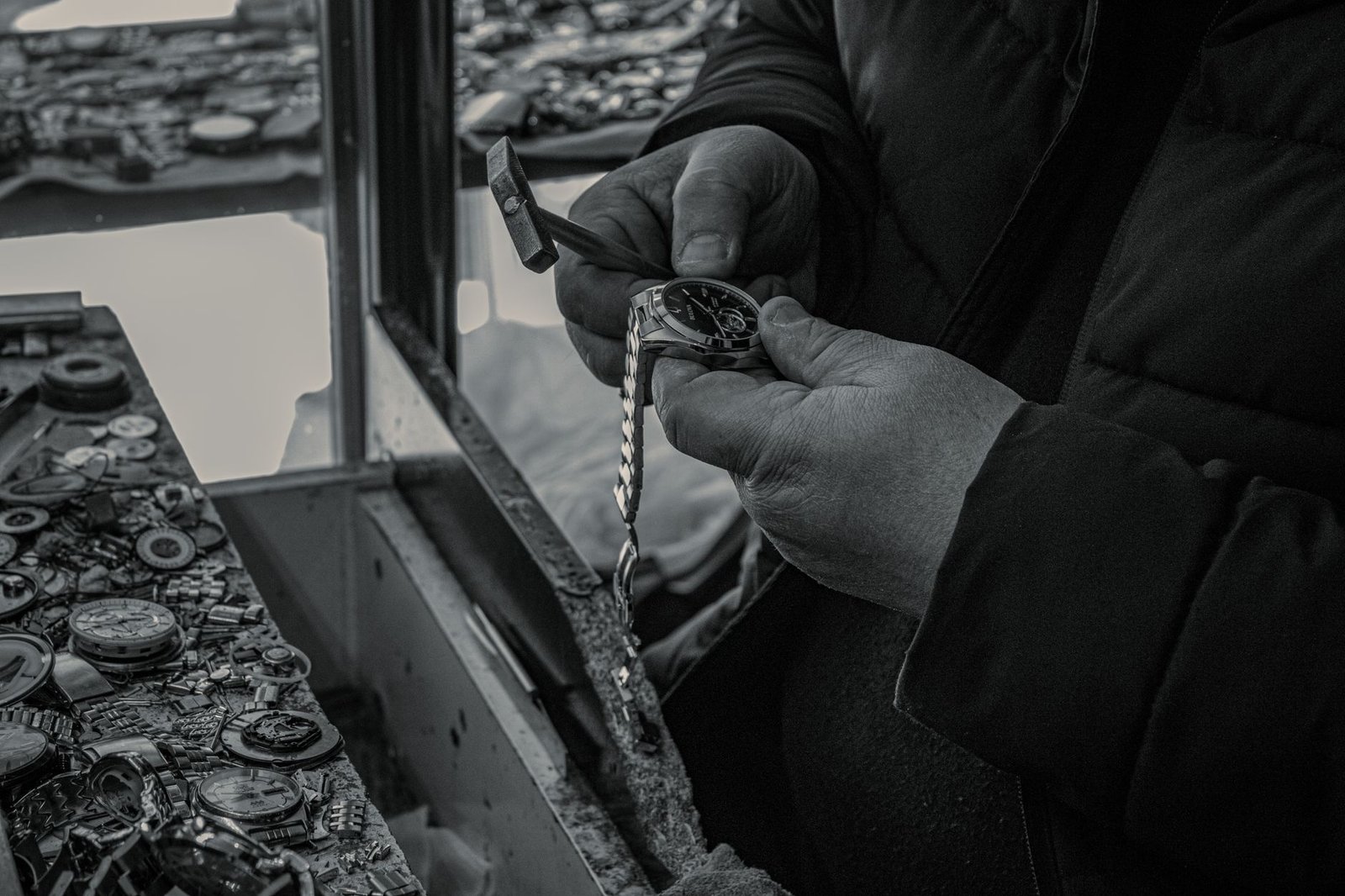
- The original finish of a watch case is a major factor in its value. Polishing can remove original details.
- Dial condition is critical. Patina is desirable, but damage like corrosion or peeling lacquer is not.
- Movement condition is paramount. A well-maintained movement is essential for a watch to function and hold value.
- Originality matters. Parts that are not original to the watch can significantly reduce its collectibility and value.
- Understanding case wear, dial condition, movement health, and originality will help you make better buying decisions.
The Case for Condition: What to Look For
When you’re hunting for vintage watches, you’ll see lots of different terms. Words like ‘mint’, ‘excellent’, ‘very good’, and ‘fair’ get thrown around. But what do they really mean? For vintage watches, condition is often the biggest driver of value. A rare watch in poor condition might be worth less than a common watch in amazing shape. Let’s break down the key areas to inspect.
Case and Finish
The case is the body of the watch. It protects all the important bits inside. For vintage watches, the original factory finish is highly desirable. This means how the metal was originally brushed or polished. Over time, cases can get scratched. They can also be over polished by well-meaning but misguided watchmakers. Polishing can soften sharp lines and remove details. Think of the crisp edges on a vintage Rolex Daytona. If a watch has been polished too much, those sharp lines disappear. This significantly reduces its value. Look for cases that still have their original brushed surfaces. Check the lugs, the sides, and the bezel. Are the edges still sharp? Or are they rounded off? Even small, shallow scratches are often better than a case that has been aggressively polished. Some light surface scratches are normal for a watch that has been worn. Deep gouges or dents are a different story. These can be very hard and expensive to fix properly. Sometimes, they can’t be fixed at all without compromising the case.
The Dial: More Than Just a Pretty Face
The dial is what you look at all the time. Its condition is super important. A perfect dial on a rare watch is a dream. But even a common watch with a flawless dial can be very collectible. What makes a dial desirable? First, let’s talk about patina. Patina is the natural aging of the dial over time. Some people love a warm, aged patina. This can be seen in the creamy color of old luminous material or a slight yellowing of the dial surface. It shows the watch has lived a life. But not all aging is good. You want to avoid signs of damage. Look out for corrosion. This can appear as tiny black or rusty spots. Peeling lacquer is another issue. The clear coating on the dial can sometimes bubble up or flake off. This is often called ‘spider webbing’. It’s usually a sign of moisture damage. Also, check for any signs of radium burn. Radium was used as a luminous material before tritium. It can sometimes eat away at the dial surface over time. Some dials have applied markers. Check if they are all present and straight. Are the hands original? Do they match the dial’s age? A dial with an even, attractive patina is good. A dial that is corroded, flaking, or damaged is usually a major problem. You can learn more about the fascinating details of vintage watch dials.
Hands and Lume
The hands of a watch can also tell a story. Are they original to the watch? Do they match the dial and its luminous material? Often, the lume on the hands will age differently from the lume on the dial. This is normal. Ideally, you want the hands to be in good condition. No bent or broken parts. The luminous material on the hands should ideally match the dial’s lume in color and condition. If the hands have been relumed, it can affect the watch’s value. This is because it’s not original. Sometimes, watch owners want the lume to glow brightly again. They might have them relumed. This is a trade-off. You get a glow, but you lose originality. For serious collectors, originality is usually king.
Movement Condition: The Watch’s Heartbeat
The movement is the engine of the watch. It’s what makes the hands move. For any watch, vintage or new, the movement’s condition is crucial. A watch that doesn’t run is just a pretty bracelet. For vintage watches, a well-maintained movement is key. Has it been serviced regularly? A watch that hasn’t been serviced in decades might look good on the outside. But its internal parts could be dry, worn, or even damaged. Look for signs of rust or corrosion inside the movement. This often indicates past water damage. A watchmaker can inspect the movement. They can tell you if it’s clean, if the parts look good, and if it’s keeping good time. A service history is a big plus. If the seller can provide records of recent servicing, that’s excellent. If not, you should assume it will need a service soon. Factor the cost of a service into your purchase price. A watch with a dirty or damaged movement is a big risk. It can be very expensive to repair. Sometimes, parts are hard to find for vintage movements. This makes repairs even more difficult and costly.
Originality: The Collector’s Holy Grail
Originality is a massive factor in vintage watch collecting. It means the watch is as close as possible to how it left the factory. This applies to every part of the watch. We’ve talked about the case finish, dial, and hands. But it goes further.
Correct Parts
Are the parts on the watch correct for that specific model and year? For example, does it have the right crown? Does it have the correct case back? Sometimes, people replace these parts with generic ones. Or they use parts from a different model. This can really hurt the watch’s value and collectibility. For very rare or high-value watches, authenticity is everything. Minor deviations from the original specification can cost thousands. For example, a watch might have a dial that looks right, but has a slightly different text layout. Or it might have hands from a later production run. These details matter to serious collectors. Sometimes, the watch might have a ‘service dial’. This is a dial made by the manufacturer to replace a damaged original dial. While it keeps the watch running, it’s not original. It’s important to research the specific model you are interested in. Know what the correct parts should look like.
The Dangers of ‘Frankenwatches’
A ‘Frankenwatch’ is a watch made up of parts from different watches. Sometimes this is done intentionally to deceive buyers. Other times, it happens over many years as parts get replaced without care. These watches can look good from a distance. But up close, you can see that the parts don’t quite match. They might have different finishes. Or the colors might be slightly off. They are generally not considered collectible. Their value is usually much lower than a genuine, original example. Always be wary of deals that seem too good to be true. If a watch looks perfect, but the price is surprisingly low, there might be a reason. It could be a Frankenwatch.
Buying and Investing Wisely in Vintage Watches
Buying a vintage watch can be exciting. It can also be a smart investment. But you need to know what you’re doing. Condition and originality are your best friends here.
Where to Buy
You can buy vintage watches from many places. Reputable dealers, auction houses, and even some online marketplaces. Each has pros and cons. Dealers often offer warranties or guarantees of authenticity. Auction houses can have great finds, but you need to do your homework. Online marketplaces can be tricky. You need to be extra careful about condition and authenticity. Always buy from sellers with good reviews and return policies. If you can, see the watch in person. Or ask for high-quality, detailed photos and videos. Pay attention to the details we’ve discussed. A good seller will be happy to answer your questions about condition and originality.
Research is Key
Before you buy any vintage watch, do your research. Learn about the specific brand and model. What are the common variations? What are the telltale signs of fakes or modified watches? Look at sold prices for similar watches in similar condition. This will give you a realistic idea of value. Websites, forums, and books dedicated to watches are great resources. Knowing the history and specifications of a model is a powerful tool. It helps you spot red flags and appreciate genuine examples. For instance, understanding Patek Philippe’s complications is a deep dive. It shows the level of detail collectors value. The Untold Story of Patek Philippe’s Complications: More Than Just a Watch
Condition as a Value Driver
When you’re thinking about investing, condition is paramount. A rare watch in pristine, unpolished condition with a perfect dial will always command a premium. It will likely hold its value better and appreciate more over time than a similar watch that has been heavily used or repaired poorly. Collectors are willing to pay more for the best examples. They want the watches that look as close to new as possible, but with that desirable vintage character. A watch with significant flaws might seem like a bargain. But it can be very hard to sell later. And its value is unlikely to grow much, if at all.
Maintenance and Authentication: Keeping Your Watch in Shape
Once you own a vintage watch, you need to take care of it.
Regular Servicing
Vintage watches, especially mechanical ones, need regular servicing. This means cleaning, oiling, and adjusting the movement. A good rule of thumb is every 3 to 5 years. Even if the watch seems to be running fine. This prevents wear and tear on the delicate parts. It also helps catch potential problems early. A watch that is running fast or slow, or losing power reserve, needs attention. Don’t ignore these signs. Find a watchmaker who specializes in vintage watches. They will have the tools and expertise to work on older movements. They will also understand the importance of originality.
Water Resistance is a Myth
Most vintage watches are NOT water-resistant. Even if they say they are on the dial. Gaskets degrade over time. Seals fail. Unless a watch has been recently serviced by a specialist and pressure tested, assume it is NOT water-resistant. Do not shower with it. Do not swim with it. Do not expose it to heavy rain. Water damage is one of the most common and destructive issues for vintage watches. It can ruin dials, corrode movements, and cause expensive repairs.
Authentication Tips
Authenticating a vintage watch can be tricky. Here are some basic tips:
- Research the Reference Number: Every watch model has a reference number. Make sure the number on the case back matches the known numbers for that model.
- Check the Dial Text: Look for correct fonts, spacing, and spelling. Service dials or redials can look slightly different.
- Examine the Case Shape and Finish: Are the lines sharp? Does the brushing look original?
- Inspect the Movement: Does it look clean? Are the markings correct? This often requires opening the watch, which should be done by a professional.
- Be Wary of Redials and Relumes: While not always deal-breakers, they significantly reduce value. A ‘redial’ is a repainted dial. A ‘relume’ is when the luminous material is reapplied.
- Buy the Seller, Not Just the Watch: If you’re unsure, buy from a trusted source.
For high-value pieces, consider professional authentication services. These experts can spot even the most convincing fakes.
Famous Watches and Their Stories
Many vintage watches have famous owners or interesting histories. These stories add to their appeal and value.
The “Paul Newman” Daytona
The Rolex Daytona reference 6239, famously owned by actor Paul Newman, is legendary. His wife gifted it to him. He was often seen wearing it. This specific model, with its exotic dial (often called a “panda” dial), became incredibly desirable. In 2017, one of his personal Daytonas sold at auction for a staggering $17.8 million. This showed the immense power of provenance , the history of ownership. This watch wasn’t just rare; it had a connection to a cultural icon.
The Omega Speedmaster “Moonwatch”
NASA’s selection of the Omega Speedmaster for its space missions is a defining chapter in watch history. In 1965, the Speedmaster became the first, and only, watch qualified by NASA for all its manned spaceflight missions. The watch that went to the moon was the Speedmaster Professional. It was worn by Buzz Aldrin when he stepped onto the lunar surface in 1969. This has cemented the Speedmaster’s status as an icon. It’s a true tool watch with an incredible story. Many collectors seek out the early reference models, like the CK2915 or the ST105.003, the “Ed White” model. The condition and originality of these early pieces are highly sought after. The enduring allure of vintage Omega Speedmasters is undeniable.
James Bond’s Rolex Submariner
While James Bond wore many watches in the films, the Rolex Submariner is perhaps the most associated with him, especially in the early films. The Submariner became synonymous with cool, rugged masculinity. Its robust design and versatility made it a perfect fit for the spy. The reference 6538, often called the “Big Crown” Submariner, is particularly famous from the early Bond movies like Dr. No. These watches, when found in good condition with their original components, are highly collectible.
Frequently Asked Questions
What is the most important factor in a vintage watch’s value?
While rarity plays a role, condition and originality are often the most important factors. A rare watch in poor condition can be worth less than a common watch in excellent, original shape. This includes the case finish, dial condition, hand originality, and correct movement parts.
Is it okay if my vintage watch has been polished?
It depends. A light, careful polish that preserves the case’s sharp lines and details is acceptable. However, an aggressive polish that removes original finishing, softens edges, or reduces the case’s proportions significantly reduces its value and desirability for collectors.
How often should I service my vintage watch?
As a general rule, vintage mechanical watches should be serviced every 3 to 5 years. This helps maintain the movement’s health, prevents premature wear, and ensures accurate timekeeping. Even if the watch is running well, internal lubricants can dry out over time.
What is ‘patina’ on a vintage watch dial?
Patina refers to the natural aging and discoloration that occurs on a watch dial over many years. This can include a creamy or yellowish hue on the luminous markers, or a slight darkening of the dial surface. A desirable, even patina is often seen as adding character and value. However, damage like corrosion, peeling lacquer, or severe spotting is not considered good patina.
Can I still find original parts for very old watches?
It can be challenging. For very rare or obscure models, original parts might be extremely difficult or impossible to find. Reputable watchmakers often have access to vintage parts or can fabricate replacements. However, any non-original part, especially on a high-value watch, will likely impact its collectibility. Always prioritize watches that have remained as original as possible.
When looking at vintage watches, always remember that condition and originality are your guideposts. They tell you not just about the watch’s past, but also about its future value and your enjoyment of it. Take your time, do your research, and seek out watches that have been cared for. You’ll be rewarded with a piece of history you can wear on your wrist.

[…] You can find historical watches at auction houses. Major auctioneers like Sotheby’s and Christie’s often have incredible pieces. Independent dealers specializing in vintage watches are another option. Online marketplaces exist, but you must be careful. Always buy from reputable sources. If you’re unsure about a watch’s condition, it’s always best to check its physical state. Vintage watch condition matters more than you think. […]