The Future of Battery Tech: What’s Powering Our Gadgets in 2026?

Beyond Lithium-Ion: New Battery Chemistries Emerge
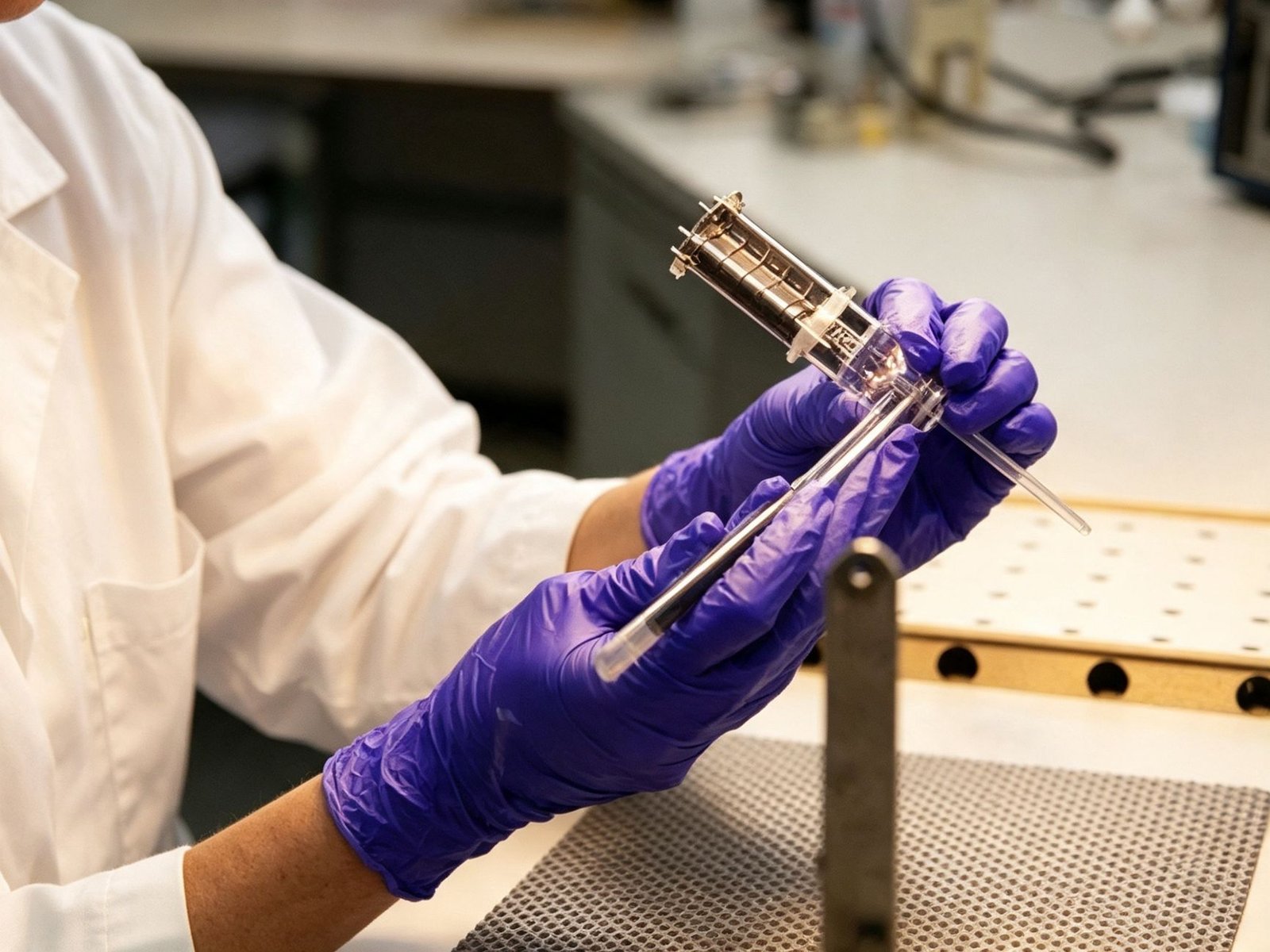
We all rely on batteries. They power our phones, laptops, and even our cars. For years, lithium-ion has been the king of batteries. But scientists are working on new types of batteries. They want to make them charge faster, last longer, and be safer. In 2026, some of these new technologies are starting to show up in our devices.
One exciting area is **solid-state batteries**. Unlike current lithium-ion batteries, which use a liquid electrolyte, solid-state batteries use a solid material. This makes them much less likely to catch fire. They can also pack more energy into the same space. This means your phone could last two days on a single charge. Some companies are already testing these in electric vehicles.
Test Your Knowledge on 2026 Battery Tech!
Challenge yourself with this quick quiz to see how much you know about the exciting battery innovations powering our devices in 2026.
See your result instantly after answering.
The Rise of Sodium-Ion Batteries
Another promising technology is **sodium-ion batteries**. Sodium is much more common and cheaper than lithium. This could make batteries for everything from grid storage to electric cars more affordable. While they might not hold quite as much energy as lithium-ion batteries yet, they are improving quickly. Experts predict that by 2026, we’ll see more consumer electronics using sodium-ion power.
We’re also seeing advancements in **lithium-sulfur batteries**. These batteries use sulfur, which is abundant and cheap. They have the potential to store much more energy than lithium-ion batteries. Imagine a laptop that runs for a week without charging. That’s the kind of future lithium-sulfur could bring. The main challenge has been making them last for many charging cycles. However, recent research shows significant progress.
Improving What We Already Have
It’s not just about brand-new battery types. Companies are also finding ways to make current lithium-ion batteries better. They are experimenting with different electrode materials. They are also improving the battery management systems that control charging and discharging. These small changes can add up to big improvements in performance and lifespan.
Think about your smartphone. Even if it’s still using lithium-ion, the battery inside it in 2026 will likely be better than the one from a few years ago. Manufacturers are finding ways to squeeze more energy into the same battery size. They are also making them charge faster. Many new phones already support charging speeds that were unthinkable just a few years ago.
Battery Recycling Gets Smarter
As we use more batteries, recycling them becomes super important. We need to recover valuable materials like lithium and cobalt. New recycling methods are being developed. These methods are more efficient and less harmful to the environment. Companies are investing in “urban mining,” which is essentially recycling old electronics to get these precious metals back.
By 2026, we should see more robust recycling programs. This will help reduce the need to mine new materials. It also means less battery waste ends up in landfills. The goal is to create a more circular economy for battery production. This is crucial for sustainability as battery demand continues to soar.
What This Means for You
So, what does all this battery innovation mean for you and your gadgets in 2026? It means longer battery life for your devices. It means faster charging times. It could also mean more affordable electric vehicles and other electronics. Safety is also improving, which is always a good thing.
You might not see the exact battery chemistry listed on the box of your next phone. But you will notice the benefits. Devices will simply work longer and charge quicker. The constant search for a power outlet might become a thing of the past for many of your everyday gadgets. The world of portable power is changing rapidly, and 2026 is shaping up to be a key year for these advancements.