The Future of Smart Homes: Beyond the Voice Assistant

Remember when smart homes were just about talking to a speaker? Things have changed a lot. Today, smart homes are getting smarter without you even asking. They learn your habits. They adjust to your needs. This is the next level of home automation, and it’s pretty exciting.
What’s New in Smart Home Tech?
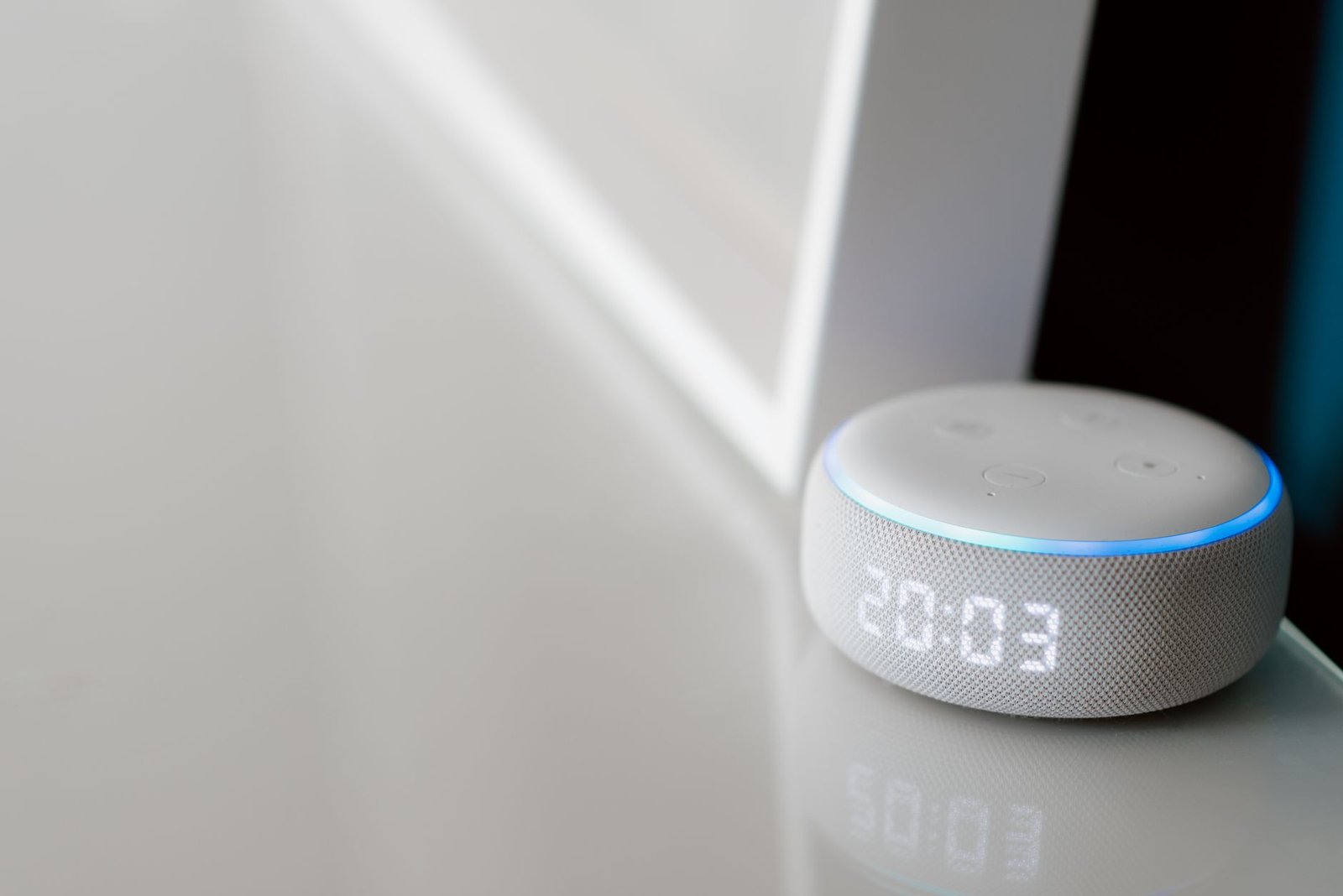
Voice commands are still a thing, of course. But the real magic is happening behind the scenes. Devices are starting to work together more. They use sensors and artificial intelligence (AI) to predict what you want. Think about your thermostat. Instead of you telling it the temperature, it learns when you’re home and when you’re not. It saves energy automatically. It also knows if you prefer it warmer in the morning and cooler at night.
Test Your Smart Home Savvy!
Discover how well you understand the shift toward predictive, AI-powered living spaces in this quick reading challenge.
See your result instantly after answering.
Lighting is another area where we’re seeing big changes. Smart lights can now do more than just turn on and off with your voice. They can adjust their color and brightness throughout the day. This helps mimic natural sunlight. It can improve your mood and sleep patterns. Some systems even notice if you leave a room. They turn off the lights automatically to save power.
AI: The Brains Behind the Smarts
Artificial intelligence is what makes all this predictive stuff possible. AI algorithms analyze data from your smart devices. This data includes when you use certain appliances, what temperature you like, and even when you typically go to bed. The AI learns these patterns. Then, it makes adjustments without you needing to do anything. This makes your home feel more comfortable and efficient.
For example, your smart blinds could start to lower themselves as the sun gets too strong. They do this before you even feel the heat. Your smart coffee maker might start brewing a pot when it senses you’re waking up. This is based on your usual morning routine. It’s not just about convenience; it’s about a home that truly understands its occupants.
Sensors: The Eyes and Ears of Your Home
Smart homes are becoming more aware of their surroundings thanks to advanced sensors. We’re not just talking about motion sensors anymore. We have sensors that can detect air quality, humidity, light levels, and even the presence of people in different rooms. These sensors feed information to the AI. This allows the system to make more informed decisions.
Imagine sensors that detect if a window is open while your heating is on. The system can then automatically turn off the heat to avoid wasting energy. Or consider air quality sensors. If they detect a drop in air quality, the system could turn on an air purifier or increase ventilation. This makes your home healthier.
Keeping Your Data Safe
With all these devices collecting data, privacy is a big concern. Many companies are working hard to make their systems more secure. Look for devices that use strong encryption. Also, understand how your data is being used. Many smart home systems are now offering more control over privacy settings. You can often choose what data you want to share.
Companies like Google and Amazon are investing heavily in AI security. They want to build trust with consumers. However, it’s still important for you to practice good digital hygiene. Use strong, unique passwords for your smart home accounts. Keep your home network secure. Regularly update the software on your smart devices.
Beyond the Living Room: Smart Homes Everywhere
The idea of a smart home isn’t limited to just the living room or kitchen. We’re seeing smart technology integrated into every part of the house. Smart bathrooms can monitor water usage. Smart bedrooms can help improve sleep quality. Smart gardens can even manage watering and lighting for plants. This holistic approach aims to make the entire home environment more responsive and efficient.
Think about a smart security system. It can do more than just detect intruders. It can learn who belongs in your home. It can adjust lighting and temperature when you arrive. Some systems can even greet visitors with personalized messages. This integration makes the home feel more alive and helpful.
The Future is Predictive
The main trend is moving from reactive to predictive smart homes. Instead of you telling your home what to do, your home anticipates your needs. This relies heavily on AI and a network of interconnected sensors. By 2026, we expect to see even more sophisticated systems. These systems will offer a level of comfort and efficiency that feels almost invisible.
The goal isn’t to have a home full of gadgets. It’s to have a home that works for you. It should make your life easier, save you money, and be more environmentally friendly. As the technology continues to evolve, our homes will become more than just buildings. They will become intelligent partners in our daily lives.