The Quiet Power of the Dress Watch: Elegance Beyond the Buzz

The world of watches can feel loud sometimes. You see big, sporty divers and GMTs built for adventurers. But there’s a whole other side to watchmaking. It’s about quiet elegance. It’s about dress watches. These are timepieces designed for finer occasions. They often have a simpler look. They focus on clean lines and classic design. Many people overlook them. But for collectors and enthusiasts, they hold a special place. This article is for you if you’re curious about these understated gems. We’ll look at what makes a dress watch special. We’ll also touch on how to find a good one.
Key Takeaways
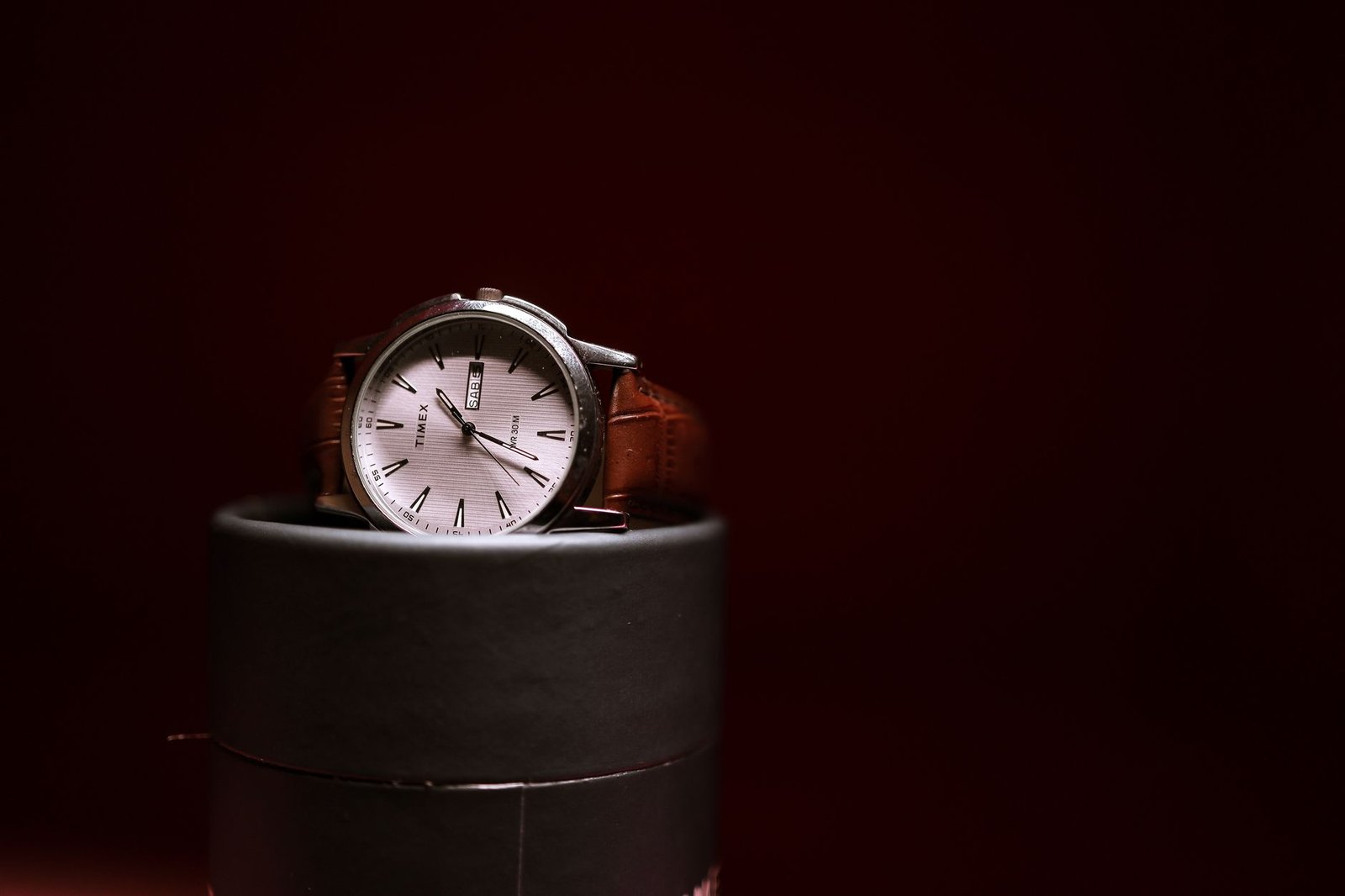
- Dress watches prioritize slim profiles and simple dials for formal wear.
- Materials like precious metals and refined leather straps are common.
- The “ultra-thin” movement is a hallmark of high-end dress watches.
- Vintage dress watches from the mid-20th century offer excellent value and style.
- Provenance and brand heritage are key factors in a dress watch’s collectibility.
What Exactly IS a Dress Watch?
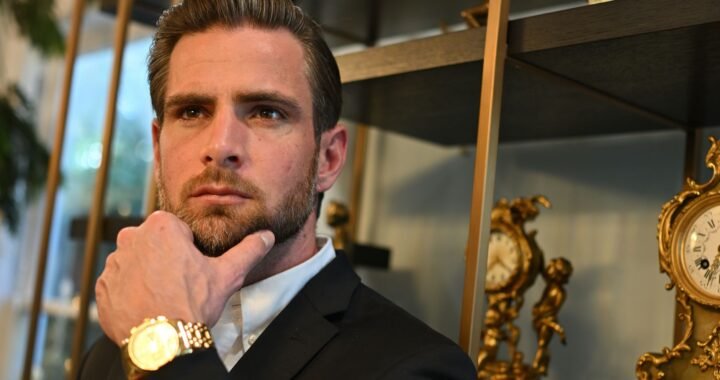
A dress watch is a timepiece traditionally worn with formal attire. Think suits, tuxedos, and evening wear. The goal is sophistication and subtlety. These watches are usually slim. They need to fit easily under a shirt cuff. The dials are often simple. They might have just hour markers and hands. Complications like chronographs or multiple dials are rare. The focus is on legibility and clean aesthetics.
Test Your Sleuth Skills on Subtle Timepieces!
Challenge yourself with this quick, fun quiz to see how well you grasped the quiet charm and details of classic dress watches.
See your result instantly after answering.
Materials play a big role. You’ll see dress watches in 18k gold, platinum, or stainless steel. The straps are typically made of fine leather, like alligator or calfskin. Metal bracelets are less common for traditional dress watches. They tend to be more casual. The overall design is about understated luxury. It complements your outfit, not overpowers it.
The Allure of Simplicity: Iconic Dress Watch Designs
Certain models have become legends in the dress watch world. These watches define understated elegance. They prove that a watch doesn’t need to be flashy to be desirable.
One classic is the Patek Philippe Calatrava. Introduced in 1932, the reference 96 set the standard. It has a clean, round case and a simple dial. It’s the definition of a timeless dress watch. Other Patek Philippe models, like the Golden Ellipse, also fit this category. Their oval shape is distinctive yet elegant.
Jaeger-LeCoultre is another brand with strong dress watch heritage. The Reverso is famous for its reversible case. It was originally designed to protect the crystal during polo matches. Today, it’s seen as a sophisticated choice. Its Art Deco lines are incredibly stylish.
Vacheron Constantin, one of the oldest watchmakers, has many dress watch examples. Their Patrimony collection embodies classic design. Think simple dials, slim cases, and refined details.
Even brands known for sport watches have iconic dress models. Rolex, for example, produced beautiful Cellini models. These often featured elegant designs and precious metals. While Rolex is more famous for its Submariner or Daytona, their dress watches have a dedicated following.
What Makes a Dress Watch Valuable and Collectible?
Several factors contribute to a dress watch’s value and desirability among collectors. It’s not just about the brand name.
Movement: The Watch’s Heart
The type of movement inside is crucial. For dress watches, manual-wind movements are highly prized. They allow for slimmer cases. Hand-winding requires a connection with the watch. You wind it each day. It’s a ritual. Ultra-thin movements, like those from Piaget or Patek Philippe, are especially valuable. They represent incredible feats of micro-engineering. Automatic movements are also common. But they need to be well-finished. A beautifully decorated automatic movement can add significant value. You can often see these through a clear case back.
Materials: More Than Just Metal
Precious metals like gold (yellow, white, rose) and platinum are big indicators of value. A solid gold watch will always be worth more than a gold plated one. The weight of the metal matters. Platinum, being denser, adds significant heft and value. Stainless steel dress watches can also be collectible, especially if they are from a well-known brand or have a unique design.
Rarity: The Thrill of the Hunt
Limited production runs or discontinued models increase a watch’s rarity. If only a few hundred were made, it’s much more collectible than a model produced in the tens of thousands. Special editions or watches made for specific events or retailers also fall into this category. Finding one in good condition is a challenge.
Provenance: The Story Behind the Watch
This is where a watch’s history adds value. Did it belong to a famous person? Is there a documented history of ownership? A watch with a good story, or “provenance,” can be worth significantly more than an identical watch without that history. This information needs to be verifiable, often through papers, receipts, or historical records.
Brand Heritage: A Legacy on Your Wrist
Established brands with a long history of quality watchmaking command higher prices. Companies like Patek Philippe, Vacheron Constantin, and Audemars Piguet have built reputations over centuries. Their names alone add a layer of trust and value. A dress watch from one of these manufactures is often seen as an heirloom.
Vintage Dress Watches: The Sweet Spot for Value
If you’re looking to get into dress watches without breaking the bank, vintage is often the way to go. The period from the 1950s to the 1970s was a golden age for dress watches.
Many brands produced stunning, well-made pieces during this era. You can find beautiful gold watches from Omega, Longines, and Universal Genève for a fraction of the price of new luxury models. These watches often feature elegant, simple designs. They might have lovely patinated dials that add character.
For instance, a vintage Omega Seamaster or De Ville from the 1960s in gold or gold cap can be incredibly stylish. A Longines ref. 5070 from the 1950s is a beautiful example of classic watchmaking. Universal Genève’s Polerouter, designed by Gerald Genta, is another highly sought-after vintage dress watch.
Finding these vintage pieces requires patience. You need to look at condition carefully. Check that the movement is original and running well. Authenticity is key.
Buying and Investing in Dress Watches
Buying a dress watch, whether new or vintage, should be a thoughtful process.
For Personal Enjoyment
Most people buy watches to wear and enjoy. If that’s your goal, focus on what you love. Find a design that speaks to you. Consider the size and how it fits your wrist. A dress watch should feel comfortable and look elegant. Don’t get too caught up in investment potential if your primary goal is enjoyment. A watch you wear often brings more joy than one that sits in a safe.
As an Investment
If you are considering watches as an investment, the landscape changes. You need to research the market. Certain brands and models hold their value better than others. Rare, limited-edition pieces from top-tier brands are generally the safest bet. Vintage watches in excellent, original condition can also appreciate.
It’s important to buy from reputable dealers. Get all the documentation you can: original box, papers, service records. Understand the market trends. What is in demand now? What might be in demand in five or ten years? It’s a long-term game. Prices for highly sought-after models have grown significantly over the past decade. For example, stainless steel sports watches from Rolex have seen massive price increases. While dress watches might not see the same dramatic spikes, steady appreciation is possible for the right pieces.
A table comparing a couple of popular vintage dress watch options could be useful here.
| Model | Approximate Year Range | Typical Material | Estimated Price Range (2026) | Key Features |
|---|---|---|---|---|
| Omega Seamaster (Vintage) | 1950s-1970s | Stainless Steel, Gold Cap | $800 – $3,500 | Simple dial, reliable automatic movement, often date function. |
| Longines Ref. 5070 | 1950s | 10k/14k Gold | $1,500 – $5,000 | Elegant dauphine hands, applied indices, manual-wind movement. |
| Universal Genève Polerouter | Late 1950s – 1960s | Stainless Steel, Gold Plate | $1,000 – $4,000 | Designed by Genta, micro-rotor automatic movement (in some). |
Watch Maintenance and Authentication
Keeping your dress watch in top condition is vital, especially if it’s an investment.
Maintenance
Most mechanical watches need servicing every 5 to 7 years. This involves disassembling the movement, cleaning the parts, lubricating them, and reassembling. It’s a detailed job best left to a qualified watchmaker. For vintage watches, finding someone experienced with older movements is important. Avoid water if your watch is not waterproof. Even “water-resistant” watches can have seals degrade over time. Regular cleaning of the case and strap is also good practice. Use a soft, dry cloth for the case. For leather straps, special conditioners can help.
Authentication
Counterfeits are a reality in the watch world, especially for desirable brands. When buying, especially vintage, be vigilant.
- Buy from trusted sources: Reputable dealers, auction houses, or well-known collectors are safer bets than random online sellers.
- Examine the details: Look closely at the dial printing. Is it crisp and even? Are the logos correct? Check the case finishing. Does it look well-made?
- Movement check: If possible, have the movement examined. Genuine movements have specific markings and finishing. Counterfeits often use cheaper, incorrect movements.
- Documentation: Original box and papers add confidence, but they can also be faked. Always verify the information.
If a deal seems too good to be true, it probably is.
Frequently Asked Questions
What is the main difference between a dress watch and a sports watch?
A dress watch is typically slim, simple, and made with refined materials like gold or leather straps. It’s designed for formal occasions. A sports watch is usually larger, more robust, water-resistant, and features functions like a rotating bezel or chronograph, making it suitable for active use.
Are vintage watches a good investment?
Some vintage watches can be a good investment, but it requires careful research and knowledge. Rare models from reputable brands in excellent condition have the best potential for appreciation. However, the market can be volatile, and it’s crucial to buy from trusted sources and understand what you are purchasing.
How often should I service my mechanical watch?
Most mechanical watches, both new and vintage, should be serviced every 5 to 7 years. This ensures the movement stays properly lubricated and prevents excessive wear on its components. Neglecting servicing can lead to costly repairs down the line.
Can I wear a stainless steel watch with a suit?
Yes, in modern times, wearing a stainless steel watch with a suit is widely accepted. While traditionally a precious metal watch was preferred for formal wear, many elegant stainless steel watches are now considered appropriate. The key is the watch’s design; a slim, simple steel watch is more suitable than a large, chunky diver.
What does “ultra-thin” mean for a watch movement?
An ultra-thin movement is a mechanical watch movement that is exceptionally slim, often under 3mm thick. Achieving this requires complex engineering and miniaturization of components. Brands like Piaget and Patek Philippe are renowned for their ultra-thin movements, which allow for very sleek and elegant watch cases.
Dress watches offer a sophisticated alternative to the louder styles often seen in watch collecting. They celebrate craftsmanship, elegant design, and historical significance. Whether you’re drawn to the slim profile of a vintage piece or the refined finish of a modern classic, there’s a dress watch out there for you. Start by looking at brands with a strong heritage in this category, like Patek Philippe, Vacheron Constantin, Jaeger-LeCoultre, and Omega, and explore their classic collections.