The Subtle Art of the Luxury Watch Investment: Beyond Timekeeping

Thinking about buying a luxury watch? Maybe you see them as a status symbol, a beautiful piece of jewelry, or even a way to make a bit of money down the line. That’s totally understandable. For a long time, these timepieces were just about telling time. But today, they’re so much more. They’re miniature mechanical marvels, pieces of history, and for some, a serious investment. We’re going to look at how some specific luxury watches have become more than just accessories , they’re assets.
Key Takeaways
- Certain luxury watches can appreciate significantly in value, sometimes outperforming traditional investments.
- Factors like brand reputation, model rarity, material quality, and historical significance drive a watch’s collectibility and value.
- The watch market, especially for vintage and rare pieces, requires research and understanding to make informed buying decisions.
- Proper maintenance and authentication are crucial for preserving a watch’s value and ensuring its legitimacy.
- Focusing on specific brands and models with proven track records can be a smart strategy for watch enthusiasts looking to invest.
Why Are Some Watches Worth So Much?
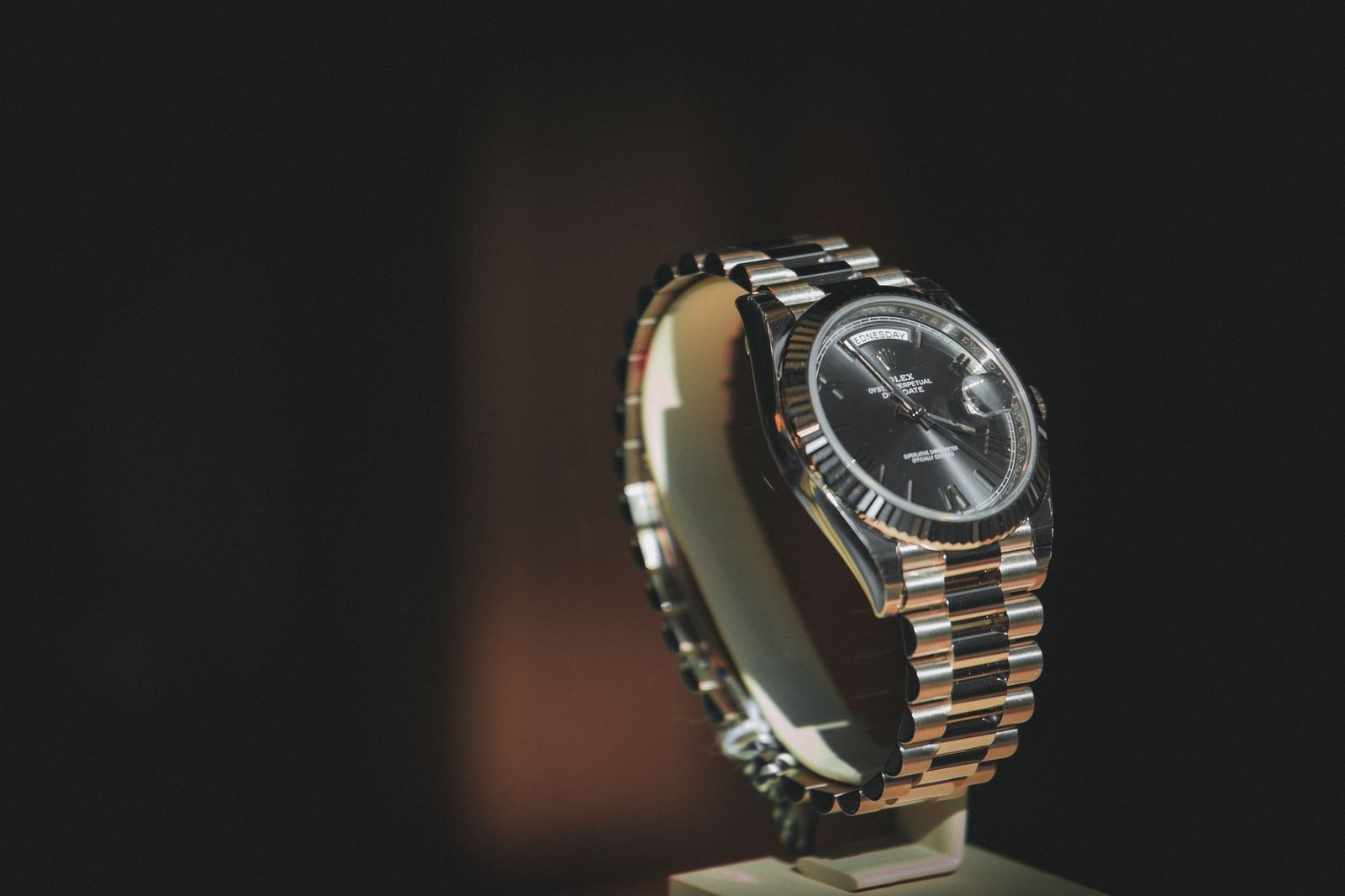
It’s not just about the gold or diamonds, though those help. Several key ingredients go into making a watch valuable. Think of it like wine or art. Some things are just more desirable than others. For watches, this starts with the brand. Companies like Rolex, Patek Philippe, and Audemars Piguet have built reputations over decades, even centuries. They’ve created a strong heritage of quality and craftsmanship.
Then there’s the model itself. Some watches become iconic. The Rolex Submariner, for example, isn’t just a watch; it’s a legend. It’s been around since the 1950s and has a strong connection to diving and adventure. When a model has a long history and a solid reputation, it tends to hold its value better. Rarity also plays a huge role. If only a few hundred were ever made, or if a specific model was produced for a very short time, that scarcity drives up demand and price.
The movement inside the watch matters a lot too. This is the engine of the watch. Mechanical movements, especially those made by hand and with a high level of finishing, are highly prized. They are complex pieces of engineering. Think about watches with in-house movements, meaning the brand makes all its own parts. This is often a sign of higher quality and greater prestige. Materials are another factor. While gold and platinum are obvious choices, even stainless steel watches from top brands can be incredibly valuable if they are rare or historically significant.
The Power of Provenance and Brand Heritage
You might hear the word “provenance.” This just means the history of ownership. If a watch belonged to someone famous, like a president, an actor, or even a historical figure, it can increase its value dramatically. Imagine owning a watch that Abraham Lincoln wore. That story behind the watch adds a layer of desirability that goes beyond its technical specs.
Brand heritage is also super important. Brands that have been making watches for a long time often have a story to tell. Patek Philippe, for instance, started in 1839. They have a legacy of innovation and creating watches for royalty and discerning collectors. This long history builds trust and admiration. People aren’t just buying a watch; they’re buying a piece of that brand’s legacy. This deep connection to history and craftsmanship is something you can’t replicate easily. It’s what makes vintage pieces so appealing.
Buying and Investing in Watches
So, if you’re thinking about buying a luxury watch not just to wear but also as an investment, where do you start? First, do your homework. Don’t just walk into a store and buy the first shiny watch you see. Research brands and models that have a track record of holding their value or even increasing it over time. Some sources suggest focusing on brands like Rolex, Patek Philippe, and Audemars Piguet for investment potential. These brands have consistently shown strong performance in the secondary market.
Consider vintage watches. Sometimes, older watches, if well-maintained and from a reputable brand, can be a great buy. They often have a history and character that modern watches lack. However, buying vintage comes with risks. You need to be sure it’s authentic and in good working order. A service from a reputable watchmaker might be necessary, and that adds to the cost.
The market for luxury watches, especially for rare and desirable models, can be competitive. Prices for certain sought-after watches can go very high. Sometimes, a watch might sell for double or triple its original retail price. This is driven by demand, limited production, and the desire of collectors to own specific pieces. For example, the Rolex Daytona, especially certain vintage references, is known to command prices far above its original retail. As of 2026, prices for some of these models continue to be strong, reflecting their desirability.
Understanding the Market in 2026
The luxury watch market in 2026 is dynamic. While some trendy models might see price fluctuations, the core of the market, focusing on established brands and iconic models, remains stable. The secondary market, where pre-owned watches are bought and sold, is very active. It’s important to understand that not all luxury watches will increase in value. Many will hold their value, and some might even depreciate, especially if they are mass-produced or not particularly desirable.
A good strategy is to focus on watches with limited production numbers, special editions, or those that represent a significant point in a brand’s history. For instance, a Patek Philippe Grand Complication from a limited series will likely hold its value much better than a standard production model. Researching auction results and sales data from reputable dealers is a smart move. Websites that track watch sales can give you a good idea of current market values for specific references.
Iconic Watches and Their Stories
Let’s talk about some real stars. The Rolex Daytona is a prime example. Originally released in 1963, it was designed for race car drivers. Its association with motorsport, particularly with Paul Newman, who famously wore one, has made it a legend. Vintage manual-wind Daytonas, especially those with the exotic “Paul Newman” dial, are among the most sought-after vintage watches. In 2026, pristine examples can easily fetch hundreds of thousands of dollars, sometimes even more at auction.
Then there’s the Audemars Piguet Royal Oak. Designed by Gerald Genta in 1972, it was revolutionary. It was a luxury watch made of stainless steel, which was unheard of at the time. Its distinctive “porthole” design and integrated bracelet made it an instant icon. It redefined what a luxury sports watch could be. The “Jumbo” Extra Thin reference 15202, for example, remains highly desirable among collectors for its faithful adherence to the original design.
The Patek Philippe Nautilus, also designed by Genta in 1976, followed a similar path. It was also a luxury steel sports watch with a sophisticated design. The reference 5711, particularly in blue, became incredibly popular in recent years, with waiting lists often stretching for years. Its status as a symbol of understated luxury and impeccable craftsmanship makes it a top contender for watch investors. As of 2026, the Nautilus continues to be one of the most in-demand watches globally.
Watch Maintenance and Authentication: Protecting Your Investment
Owning a luxury watch, especially one you hope will hold its value, requires care. Regular servicing is essential. Mechanical watches need to be cleaned and oiled every few years, typically every 5 to 7 years for most brands. This keeps the movement running smoothly and prevents wear and tear. A full service can be expensive, often costing several hundred dollars, but it’s a necessary expense for maintaining the watch’s condition and functionality.
Authenticity is also critical. The market for luxury watches has unfortunately attracted counterfeiters. Always buy from reputable dealers or authorized retailers. If buying pre-owned, especially from a private seller or at auction, be extremely cautious. Look for sellers with strong reputations and clear return policies. If a deal seems too good to be true, it probably is. A genuine watch from a top brand will command a certain price. Significantly lower prices are a red flag.
When buying a vintage watch, check for original parts. Has the dial been replaced? Are the hands original? Are the case and bracelet correct for that specific model and year? These details matter to serious collectors. Sometimes, a watch that has been “restored” with non-original parts might be worth less than an unmolested, original example, even if the latter is in worse cosmetic condition. Understanding these nuances is key to making a smart purchase.
How to Spot a Fake
Spotting a fake can be tricky, as fakes are getting better. However, there are common giveaways. Check the weight and feel of the watch; genuine luxury watches often feel substantial and well-made. Examine the finishing , are the edges sharp or smooth? Are the engravings crisp and deep, or shallow and fuzzy? Look at the dial printing; are the logos and text perfectly aligned and clear? Check the movement if possible. Most counterfeit watches use cheap quartz movements, while genuine mechanical watches have intricate, often decorated, mechanical movements.
The second hand on a genuine mechanical watch should sweep smoothly, not tick in distinct steps like a quartz watch. The bracelet should feel solid, not flimsy. Finally, the price. If a brand-new Rolex Submariner is selling for $1,500 online, it’s almost certainly a fake. Always compare prices with reputable sources. If you’re unsure, get a trusted watchmaker or dealer to inspect it before you buy.
Frequently Asked Questions
Is it better to buy new or vintage for investment?
For investment, vintage watches often offer more potential for appreciation, provided they are rare, in excellent condition, and from desirable brands. However, new watches from highly sought-after models with limited production can also perform well. Vintage requires more expertise to authenticate and assess condition.
What are the biggest mistakes new watch investors make?
Common mistakes include buying based solely on looks without considering brand heritage or model rarity, overpaying for watches, not factoring in the cost of servicing and potential repairs, and buying from untrustworthy sources, leading to fakes or misrepresented watches.
How much should I budget for watch maintenance?
A typical service for a luxury mechanical watch can range from $300 to $1,000 or more, depending on the brand and complexity of the movement. It’s wise to set aside a portion of the watch’s value for future servicing, usually every 5-7 years.
Are all steel watches less valuable than gold watches?
Not at all. Many iconic steel sports watches, like the Rolex Submariner or Audemars Piguet Royal Oak, are far more valuable and collectible than many gold dress watches. Rarity, brand, model, and historical significance often outweigh the material alone.
Can I trust online marketplaces for buying luxury watches?
You can, but with extreme caution. Stick to reputable online dealers with strong return policies, authentication guarantees, and positive reviews. Platforms like Chrono24, Watchfinder & Co., and reputable auction houses are generally safer bets than anonymous peer-to-peer sales.
What makes a watch “rare”?
Rarity can stem from limited production numbers (e.g., special editions, numbered pieces), short production runs, discontinued models, unique complications, or watches made for specific events or clients. Sometimes, a watch becomes rare simply because most examples have been lost, damaged, or poorly maintained over time.
Investing in luxury watches can be a fascinating and potentially rewarding pursuit. It requires patience, education, and a genuine appreciation for horology. By focusing on brands with strong heritage, iconic models, and understanding the factors that drive value, you can build a collection that brings both personal enjoyment and financial appreciation. Always remember to buy smart, maintain your pieces well, and enjoy the craftsmanship on your wrist.