The Subtle Art of Watch Dial Patina: Character or Corrosion?

When you look at a vintage watch, what do you see? Beyond the brand name and the ticking hands, there’s a whole world of detail. One of the most fascinating aspects is the dial. Sometimes, the dial on an old watch tells a story all its own. This story often comes in the form of patina. It’s that aged look, the slight discoloration or marks that develop over time. But is patina always a good thing? Let’s explore this. We’ll look at what creates it, why some collectors love it, and when it might be a sign of trouble.
Key Takeaways
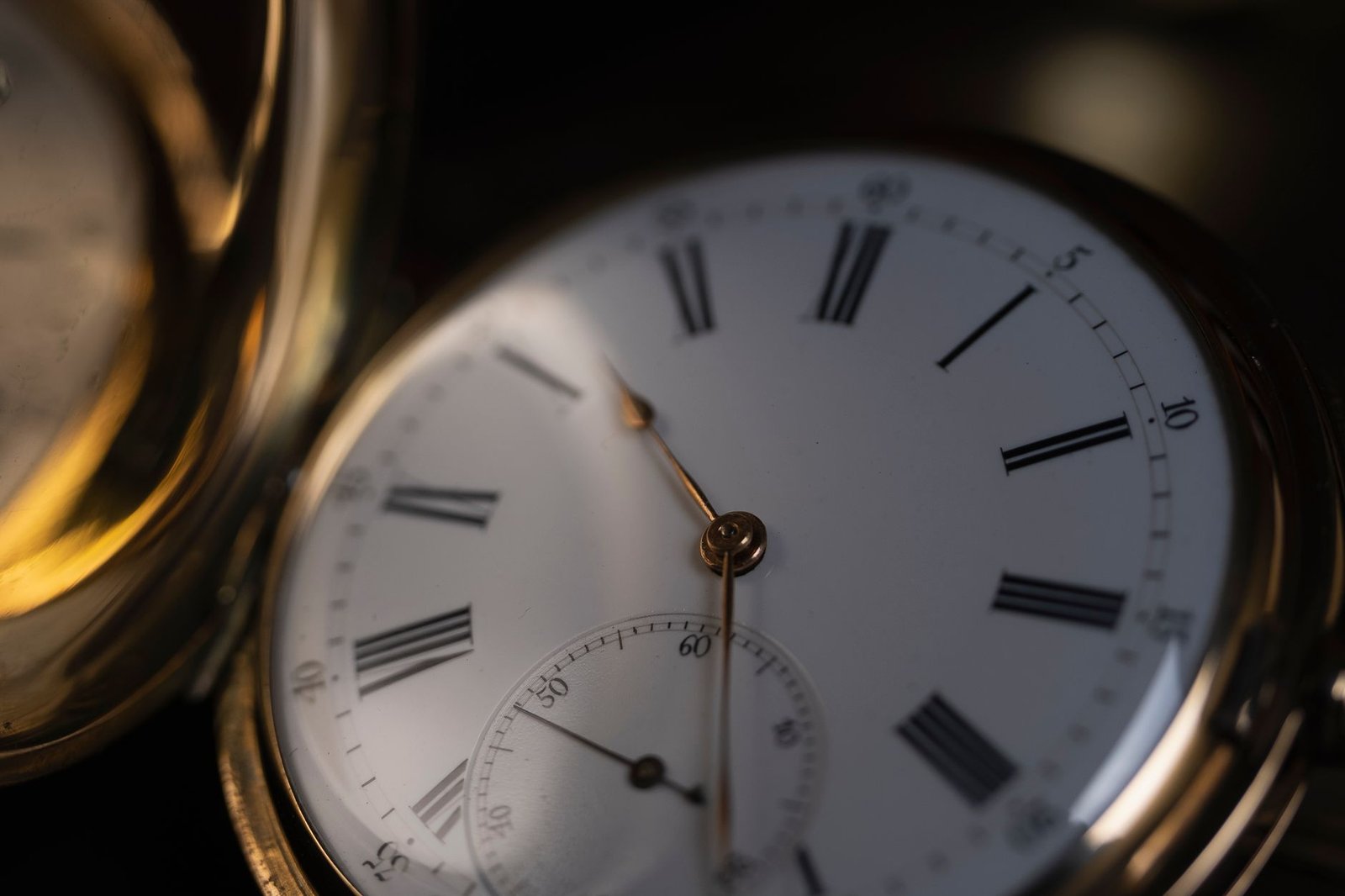
- Dial patina is the natural aging of a watch’s dial surface, often due to oxidation or exposure to elements.
- Many collectors prize specific types of patina, like creamy “spiderweb” or gently aged luminous markers, seeing them as signs of authenticity and character.
- Significant damage, like peeling lacquer, deep corrosion, or water staining, can detract from a watch’s value and indicate a need for professional assessment.
- The desirability of patina is subjective and depends on the specific type, its evenness, and the overall condition of the watch.
- Understanding patina helps in authenticating vintage watches and assessing their potential value.
What Exactly is Dial Patina?
Patina on a watch dial refers to the changes in its surface that happen over many years. Think of it like the mellowing of old wood or the darkening of a silver spoon. It’s a natural process. The dial is usually made of metal, like brass or gilt, and is coated with lacquer or paint. The luminous material on the hands and hour markers, often radium or tritium, also ages. Over decades, exposure to air, humidity, light, and even the gases released by the luminous material can cause these surfaces to change color or texture. This is patina.
Some common forms of patina include:
- Creamy Lume: The original white or off-white luminous material on hands and markers slowly turns into a rich, creamy or even deep brown color.
- Spiderweb Cracking: Very fine cracks can appear on the dial’s lacquer surface, sometimes resembling a spiderweb. This is often seen as a desirable sign of age on certain watches.
- Tropical Dials: This is a specific type of patina where the dial, often black or dark blue, fades to a brown or even reddish hue due to prolonged exposure to sunlight and humidity. It’s highly sought after by collectors.
- Spotted or Mottled Surface: Small, irregular spots or a generally uneven texture can develop.
Why Collectors Love Patina
For many watch enthusiasts, patina is a badge of honor. It’s proof that a watch is genuinely old and has lived a life. A pristine, “new-old-stock” vintage watch can sometimes feel sterile. Patina adds personality. It tells a story of where the watch has been and what it has seen. A dial with a beautiful, even creaminess on the lume and a subtle, attractive fade is often more desirable than a dial that looks like it was made yesterday. It signifies authenticity. It suggests the watch hasn’t been tampered with or “restored” to the point where its original character is lost.
The appeal of patina is deeply tied to the concept of originality. Collectors want to know that the parts they are seeing are the parts that the watch left the factory with, even if they’ve changed appearance over time. A watch with its original dial, even with some signs of age, is generally more valuable than one that has had its dial replaced with a modern service dial. The specific patterns and colors of patina can become iconic for certain models. For example, a Rolex “tropical” dial, which has faded from black to brown, is incredibly collectible and can command very high prices.
Certain brands and models are known for developing particularly attractive patinas. The Rolex Submariner and GMT-Master from the 1960s and 70s, for instance, are often seen with beautiful creamy lume and faded bezels. Patek Philippe and Omega also have vintage pieces that develop stunning visual character over time. The rarity of a specific type of patina on a particular model can also drive up its desirability and value. It’s a sign that the watch has survived decades while retaining its core components.
When Patina Becomes a Problem
While many collectors cherish patina, it’s important to distinguish between desirable aging and actual damage. Not all changes are good. Some signs of age can severely impact a watch’s value and even its functionality. Peeling lacquer, for example, where the clear top coat of the dial starts to flake off, is generally undesirable. This can happen if the dial gets too wet or is exposed to harsh chemicals. The flakes can get into the movement and cause problems.
Deep corrosion or pitting on the dial surface is another serious issue. This often indicates that the watch has suffered significant water damage at some point in its history. The metal beneath the paint or lacquer has corroded, leaving permanent marks. This is usually irreversible and significantly reduces a watch’s appeal. Similarly, extensive water staining, which can appear as dark rings or blotches, suggests a past trauma for the watch. These types of issues mean the watch needs careful attention, and potentially costly restoration.
Another concern is when the luminous material degrades completely or causes damage. Old radium lume, while often turning a beautiful deep brown or orange, can sometimes flake off. Tritium lume, used from the late 1960s onwards, can degrade and sometimes leave a powdery residue. While the color change in tritium lume can be attractive, its structural integrity is something to watch. If the lume is falling off the dial or hands, it’s not just an aesthetic issue; it’s a mechanical one that could harm the watch’s movement.
Understanding Value and Collectibility
So, what makes a specific dial patina more valuable than another? It’s a mix of factors. Rarity is a big one. A “tropical” dial on a watch that was originally black is much rarer than a watch that came from the factory with a brown dial. The evenness of the patina also matters. A uniform, attractive creaminess across all the markers and hands is generally preferred over a patchy, inconsistent look. The condition of the rest of the watch plays a role too. A stunning patina on a watch with a beat-up case or a scratched crystal might not command the same price as the same patina on a well-preserved example.
Provenance can also influence how a patina is viewed. If a watch comes with documented history, perhaps owned by a notable figure or having a unique story, even a less-than-perfect patina might be seen as part of its historical narrative. For instance, a watch worn by a pilot on many flights might develop a unique patina from environmental exposure that adds to its mystique. The specific brand and model are crucial. A beautifully aged patina on a highly sought-after vintage Rolex Daytona will be valued far more than the same patina on a lesser-known brand.
The market has also developed preferences. Certain shades of brown, cream, or even pinkish hues on dials and lume are currently very popular. This trend can change, but for now, these colors are often associated with high value. It’s important to remember that these market preferences are subjective and can fluctuate. What is highly desirable today might be less so in the future, though classic patinas like even aging and creamy lume tend to hold their appeal.
Buying and Investing in Patinated Watches
If you’re looking to buy a vintage watch with patina, do your homework. Understand what constitutes desirable aging versus damage for the specific model you’re interested in. Look at reputable auction results and collector forums to see what similar watches with similar patinas have sold for. Don’t be afraid to ask questions of the seller. A good seller will be knowledgeable about the watch’s condition and history.
When considering a watch for investment, originality is key. A watch with its original dial, even with some attractive patina, is usually a safer bet than a watch that has been refinished or has a replacement dial. Refinished dials often lack the depth and character of original dials, and they can significantly reduce a watch’s long-term value. Always try to see high-resolution photos that clearly show the dial’s condition. If possible, inspect the watch in person under good lighting.
Be wary of watches that seem too good to be true. Sometimes, patinas can be artificially created, though this is more common with fake watches or heavily altered pieces. A genuine patina develops slowly over decades. It’s unusual to see a perfectly even, attractive patina on a watch that is only 10-15 years old. For watches from the 1950s and 60s, for example, you expect some signs of aging. If a watch from that era looks factory-fresh, it might have been restored or is a later replacement dial.
Maintenance and Authentication Tips
Maintaining a vintage watch with patina is mostly about preservation. Keep it away from extreme temperatures, humidity, and direct sunlight for prolonged periods. These conditions can accelerate undesirable aging or cause further damage. If your watch is not water-resistant (and most vintage watches are not, despite what you might think), avoid exposing it to water at all costs. Even a little moisture can lead to dial corrosion or lume degradation.
When it comes to authentication, the dial is a major clue. The consistency of the dial printing, the font used, and the color and texture of the lume should all match known examples of the reference number and production year. For instance, a 1960s Rolex Submariner should have specific “markings” on its dial that align with that era. Subtle differences in the spelling of “Rolex” or the shape of the hour markers can be red flags.
If you’re unsure about a watch’s authenticity or the condition of its dial, it’s always best to consult an expert. A reputable watchmaker specializing in vintage timepieces can often spot inconsistencies or signs of tampering. They can also advise on whether any “patina” is actually damage and if any repair or restoration is needed. Sometimes, a gentle cleaning by a professional is all that’s required to bring out the dial’s natural beauty without harming its aged character.
Frequently Asked Questions
Is all patina on a watch dial a good thing?
No, not all patina is good. While many collectors value natural aging like creamy lume or subtle fading, significant damage like peeling lacquer, deep corrosion, or water staining is undesirable and can reduce a watch’s value.
How can I tell if a dial has been artificially aged?
Artificial aging is difficult to detect and often done poorly. Genuine patina develops slowly and evenly over decades. Look for signs of unnatural uniformity, overly harsh or blotchy discoloration, or printing that looks too fresh or too worn for the supposed age of the watch. Expert opinion is often the best way to be sure.
Should I try to clean the patina off my vintage watch dial?
Generally, no. Attempting to clean patina yourself can cause irreparable damage. Lacquer, paint, and lume are delicate. Unless advised by a professional watchmaker specializing in vintage pieces, it’s best to leave the dial as it is. Preserving originality is key for vintage watch collectors.
What is a “tropical” dial, and why is it so valuable?
A “tropical” dial is one that has naturally faded from its original dark color (usually black or dark blue) to a brown or reddish hue due to prolonged exposure to sunlight and humidity. They are highly valuable because they are rare, visually appealing, and signify a watch’s history and unique aging process.
How does patina affect the value of a vintage watch?
Desirable patina, such as even creaminess or attractive fading, can significantly increase a vintage watch’s value. Undesirable patina, like corrosion or peeling lacquer, can decrease its value. The overall desirability depends on the type of patina, its condition, rarity, and the specific watch model.
The Story Told by a Vintage Dial
The dial of a vintage watch is more than just a face; it’s a canvas that shows the passage of time. Understanding patina helps us appreciate the history and character of these mechanical marvels. It’s a subtle art, knowing what to cherish and what to be wary of. For your next vintage watch purchase, pay close attention to the dial; it might just tell you the most interesting story of all.




[…] look at the lume (the glowing material). It should have consistent aging across the dial and hands. The Subtle Art of Watch Dial Patina: Character or Corrosion? can help you understand what natural aging looks […]