The Fascinating World of Vintage Watch Movements: What Makes Them Tick?

When you look at a beautiful vintage watch, you see the dial, the case, the strap. But the real magic, the heart of the watch, is inside. It’s the movement. This is what makes the hands move and keeps time. For collectors, especially those interested in vintage pieces, understanding watch movements is super important. It’s not just about knowing brands or models. It’s about appreciating the engineering and craftsmanship that goes into these tiny machines.
Key Takeaways
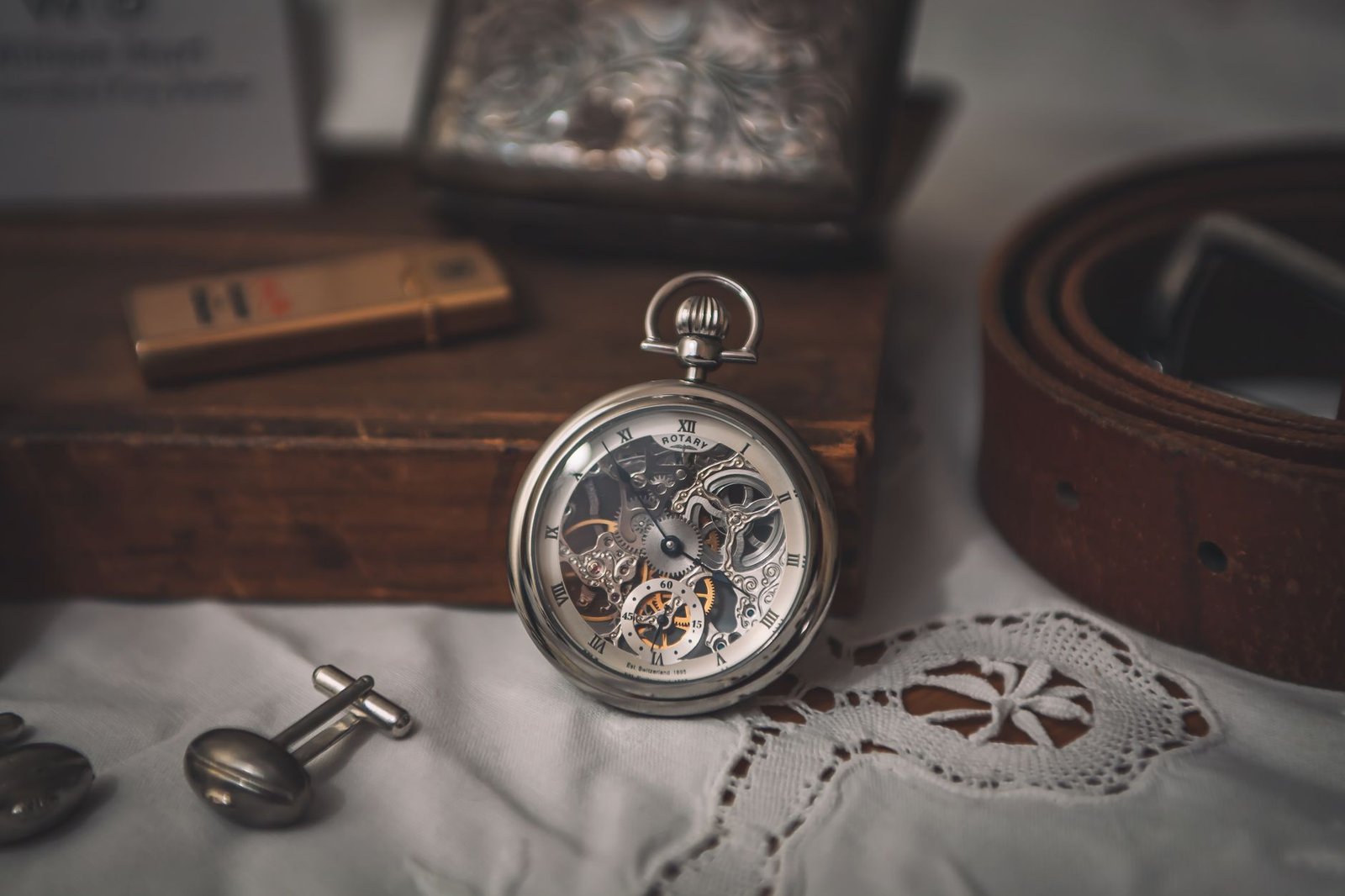
- The watch movement is the engine of a timepiece, responsible for keeping accurate time.
- Mechanical movements, powered by springs and gears, are highly prized in vintage watches.
- Automatic movements wind themselves with the wearer’s motion, while manual wind movements require daily winding.
- The condition, rarity, and historical significance of a movement significantly impact a vintage watch’s value.
- Servicing and authentication of vintage watch movements require specialized knowledge and tools.
What Exactly Is a Watch Movement?
Think of a watch movement as the engine of a car. It’s a complex system of gears, springs, and levers that work together to measure and display time. In the world of watches, we mostly talk about two main types: mechanical and quartz. Quartz watches use a battery and a quartz crystal to keep time. They are generally very accurate and low maintenance. However, for vintage watches and luxury timepieces, we’re almost always talking about mechanical movements.
Mechanical movements are fascinating because they don’t use batteries. They are powered by a coiled spring, called the mainspring. When you wind a watch, you tighten this spring. As the spring slowly unwinds, it releases energy. This energy is transferred through a series of gears, controlling the speed at which the hands move across the dial. It’s a beautiful display of precision engineering that has been refined over centuries.
Mechanical Movements: Automatic vs. Manual Wind
Within the category of mechanical movements, there are two main ways they are powered: manual wind and automatic (also called self-winding). Both rely on that mainspring, but how that spring gets wound differs.
Manual Wind Movements
These are the simplest form of mechanical watch. To keep a manual wind watch running, you need to turn the crown (the little knob on the side) each day, usually once. This tightens the mainspring. Early watches were all manual wind. Many collectors love them because winding the watch is a daily ritual, a small, tangible connection to the machine. It feels more personal. Brands like Patek Philippe and Omega have made many iconic manual wind watches throughout history.
Automatic (Self-Winding) Movements
Automatic movements have a clever feature called a rotor. This is a weighted, semi-circular piece of metal that swings freely inside the watch case. As you move your wrist throughout the day, the rotor spins. This spinning action winds the mainspring automatically. So, as long as you wear the watch regularly, it will keep ticking without you needing to wind it manually. This makes them very convenient. Many popular vintage sports watches, like certain Rolex models, are automatic. To learn more about the enduring magic of mechanical watches, check out The Enduring Magic of Mechanical Watches: Why They Still Matter in 2026.
What Makes a Vintage Movement Valuable or Collectible?
So, what makes one vintage watch movement more desirable than another? Several factors come into play, and they often work together. Understanding these can help you appreciate why some vintage watches command such high prices.
1. Brand Heritage and Reputation
Certain brands have a long history of creating exceptional movements. Patek Philippe, Vacheron Constantin, Audemars Piguet, and Rolex are famous for their in-house movements, meaning they designed and built them themselves. These brands have built a reputation for quality, innovation, and durability over many decades. A watch from one of these brands, especially one with a significant movement, is often highly sought after. Even brands like Omega, Longines, and Universal Genève produced some truly wonderful and collectible movements in their golden eras.
2. Rarity and Production Numbers
Like any collectible, rarity plays a huge role. If a particular movement was produced in very small numbers, or only for a short period, it can become very rare. Some movements were experimental, or made for specific, limited-edition models. These are often more desirable to collectors looking for something unique. For example, a watch with a rare complication or a movement that was particularly difficult to manufacture will likely be more valuable than a common one.
3. Condition and Maintenance
A movement’s condition is paramount. A vintage watch that has been well-maintained and regularly serviced will perform better and last longer. A movement that is dirty, rusty, or has worn-out parts will not only be less accurate but also less valuable. Collectors look for movements that are clean, original (meaning parts haven’t been replaced with incorrect ones), and in good working order. A watch that has recently been serviced by a reputable watchmaker can add significant value.
4. Complications
A complication is any function a watch has beyond simply telling the time (hours, minutes, seconds). Simple watches just show the time. More complex watches might have a date display, a chronograph (stopwatch function), a moon phase indicator, or even a perpetual calendar that correctly shows the date for decades. Movements with impressive complications are generally more valuable and collectible. The art of the vintage chronograph, for instance, is a whole sub-genre of watch collecting, highly prized for its complex movements.
5. Historical Significance and Provenance
Sometimes, a movement is valuable because of its history. Was it the first of its kind? Did it power a watch worn by a famous person or used in a significant event? This is known as provenance. A watch with a documented history, perhaps with letters or records proving its past, can be incredibly valuable. Even movements that represent a major technological leap for their time can hold historical importance for collectors.
Buying Vintage Watches: What to Look For in the Movement
If you’re thinking about buying a vintage watch, especially as an investment, paying close attention to the movement is crucial. Here’s what you should consider:
1. Authenticity
Sadly, fakes and frankenwatches (watches made from parts of different watches) exist. The movement is often the best place to spot a fake. Does the brand name on the movement match the dial? Are the markings and finishing consistent with what the brand produced at that time? Reputable dealers and experienced watchmakers can help authenticate a watch’s movement.
2. Originality
Collectors prefer watches with original parts. This means the movement should contain as many of its original components as possible. Sometimes, parts need to be replaced during servicing. The best restorations use correct, period-appropriate replacement parts. A movement that has been “hot rodded” with incorrect or modern parts will generally be less desirable.
3. Serviceability
Even the best vintage movements need servicing every few years. Consider how easy it will be to get the watch serviced. Are parts readily available for that specific movement? Are there watchmakers who specialize in that brand or type of movement? Common movements from popular brands are usually easier and cheaper to service than rare or obscure ones.
4. Accuracy and Power Reserve
While vintage watches won’t keep time like a modern quartz watch, they should still be reasonably accurate for their age and type. A mechanical watch might gain or lose a few seconds per minute. The power reserve is how long the watch will run on a full wind. For automatic watches, this is typically 38-48 hours, but can be more. A significantly poor performance in accuracy or power reserve might indicate the movement needs a major service or has underlying problems.
Watch History Through Its Movements
The evolution of watch movements tells a story of human ingenuity. From early pocket watches to the sophisticated timepieces of today, each era brought new innovations.
- 17th-18th Centuries: Early mechanical watches were often large and rudimentary. They relied on manual winding and had limited accuracy.
- 19th Century: Improvements in manufacturing led to smaller, more refined movements. Key innovations included better balance springs and escapements, improving accuracy. Brands like Longines and Omega began their journeys during this period.
- Early 20th Century: The wristwatch became popular, requiring smaller and more robust movements. Key developments included shock protection and water resistance features, especially for military use. The first automatic movements started appearing, though they weren’t widely adopted until later.
- Mid-20th Century: This is often considered the “golden age” for mechanical watchmaking. Brands perfected automatic movements, introduced high-beat movements for better accuracy, and developed complex complications. Many of the most iconic vintage watches we see today come from this era.
- Late 20th Century: The “quartz crisis” in the 1970s and 80s saw battery-powered watches take over due to their accuracy and low cost. Many traditional watchmakers struggled. However, a resurgence of interest in mechanical watches began, with brands focusing on high-end luxury and complex movements.
Movement Materials and Finishes
The materials used and the way a movement is finished can also tell you a lot about its quality and value. While many basic parts are made of brass and steel, high-end movements often use more advanced materials or special finishes.
Finishing refers to the decorative treatment applied to the movement parts. While purely aesthetic, these finishes often indicate a higher level of craftsmanship. Common decorative techniques include:
- Geneva Stripes (Côtes de Genève): Parallel lines that run across the plates and bridges.
- Perlage: Tiny, overlapping circles, often found on the mainplate.
- Anglage: Beveled edges on bridges and plates, creating a polished look.
- Black Polishing: A mirror-like finish achieved through meticulous polishing.
While these finishes don’t directly affect timekeeping, they are hallmarks of quality watchmaking, especially in vintage luxury pieces.
Caring for Your Vintage Watch Movement
To keep a vintage watch running beautifully for years to come, proper care is essential. The most important thing is regular servicing.
Servicing: A mechanical watch movement needs to be cleaned, lubricated, and adjusted approximately every 5 to 7 years. This process involves disassembling the entire movement, cleaning each part, replacing worn components, reassembling, and regulating the watch for accuracy. It’s a delicate, time-consuming process best left to skilled watchmakers.
Winding: For manual wind watches, wind the crown until you feel resistance. Don’t force it past that point. For automatic watches, if you wear it daily, it should stay wound. If you have a collection and rotate watches, you might use a watch winder, a device that gently rotates the watch to keep the automatic movement wound.
Protection: Avoid exposing vintage watches to extreme temperatures, strong magnetic fields (like those from speakers or electronics), and strong shocks or impacts. Water resistance is often compromised in vintage watches, so avoid getting them wet unless you are absolutely certain of their seals.
Frequently Asked Questions
What is the most important part of a vintage watch?
While the dial and case are what you see, the movement is the heart of the watch. Its quality, condition, and originality significantly determine the watch’s value, collectibility, and performance.
How often should a vintage mechanical watch be serviced?
Generally, a full service is recommended every 5 to 7 years. This involves cleaning, lubricating, and adjusting the movement to ensure accuracy and longevity.
Are vintage watches with automatic movements better than manual wind?
Neither is inherently “better.” Automatic movements offer convenience as they wind themselves with wrist motion. Manual wind movements offer a more engaging, ritualistic experience for the wearer. Both can be highly collectible and valuable depending on the brand, model, rarity, and condition.
Can I buy parts to upgrade a vintage watch movement?
It’s generally not recommended to “upgrade” vintage watch movements with non-original or modern parts, especially for collectible pieces. Collectors highly value originality. Modifications can significantly decrease a vintage watch’s value and historical integrity.
How can I tell if a vintage watch movement is original?
Authenticity is key. Look for brand markings on the movement that match the watch’s dial and case. Research the specific movement reference number and compare its finishing and components to known examples from that era. Consulting with a reputable watch dealer or horologist is the safest way to ensure authenticity.
The Heartbeat of History
Understanding vintage watch movements opens up a whole new dimension to appreciating these mechanical marvels. It’s about the intricate dance of gears, the power of a wound spring, and the centuries of innovation that led to the timepiece on your wrist. Whether you’re drawn to the simplicity of a manual wind or the convenience of an automatic, the movement is where the true story of a vintage watch resides.

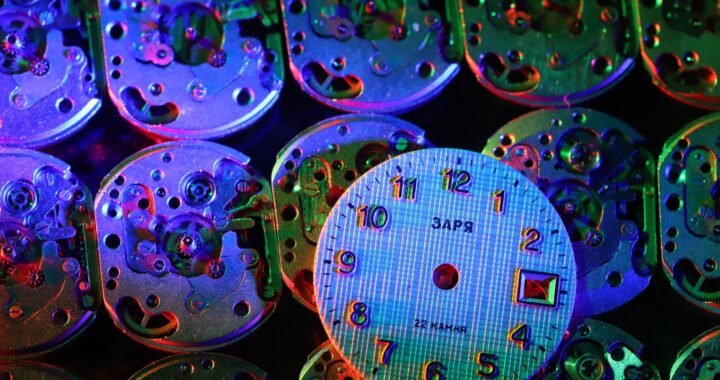

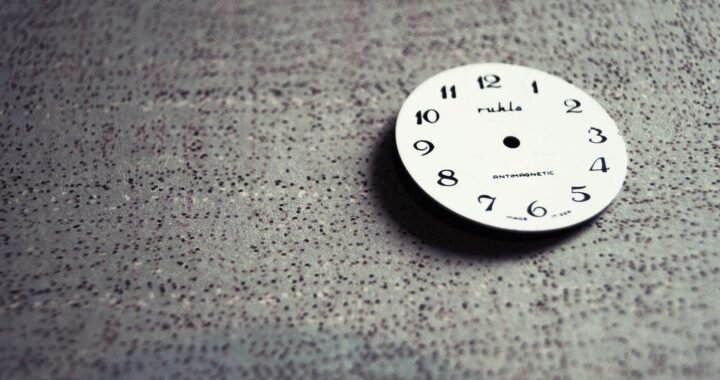
[…] The movement is the engine of a watch. It’s what makes the hands move. Vintage watches often have mechanical movements. These are powered by a wound spring, not a battery. Many collectors prefer mechanical movements because they are marvels of engineering. They are made of tiny gears, springs, and levers working together. The complexity and craftsmanship of a vintage mechanical movement can be a huge part of its appeal. Some older movements are also very robust and can be repaired for many years. We see this in the fascinating world of vintage watch movements. […]