The Story on Your Wrist: Collecting Watches with Soul

The watch on your wrist is more than just a tool to tell time. For many, it’s a piece of history. It’s a work of art. It might even be a future heirloom. Vintage watches and high-end luxury timepieces have a special appeal. They carry stories. They represent incredible craftsmanship. This article explores why these watches are so special and how to start your own collection.
Key Takeaways
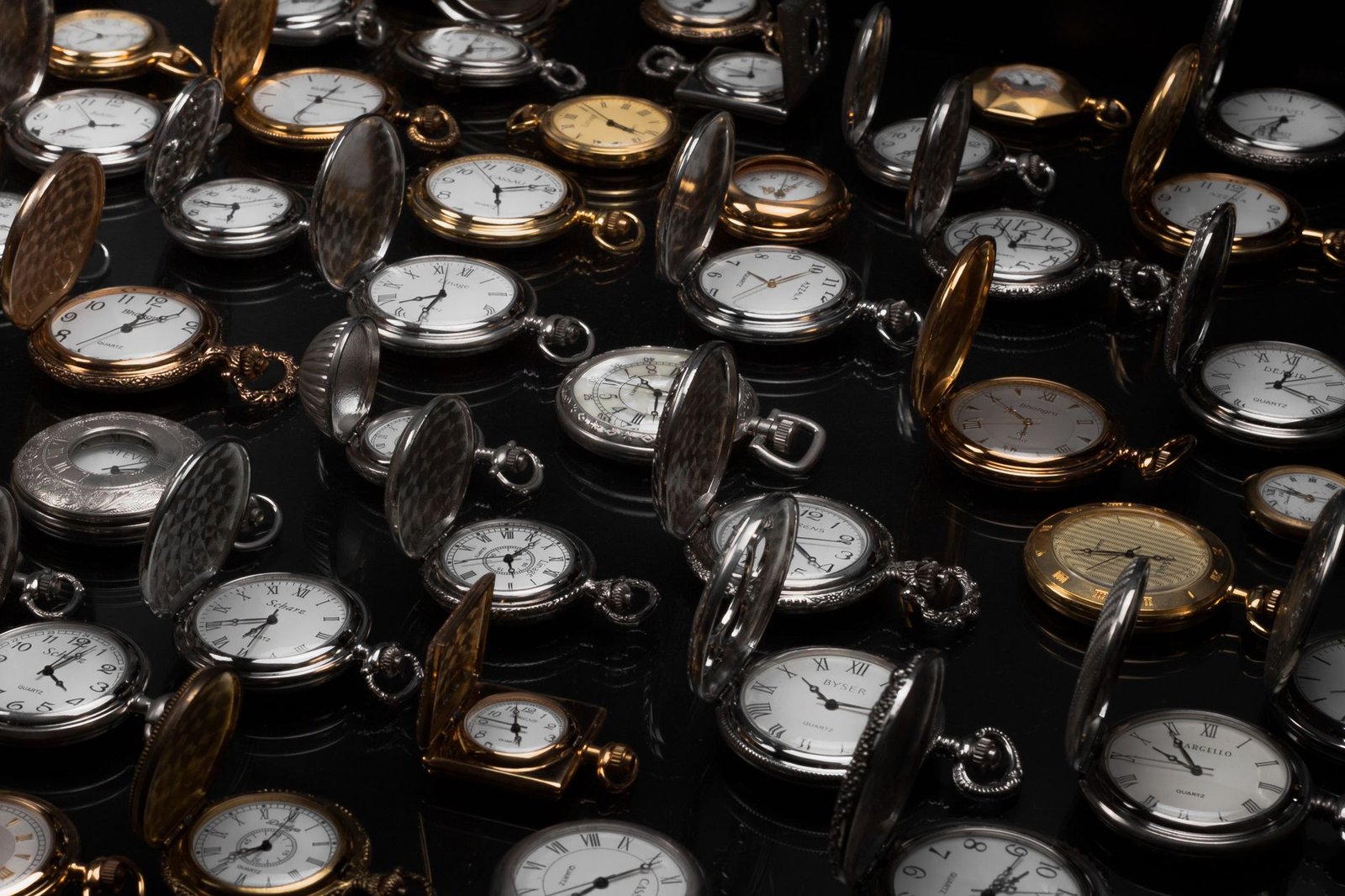
- Vintage watches are valuable due to their history, rarity, brand heritage, and the mechanical movements inside.
- Factors like materials (gold, platinum), specific limited editions, and known previous owners (provenance) increase collectibility.
- Investing in watches requires research into brands, models, market trends, and understanding maintenance needs.
- Authenticity is crucial; always buy from reputable dealers and be aware of common fakes.
- Starting a collection can focus on specific eras, brands, or types of watches like chronographs or dive watches.
Why We Love Old Watches
Think about a watch from the 1960s. It might have been worn by someone who lived through big historical events. That watch has seen things. It carries the energy of its past. This is what makes vintage watches so attractive. It’s not just about the metal and gears. It’s about the life the watch has lived. This connection to the past is something new watches often can’t replicate.
Brand Heritage Matters
Some brands have been making watches for over a hundred years. Think of names like Rolex, Patek Philippe, or Omega. These companies have built a reputation for quality and innovation over decades. When you buy a vintage watch from a well-respected brand, you are buying into that history. You’re getting a piece that represents generations of watchmaking skill. This heritage adds a layer of trust and desirability. It’s like owning a piece of a famous artist’s early work.
Rarity and Condition
Not all old watches are valuable. What makes a vintage watch rare? It could be that only a small number were ever made. Maybe a specific model was only produced for a short time. For example, certain Rolex Daytona models from the 1960s are incredibly rare today. Their rarity drives up demand. The condition of the watch is also very important. A watch that has been well-maintained and kept in its original state is much more collectible. Dents, scratches, or replaced parts can significantly lower its value.
The Heart of the Watch: Movements
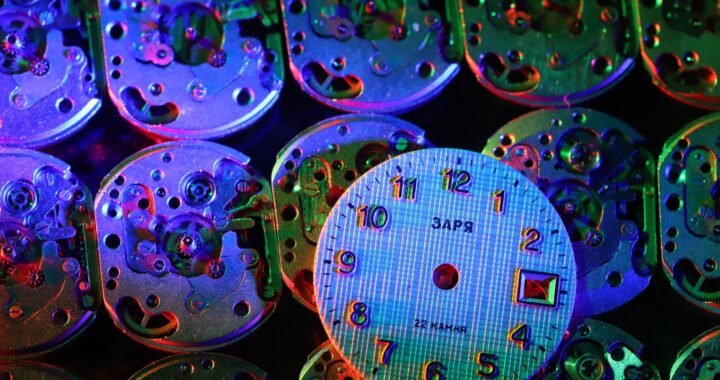
The movement is the engine of a watch. It’s what makes the hands move. Vintage watches often have mechanical movements. These are powered by a wound spring, not a battery. Many collectors prefer mechanical movements because they are marvels of engineering. They are made of tiny gears, springs, and levers working together. The complexity and craftsmanship of a vintage mechanical movement can be a huge part of its appeal. Some older movements are also very robust and can be repaired for many years. We see this in the fascinating world of vintage watch movements.
What Makes a Luxury Watch Valuable Today?
Luxury watches today are often bought as investments. But value is about more than just money. It’s about a combination of factors.
Materials and Craftsmanship
The materials used in a watch play a big role. Watches made from precious metals like 18k gold, platinum, or even platinum alloys are generally more valuable. The finishing on the watch also matters. Look closely at the polishing, the beveling on the edges, and the details on the dial. High-end brands spend a lot of time on these details. A watch that feels solid and has a beautiful finish is usually a sign of quality.
Iconic Models and Designs
Certain watch models have become icons. They are recognized worldwide. The Rolex Submariner is a great example. First released in 1953, its design has remained largely consistent. It’s known for its robustness and clear legibility. Other iconic models include the Omega Speedmaster, famous for going to space, and the Patek Philippe Nautilus, a luxury sports watch with a unique design. These models often hold their value well and are highly sought after by collectors.
Provenance: The Watch’s History
Provenance is the history of ownership of an item. For watches, this can be incredibly important. Did a famous person own the watch? Was it given as a special award? For instance, the Rolex Daytona owned by Paul Newman sold for millions of dollars partly because it was his. Even if a watch wasn’t owned by a celebrity, a documented history of service or a letter from the original owner can add significant value. It tells a story and proves the watch’s authenticity and journey.
Buying and Investing in Watches
Getting into watch collecting can be exciting. But it’s wise to be prepared.
Do Your Homework
Before you buy, research. Learn about the brands and models you are interested in. Understand what makes a particular watch desirable. Read watch blogs, forums, and magazines. Look at auction results to see what watches are selling for. Prices can change based on market demand. This research will help you make informed decisions and avoid overpaying.
Where to Buy
You can buy watches from many places. Authorized dealers sell new luxury watches. For vintage watches, reputable dealers, auction houses, and trusted online platforms are good options. Always check the seller’s reputation. Look for reviews and testimonials. Buying from a place with a good return policy can give you peace of mind. Buying a pre-owned Rolex Daytona from a trusted dealer in 2026 might cost anywhere from $20,000 to over $100,000 depending on the reference and condition.
Authentication is Key
Sadly, fake watches are common, especially for popular models. Always be suspicious of prices that seem too good to be true. A genuine watch will have specific details. These include the quality of the finishing, the crispness of the printing on the dial, and the weight of the materials. If possible, buy watches that come with original boxes and papers. These can help prove authenticity. If you are unsure, consider having the watch authenticated by a professional watchmaker or a trusted dealer before you buy.
A Look at Iconic Models
Let’s talk about some specific watches that have made a mark.
The Rolex Submariner
The Rolex Submariner is one of the most recognizable watches in the world. Introduced in 1953, it was designed for divers. It could go deep underwater and still work. Over the years, it has become a symbol of status and durability. Vintage Submariners, especially those from the 1950s and 1960s, are highly collectible. A 1960s Submariner in good condition might sell for $15,000 to $30,000 in 2026.
The Omega Speedmaster “Moonwatch”
The Omega Speedmaster has a unique claim to fame. It was the first watch worn on the moon in 1969. NASA tested many watches, and the Speedmaster was the only one that passed all the demanding tests. This “Moonwatch” is a symbol of human achievement. Vintage Speedmasters, especially the early professional models, are very popular with collectors. A 1960s Speedmaster Professional can fetch prices between $5,000 and $15,000 today.
The Patek Philippe Nautilus
Designed by Gérald Genta in 1976, the Patek Philippe Nautilus was revolutionary. It was a luxury watch made of stainless steel. It looked very different from traditional dress watches. Its distinctive bezel and integrated bracelet made it stand out. The Nautilus is now one of the most sought-after luxury sports watches. Finding a new one can be very difficult, and prices on the secondary market are extremely high. A vintage Nautilus ref. 3700 from the 1970s could easily command $100,000 or more in 2026.
Watch Maintenance and Care
Owning a beautiful watch means taking care of it.
Regular Servicing
Mechanical watches need regular maintenance. Most watch experts recommend a service every five to seven years. During a service, a watchmaker will take the watch apart. They clean all the parts. They replace worn-out components. They lubricate the movement. This keeps the watch running accurately and prevents long-term damage. A full service can cost anywhere from $300 to $1,000 or more, depending on the brand and complexity of the watch.
Water Resistance
Many watches are advertised as water-resistant. However, this resistance is not permanent. Gaskets and seals can degrade over time. If you plan to swim or dive with your watch, it’s essential to have its water resistance tested regularly. Even if a watch is rated for 200 meters, it’s risky to swim with a vintage piece unless you know it has been recently pressure tested.
Storing Your Watches
When you are not wearing your watches, proper storage is important. Keep them away from direct sunlight, which can fade dials and damage straps. Avoid storing them near magnetic fields, like those from speakers or electronic devices, as magnetism can affect a mechanical watch’s accuracy. A watch box with soft lining is a good way to protect your collection.
Frequently Asked Questions
What is the best way to start collecting vintage watches?
The best way to start is by focusing on a specific type of watch or brand that interests you. It could be a brand like Seiko, or a type like vintage chronographs. Do thorough research, buy from reputable sellers, and start with watches in good condition. Don’t be afraid to ask questions.
Are vintage watches a good investment?
Some vintage watches can be good investments, but it’s not guaranteed. Their value depends on rarity, condition, brand, and market demand. It’s important to buy what you love first, and treat any appreciation in value as a bonus. The market for watches has seen strong growth in recent years, with certain models showing significant increases.
How can I tell if a vintage watch is real?
Authenticity can be tricky. Look for high-quality finishing, correct markings and logos, and the overall feel of the watch. Compare it to known genuine examples. Buying from trusted dealers with good return policies is the safest bet. If in doubt, consult a professional watchmaker.
What are common mistakes new collectors make?
New collectors often overpay for watches, buy fakes, or neglect maintenance. Another mistake is not understanding the importance of originality. A watch with all its original parts, like the dial, hands, and crown, is usually more valuable and collectible.
How much should I expect to spend on my first vintage watch?
You can find interesting vintage watches at many price points. You might find a nice vintage Seiko or Timex for under $200. For more recognized brands like Omega or Longines, expect to spend $500 to $2,000 for good examples. Iconic models from top brands like Rolex or Patek Philippe will start in the thousands and go up significantly.
The Enduring Appeal
Collecting watches is a passion that combines history, art, and engineering. Whether you are drawn to the ruggedness of a vintage dive watch or the elegance of a classic dress watch, there’s a timepiece out there with a story waiting to be discovered. Start small, learn as you go, and focus on pieces that genuinely speak to you. Many collectors find that buying a watch that has been serviced within the last five years ensures it is in good working order.

[…] choice, combined with the watch’s history, makes those hands more than just pointers. The story on your wrist often includes the details of its components, including the […]