The Allure of the Watch Dial: Color, Texture, and What Makes Them Special

When you look at a watch, what’s the first thing that grabs your eye? It’s usually the dial. It’s the face of the watch, showing you the time. But it’s also a canvas. Watchmakers use dials to express art and design. They can be simple or incredibly complex. The color, the texture, the markers, and the hands all play a role. They make a watch unique. They also impact its value and collectibility. Let’s explore why the dial is so important.
Key Takeaways
- Dial color significantly influences a watch’s desirability and market value.
- Unique textures and finishes, like guilloché or sunburst, add depth and visual interest, making a watch more collectible.
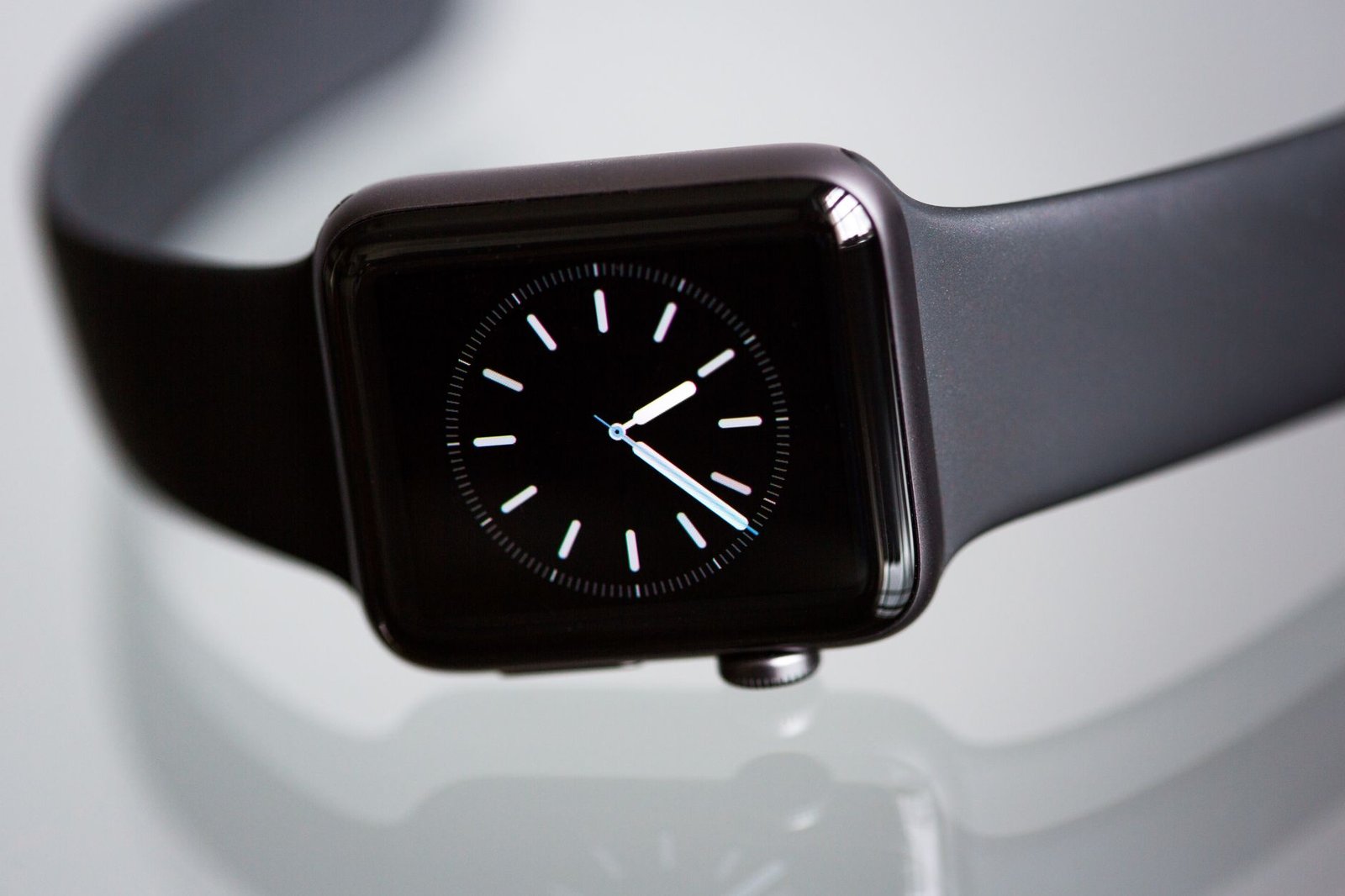
- The layout and design of hour markers and hands are crucial for legibility and aesthetic appeal.
- Limited edition dials or those with special historical significance can command higher prices.
- Understanding dial variations helps in identifying authentic pieces and spotting potential fakes.
A Spectrum of Desire: The Power of Dial Color
Think about your favorite color. Now imagine it on a watch dial. Some colors are classic and always in style. Others are trendy and pop for a while. For watch collectors, certain dial colors are more sought after than others. Black and white dials are timeless. They offer great legibility. Blue dials have become incredibly popular in recent years. Deep blues, bright blues, and even shades with a hint of teal are highly desired. Green dials are also making a big comeback. Think of the deep forest green on some luxury watches or the vibrant green on sportier models. Silver and grey dials offer a sophisticated look. They can be brushed or have a sunburst finish, adding subtle complexity.
Why does color matter so much? It affects how we perceive a watch. A bright red dial might feel sporty and energetic. A deep burgundy dial can feel luxurious and classic. A matte black dial often suggests a tool watch or a stealthy, modern design. The way light plays on the color is also key. A sunburst finish can make a simple color look dynamic. It catches the light and creates rays that seem to move as you tilt your wrist. This visual appeal is a big part of why people fall in love with certain watches.
Beyond Flat Color: Dial Textures and Finishes
A flat, plain dial can be beautiful. But many of the most collectible watches have dials with interesting textures or finishes. These details add depth and character. They show the craftsmanship involved. One of the most admired is guilloché. This is a decorative technique. It involves creating repetitive, geometric patterns. Think of fine lines, waves, or engine-turned patterns. Brands like Patek Philippe and Breguet are famous for their intricate guilloché dials. These patterns catch the light in unique ways. They make the dial look alive.
Another popular finish is the sunburst. We mentioned it with color, but it’s a texture too. It starts at the center of the dial and radiates outwards. This creates a shimmering effect. It makes the dial seem to change appearance depending on the light. Many watches from brands like Omega and Rolex feature sunburst dials. They give a watch a lively, dynamic look. Matte dials are the opposite. They absorb light rather than reflect it. This provides excellent contrast and legibility, especially for sports watches. Think of the matte black dial on a modern Rolex Submariner. It’s all about function and clarity. Then there are dials with unique textures like enamel. Enamel dials are made by fusing powdered glass onto a metal base. They have a deep, glossy finish that is incredibly durable. They are often found on high-end dress watches.
Markers and Hands: The Watch’s Eyes and Arms
The hour markers and hands are essential for telling time. But they are also critical design elements. Their shape, material, and how they are applied to the dial greatly affect the watch’s overall look. Hour markers can be simple printed lines. They can be applied metal indices. These are often faceted. This means they have sharp edges that catch the light. This makes them stand out against the dial. Brands like Rolex often use applied indices. They give the watch a more premium feel. Baton markers are simple, rectangular shapes. Arabic numerals are classic, like on many military watches. Roman numerals add a touch of elegance, common on dress watches.
The hands are just as important. Their shape can define a watch’s style. Dauphine hands are pointed and faceted, like a folded blade. They are common on dress watches. Mercedes hands, with their distinctive circle on the hour hand, are famously used by Rolex. Sword hands are thicker and tapered. They are often found on tool watches. Blued steel hands are a beautiful touch. The steel is heated, creating a vibrant blue color. This is a traditional technique. It adds a pop of color and visual interest. Legibility is key here. A well-designed dial has markers and hands that contrast well with the dial color and texture. This ensures you can read the time easily at a glance.
Rarity and Special Editions: Dial-Driven Collectibility
Sometimes, a watch becomes collectible because of its dial. This is especially true for limited editions or watches with unique features. A brand might release a watch with a special dial color. This could be for an anniversary or a collaboration. These are often produced in small numbers. This makes them rare. Rare watches are often more valuable. For example, a specific blue or green dial variant of a popular model might be much harder to find than the standard black or silver version. This scarcity drives up demand and price.
Some dials have historical significance. A watch used by a famous explorer or a military unit might have a dial that shows wear or specific markings. These are called “tropical dials.” This term is used for vintage watches, often sports models, whose dials have faded from a dark color (like black or deep blue) to a lighter brown or tan due to sun exposure. This aging process is not seen as damage by collectors. Instead, it adds a unique story and character to the watch. These tropical dials are highly sought after. They tell a story of adventure and time. Brands might also create special anniversary dials. These often feature unique logos or color combinations. They are usually made in limited runs. This also makes them collectible.
Buying and Appreciating Dials: What to Look For
When you’re looking to buy a watch, especially a vintage one, pay close attention to the dial. It tells you a lot about the watch’s history and condition. First, check for authenticity. Does the dial look correct for the model and year? Are the logos, text, and markers sharp and well-applied? Fakes often have blurry printing or incorrect fonts. Scrutinize the condition. Is the dial clean? Are there any scratches, dents, or moisture damage? Small specks of dust under the crystal might be minor. But significant damage can hurt a watch’s value.
For vintage watches, patina is a key factor. This refers to the natural aging of materials over time. On a vintage watch dial, this might mean the luminous material on the markers and hands has aged to a creamy yellow or even brown color. This is called “patina.” A uniform, attractive patina is often desirable. It shows the watch has aged gracefully. Conversely, if the luminous material has degraded or fallen off, it’s a negative point. Also, look at the dial’s originality. Has it been refinished? A refinished dial, where the original markings are repainted, is generally less valuable than an original dial. Collectors often prefer dials that have maintained their original factory finish.
Famous Dials and Their Stories
Certain watch dials are iconic. They are instantly recognizable. The dial of the Rolex Daytona ‘Paul Newman’ is legendary. These vintage chronographs, especially those with exotic dials in contrasting colors like black and cream or cream and black, are highly sought after. The “exotic” dial featured Arabic numerals and block markers, which were unusual for Rolex at the time. These watches became famous partly due to Paul Newman himself wearing one. The distinctive look of the dial is a huge part of its appeal.
Another example is the dial of the Omega Speedmaster ‘Moonwatch’. The original Speedmasters used for NASA’s space missions had black matte dials. They featured highly legible white markers and hands. This design was chosen for maximum readability in challenging conditions. The symmetrical layout and the contrast made it a perfect tool watch. Even today, the design of the Speedmaster dial remains largely true to its heritage. It evokes a sense of history and adventure. These dials aren’t just about telling time; they are part of the watch’s legend.
Frequently Asked Questions
What is a “tropical dial”?
A tropical dial refers to a vintage watch dial, usually originally black or dark blue, that has faded over time due to sun exposure to shades of brown or tan. Collectors often find these faded dials desirable because they suggest a history of adventure and add unique character.
Are blue dials really that popular right now?
Yes, blue dials have been incredibly popular for several years across many watch brands and styles. From deep navy blues on luxury dress watches to brighter blues on sports models, this color offers versatility and a sophisticated yet sometimes sporty appeal that resonates with many buyers.
What’s the difference between applied markers and printed markers?
Applied markers are small, three-dimensional indices (like dots, batons, or numerals) that are attached to the watch dial. Printed markers are flat designs that are printed directly onto the dial’s surface. Applied markers generally give a watch a more luxurious and detailed appearance.
Is a watch with a damaged dial still valuable?
It depends on the severity of the damage and the watch itself. Minor cosmetic issues on a very rare or historically significant watch might be overlooked. However, significant damage like deep scratches, corrosion, or missing luminous material usually reduces a watch’s value considerably, especially for common models. Originality is often prized over perfection for vintage pieces.
How can I tell if a watch dial has been redone or refinished?
Look for signs of poor quality printing. This includes fuzzy text, uneven spacing of letters, incorrect fonts, or markers that don’t seem perfectly aligned. Sometimes, the color of a refinished dial might be too bright or lack the depth of an original. Researching the specific model and its original dial appearance is crucial for comparison.
The dial is more than just a display for the time. It’s a crucial element of a watch’s design, its story, and its value. Whether you prefer a classic black dial, a vibrant sunburst blue, or a unique textured finish, understanding the nuances of dial design can help you appreciate watches more deeply and make smarter collecting choices.


[…] The Allure of the Watch Dial: Color, Texture, and What Makes Them Special is just one aspect of this craftsmanship that makes mechanical watches so appealing. […]