The Secret Lives of Watch Hands: More Than Just Pointers

I used to think watch hands were just simple metal pointers. You know, the hour hand, the minute hand, and the second hand. They tell you the time. That’s it. But the more I got into watches, the more I realized how much more they are. They are tiny pieces of art. They are engineering marvels. And they tell a story about the watch itself.
Key Takeaways
- Watch hands come in many shapes and styles, each with historical significance.
- The material and finish of watch hands can significantly impact a watch’s overall aesthetic and value.
- Rare or uniquely designed hands can make a watch more collectible.
- Proper care and understanding of watch hands are part of appreciating a timepiece.
- Some watch hands have unique functions, like luminous treatments for visibility.
A Brief History of Watch Hands
The earliest timekeeping devices didn’t have hands as we know them. Sundials used shadows. Water clocks used falling water levels. When clocks became mechanical, they needed a way to show the time. The first clock hands were usually simple rods. They were often made of iron or brass. As clockmaking advanced, so did the design of hands.
By the 17th century, clock hands were becoming more decorative. They were often ornate and embellished. Pocket watches, which became popular later, also featured more refined hands. Different styles emerged. Think of Dauphine hands, Baton hands, and Spade hands. Each style had its own era and its own popular models. The design of hands wasn’t just for telling time; it was also about showing off the craftsmanship.
Beyond Simple Pointers: Types of Watch Hands
There are dozens of watch hand shapes. Each has a name. And each can dramatically change how a watch looks and feels. Let’s look at some common ones.
Dauphine Hands
Dauphine hands are one of the most classic styles. They are faceted. They look like they have two sides. They taper from a wider base to a point. They were very popular in the mid-20th century. Many dress watches from brands like Patek Philippe and Vacheron Constantin used Dauphine hands. They catch the light beautifully. This makes them easy to read.
Baton Hands
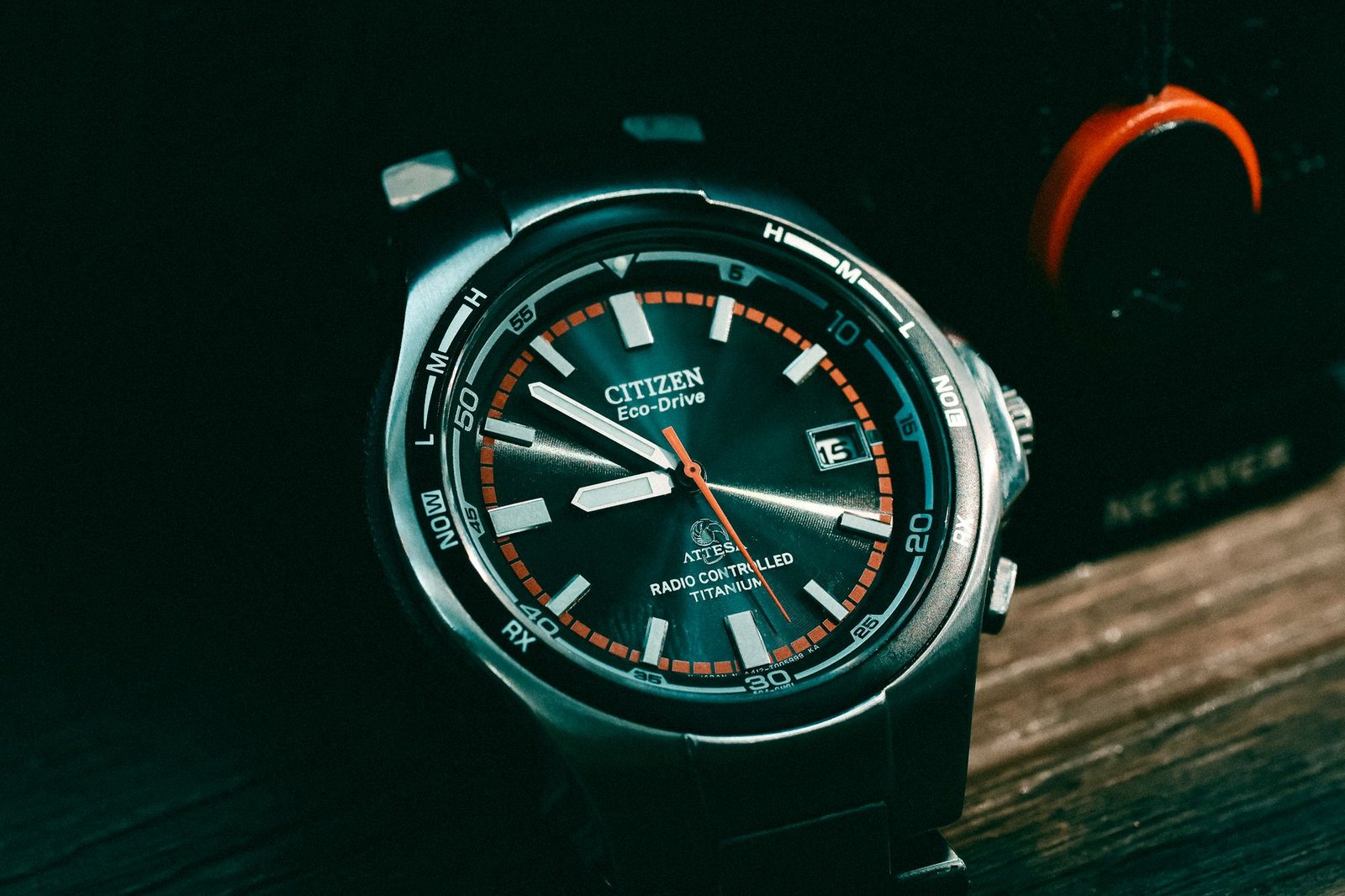
Baton hands are simpler. They are straight. They often have a polished or brushed finish. Sometimes they have lume applied to them. Lume is a material that glows in the dark. Baton hands are very versatile. You see them on everything from sporty watches to elegant dress watches. They offer a clean, modern look.
Alpha Hands
Alpha hands are smaller and more delicate. They have a pointed tip. They are often slightly rounded. They look a bit like a small shovel or a pointer. These were common on watches from the 1930s and 1940s. Brands like Rolex used them on early models. They give a watch a vintage charm.
Mercedes Hands
These are perhaps the most recognizable hands in the watch world. They are named after the Mercedes-Benz logo because of their distinctive shape. They have a circle on one side and two pointed arms. They are most famous for their use on Rolex watches, especially the Submariner and Explorer models. They are great for readability. The large circle helps with quick time checks. They also have a lot of surface area for lume.
Spade Hands
Spade hands are named after the spade symbol on playing cards. They have a distinctive rounded shape at the end. They are also quite vintage. Brands like Jaeger-LeCoultre and Omega used them on their watches from the 1940s and 50s. They add a touch of old-world sophistication.
Cathedral Hands
These are very elaborate. They have a pierced or open-worked design. They look like Gothic cathedral windows. They are often quite large. They can be very ornate. Cathedral hands are less common on modern watches. They are usually found on more classic or specialized timepieces. They definitely make a statement.
Breguet Hands
Named after Abraham-Louis Breguet, a famous watchmaker, these hands have a distinctive open circle near the tip. They are often quite slender and elegant. They are a hallmark of classic, high-end dress watches. You’ll often find them on Patek Philippe or Vacheron Constantin pieces.
What Makes Hands Valuable or Collectible?
It’s not just the watch case or the movement that makes a watch desirable. The hands play a role too.
Materials and Finishing
The material of the hands matters. Gold hands are more luxurious than steel. Platinum hands are even rarer. The finishing is also key. Highly polished hands catch the light. Brushed hands have a more subtle sheen. Blued steel hands, which have been heated to create a beautiful blue color, are very prized. They are often found on chronographs and dress watches. The precise way the hands are finished shows the quality of the watchmaking.
Rarity and Design
Unique or unusual hand designs can make a watch special. If a brand used a particular hand shape for a limited time or on a specific model, it can become collectible. For example, early Rolex watches with specific Alpha hands might be more sought after by collectors. A watch with custom-made hands or hands from a very limited edition run would also be rare.
Provenance and Story
Sometimes, the story behind the hands matters. Did a famous person own a watch with these specific hands? Was there a particular reason for that hand design on a certain watch? For instance, many dive watches feature hands with large lume plots for visibility underwater. This practical design choice, combined with the watch’s history, makes those hands more than just pointers. The story on your wrist often includes the details of its components, including the hands.
Buying and Investing in Watches: Considering the Hands
When you’re looking to buy a watch, especially a vintage one, pay attention to the hands.
Condition is Key
Are the hands original to the watch? Have they been relumed? Reluming means applying new luminous material. While sometimes necessary for legibility, original lume is often preferred by serious collectors. Over time, lume can age and develop a patina, which some people find attractive. Damaged or corroded hands can be a sign of poor maintenance.
Matching the Style
The hands should match the overall style of the watch. A very ornate hand might look out of place on a minimalist sports watch. Conversely, a plain baton hand might not suit a highly decorated dress watch. The hands should complement the dial and case. A good watch designer ensures this harmony.
The Dial and Hand Contrast
The contrast between the hands and the dial is crucial for legibility. Dark hands on a light dial are easy to read. Light hands on a dark dial are also good. However, if the hands are too similar in color or finish to the dial, telling the time can be difficult. This is especially true for watches with complex dials or busy designs. Some watch hands are designed with a specific purpose in mind. For example, a chronograph often has a red or blued steel second hand to distinguish it from the regular time-telling hands.
Watch Maintenance and Authentication Tips Related to Hands
How can you tell if a watch is authentic or well-maintained by looking at its hands?
Checking for Authenticity
One of the first things experts look at is whether the hands are correct for the model and era. If a watch is supposed to have Mercedes hands, but it has simple baton hands, it might be a red flag. The color and finish of the hands should also match period-correct examples. For example, if a 1960s watch has hands with a modern, bright white lume, it might have been relumed or replaced.
Maintenance Matters
The condition of the hands tells a story. Are they bent? Are they scratched? Is the lume flaking off? These issues can indicate rough handling or neglect. If the hands are original and in good condition, it suggests the watch has been cared for. Be wary of watches where the hands look too new compared to the rest of the watch, unless it’s a known service replacement.
Famous Watches and Their Iconic Hands
Many iconic watches are known as much for their hands as for their other features.
Rolex Submariner
The Rolex Submariner is famous for its “Mercedes” hands. Combined with the broad arrow minute hand and the lollipop seconds hand (on some models), these hands are instantly recognizable. They are designed for maximum lume and visibility underwater.
Patek Philippe Calatrava
Many Patek Philippe Calatrava models feature elegant Dauphine or Feuille (leaf) hands. These are typically made of polished gold. They complement the refined, classic design of the Calatrava. They signify understated luxury.
Omega Speedmaster Professional
The “Moonwatch” Omega Speedmaster Professional has used various hand styles over its history. However, many models feature baton hands or sword hands. These are often paired with a distinctive red or white chronograph seconds hand. The legibility is crucial for timing.
A Table of Common Watch Hand Styles
Here’s a quick look at some popular hand styles and their typical characteristics.
| Hand Style | Description | Common Brands/Eras | Key Feature |
|---|---|---|---|
| Dauphine | Faceted, tapering to a point. | Patek Philippe, Vacheron Constantin (Mid-20th Century) | Reflective, elegant. |
| Baton | Straight, often with lume. | Rolex, Omega, many modern watches | Clean, versatile, legible. |
| Mercedes | Iconic circle and arms shape. | Rolex (especially Submariner, Explorer) | Excellent lume coverage, highly legible. |
| Alpha | Small, pointed, slightly rounded. | Early Rolex, Jaeger-LeCoultre (1930s-40s) | Vintage charm, delicate. |
| Spade | Rounded end, like a playing card spade. | Jaeger-LeCoultre, Omega (1940s-50s) | Classic, sophisticated. |
Frequently Asked Questions
What is “lume” on watch hands?
Lume stands for luminous material. It is applied to watch hands and dial markers. It absorbs light and then glows in the dark. This allows you to read the time in low-light conditions. Common lume materials include Super-LumiNova and historically, Radium or Promethium.
Can watch hands be replaced?
Yes, watch hands can be replaced. This is often done during servicing if the original hands are damaged or corroded. Sometimes, collectors might opt for different hands to change the look of a watch, though this can affect its originality and value.
Are blued steel hands valuable?
Blued steel hands are generally considered more valuable and desirable, especially in vintage watches. The bluing process involves heating steel to a specific temperature, creating a beautiful, durable blue finish. It’s a traditional watchmaking technique that adds a touch of artistry.
What is the difference between an hour hand and a minute hand?
The hour hand is usually shorter and thicker than the minute hand. It completes a full rotation around the dial in 12 hours. The minute hand is typically longer and thinner. It completes a full rotation in 60 minutes (1 hour).
How do I know if my watch hands are original?
Determining originality can be tricky. It often requires comparing your watch to known examples from the same period and model. Look for consistency in color, finish, lume type and aging, and shape. Consulting with a watch expert or using reputable online resources can help.
The hands on a watch are far more than simple indicators. They are carefully designed elements that contribute to a watch’s character, functionality, and collectibility. Next time you look at your watch, take a moment to appreciate the detail and history held within those slender pointers.