The Enduring Charm of Steel Sports Watches: Built to Last, Designed to Impress

When you think about watches, especially luxury ones, you might picture shiny gold or elegant dress watches. But there’s a whole other category that’s arguably more popular and has a massive following: the steel sports watch. These are the workhorses of the watch world. They’re built tough, look great in almost any situation, and many have become legends in their own right. We’re going to look at what makes these watches so special, why they’re often a smart buy, and some of the most famous examples you should know about.
Key Takeaways
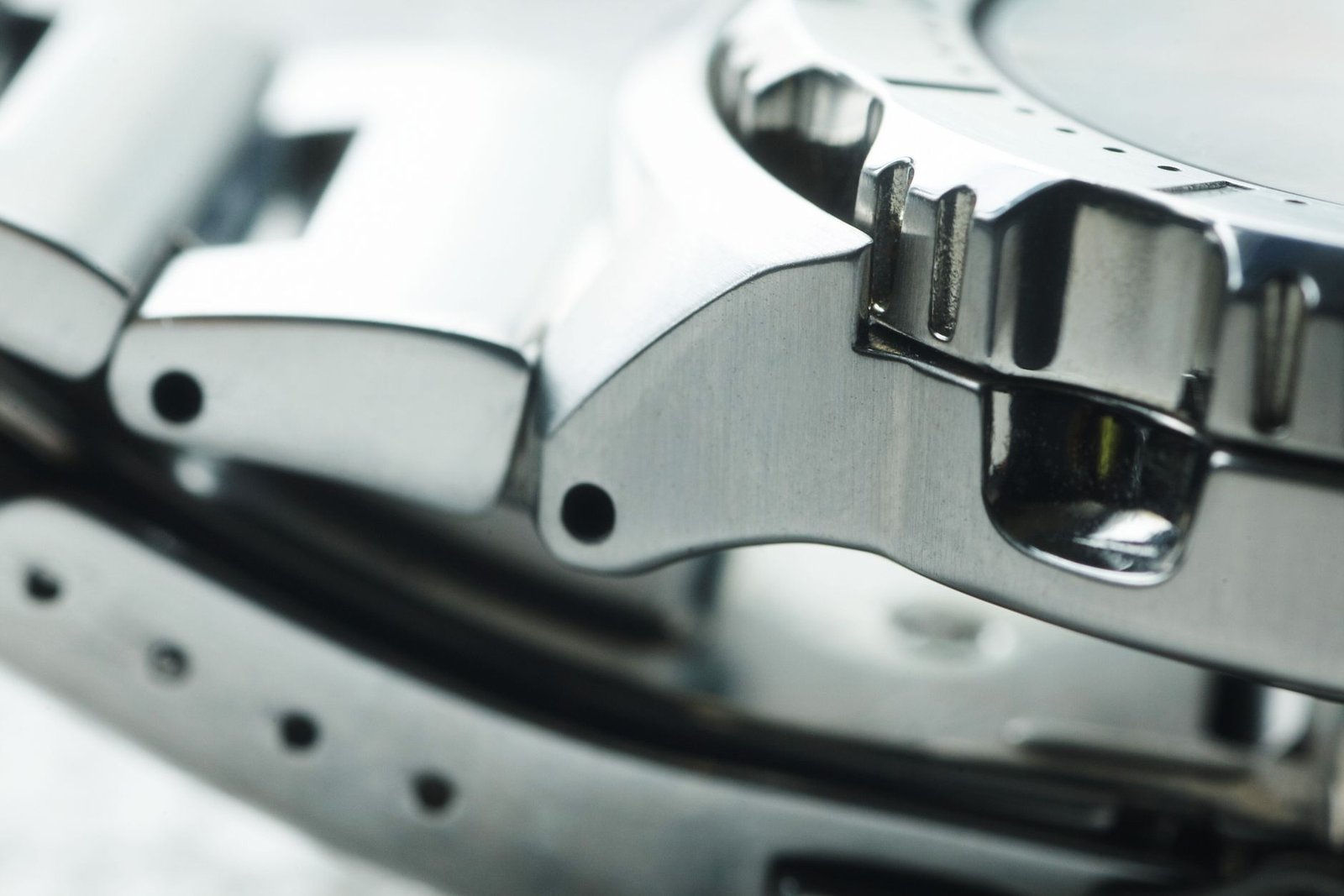
- Steel sports watches combine durability with style, making them versatile for daily wear.
- Key factors for their value include brand heritage, in-house movements, water resistance, and design originality.
- Iconic models like the Rolex Submariner and Audemars Piguet Royal Oak set the standard for the category.
- Buying a steel sports watch can be a good investment, with certain models appreciating over time.
- Proper maintenance and authentication are crucial for preserving value and ensuring authenticity.
What Makes a Steel Sports Watch So Special?
Think about your daily life. You go to work, maybe hit the gym, go out with friends. You need a watch that can keep up. That’s where steel sports watches shine. They’re made from stainless steel, which is super strong and resistant to corrosion. This means they can take a beating and still look good. Many are also water-resistant, some up to hundreds of meters. This wasn’t always the case. Early watches were delicate. The idea of a rugged watch you could wear everywhere was revolutionary.
These watches aren’t just tough. They’re also designed to be useful. Many have features like rotating bezels to time events, date displays, and clear, easy-to-read dials, often with luminous markers so you can see them in the dark. This combination of ruggedness, functionality, and good looks is what makes them so appealing to so many people, from divers and pilots to business professionals and celebrities.
The Pillars of Value: What Drives Collectibility?
So, why do some steel sports watches cost a fortune and become highly collectible? It’s a mix of things. First, there’s the brand heritage. Brands like Rolex, Omega, and Patek Philippe have decades, sometimes over a century, of history. They’ve built a reputation for quality and innovation. This history adds a lot of weight to a watch’s desirability.
Then there’s the movement. This is the engine of the watch. A watch with an “in-house” movement, meaning the brand designed and built it themselves, is often more valuable than one with a generic movement. These movements are often more complex, accurate, and harder to produce, showing the brand’s technical skill. For example, Rolex’s Oyster Perpetual movements are renowned for their reliability.
Materials and features also play a big role. While we’re talking about steel, the grade of steel used matters. Higher-end watches often use specific alloys like 904L steel (used by Rolex) which is more resistant to scratches and corrosion. Features like advanced water resistance (e.g., 300 meters or more), chronographs (stopwatches), or GMT functions (for tracking multiple time zones) add complexity and utility, increasing value.
Rarity and condition are huge. If a model was produced in limited numbers, or if it’s in excellent, original condition with minimal signs of wear, it’s going to be more sought after. Original parts, like the dial, hands, and bezel, are also very important. If a watch has been heavily modified or repaired with non-original parts, its value can drop significantly. Sometimes, even the “patina” , the natural aging of materials like the lume on the dial , can add character and value to vintage pieces, but this is a tricky area and requires expertise to assess properly. Spotting a genuine vintage investment requires careful attention to these details.
Finally, provenance, or the history of ownership, can add immense value. If a watch belonged to a famous person, was involved in a significant event, or has a well-documented ownership trail, it becomes much more interesting and valuable to collectors. Think of watches owned by James Bond or famous athletes.
Iconic Steel Sports Watches That Defined the Genre
Several watches are considered the benchmarks for steel sports watches. They didn’t just become popular; they created the category or perfected it. These are the models that others are measured against.
The Rolex Submariner is perhaps the most famous. Introduced in 1953, it was one of the first dive watches designed to go 100 meters deep. Its robust design, clear dial, and rotating bezel made it a favorite among divers and eventually a status symbol for everyone else. It has seen many updates over the decades, but its core identity remains the same. It’s often seen as a benchmark for a good watch investment.
Another game-changer was the Audemars Piguet Royal Oak, designed by the legendary Gérald Genta and released in 1972. At a time when gold was king for luxury watches, the Royal Oak dared to be a large, steel watch with a sporty, yet incredibly refined design. Its octagonal bezel, “tapisserie” dial pattern, and integrated bracelet were radical. It proved that a steel watch could be a high-end luxury item, paving the way for many other luxury sports watches.
The Omega Speedmaster Professional, often called the “Moonwatch,” is legendary for its role in space exploration. It was the first watch worn on the moon during the Apollo 11 mission in 1969. Its manual-wind chronograph movement and rugged build have made it a favorite for astronauts and watch enthusiasts alike. While it has a chronograph function, its overall robust build and historical significance place it firmly in the sports watch category.
Other notable mentions include the Patek Philippe Nautilus (another Gérald Genta design from 1976, known for its elegance and rarity), the Jaeger-LeCoultre Reverso (originally designed for polo players to protect the dial, though its classic design is often seen as more versatile than purely sporty), and the Blancpain Fifty Fathoms (another very early and influential dive watch from 1953, predating the Submariner slightly).
| Watch Model | Year Introduced | Key Features | Typical Material | Approx. Price Range (New, 2026) |
|---|---|---|---|---|
| Rolex Submariner | 1953 | Dive watch, rotating bezel, date, 300m water resistance | Oystersteel (904L Stainless Steel) | $10,000 – $15,000+ |
| Audemars Piguet Royal Oak (Ref. 15500ST) | 1972 (original), 2019 (current generation) | Luxury sports watch, octagonal bezel, integrated bracelet, date | Stainless Steel | $25,000 – $30,000+ |
| Omega Speedmaster Professional “Moonwatch” | 1957 (original), 1969 (moon landing) | Chronograph, manual-wind movement, tachymeter bezel | Stainless Steel | $6,000 – $8,000+ |
| Patek Philippe Nautilus (Ref. 5711/1A) | 1976 (original), 2006 (current generation) | Luxury sports watch, distinct bezel shape, integrated bracelet, date | Stainless Steel | $35,000 – $45,000+ (often much higher on secondary market) |
Note: Prices are approximate and can vary significantly based on specific references, market conditions, and retailer. New models often have waiting lists and secondary market prices can be much higher.
Buying and Investing in Steel Sports Watches
Many people buy steel sports watches not just to wear them, but also as an investment. The good news is that many iconic models, especially from brands like Rolex and Patek Philippe, tend to hold their value well and can even appreciate over time. This is especially true for discontinued models or those with specific, desirable features.
However, it’s not a guaranteed path to riches. The market can be volatile. Buying a watch as an investment requires research. You need to understand which models are likely to be in demand. For example, the Rolex Daytona in stainless steel with a black dial, or certain references of the Patek Philippe Nautilus, have seen massive price increases on the secondary market. You need to consider the watch’s condition, its original box and papers, and its service history.
When buying, especially a pre-owned watch, it’s crucial to buy from reputable dealers or platforms. Authenticity is key. Many sought-after watches have fakes or heavily modified examples on the market. Always ask for proof of authenticity and ideally, a warranty from the seller. If you’re buying a vintage piece, understanding its service history and whether it has been restored is also important. Sometimes, original, un-serviced watches in good condition can be more valuable to collectors than ones that have been overly restored.
Watch Maintenance and Authentication
To keep your steel sports watch in top shape and maintain its value, regular maintenance is essential. Most mechanical watches need servicing every 5 to 10 years, depending on the brand and model. This involves disassembling the movement, cleaning all the parts, lubricating them, and reassembling. It’s a precise job that should only be done by qualified watchmakers. A full service can cost anywhere from a few hundred to over a thousand dollars, depending on the complexity of the watch.
For water-resistant watches, it’s also important to have the seals checked periodically, usually every 2 to 3 years, especially if you regularly expose the watch to water. This ensures the water resistance is maintained and prevents moisture from damaging the movement. Even if you don’t swim with your watch, daily exposure to humidity and sweat can degrade the seals over time.
Authentication is vital, especially when buying pre-owned or vintage pieces. Look for tell-tale signs: the quality of the finishing, the crispness of the engravings, the weight and feel of the metal, the clarity and luminescence of the dial markers, and the smooth operation of the movement. Reputable dealers will often provide authentication guarantees. If you’re unsure, consult with an expert or a trusted watchmaker. For very high-value pieces, independent authentication services exist.
Frequently Asked Questions
What makes a steel watch more valuable than gold?
Gold watches often have a high intrinsic value due to the metal content. However, steel sports watches from iconic brands and models can be more valuable as collectibles because of their brand heritage, design significance, historical importance (like space or diving achievements), rarity, and the demand from collectors. The perceived investment potential of certain steel models often drives their prices higher than many gold watches.
Are steel sports watches good for everyday wear?
Yes, absolutely. Steel sports watches are arguably the best type of watch for everyday wear. Their stainless steel construction makes them durable and resistant to scratches and corrosion. Many have good water resistance, making them suitable for swimming or showering. Their versatile designs mean they can be worn with casual clothes or dressed up slightly for more formal occasions.
How often should I service my steel sports watch?
Most manufacturers recommend servicing a mechanical watch every 5 to 10 years. However, for watches exposed to demanding conditions, like diving or frequent use, or if you notice any issues with accuracy or winding, it might be wise to have it serviced sooner. Water resistance checks should be done more frequently, typically every 2 to 3 years, especially if the watch is used in water.
Can I buy a new iconic steel sports watch easily?
For many of the most sought-after steel sports watches, like the Rolex Submariner, Daytona, or Patek Philippe Nautilus, it is very difficult to buy them new directly from authorized dealers. These models often have long waiting lists, sometimes years long, and dealers typically allocate them to their best clients. This scarcity drives up prices significantly on the secondary market.
What is “patina” on a vintage watch, and is it good?
Patina refers to the natural aging of a watch’s components over time. On vintage watches, this can include a slight yellowing or browning of the dial markers (lume), fading of the bezel color, or small scratches on the case and bracelet. For some collectors, a pleasing patina adds character and confirms a watch’s age and originality. However, excessive wear, damage, or the use of incorrect replacement parts can detract from value. Understanding desirable patina versus damage is key for vintage collectors.
The Lasting Appeal of Steel
Steel sports watches are more than just time-telling devices; they are symbols of engineering, design, and history. Their ability to blend ruggedness with elegance ensures their place in the wardrobes and collections of people around the world. Whether you’re buying for daily wear, a special occasion, or as a potential investment, the right steel sports watch offers enduring value and satisfaction. Consider the Audemars Piguet Royal Oak’s impact on luxury watch design from 1972, or the Rolex Submariner’s consistent performance as a dive tool since 1953, to understand their lasting significance.



[…] the model’s history, and the watch’s overall condition, not just the metal itself. Steel sports watches have a proven track record of holding their value and often appreciating over […]
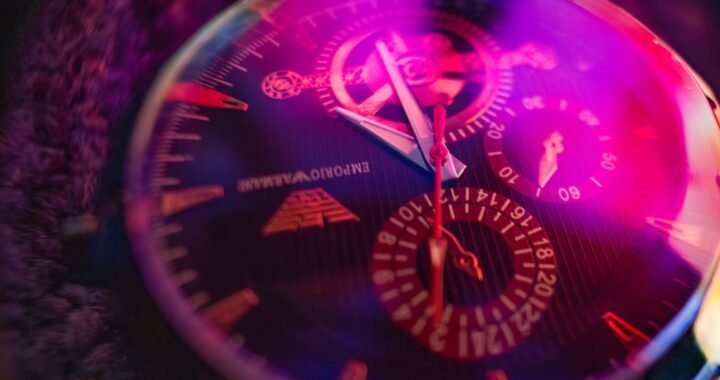
[…] Chronograph: A stopwatch function, usually with sub-dials and pushers on the side of the case. Many people love the functionality of a chronograph, like those found on iconic models such as the Rolex Daytona. […]