Beyond the Hype: How to Spot a Genuine Vintage Watch Investment

So, you’re looking at those beautiful old watches and thinking about buying one. Maybe you’ve seen prices for some vintage pieces and wondered if they’re a good investment. It’s true, some vintage watches have gone up a lot in value. But it’s not as simple as just buying any old watch. There are specific things that make a vintage watch truly collectible and worth investing in. Let’s break down what you should look for, so you don’t end up with a pretty paperweight.
Key Takeaways
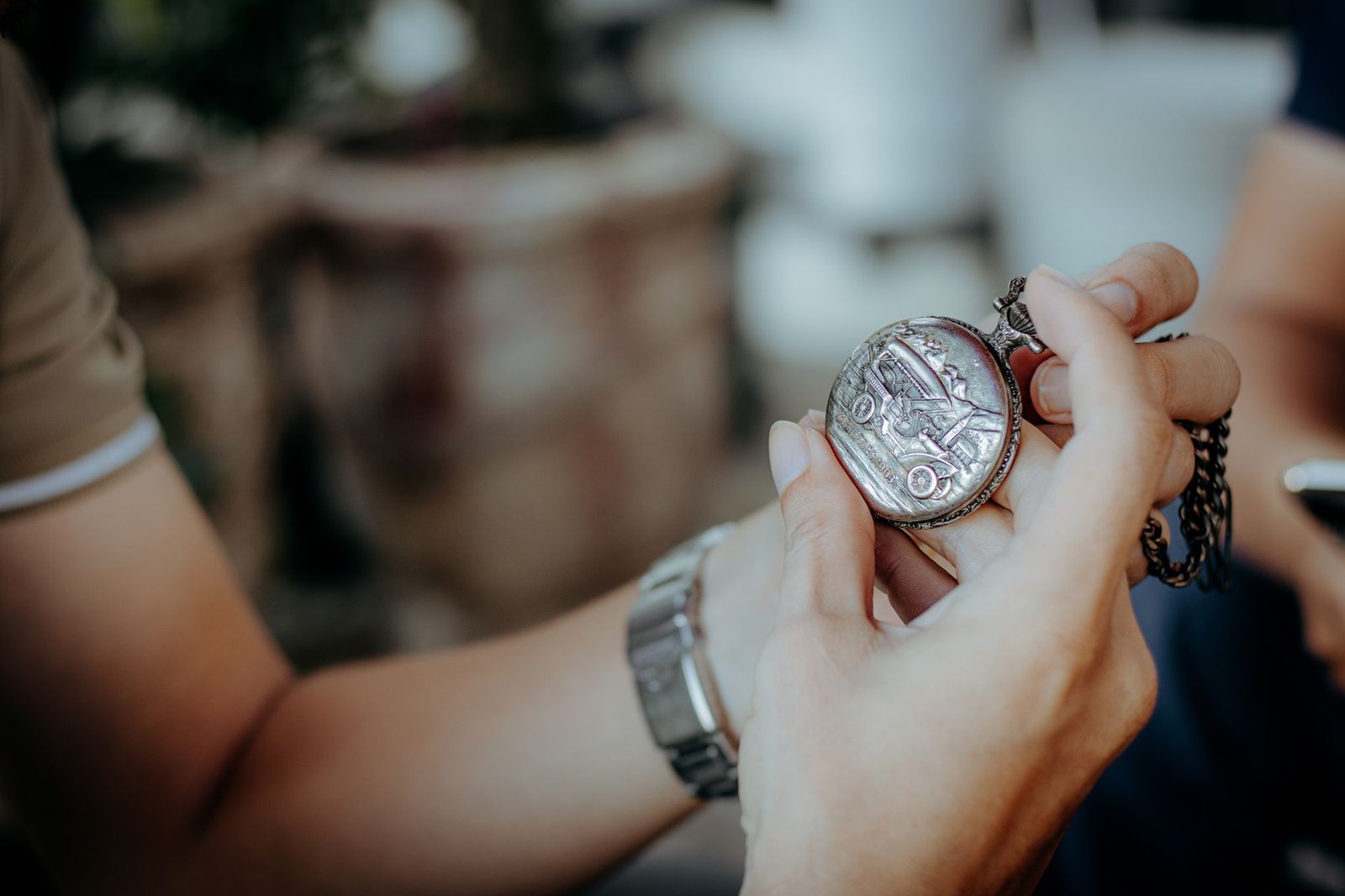
- Originality is king: Factory original parts, dial, hands, and case are crucial for value.
- Condition matters: A well-preserved watch is more valuable than one that’s been heavily repaired or worn.
- Movement type: While manual wind and automatic movements are common, historically significant or complex calibers can increase value.
- Brand heritage and rarity: Iconic brands and limited production models often hold their value better.
- Provenance adds value: A documented history, like ownership by a famous person or a significant event, can significantly boost a watch’s desirability.
The Importance of Originality
When you’re looking at a vintage watch, the first thing to consider is originality. This means everything on the watch should be as it was when it left the factory. The dial should be the original finish, not redone. The hands should be the correct style and material. Even the case should retain its original shape and finishing, without excessive polishing that smooths out sharp lines. If a watch has had parts replaced with non-original ones, its value can drop significantly.
Can You Spot a True Vintage Gem?
Test your knowledge of vintage watch investing and see if you know what makes an old timepiece truly valuable.
See your result instantly after answering.
Think about the dial. A beautiful patina, which is the natural aging of the material, can be a good thing. It shows the watch has lived a life. However, a dial that has been “restored” or “refinished” often looks too perfect, too new. Authentic aging is usually uneven in a natural way, while refinishing can look too uniform and bright. Original lume, the material that glows in the dark, is also highly sought after. If it’s flaking off or has been replaced, it’s a mark against the watch’s collectibility.
Condition: More Than Just “Working”
A watch that runs is a good start, but true value lies in its overall condition. This covers several areas. The case condition is vital. Are there deep scratches or dents? Has it been polished so many times that the lugs look rounded? Sharp case lines and original brushing or polishing are highly desirable. The crystal, the glass over the dial, should ideally be original or a perfect period-correct replacement. Scratches here can be a pain, but deep chips or cracks are worse.
The bracelet or strap also plays a role. Is it the original bracelet? Does it show signs of stretching, which is common with older metal bands? An original, well-preserved bracelet can add a lot to the value and completeness of the watch. If it comes with an aftermarket strap, it’s less desirable for collectors focused on originality, though a good quality period-appropriate strap is acceptable.
Understanding Watch Movements
The engine of the watch, the movement, is critical. For vintage watches, manual-wind and automatic movements are the most common. While both can be valuable, certain types of movements are more sought after. Historically significant calibers, like those that were innovative for their time or used in famous watches, can command higher prices. For example, early automatic movements or chronographs with column wheels are often prized.
The condition of the movement is also important. Has it been serviced regularly? A well-maintained movement that keeps good time is essential. A watch that hasn’t been serviced in years might run, but it could have internal wear that reduces its long-term value and reliability. It’s also important to ensure the movement is correct for the watch model and reference number. Sometimes, watchmakers might swap movements, which hurts collectibility.
Brand Heritage and Rarity: The Power of a Name
Some brands have built decades, even centuries, of reputation. Brands like Rolex, Patek Philippe, Omega, and Jaeger-LeCoultre are iconic for a reason. They have a history of quality, innovation, and often, successful marketing that has made their watches desirable across generations. A watch from a respected brand will generally hold its value better than one from a less-known or defunct manufacturer.
Rarity also plays a huge part. If a particular model was produced in very small numbers, or if only a fraction of those made survive today in good condition, it becomes more valuable. Limited editions, special anniversary models, or watches made for specific purposes (like military issue) can be particularly collectible. For instance, a rare variation of a common model might be worth far more than the standard version.
| Watch Component | Impact on Value (High) | Impact on Value (Medium) | Impact on Value (Low) |
|---|---|---|---|
| Original Dial | Excellent | Good | Fair |
| Original Case Finish | Excellent | Good | Fair | Original Hands | Excellent | Good | Fair |
| Movement Servicing | Excellent (recently serviced) | Good (runs well) | Fair (needs service) |
| Original Bracelet | Excellent | Good | Fair |
Provenance: The Story Behind the Watch
Sometimes, what makes a watch valuable isn’t just the watch itself, but its history. This is called provenance. If a watch belonged to a famous person, like an actor, a president, or a renowned athlete, it can become incredibly desirable and valuable. Documented proof of ownership is key here; rumors don’t add value.
Watches associated with significant historical events can also gain value. Think about watches worn by explorers on famous expeditions or timepieces used by military units during wartime. The Rolex GMT-Master, for example, became iconic partly because of its association with pilots and travelers. Knowing a watch has a story, and having proof of that story, can make it much more than just a time-telling device. This is a significant part of what makes some watches collectible, as discussed in articles about the untold stories behind your watch’s value.
Buying and Investing in Vintage Watches
If you’re thinking of buying a vintage watch as an investment, do your homework. Start by educating yourself. Read books, follow reputable dealers and forums, and learn about the brands and models that interest you. Understand market trends, but don’t chase fads.
When buying, prioritize condition and originality over brand name alone. A pristine, original watch from a less famous but still respected brand might be a better investment than a heavily restored piece from a top-tier brand. Always buy from trusted sources. Reputable dealers will offer authenticity guarantees and often have a good return policy. Authentication is key. If you’re unsure, get a professional opinion before buying. Beware of deals that seem too good to be true; they often are.
Maintenance and Authentication Tips
Proper maintenance is crucial for preserving the value of a vintage watch. Regular servicing by a qualified watchmaker specializing in vintage pieces is essential, typically every 3 to 5 years. This keeps the movement in good condition and prevents costly damage down the line. Avoid using your vintage watch for activities it wasn’t designed for, like swimming or intense sports, unless it’s specifically rated for it and you’ve had it pressure tested.
Authentication is challenging but vital. Look for consistency. Does the serial number match the model and production year? Are the markings on the dial, case, and movement crisp and correct? Compare the watch to known genuine examples. Be wary of watches with swapped parts, incorrect dials, or signs of amateur repair. Online resources and expert opinions are invaluable tools in the authentication process.
Frequently Asked Questions
What makes a vintage watch dial valuable?
Originality and condition are key. A dial with a natural, even patina is more valuable than one that has been refinished. The original lume, if present and intact, also adds significant value. Rare dial colors or configurations for a specific model can also increase desirability.
Is it worth it to restore a vintage watch?
It depends on your goal. If you want to wear the watch and enjoy it, restoration can make it more functional and appealing. However, for investment purposes, excessive restoration, especially on the dial or case, can significantly decrease value. It’s often better to preserve original condition with careful cleaning and servicing rather than aggressive restoration.
How do I know if a watch has been over-polished?
Look for softened lines. The sharp edges and facets on the case, lugs, and bracelet should be crisp. If they appear rounded or smooth, the watch has likely been polished too many times. Original factory finishes, whether brushed or polished, are a sign of an unmolested case.
Are automatic or manual wind vintage watches better investments?
Neither type is inherently “better.” Both can be excellent investments if the watch meets other criteria like originality, condition, rarity, and brand heritage. Historically significant or complex movements, regardless of being manual or automatic, tend to perform well. Focus on the specific watch, not just the movement type.
Can I still find good vintage watch deals in 2026?
Yes, but it requires more effort and knowledge. The market has become more efficient, so truly undervalued pieces are harder to find. However, by focusing on less-hyped brands, overlooked models, or watches needing minor restoration from trusted sellers, you can still find opportunities. Persistence and continuous learning are your best tools.
When you’re looking for a vintage watch that’s more than just a pretty face, remember that originality, condition, and provenance are your best guides. A watch with a genuine story and in well-preserved, original state is far more likely to be a rewarding acquisition than one that’s been heavily altered. Start your research with specific brands or models that genuinely interest you, and you’ll be on your way to finding a piece with lasting appeal.

[…] and value to vintage pieces, but this is a tricky area and requires expertise to assess properly. Spotting a genuine vintage investment requires careful attention to these […]