The Art of the Independent Watchmaker: Craftsmanship Beyond the Big Names

When most people think of luxury watches, they picture brands like Rolex, Omega, or Patek Philippe. These are the titans of the industry, and for good reason. They have long histories, huge marketing budgets, and make some truly fantastic timepieces. But what if you’re looking for something different? Something made with incredible attention to detail, by passionate individuals, often in very small numbers? That’s where the world of independent watchmakers comes in. It’s a fascinating space filled with creativity and unparalleled skill.
Key Takeaways
- Independent watchmakers often produce fewer than 100 watches per year, making them exceptionally rare.
- Many use highly complex mechanical movements, sometimes developed in-house, which is a sign of serious craftsmanship.
- Buying from an independent means you’re supporting individual artisans and their unique vision.
- While prices can be high, the value comes from the extreme level of hand-finishing and bespoke elements.
- These watches are for collectors who appreciate mechanical artistry and want something truly unique, not just a logo.
What Exactly Is an Independent Watchmaker?
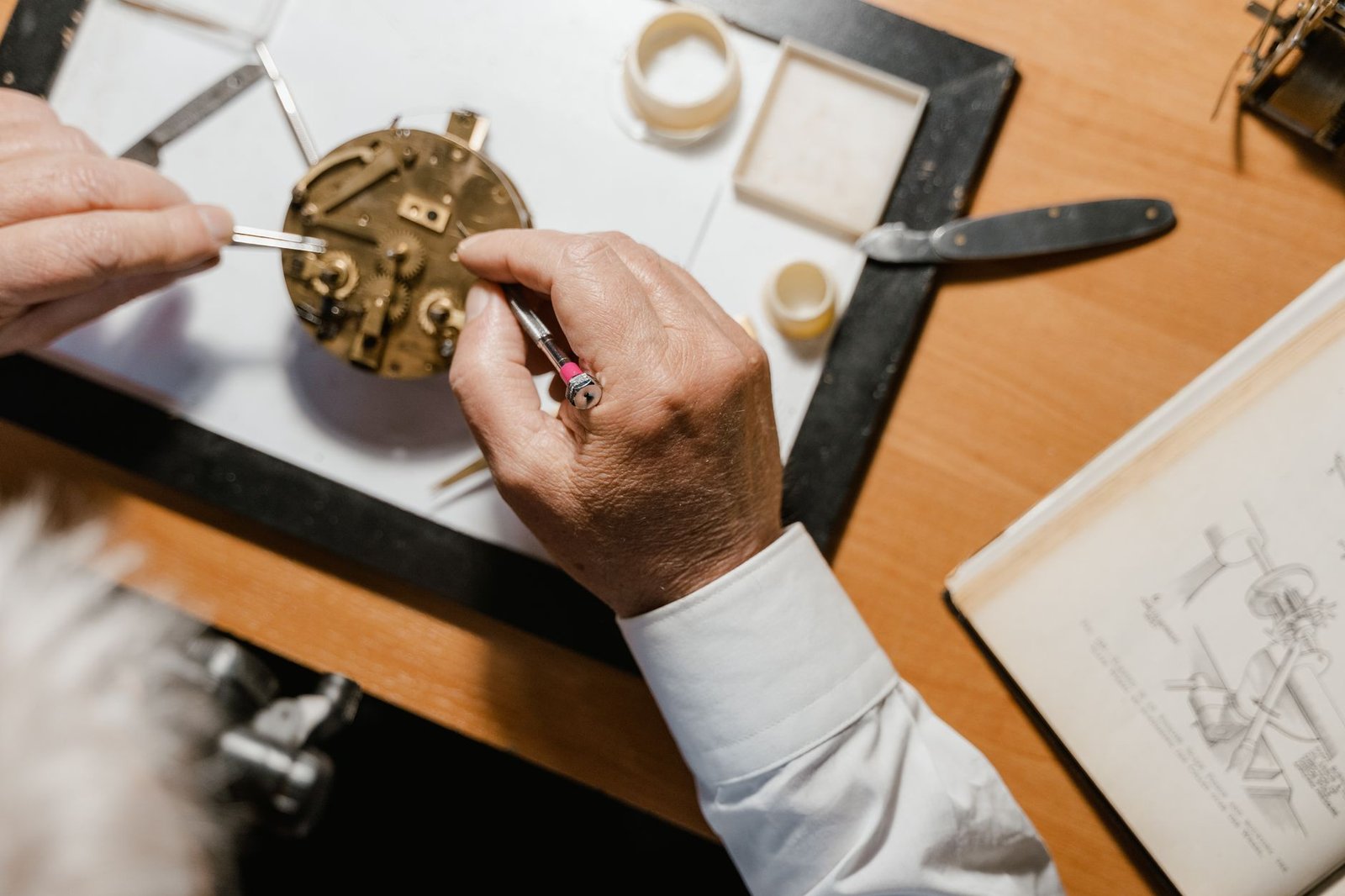
An independent watchmaker, or independent brand, is essentially a watch company that isn’t part of a large conglomerate like Swatch Group or Richemont. Think of them as the artisans or small studios of the watch world. They usually have a very small team, sometimes just one or two people, designing, assembling, and finishing their watches by hand. Their production numbers are tiny. We’re talking maybe 10, 20, or at most a few hundred watches made each year. Compare that to the hundreds of thousands of watches some of the big brands produce.
This limited production is a huge part of their appeal. It means you’re unlikely to see someone else wearing the same watch. It also means a lot of personal care goes into each piece. The watchmaker often knows their creations intimately. They might even be the ones assembling the movement or polishing the case themselves. This direct involvement creates a special connection between the maker and the watch.
Why Are These Watches So Special (and Expensive)?
So, why do these watches command such high prices, sometimes even matching or exceeding those of well-known luxury brands? It boils down to a few key factors.
The Movement: The Heart of the Watch
The engine of a mechanical watch is called the movement. For many independent watchmakers, this is where they truly shine. They often don’t use standard movements bought from big suppliers. Instead, they develop their own. This is incredibly difficult and expensive. Creating an in-house movement requires immense technical knowledge, design skill, and precision engineering. Brands like F.P. Journe are famous for creating entirely new calibers, which are the specific designs of a movement. These movements are not just functional; they are often beautifully decorated by hand. You might see things like hand-engraving, Geneva stripes, or polished screw heads. This level of finishing takes hours of skilled labor for each watch.
Hand-Finishing and Craftsmanship
Beyond the movement, almost every part of a watch from an independent brand receives a high degree of hand-finishing. This includes the case, the dial, and the hands. While big brands use machines for most of this, independents often rely on skilled artisans using traditional tools. They might file, polish, and engrave components by hand. This meticulous work adds a level of detail and refinement that machines simply cannot replicate. You can often see and feel the difference in the way light plays off a hand-polished surface compared to a machine-finished one. This dedication to craft is a major part of the value.
Rarity and Exclusivity
As mentioned, independent watchmakers produce very few watches. This scarcity makes them highly desirable for collectors. Owning a watch from an independent brand means you possess something rare. It’s a statement that you appreciate craftsmanship and individuality over mass-produced luxury. This exclusivity contributes significantly to their desirability and, consequently, their price.
Brand Heritage and Personal Vision
While they may not have centuries of history like some established brands, independent watchmakers often have a strong personal story and vision. Brands like Urwerk, known for its futuristic satellite time displays, or Kari Voutilainen, celebrated for his exquisite hand-finished dials, have built reputations based on unique design and exceptional quality. Their heritage is being built now, by passionate individuals pushing the boundaries of watchmaking. This personal touch and clear artistic direction are highly valued by collectors who connect with the maker’s philosophy.
Notable Independent Watchmakers and Their Signatures
The world of independent watchmaking is diverse, with many talented individuals and small brands. Here are a few examples that showcase the range and brilliance found in this sector.
F.P. Journe: The Master of Mechanical Art
François-Paul Journe is widely considered one of the greatest living watchmakers. His brand, F.P. Journe, is renowned for its innovative and elegant timepieces. A signature of his watches is the use of solid gold for the movement plates and bridges, a material rarely used by others due to its cost and difficulty to work with. His Chronomètre à Résonance, which uses resonance to improve timekeeping accuracy, is a legendary piece. Another iconic model is the Octa, featuring a large-aperture date and a power reserve of up to 10 days, all driven by a beautifully finished movement. Watches like the F.P. Journe Chronomètre Optimum can fetch prices well over $100,000 in 2026.
Kari Voutilainen: The Art of the Dial
Kari Voutilainen is a Finnish watchmaker based in Switzerland, celebrated for his incredible hand-finished dials. He uses traditional techniques like guilloché (creating intricate patterns with a special lathe) and engine turning to create dials that are true works of art. His watches, often with classic designs, feature these stunning dials and highly decorated in-house movements. The Voutilainen 28TI, for example, showcases his signature engine-turned dial and a unique escapement system. His pieces are made in extremely limited quantities, often fewer than 50 per year, making them highly sought after.
Urwerk: Pushing the Boundaries of Time Display
For those who love avant-garde design, Urwerk is a must-know name. Founded by Felix Baumgartner and Martin Frei, Urwerk creates watches that look like they belong in a science fiction movie. They are famous for their “satellite” time display, where rotating cubes on wandering arms indicate the hours, and a minutes hand sweeps across them. Their UR-100 model, for instance, displays hours and minutes in a unique way, alongside other information. These watches are technically complex and visually striking, appealing to collectors who want something truly unconventional.
These are just a few examples. Other important independent watchmakers include Philippe Dufour, MB&F (Max Büsser & Friends), and De Bethune. Each brings a unique perspective and level of craftsmanship to the watchmaking world.
Buying and Investing in Independent Watches
If you’re thinking about buying a watch from an independent maker, it’s a different approach than shopping at a big brand’s boutique. These watches are often bought directly from the watchmaker or through very select retailers. The relationship with the brand or maker is often more personal.
The Price of Passion
Let’s be clear: independent watches are not cheap. Even entry-level pieces from respected independents can cost tens of thousands of dollars. More complex or highly finished models can easily run into six figures, and limited editions can go much higher, especially on the secondary market. For example, a pre-owned F.P. Journe Chronomètre Bleu, a very popular steel model, has seen prices in the range of $70,000 to $100,000 in 2026, significantly above its original retail price.
Is It an Investment?
Many collectors view watches from top independent watchmakers as investments. Because of their rarity, exceptional craftsmanship, and strong brand identity, certain models tend to hold their value well and can even appreciate over time. Brands like F.P. Journe and Kari Voutilainen have demonstrated strong performance in the secondary market. However, it’s crucial to remember that the watch market can be volatile. Buying a watch purely as an investment carries risks. The primary reason to buy an independent watch should be the appreciation for the piece itself, its design, its mechanics, and the story behind it. If it appreciates in value, that’s a bonus.
Where to Buy
The best way to buy is often directly from the brand or authorized dealers. Some independents work with a small network of trusted retailers. You might also find them at high-end watch auctions or on the pre-owned market through reputable dealers. Always ensure authenticity and condition when buying pre-owned.
Watch Maintenance and Authentication
Taking care of an independent watch is similar to any high-end mechanical timepiece, but with a few considerations.
Servicing Your Independent Masterpiece
Because these watches often feature unique in-house movements, servicing should ideally be done by the brand itself or by a watchmaker who has specific experience with that particular movement. Sending your watch back to the original maker ensures it’s handled by experts who know its intricacies. This can take time and be more expensive than servicing a mass-produced watch, but it’s essential for maintaining its condition and value. A full service for a watch like an F.P. Journe might cost anywhere from $1,000 to $5,000 or more, depending on the complexity, and could take several months.
Authentication: Ensuring Legitimacy
When buying from the secondary market, authentication is key. Independent watches are less commonly faked than mainstream luxury brands, but counterfeits do exist. Look for reputable sellers with strong return policies. Examine the watch closely for correct markings, finishing quality, and overall construction. If possible, buy watches that come with their original box, papers, and service records. If you’re making a significant purchase, consider having it inspected by a trusted watchmaker or expert before finalizing the deal.
A Table of Selected Independent Watch Brands
This table provides a snapshot of some prominent independent watch brands, highlighting their typical production volume and a signature characteristic. Note that production numbers can fluctuate.
| Brand | Typical Annual Production | Signature Characteristic | Example Price Range (USD, 2026) |
|---|---|---|---|
| F.P. Journe | 1,000 – 1,500 pieces | In-house movements, often in gold; unique complications. | $50,000 – $500,000+ |
| Kari Voutilainen | 50 – 100 pieces | Exquisite hand-finished dials (guilloché, engine turning); classic aesthetics. | $80,000 – $300,000+ |
| Urwerk | 100 – 150 pieces | Avant-garde design; satellite and wandering hour time displays. | $75,000 – $250,000+ |
| De Bethune | 150 – 250 pieces | Futuristic aesthetics; innovative materials (e.g., silicon, titanium); exceptional polishing. | $60,000 – $200,000+ |
| MB&F (Max Büsser & Friends) | 200 – 300 pieces | “Horological Art Machines”; highly sculptural and conceptual designs. | $70,000 – $300,000+ |
Frequently Asked Questions
What is the main difference between a mainstream luxury watch and an independent watch?
The main difference lies in production volume and design philosophy. Mainstream brands produce hundreds of thousands of watches annually, often relying on standardized components and designs. Independent watchmakers produce very few pieces, typically with unique in-house movements, hand-finishing, and highly personal design visions.
Are independent watches a good investment?
Certain independent watches from highly respected makers can be excellent investments, often holding their value and appreciating over time due to rarity and demand. However, like any investment, the market can fluctuate, and the primary reason to buy should be personal enjoyment of the craftsmanship and design.
How do I find an independent watchmaker?
You can discover independent watchmakers through specialized watch blogs, forums, and magazines. Attending watch industry events like Watches and Wonders (though it focuses more on larger brands, independents often have a presence or are discussed) or specific collector meetups can also be great ways to learn about them. Buying directly from their website or through a few select authorized dealers is common.
What are the risks of buying an independent watch?
Risks include the high cost, the potential for long waiting lists for new pieces, and the specialized nature of servicing, which can be expensive and time-consuming. Ensuring authenticity and condition when buying pre-owned is also critical.
Do independent watchmakers offer customization?
Many independent watchmakers are known for their willingness to customize watches to a certain extent. This could involve unique dial colors, case finishes, or even minor modifications to the movement, depending on the watchmaker and the specific request. This level of personalization is a significant draw for collectors.
Is it worth paying more for an independent watch than a famous brand?
For collectors who value extreme craftsmanship, unique design, rarity, and the personal story behind a watch, the higher price of an independent piece is often seen as justified. If you prioritize brand recognition and widespread availability, a mainstream luxury brand might be more suitable. It’s a matter of personal preference and what you seek in a timepiece.
The Appeal of the Artisan
The world of independent watchmaking offers a different kind of luxury. It’s about appreciating the dedication, skill, and artistry of individuals who pour their passion into creating mechanical marvels. These watches aren’t just tools to tell time; they are pieces of art, mechanical sculptures, and testaments to human ingenuity. If you’re looking for a watch that tells a story and showcases exceptional craftsmanship, exploring the work of independent watchmakers is a rewarding path. Consider visiting the websites of brands like F.P. Journe or Kari Voutilainen to see their latest creations and understand the dedication involved.

[…] for a short time or known for a particular type of watch. Their rarity can make them special. The art of the independent watchmaker also shows how unique pieces from smaller creators can gain a following. These watches offer a […]