The Unseen Value: What Makes a Vintage Watch Truly Special

When you look at a vintage watch, what do you see? Is it just an old way to tell time? Or is there something more? For many collectors, vintage watches are more than just timepieces. They are pieces of history. They carry stories. They often represent incredible craftsmanship. This article explores what gives a vintage watch its special value. We’ll look at the details that make some watches highly collectible and sought after by enthusiasts in 2026.
Key Takeaways
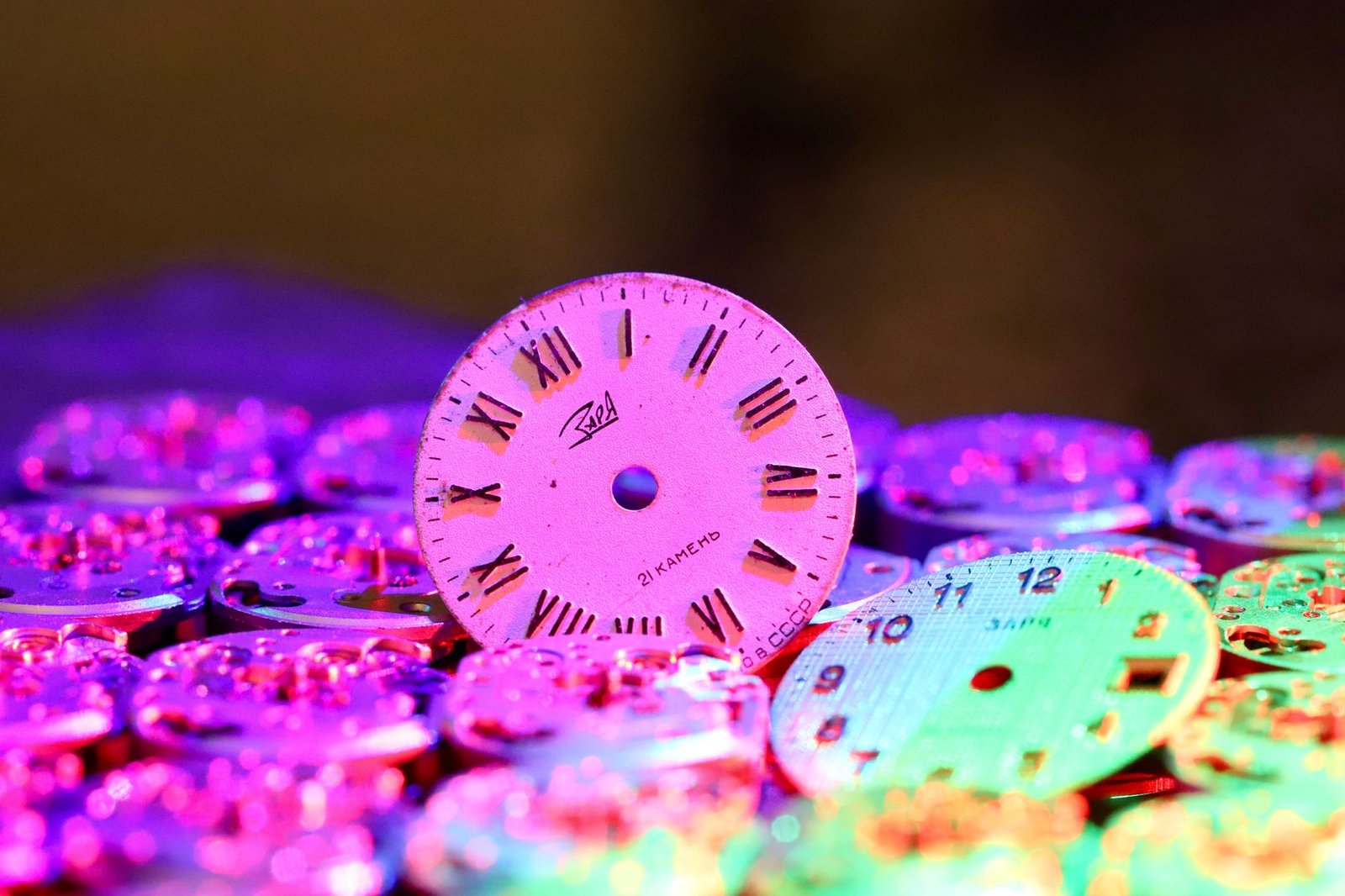
- A watch’s value comes from a mix of brand heritage, rarity, movement quality, materials, and its unique history.
- Iconic models, especially those with limited production runs or special editions, tend to be more collectible.
- The condition of a vintage watch is crucial; original parts and minimal wear often command higher prices.
- Provenance, or the documented history of ownership, can significantly increase a watch’s desirability and value.
- Understanding watch movements, historical context, and market trends is key for both collectors and investors.
The Magic of Heritage and Brand Recognition
Some watch brands have been around for a very long time. Think of names like Patek Philippe, Rolex, Omega, and Jaeger-LeCoultre. These brands didn’t just become famous overnight. They built their reputations over decades, sometimes centuries. They created watches that were known for quality, innovation, and sometimes, luxury. This long history, or heritage, plays a huge role in why their vintage pieces are so desired today.
For example, a vintage Rolex Submariner from the 1960s is not just a watch. It’s linked to a legacy of exploration and adventure. It’s a piece of pop culture, seen on the wrists of famous divers and actors. This brand power means that even a common model from a top brand can hold significant value. More unique or historically important models from these brands can reach astronomical prices.
But it’s not just about the big names. Sometimes, lesser-known brands from specific eras can also be very collectible. These might be brands that were popular for a short time or known for a particular type of watch. Their rarity can make them special. The art of the independent watchmaker also shows how unique pieces from smaller creators can gain a following. These watches offer a different kind of value, often focused on pure craftsmanship and artistic design rather than mass appeal.
Rarity: The Thrill of the Hunt
One of the biggest factors in a watch’s collectibility is how rare it is. If only a few hundred of a certain model were ever made, it’s naturally going to be more sought after than one made in the tens of thousands. Limited editions are a prime example of this. Brands often release special versions of their popular watches to celebrate an anniversary or collaborate with another entity. These are usually made in much smaller numbers.
Think about a specific reference number from a brand like Omega. Perhaps a Seamaster from the 1960s. If there were 10,000 made, it’s not super rare. But if there was a special run of only 500 pieces for a specific market or event, that watch becomes much more interesting to collectors. The rarer it is, the harder it is to find, and the more people might be willing to pay for it.
Sometimes, rarity isn’t just about the original production numbers. It can also be about survival. Many watches made decades ago have been lost, damaged, or had their parts replaced so many times that they are no longer original. A vintage watch that has survived in excellent, original condition is, in itself, quite rare. This brings us to the importance of condition.
Condition and Originality: Preserving the Past
When looking at vintage watches, condition is king. A watch that looks like it just left the factory, with sharp case lines, a pristine dial, and working perfectly, will always be worth more than a beat-up example. Collectors often pay a premium for watches that show minimal signs of wear. This is especially true for watches that are 50 years old or more.
Originality is also incredibly important. Does the watch still have its original dial? Are the hands the correct ones for that model and year? Is the crown original? Even the bracelet or strap can affect value. If a watch has had too many parts replaced, it can lose its authenticity and therefore, its appeal to serious collectors. Some collectors prefer a watch that has never been polished, even if it shows some minor scratches. They see these as signs of the watch’s life and history.
For example, a vintage Omega Speedmaster Professional from the early 1960s, with its original dial, hands, and bezel, and showing its age gracefully, will fetch a much higher price than one with a relumed dial, replaced hands, or a case that has been heavily polished down. People often look for what is called “patina.” This is the natural aging of materials, like a slight yellowing of the luminous markers on the dial or a gentle fading of the bezel color. A beautiful, even patina can add character and value. The subtle art of watch dial patina shows how this aging process is seen as a positive attribute by many enthusiasts.
The Heart of the Watch: Movements and Materials
Beyond the looks and the brand name, the engineering inside a watch is a major factor. Vintage watches often used mechanical movements. These are complex systems of springs, gears, and levers that are powered by the wearer’s motion (automatic) or by winding a crown (manual-wind). The quality and complexity of these movements greatly affect a watch’s value.
High-end brands like Patek Philippe or Audemars Piguet are known for their in-house movements. These are movements designed and built entirely by the company itself. They are often beautifully finished and very accurate. A vintage watch with a well-regarded in-house movement, especially one with complications like a chronograph (stopwatch function) or a perpetual calendar (which tracks the date, day, month, and year), will be highly valuable.
Materials also matter. While stainless steel is common and durable, watches made from precious metals like solid gold or platinum, or even rarer materials like stainless steel with gold bezels (two-tone), will command higher prices. The finishing of the case and bracelet also plays a role. Hand-finished details, intricate engravings, or complex case shapes add to the perceived and actual value.
Provenance: The Story That Adds Value
Provenance refers to the history of ownership of a particular watch. If a watch can be traced back to a famous person, a significant event, or a notable collection, its value can skyrocket. This documented history, or provenance, adds a layer of prestige and desirability that is hard to replicate.
Imagine owning a watch that once belonged to a famous explorer, a movie star, or even royalty. If there’s proof, like old receipts, letters, or family records, that connection to the past makes the watch incredibly special. Auction houses often highlight provenance when selling high-value timepieces. For example, a watch owned by Paul Newman, a famous actor and race car driver, is worth millions partly because of its connection to him. These watches are often referred to as “Newman Daytonas” in reference to the Rolex Daytona model he famously wore.
Even without a famous owner, a watch with a clear history can be more valuable. If you know it was bought on a certain date, passed down through a family, and has always been well cared for, that narrative adds depth. It transforms the watch from an object into a personal artifact with a story.
Buying and Investing in Vintage Watches in 2026
For many, vintage watches are not just a hobby but also an investment. The market for vintage timepieces has grown significantly. Some rare and iconic models have seen their values increase steadily over the years. However, it’s important to approach buying vintage watches with knowledge and caution.
First, do your homework. Understand the brands and models you are interested in. Learn about their history, typical prices, and what makes certain examples more desirable. Follow reputable dealers, auction houses, and watch forums. Attend watch shows if you can. Seeing watches in person and talking to experienced collectors is invaluable.
When buying, always consider the condition and originality. Be wary of deals that seem too good to be true. If buying online, ensure the seller has a good reputation and offers a solid return policy. Authenticity is crucial. Counterfeits and heavily modified watches are common in the market. Always buy from trusted sources or have a watch authenticated by an expert before purchasing.
Here’s a quick look at some iconic vintage models and their general appeal:
| Model | Brand | Era | Key Features | Collector Appeal |
|---|---|---|---|---|
| Speedmaster Professional “Moonwatch” | Omega | 1960s onwards | Manual-wind chronograph, passed NASA flight certification | High. Iconic history, robust movement, astronaut association. |
| Submariner | Rolex | 1950s onwards | Diver’s watch, rotating bezel, water resistance | Very High. Iconic design, status symbol, strong value retention. |
| 15202 “Jumbo” Extra-Thin | Audemars Piguet | 1970s onwards (original ref) | Ultra-thin automatic movement, integrated bracelet, simple dial | High. Classic luxury sports watch, design icon. |
| Reverso | Jaeger-LeCoultre | 1930s onwards | Unique reversible case, often for polo players | High. Historical significance, elegant design, functional innovation. |
Maintaining Your Vintage Timepiece
Owning a vintage watch is a responsibility. These are often delicate mechanical instruments that need regular care to keep them running well and preserve their condition.
Servicing: Mechanical watches, especially vintage ones, need to be serviced periodically. This involves taking the watch apart, cleaning all the parts, lubricating them, and reassembling them. A typical service interval is every 3 to 5 years, depending on the watch and how often it’s worn. When you get a watch serviced, it’s important to find a watchmaker who specializes in vintage pieces. They will know how to handle older movements and will try to keep as many original parts as possible.
Water Resistance: Most vintage watches, especially those from before the 1970s, should not be considered water-resistant, even if they were originally designed to be. Gaskets degrade over time, and cases can develop tiny openings. Unless a watch has been recently pressure tested and sealed by a qualified watchmaker, it’s best to keep it away from water, moisture, and humidity. Don’t wear your vintage watch in the shower, while swimming, or even in heavy rain.
Winding and Setting: If you have a manual-wind watch, wind it gently until you feel resistance. Don’t force it. For automatic watches, wearing them regularly will keep them wound. If a watch stops, and it’s an automatic, a few gentle turns of the crown or some light shaking should start it. For setting the time, always move the hands forward. Moving them backward, especially on older watches with certain calendar mechanisms, can sometimes damage the movement.
Authentication: Spotting the Real Deal
With the rise in the value of vintage watches, unfortunately, so has the number of fakes and heavily altered pieces. Authenticating a vintage watch is crucial before you buy, especially for higher-priced items.
Research is Key: Before you even look at a specific watch, research that model extensively. Look at many examples online from reputable sources. Understand what the dial should look like, the correct font for the text, the correct lume color, the correct hand shapes, and the correct case finishing.
Inspect the Details: Pay close attention to the details. Are the logos crisp and correctly formed? Is the engraving on the case back sharp or shallow? Does the movement look like the correct caliber for that watch and era? Sometimes, sellers might put a fake movement in a genuine-looking case, or vice versa.
Ask Questions: Don’t be afraid to ask the seller questions. Where did they get the watch? Do they have any service history? Why are they selling it? A reputable seller will be happy to answer your questions. Always ask for clear, high-resolution photos of the watch from all angles, including the movement if possible.
Buy from Trusted Sources: The safest way to buy vintage watches is from established dealers with a proven track record. They often guarantee authenticity and offer warranties. If buying at auction, check the auction house’s reputation and their policies on authenticity.
Frequently Asked Questions
What makes a vintage watch collectible?
Collectibility is a mix of factors. Key elements include the brand’s reputation and heritage, the watch’s rarity (limited production or surviving examples), its condition and originality, the quality and type of its mechanical movement, the materials used, and any unique history or provenance it possesses. Iconic models from well-respected brands are generally more collectible.
How much should I expect to pay for a vintage watch?
Prices vary wildly. A common vintage watch from a good brand in average condition might range from a few hundred to a couple of thousand dollars in 2026. Rare, historically significant, or exceptionally well-preserved pieces from top-tier brands can easily go into the tens of thousands, hundreds of thousands, or even millions of dollars at auction.
Is buying vintage watches a good investment?
Some vintage watches have shown strong appreciation over time, making them a potentially good investment. However, the market can be volatile, and prices depend heavily on rarity, condition, and desirability. It’s crucial to buy what you love and understand the market, rather than investing solely for profit. Thorough research and buying from trusted sources are essential for any investment-minded purchase.
How can I tell if a vintage watch is real?
Authenticating a vintage watch involves careful examination of many details. You need to research the specific model to know its correct features, including dial text, hands, case shape, and movement. Look for high-quality finishing, correct logos, and serial numbers that match the brand’s records. It’s always best to buy from reputable dealers or have a watch authenticated by an expert, especially for expensive pieces.
What is “patina” on a watch dial, and is it good?
Patina refers to the natural aging of a watch’s materials over time. On a dial, this can include a slight discoloration or darkening of the hour markers’ luminous material (like tritium or radium), or a subtle change in the dial’s surface texture. For many collectors, a pleasing, even patina adds character and historical authenticity to a watch, increasing its desirability. However, excessive damage, such as corrosion or peeling lume, is not considered desirable patina.
The Enduring Appeal
Vintage watches offer a connection to the past. They represent a time when timepieces were often built with incredible care and meant to last. Understanding what makes them valuable , from the ticking heart of their mechanical movements to the stories they carry on their dials , opens up a fascinating world. Whether you’re drawn to them for their history, their craftsmanship, or their potential as an investment, the allure of a well-preserved vintage watch remains strong in 2026. When you find that perfect piece, remember to get it serviced by a specialist who understands vintage mechanics.

[…] This step-by-step approach helps reduce the risk of buying a counterfeit. You can read more about what makes a vintage watch truly special The Unseen Value: What Makes a Vintage Watch Truly Special. […]