The 2026 Pop Culture Time Capsule: What’s Hot in Retro-Future Nostalgia

The air is thick with a strange kind of déjà vu. It’s 2026, and while we’re looking forward to flying cars and robot butlers (still waiting on those, by the way), a huge chunk of our pop culture obsession is firmly rooted in the past. We’re not just talking about reboots or remakes; it’s a deep dive into specific eras, the aesthetics, the sounds, and even the *feel* of decades gone by, all reinterpreted through a modern lens. This isn’t just about revisiting old favorites; it’s about discovering them anew. Think less about just watching *Stranger Things* and more about hunting down a mint-condition Walkman or attending a themed roller disco. This fascination with retro-future nostalgia is shaping everything from fashion and music to gaming and digital art.
Key Takeaways
- The 2026 pop culture landscape is heavily influenced by “retro-future nostalgia,” blending past aesthetics with modern sensibilities.
- This trend is evident across music, fashion, gaming, and digital art, with a focus on specific eras like the late 80s and 90s.
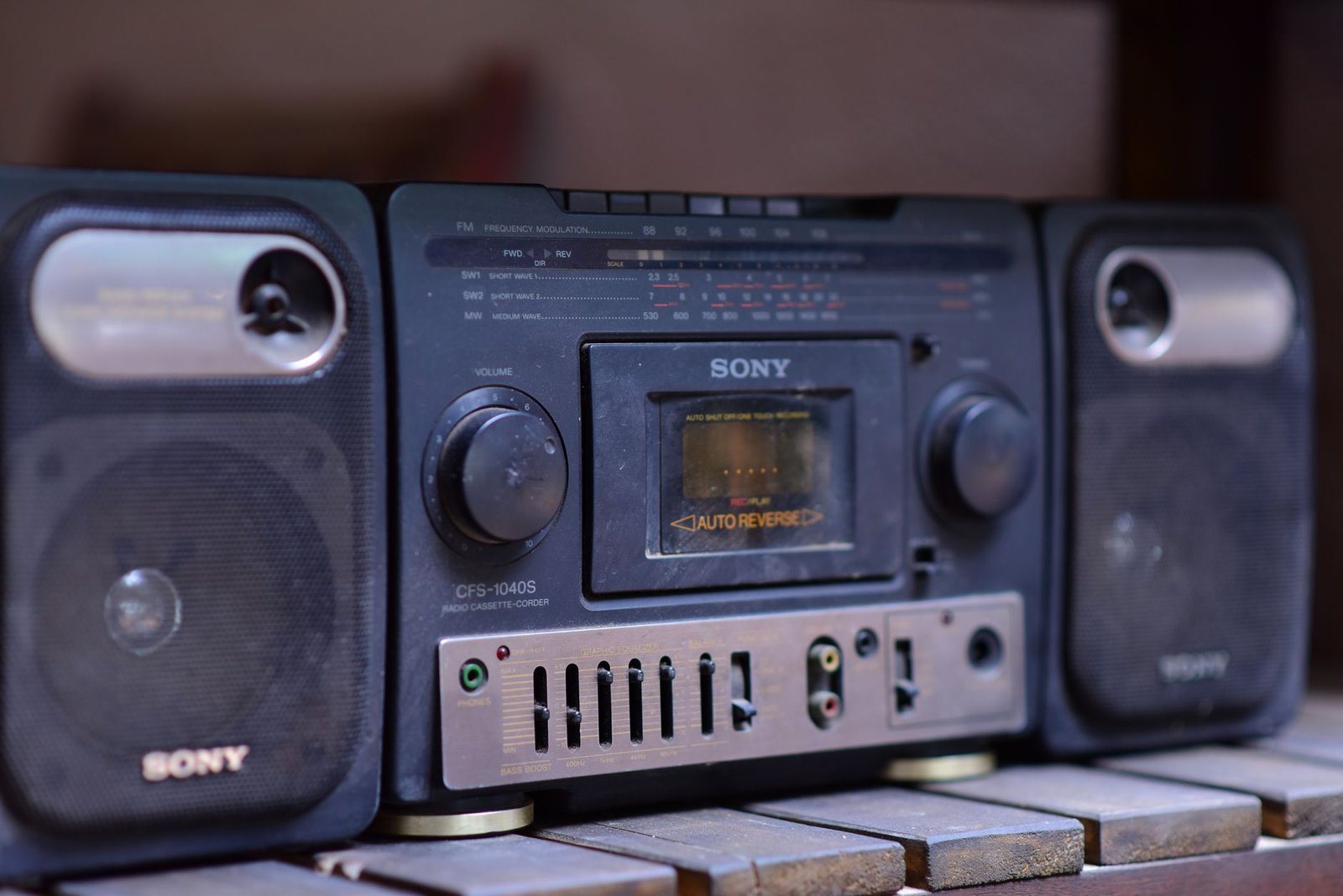
- Collectors are actively seeking out vintage tech and physical media, driving up prices for items like vinyl records and original game consoles.
- AI is playing a role in recreating or remixing retro aesthetics, offering new ways to experience nostalgic content.
- The appeal lies in the perceived authenticity and tangible quality of past media compared to the often ephemeral nature of current digital content.
The Sound of Yesterday, Today
Music has always been a powerful time machine, but right now, it feels like everyone’s got their DeLorean set for a specific destination. Vinyl sales, which have been steadily climbing for years, are hitting new heights in 2026. It’s not just about the sound quality; it’s the physicality of it. Holding a record, reading the liner notes, the whole ritual, it’s a stark contrast to endless Spotify playlists. We’re seeing a massive resurgence in interest for late 80s and 90s alternative, grunge, and even some of the more synth-heavy electronic music from that period. Bands that were cult favorites are suddenly back on tour, selling out arenas, and their original pressings are fetching insane prices.
Are You Ready for 2026's Retro Vibe Check?
Test your knowledge of how 2026 pop culture blends vintage styles, tech, and modern trends by taking this quick quiz.
See your result instantly after answering.
Take the fictional band “Static Bloom,” a mid-90s indie darling. Their 1995 album, *Chroma Shift*, originally pressed on 10,000 vinyl copies, is now going for upwards of $300 to $500 on collector sites if it’s in near-mint condition. This isn’t just about nostalgia for those who lived through it; a younger generation is discovering these sounds and appreciating the raw energy and lo-fi production that feels so different from today’s polished digital output. Even cassette tapes are making a comeback, not as a primary listening format, but as a collectible item and a symbol of a more hands-on era. Independent artists are releasing limited edition runs on both vinyl and tape, creating scarcity and buzz.
Fashion’s Forward-Looking Rewind
The fashion world is equally caught in this retro-futuristic wave. Forget the fast fashion cycle; people are looking for pieces with a story. Think oversized blazers with strong shoulder pads reminiscent of the late 80s, chunky sneakers that echo the early 2000s skate scene, and even the resurgence of some bolder, more graphic prints from the 90s. It’s not a direct copy-paste from the past, though. Designers are taking these elements and giving them a modern twist.
For example, a classic bomber jacket might now feature sustainable, high-tech fabrics or have subtle, futuristic detailing. The colors are often more muted or sophisticated than the originals, and the silhouettes are tweaked for a contemporary fit. Streetwear brands are heavily leaning into this. We’re seeing collaborations that blend iconic 90s cartoon characters with avant-garde streetwear. Prices for vintage pieces from designers like Helmut Lang or early Vivienne Westwood are skyrocketing. A genuine 1992 Westwood “Bondage” skirt, for instance, could easily command $2,000 or more at auction. This isn’t just about looking retro; it’s about adopting an attitude, a sense of rebellion or self-expression that those eras often embodied.
Gaming: From Pixels to the Present
The gaming industry is a prime example of this retro-future trend. While cutting-edge graphics continue to push boundaries, there’s a massive appetite for classic gaming experiences. The Nintendo Switch Online service, which offers a library of retro Nintendo games, remains incredibly popular. But it goes beyond official emulation. The market for original retro consoles and cartridges is booming. Finding a working Sega Dreamcast or a boxed original PlayStation in good condition can cost hundreds, sometimes even thousands, of dollars.
The rise of indie games that intentionally mimic the aesthetics of older consoles is also a huge part of this. Games like “Pixel Odyssey,” released last year, deliberately use 16-bit graphics and chiptune music to evoke the Super Nintendo era, and it’s been a massive commercial success, selling over 500,000 copies in its first six months. This trend is also fueled by the accessibility of retro-inspired game development tools. Aspiring creators can now use engines like Godot or Unity with specific plugins to replicate the look and feel of 8-bit or 16-bit games, democratizing the creation of this nostalgic content.
Digital Art and AI’s Retro Remix
Even in the digital art space, retro-future nostalgia is making its mark. AI image generators are being prompted to create art in the style of 80s sci-fi concept art or 90s vaporwave aesthetics. These aren’t just static images; we’re seeing AI-generated short films that mimic the grainy, lo-fi look of VHS tapes or early digital animation. There’s also a growing interest in generative art that uses algorithms to create patterns and visuals inspired by early computer graphics or the visualizers found on 90s music players.
Artists are using AI not to replace their creativity, but to augment it, exploring familiar visual languages from the past and remixing them in unexpected ways. For instance, an artist might feed an AI a collection of 1970s futuristic illustrations and ask it to generate new scenes set in a modern metropolis. The results can be uncanny, blending recognizable retro elements with contemporary themes. The value in this space is often tied to the uniqueness of the prompt and the artist’s ability to curate and refine the AI’s output, creating something that feels both familiar and entirely new.
The Appeal of the Tangible and the “Authentic”
So, what’s driving this massive interest in the past? I think it boils down to a few key things. Firstly, the tangibility of it all. In a world where so much of our lives is digital and ephemeral, holding a vinyl record, a physical book, or a vintage game cartridge provides a sense of permanence and connection. These objects have a weight and a presence that a digital file just can’t replicate.
Secondly, there’s a perception of authenticity. For many, the art, music, and media from the 80s and 90s feel more genuine, less manufactured than some of today’s highly curated content. There’s a rawness, a willingness to experiment, and sometimes, even a charming imperfection that resonates. This is especially true in music and film, where the limitations of technology often led to more creative solutions. It’s a reaction against the slick, often over-produced nature of modern entertainment.
Finally, it’s about discovery. For younger generations, exploring these older eras is like uncovering hidden treasures. They’re finding music, movies, and games that their parents or older siblings loved, and they’re making them their own. This sense of personal discovery adds a layer of excitement and ownership to their engagement with pop culture. It’s not just following trends; it’s forging their own path through cultural history.
Frequently Asked Questions
Why are vinyl records so popular again?
Vinyl records are popular because they offer a tangible, physical experience that digital music lacks. Many listeners appreciate the perceived higher sound quality, the artwork, and the ritual of playing a record. It’s also seen as a more authentic and collectible format compared to streaming.
Is the trend of retro gaming just for older generations?
No, the trend of retro gaming appeals to all generations. While older generations might be driven by nostalgia, younger players are discovering these classic games for their unique gameplay, challenging mechanics, and distinct artistic styles that differ from modern titles.
How is AI being used in retro-inspired art?
AI is being used to generate images and even short films that mimic the styles of past decades, such as 80s sci-fi or 90s vaporwave. Artists use AI as a tool to explore and remix historical aesthetics, creating new pieces that blend past and present visual languages.
Are vintage fashion pieces a good investment?
For certain rare and iconic pieces from renowned designers, yes, vintage fashion can be a significant investment. However, for most vintage clothing, the value is more about personal style and uniqueness rather than financial return. Prices for highly sought-after items can reach thousands of dollars at auction.
What’s the difference between a reboot and retro-future nostalgia?
A reboot typically reimagines an existing story or franchise for a modern audience, often with significant changes. Retro-future nostalgia, on the other hand, focuses on adopting and reinterpreting the aesthetics, sounds, and cultural feelings of specific past eras, often blending them with contemporary elements rather than simply recreating old content.
The pull of the past, viewed through a modern lens, shows no signs of fading. Whether you’re hunting for a rare cassette tape, digging through vintage clothing racks, or exploring indie games with an 8-bit charm, there’s a whole world of retro-future nostalgia waiting to be discovered. This trend isn’t just about looking back; it’s about finding new meaning and connection in the cultural artifacts that shaped our world.