The Allure of the Watch Strap: More Than Just a Way to Wear Your Watch

When we talk about watches, especially vintage and luxury ones, our minds often go straight to the dial, the movement, or the brand’s history. But there’s another crucial element that can completely change how a watch looks and feels on your wrist. It’s the strap. The strap is often overlooked, but it’s a critical part of a watch’s identity and value. Let’s explore why.
Key Takeaways
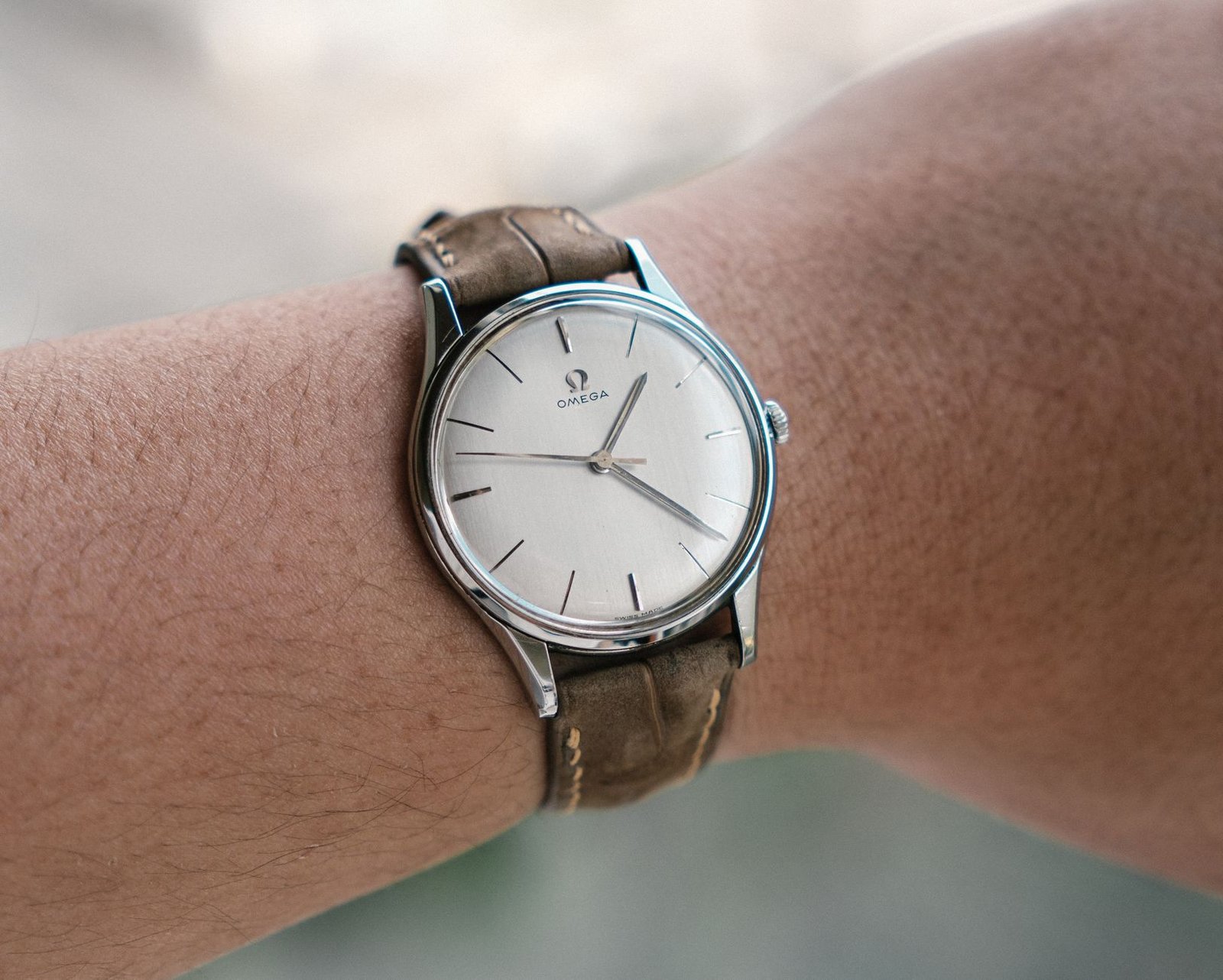
- The watch strap significantly impacts a timepiece’s aesthetics, comfort, and perceived value.
- Original straps, especially rare or high-quality ones, can add substantial value to a vintage watch.
- Leather straps offer classic style and comfort, while metal bracelets provide durability and a different look.
- Choosing the right strap can make an affordable watch feel more luxurious or a vintage piece look more authentic.
- Modern strap innovations offer exciting alternatives for both vintage and new timepieces.
A Strap’s Role in a Watch’s Story
Think about your favorite watch. What’s the first thing you notice? It’s probably the dial, right? Or maybe the case shape. But how does it sit on your wrist? That’s the strap’s job. It’s the bridge between the watch and you. For vintage watches, the original strap can be a huge part of its story and its value. If a watch comes with its factory-original strap, especially if it’s a rare or high-quality one, it can make the watch much more desirable to collectors. It shows the watch has been kept as close to its original state as possible.
Test Your Watch Strap IQ!
Discover how much you really know about the hidden value and style impact of watch straps with this fun reading quiz.
See your result instantly after answering.
For example, a vintage Omega Speedmaster from the 1960s on its original ‘tropical’ leather strap, which has faded to a unique brown color due to sun exposure, might fetch a higher price than the exact same watch on a generic modern strap. The tropical strap tells a story of time and exposure. It’s not just a strap; it’s a piece of the watch’s history. This originality is something serious collectors look for. It’s about preserving the watch as it was intended.
The Power of Leather: Classic Comfort and Style
Leather straps are probably the most common choice for dress watches and many vintage pieces. They offer a timeless look that’s hard to beat. Materials like calfskin, alligator, or crocodile are popular. Alligator and crocodile leather, for instance, have a distinctive scale pattern that adds a touch of luxury. A good quality leather strap can mold to your wrist over time, becoming incredibly comfortable. It gives the watch a warm, classic feel.
When you’re looking at vintage watches, you’ll often see them on simple, elegant leather straps. These straps might be plain black or brown, or they could have contrast stitching for a bit of flair. The condition of the original leather strap is important too. A cracked, dry, or heavily worn strap might need replacing, which can affect the watch’s value. However, a nicely patinated leather strap, showing signs of gentle wear, can actually add character. It suggests the watch has been loved and worn, not just kept in a box.
Brands like Patek Philippe and Jaeger-LeCoultre often pair their elegant dress watches with exquisite alligator straps. A Patek Philippe Calatrava on a dark blue alligator strap is a perfect example of understated luxury. The strap complements the watch’s refined design without overpowering it. It’s about balance. The strap should enhance the watch, not compete with it. A poorly chosen strap can make even the most beautiful watch look wrong.
Metal Bracelets: Durability and a Different Kind of Elegance
Metal bracelets offer a different vibe. They are generally more durable than leather straps and can give a watch a sportier or more robust appearance. Steel is the most common material, but you also see precious metals like gold and platinum. Popular bracelet styles include the Oyster, Jubilee, and President bracelets from Rolex, or the Milanese mesh bracelet, which has a unique, flexible, and very comfortable feel.
For tool watches, like dive watches or chronographs, a sturdy metal bracelet is often the preferred choice. Brands like Tudor and Breitling are known for their well-built and stylish metal bracelets that can withstand a lot of wear and tear. The bracelet on a Tudor Black Bay, for instance, adds to its tool-watch persona. It looks ready for adventure. A well-maintained bracelet can last decades, much like the watch itself.
However, original metal bracelets can also be a significant part of a watch’s value. If a vintage watch comes with its original bracelet, and it’s in good condition, it’s a big plus for collectors. Sometimes, original bracelets are so sought after that they can be worth a substantial amount on their own. For example, an original Rolex ‘bead of rice’ bracelet from the 1950s can be quite valuable. It’s important to check if the bracelet is period correct for the watch. A bracelet from the wrong era might decrease the watch’s collector appeal.
What Makes a Strap “Collectible” or Valuable?
Several factors contribute to a strap’s desirability, especially in the vintage market. First, originality is key. As mentioned, a strap that came with the watch when it was new is always more valuable than an aftermarket one. Second, rarity plays a role. Some watches came with very limited production straps, or straps made from unusual materials. For instance, a watch from the 1970s with its original brightly colored patent leather strap might be rare today.
Third, brand heritage matters. Straps made by the watch manufacturer itself, especially for iconic models, carry more weight. Think of the specific bracelets designed for certain Rolex or Omega models. They are part of the watch’s identity. Fourth, the material and craftsmanship are important. A finely made alligator strap with hand-stitching will be more valuable than a mass-produced synthetic strap. Finally, provenance can add value. If a strap has a known history, perhaps belonging to a famous owner or being part of a significant watch collection, its value can increase.
Let’s consider an example. A vintage Universal Genève Polerouter, designed by Gérald Genta, might look fantastic on a period-correct leather strap. If that strap has a specific buckle with the Universal Genève logo, it becomes much more appealing to collectors than a generic buckle. The details matter. It’s these small touches that elevate a watch and its accessories.
Buying and Investing in Watches: The Strap Factor
When you’re buying a watch, whether for personal enjoyment or as an investment, don’t forget to assess the strap. If you’re buying a vintage piece, ask about the original strap. If it’s missing, factor in the cost of finding a suitable replacement. Sometimes, a good replacement strap can significantly improve the watch’s appearance and wearability. For example, a beautiful 1950s Longines dress watch might be sitting on a worn-out, generic strap. Replacing it with a high-quality, period-appropriate leather strap could transform its look and make it feel much more special.
If you’re investing, an original strap in good condition can be a strong selling point. It adds to the completeness of the package. For very high-end or rare vintage watches, the original strap, or even the original box and papers, can add 10-20% or more to the value. This is because these items are often lost or discarded over time. Finding them makes the watch a more complete and desirable item for serious collectors.
On the flip side, if a watch you own has a particularly valuable or rare original strap, be careful with it. You might want to store it safely and wear the watch on a more common or modern strap to preserve the original. This is a common practice among collectors who want to maintain the maximum value of their timepieces.
Maintenance and Care for Your Straps
Just like your watch, your straps need care to last. Leather straps require gentle cleaning and conditioning. Avoid getting them excessively wet, as this can cause them to degrade. If a leather strap gets dirty, use a slightly damp cloth to wipe it down. For deeper cleaning or conditioning, use products specifically designed for leather watch straps. This helps keep the leather supple and prevents cracking.
Metal bracelets need regular cleaning too. You can often clean them with a soft brush and some mild soap and water. For stubborn grime in the links, a toothbrush works wonders. Be sure to dry the bracelet thoroughly afterward to prevent water spots or corrosion, especially if it’s made of stainless steel. If your bracelet is made of a precious metal like gold, you might want to take it to a professional for cleaning to avoid scratching.
Exchanging straps is also a great way to change the look of your watch. Many watches now come with quick-release spring bars, making it incredibly easy to swap out straps yourself without any tools. This allows you to adapt your watch to different occasions or outfits. A classic steel sports watch can look very different on a black NATO strap compared to its original metal bracelet.
Modern Innovations and the Future of Straps
The world of watch straps isn’t just about vintage. There are exciting innovations happening today. Materials like FKM rubber are becoming very popular for sports watches. They are durable, waterproof, and comfortable, offering a sporty alternative to metal bracelets. Brands like Seiko and Tudor use these extensively. For example, the FKM rubber straps on certain Seiko Prospex models are known for their comfort and resilience.
There are also new developments in woven synthetic materials, often referred to as ‘fabric’ or ‘sailcloth’ straps. These offer a textured look, are very strong, and dry quickly, making them ideal for active wear. Brands like Blancpain and Omega have used fabric straps on some of their high-end diver and pilot watches, demonstrating their growing acceptance in the luxury space.
For those who love vintage aesthetics but want modern performance, many companies now produce high-quality reproduction straps. These aim to capture the look and feel of original vintage straps using modern materials and construction techniques. You can find straps that mimic the look of aged leather or specific vintage bracelet designs, offering the best of both worlds. These can be a great way to refresh an older watch without compromising its original character too much, or to add a unique touch.
Frequently Asked Questions
What is the most valuable type of watch strap?
Generally, original straps that came with a rare or high-end watch are the most valuable. This includes straps made from exotic materials like high-grade alligator, or original metal bracelets from iconic models, especially if they are in excellent condition and correct for the watch’s production period.
Can a strap really affect a watch’s investment value?
Yes, significantly. For vintage watches, having the original strap or bracelet in good condition can add a substantial percentage to its overall value. It signifies originality and completeness, which are highly prized by collectors. For modern luxury watches, the original bracelet or strap is also crucial for resale value.
How often should I replace a leather watch strap?
This depends heavily on wear. A leather strap worn daily might need replacing every 1-2 years. If worn less frequently, it could last 3-5 years or more. Look for signs of cracking, fraying, or excessive stiffness. It’s better to replace it before it breaks unexpectedly.
Are NATO straps good for vintage watches?
NATO straps can be a great, affordable, and secure option for many vintage watches, especially sports models. They are comfortable, durable, and come in countless colors and patterns. However, for very valuable or dressy vintage pieces, an original leather strap or a high-quality reproduction might be more appropriate to maintain the watch’s period aesthetic and value.
How can I tell if a watch strap is authentic?
For original brand straps, look for the manufacturer’s logo or markings on the buckle, the underside of the strap, or even the spring bars. Researching the specific model and era of the watch can help you understand what type of strap and buckle would have been original. If buying from a reputable dealer, they should be able to authenticate the strap as original.
The strap is more than just an accessory; it’s an integral part of a watch’s identity, comfort, and value. Whether you’re a seasoned collector or just starting out, paying attention to the strap can lead to a more satisfying watch ownership experience. Consider exploring different strap options for your own watches to see how they change the entire feel of the timepiece.