The Coolest Chronographs Under $5,000: Smart Buys for 2026

If you’re like me, you’ve probably looked at a fancy watch and wondered, “What’s the big deal?” Maybe you’ve seen guys like Ryan Gosling or Ed Sheeran wearing something that just screams “expensive.” But what if I told you that you don’t need a celebrity bank account to own a seriously cool chronograph watch? We’re talking about watches that look amazing, have a rich history, and can even be a smart buy for the future. Today, let’s explore some of the best chronograph watches you can snag for under $5,000 right now, in 2026. These aren’t just timekeepers; they’re pieces of engineering and style.
Key Takeaways
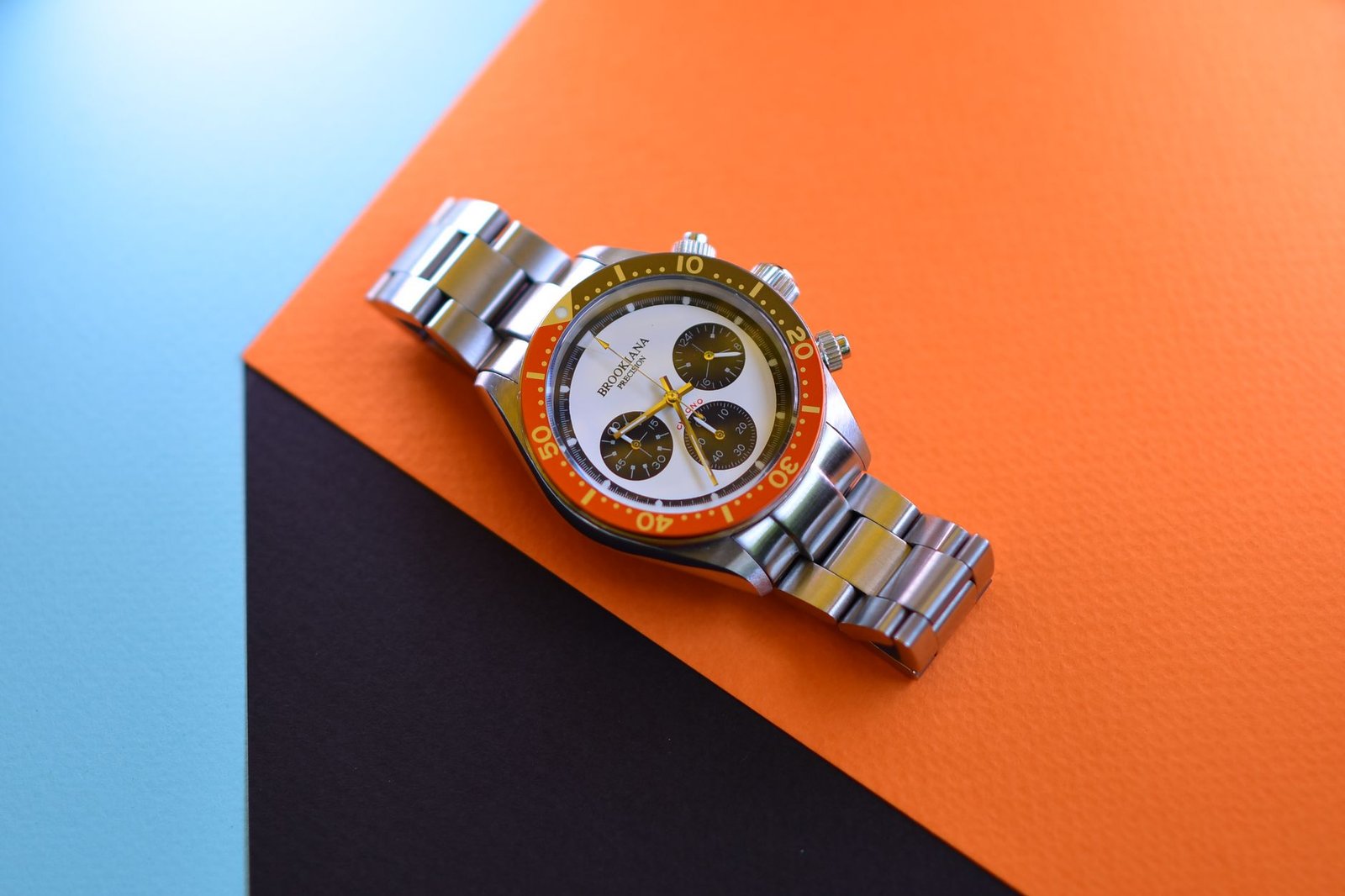
- Chronographs are watches with stopwatch functions, often featuring multiple sub-dials.
- Key brands like Tissot, Hamilton, Longines, and TAG Heuer offer excellent chronographs under $5,000.
- Factors like movement type (automatic vs. quartz), materials, brand heritage, and condition affect value.
- Buying a chronograph can be a gateway to watch collecting and potential investment.
- Always check for authenticity and consider maintenance when purchasing.
What Exactly is a Chronograph Watch?
So, what makes a chronograph special? Simply put, it’s a watch with a built-in stopwatch. Look at the dial, and you’ll usually see extra little dials, called sub-dials. These track seconds, minutes, and sometimes even hours for the stopwatch function. You’ll also see extra buttons on the side of the watch case, called pushers. The top pusher usually starts and stops the stopwatch, and the bottom one resets it. This stopwatch feature, called a chronograph complication, adds a layer of mechanical complexity and functionality that people find fascinating.
Think of a race car driver needing to time laps, a pilot calculating flight time, or even just you timing how long your pizza is in the oven. The chronograph is the tool for the job. It’s a blend of practical utility and mechanical ingenuity that has been around for a long time.
Why Chronographs Are So Popular
Chronographs have a long and storied history. They first appeared in the early 19th century, initially for scientific and military purposes. Over time, they became popular with pilots, race car drivers, and even astronauts. This association with high-performance activities and adventure gives chronographs a certain cool factor. They look sporty and technical, even when you’re just wearing one to the office.
Brands have also developed iconic chronograph models that have become legends in their own right. These watches often have design cues that have been passed down through generations, making them instantly recognizable. Owning one connects you to this history and the people who wore them before.
Top Brands and Models Under $5,000 in 2026
The good news is you don’t have to spend a fortune to get a fantastic chronograph. Here are some brands that consistently deliver great value and style in the sub-$5,000 range, with models that are currently popular and readily available in 2026.
Tissot: The Affordable Innovator
Tissot is a Swiss brand known for making high-quality watches at accessible prices. They offer a few different chronograph lines that are worth checking out. Their Tissot PRS 516 line, for example, often has a racing-inspired design with cool tachymeter bezels and sporty looks. You can often find automatic chronographs from Tissot for well under $1,500.
Another great option is the Tissot Supersport Chrono. It’s a more modern, robust-looking watch that offers a lot of features for its price, usually under $1,000. While some Tissot chronographs use reliable quartz movements, their automatic options give you that mechanical heart many watch enthusiasts love.
Hamilton: American Spirit, Swiss Made
Hamilton has a rich history, originally an American brand, now part of the Swatch Group, and known for its Swiss-made quality. Their Hamilton Khaki X-Wind Day Date Chrono is a popular choice. It has a distinctive feature where you can calculate a “true wind component” using a special rotating bezel, a nod to its aviation heritage. These often come in around the $1,500 to $2,000 mark.
Hamilton also offers chronographs within their American Classic collections that have a more vintage feel. These can be great for someone who likes the classic styling of older chronographs but wants modern reliability. Look for models with the Valjoux 7750 movement, a workhorse automatic movement known for its durability.
Longines: Elegance and Heritage
Longines is a brand with a very long history, dating back to 1832. They are known for their elegant designs and strong sporting connections, especially in equestrian and aviation. The Longines Spirit Chronograph is a standout model. It’s inspired by the golden age of aviation and exploration, featuring a clean dial and a robust movement. You can typically find these around the $3,000 to $4,000 range, offering a step up in finishing and brand prestige.
Another classic is the Longines Master Collection Chronograph. These watches often feature beautiful guilloché dials (decorative patterns) and a more refined, dressier aesthetic. They are a bit more subdued than some of the sportier chronographs but offer incredible value for a luxury Swiss brand.
TAG Heuer: Racing Roots
TAG Heuer is practically synonymous with motorsport and chronographs. The TAG Heuer Carrera is one of their most iconic lines. Originally launched in 1963, it was designed for race car drivers. In 2026, you can find excellent automatic Carrera chronographs, some with the in-house Heuer 02 movement, within our $5,000 budget, especially if you look at slightly older models or pre-owned options. New models might push the $5,000 limit, but they are worth considering if you can stretch a bit.
The TAG Heuer Formula 1 Chronograph is a more entry-level option, often using reliable quartz movements. These are very affordable, usually under $1,000, and offer that sporty TAG Heuer look and feel, perfect for everyday wear.
What Makes a Chronograph Valuable and Collectible?
When you’re looking at watches, especially if you’re thinking about them as more than just a way to tell time, several factors contribute to their value and collectibility. It’s not just about the brand name.
Movement Type
The engine of the watch is its movement. There are two main types: quartz and automatic. Quartz watches use a battery and are very accurate and low maintenance. They are generally less expensive. Automatic watches, on the other hand, are powered by the motion of your wrist. They are mechanical marvels with hundreds of tiny parts. These are typically more desirable for collectors because of their engineering and craftsmanship. A watch with a well-regarded automatic movement, like a Swiss Valjoux or an in-house caliber from a prestigious brand, will often be more valuable.
For more on watch movements, you might find it interesting to read about The Unseen Value: Why Watch Movements Are the Heart of Collectible Timepieces.
Materials and Finishing
What the watch is made of matters. Stainless steel is common and durable, but precious metals like gold or platinum significantly increase the price and perceived value. Special case materials, like titanium or ceramic, can also make a watch unique. The finishing, how well the case and bracelet are polished or brushed, and the decoration on the movement, also speaks to the quality and price point.
The dial itself is also key. Unique dial colors, textures like guilloché, or special finishes can make a watch stand out. For instance, a rare color dial on a popular model can make it much more collectible.
Rarity and Production Numbers
Like with anything collectible, rarity plays a huge role. Watches produced in limited numbers, special editions, or discontinued models that were not made in huge quantities tend to be more sought after. If only a few thousand were made worldwide, and a particular model is no longer in production, it’s likely to hold its value better than a mass-produced current model.
Brand Heritage and Reputation
Some brands have decades, even centuries, of history and a strong reputation for quality and innovation. Brands like Rolex, Omega, Patek Philippe, and Audemars Piguet are at the top. However, even brands like Longines, TAG Heuer, and Breitling have significant heritage that adds to their appeal and value. A watch from a brand with a strong legacy often has more inherent value and a better chance of appreciating.
Provenance and Condition
Provenance is the history of ownership. If a watch belonged to someone famous or has a documented history related to a significant event (like a watch worn by a famous explorer or pilot), its value can skyrocket. For vintage watches, condition is paramount. A watch in excellent, original condition with its box and papers (the original warranty card and manual) is far more valuable than one that has been heavily used, repaired with incorrect parts, or is missing its original components.
Buying and Investing in Watches Under $5,000
If you’re thinking about buying a chronograph as an investment, it’s important to be realistic. While some watches can and do increase in value, most new watches depreciate initially, much like cars. However, for watches under $5,000, the goal is often to buy something that holds its value well, or depreciates slowly, while you enjoy owning and wearing a beautiful piece of mechanical art.
Where to Buy
You have a few options when looking for watches in this price range:
- Authorized Dealers: For new watches, this is the safest bet. You get a full manufacturer’s warranty and are guaranteed authenticity.
- Reputable Online Retailers: Many established online stores specialize in new and pre-owned watches. They often have a wider selection and competitive pricing. Always check reviews and their return policies.
- Pre-Owned Marketplaces: Websites like Chrono24, eBay (with caution and seller verification), or specialist forums can offer great deals on used watches. Be extra careful about authenticity and condition here.
- Local Watch Shops: Some independent jewelers or watch dealers have a good selection of new and vintage pieces. Building a relationship with a trusted local dealer can be very beneficial.
Tips for Smart Buying
1. Do Your Research: Know the specific models you’re interested in. Understand their original retail price, current market value, and what features they have.
2. Focus on Iconic Models: Watches with a strong design heritage or those associated with significant historical moments tend to hold value better. Think about models that have been in production for a long time with consistent design elements.
3. Condition is Key (Especially for Vintage): For pre-owned watches, look for minimal scratches, original parts, and a well-maintained movement. Box and papers add significant value.
4. Understand the Movement: As mentioned, automatic movements from reputable manufacturers are generally more desirable for collectors than quartz movements.
5. Buy What You Love: If your primary goal is enjoyment, buy a watch you genuinely like. If it happens to hold its value or appreciate, that’s a bonus. A watch you wear and love is always a good investment in your personal happiness.
Watch Maintenance and Authentication
Owning a nice watch, especially an automatic chronograph, means thinking about its care. Regular maintenance is crucial to keep it running well and preserve its value.
Maintenance Schedule
Most automatic watches, including chronographs, require servicing every 3 to 5 years. This involves disassembling the movement, cleaning all the parts, lubricating them with special oils, and reassembling everything. It also includes checking and replacing any worn-out parts and testing for accuracy. A full service can cost anywhere from $300 to $1,000 or more, depending on the brand and complexity of the movement.
For chronographs, the complexity of the movement means they might need servicing slightly more often than a simple three-hand watch. Don’t neglect this; it’s much cheaper to service a watch regularly than to repair a movement that has failed due to lack of lubrication.
Authentication Tips
Unfortunately, watch fakes are common, especially for popular models. Here’s how to protect yourself:
- Buy from Authorized Sources: This is the most reliable way to ensure you’re getting a genuine watch.
- Examine the Details: Genuine watches have crisp printing on the dial, perfectly applied markers, and high-quality finishing. Fakes often have misspellings, uneven logos, or poor case polishing.
- Check the Weight and Feel: High-quality watches use solid metals and have a substantial feel. Fakes often feel lighter or “cheaper.”
- Movement Inspection: If possible, look at the movement through an exhibition case back or have a watchmaker inspect it. Genuine movements have specific finishing and markings that fakes often lack.
- Serial Numbers: Ensure the serial number on the watch matches the one on the papers, and that it’s a legitimate serial number for that model and year.
- Price: If a deal seems too good to be true, it probably is. A brand new, high-demand chronograph selling for half its retail price is almost certainly fake.
Frequently Asked Questions
Is a chronograph watch a good investment?
Some specific chronograph models, especially from highly reputable brands with a strong history and limited production, can hold their value or even appreciate. However, most new watches, including many chronographs, will depreciate initially. For watches under $5,000, it’s often more realistic to aim for slow depreciation and enjoyment of ownership rather than expecting significant financial returns.
What’s the difference between an automatic and a quartz chronograph?
An automatic chronograph is powered by a mechanical movement that uses the motion of your wrist to wind a spring. It has no battery. A quartz chronograph uses a battery to send an electrical current through a quartz crystal, making it vibrate at a precise frequency to keep time. Automatic watches are prized for their mechanical complexity and craftsmanship, while quartz watches are known for their accuracy and lower maintenance costs.
Are vintage chronographs worth buying in 2026?
Yes, vintage chronographs can be excellent buys in 2026, but they require careful research. Models from brands like Omega (Speedmaster), Heuer (Autavia, Carrera), and Breitling (Navitimer) from the 1960s and 70s are highly sought after. Condition, originality, and provenance are extremely important for vintage pieces. Be sure to buy from trusted sellers and understand the potential need for servicing.
How much should I expect to pay for a service on a chronograph?
The cost of servicing a chronograph can vary widely, but you should budget anywhere from $400 to $1,000 for a standard service by a reputable watchmaker or the brand itself. More complex or vintage movements may cost more. This service typically includes cleaning, lubrication, regulation, and testing of the movement, along with case and bracelet refinishing if requested.
What is a tachymeter bezel used for?
A tachymeter bezel is a scale found on many chronographs that allows you to measure speed over a fixed distance or estimate time based on speed. For example, if you know a car travels one mile, you can use the chronograph and the tachymeter scale to calculate its average speed in miles per hour. It’s a common feature on racing-inspired chronographs.
A World of Mechanical Wonders
Exploring the world of chronographs under $5,000 in 2026 opens up a fantastic array of mechanical watches with rich histories and stylish designs. Whether you’re drawn to the racing heritage of a TAG Heuer Carrera or the aviation roots of a Longines Spirit, there’s a chronograph out there that fits your style and budget. Start by researching the models that catch your eye, always prioritize authenticity and condition, and remember that the best watch is one you love to wear.