The Unseen Value: Why Watch Movements Are the Heart of Collectible Timepieces

When you look at a beautiful vintage watch, or a shiny new luxury model, what really makes it tick? It’s not just the brand name or the precious metal it’s made from. It’s the engine inside. That’s the movement. And for many collectors and investors, the movement is the most important part. It’s where the real magic happens, and often, where the real value lies.
Key Takeaways
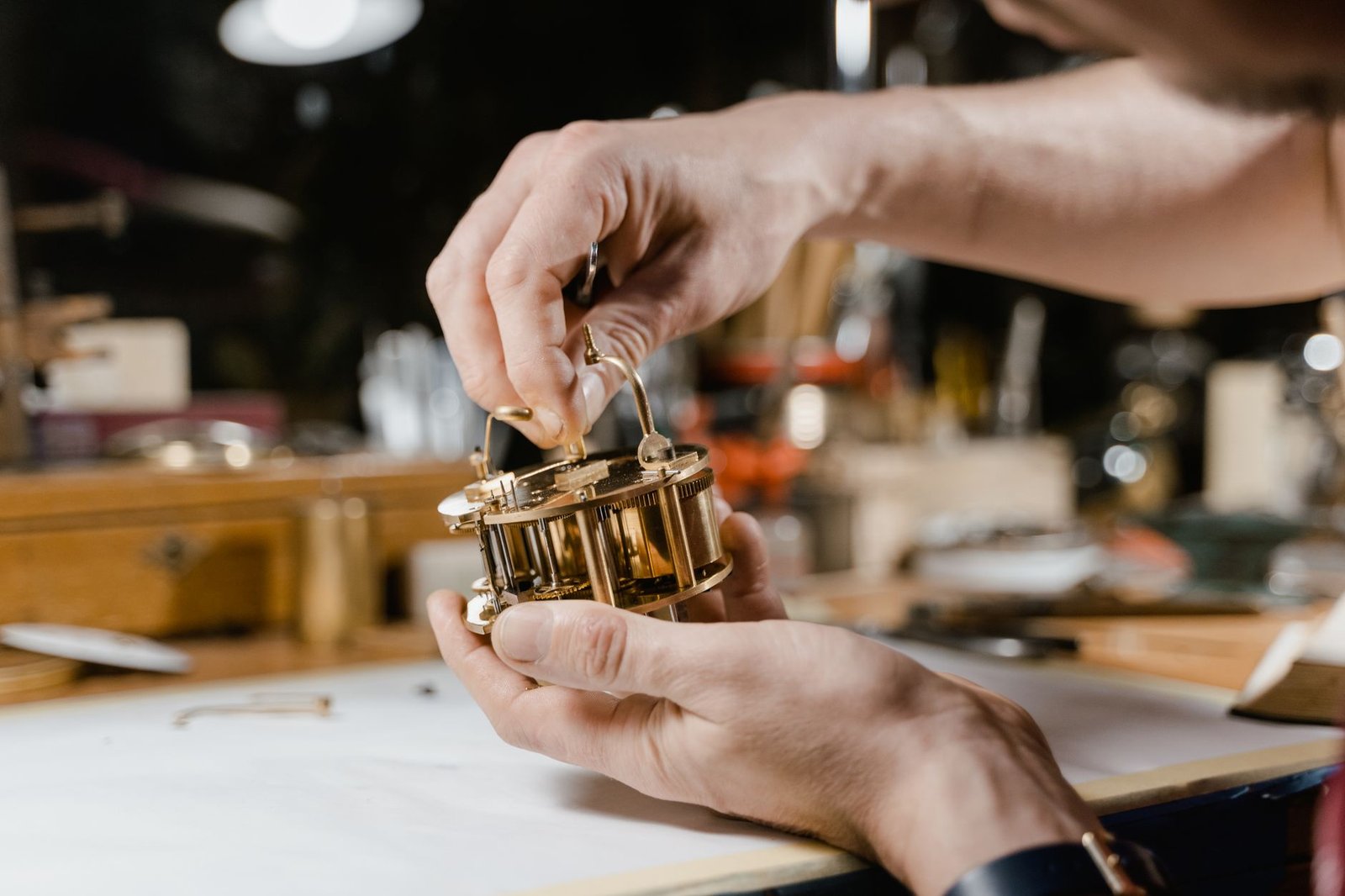
- The watch movement is the mechanical heart of a timepiece, dictating its accuracy and complexity.
- Mechanical movements, especially those with complex complications, are highly valued by collectors.
- In-house movements, developed by a brand itself, often add significant prestige and value.
- The condition and originality of a movement are critical for a watch’s collectibility and investment potential.
- Understanding movement types and their history is key to appreciating and investing in fine watches.
What Exactly Is a Watch Movement?
Think of the movement as the engine of a car. It’s the collection of gears, springs, and levers that make the watch hands move and keep accurate time. There are two main types: quartz and mechanical. Quartz movements are battery-powered and very accurate. They are common in many everyday watches. Mechanical movements, however, are powered by a wound spring and are a marvel of micro-engineering. They can be wound by hand (manual-wind) or by the motion of your wrist (automatic or self-winding).
For collectors, especially those interested in vintage and high-end luxury watches, mechanical movements are where the passion lies. They represent centuries of craftsmanship and innovation. The complexity, the finishing, and the sheer ingenuity packed into a tiny space are what draw people in. A well-made mechanical movement is a work of art you can wear.
Why Mechanical Movements Are King for Collectors
So, why the big fuss over mechanical movements? It boils down to a few key things. First, there’s the history. Mechanical watchmaking has a rich past, going back to the 16th century. Brands have been refining these machines for hundreds of years. Owning a watch with a significant mechanical movement connects you to that history.
Second, there’s the craftsmanship. Mechanical movements are built by skilled watchmakers. The tiny parts are often hand-finished with incredible precision. You can see this in the decoration on the bridges and plates, like Geneva stripes or perlage. These details show the care and dedication that went into making the movement.
Third, complexity. Mechanical movements can do more than just tell time. They can have “complications” , features like chronographs (stopwatches), perpetual calendars (which track the date, day, month, and leap year), minute repeaters (which chime the time), and tourbillons (a mechanism designed to counteract gravity’s effect on accuracy). Watches with multiple complications are rare and highly sought after.
The Magic of ‘In-House’ Movements
A big buzzword you’ll hear in the watch world is “in-house movement.” This means a watch brand designs and manufactures its movement entirely by itself. Brands that produce their own movements often have a stronger reputation for quality and innovation. They control every aspect of the movement’s creation.
For a long time, many watch companies bought movements from specialized manufacturers, like ETA or Sellita. These are good, reliable movements, but they are not unique to a specific brand. When a brand develops its own in-house movement, it’s a significant achievement. It shows a deep commitment to watchmaking. It also means the watch has a unique mechanical identity.
Take Patek Philippe, for example. They have been making their own movements since they were founded in 1839. Their calibers are legendary. Or Rolex, which has been making its own movements for most of its history. These in-house movements are a major reason why these brands hold their value so well and are so desirable to collectors. Many other brands, like Omega, Jaeger-LeCoultre, and A. Lange & Söhne, also have strong histories of creating their own movements.
What Makes a Movement Valuable and Collectible?
Several factors contribute to a watch movement’s value and collectibility. It’s not just about the brand on the dial.
Rarity and Production Numbers
Just like with anything collectible, rarity plays a huge role. Movements that were made in very small numbers, or for a short period, tend to be more valuable. Sometimes a brand might experiment with a new movement design and only produce it for a few years before updating it. These limited production runs make them scarce.
Complications and Innovation
As mentioned, watches with advanced complications are highly prized. A simple time-only watch is beautiful, but a watch that also includes a chronograph, a moon phase, or an annual calendar is mechanically much more impressive. Movements that introduced new technology or solved a specific problem in watchmaking are also very important. For instance, the invention of the automatic winding rotor or the waterproof watch case were huge innovations.
Finishing and Decoration
How the movement is decorated matters a lot to connoisseurs. Even if two watches have similar basic movements, the one with more elaborate hand-finishing will be considered more valuable. Think of intricate engravings, polished screw heads, and the beautiful patterns like Geneva waves or perlage (tiny overlapping circles) applied to the movement plates and bridges. These are signs of high-quality watchmaking.
Brand Heritage and Reputation
Some brands have built their entire reputation on the quality of their movements. Brands like Vacheron Constantin, Breguet, and Audemars Piguet are known for their horological prowess. A movement from one of these esteemed brands carries significant weight. Their long history of producing exceptional calibers adds to their desirability.
Condition and Originality
For vintage watches, the condition of the movement is paramount. A watch that has been well-maintained, with original parts, will always be worth more than one that has been poorly repaired or heavily modified. Collectors want to see that the movement is running accurately and that it looks as close to its original state as possible. Any signs of damage or incorrect parts can significantly reduce its value.
A Look at Iconic Movements
Throughout watch history, certain movements have become legendary. They are often admired for their engineering, their reliability, or their historical significance. Knowing these can help you spot a real gem.
The Rolex Caliber 3135
This is one of the most iconic automatic movements ever made. It powers many of Rolex’s most famous watches, like the Submariner and the Datejust. Introduced in 1988, it’s known for its incredible robustness and accuracy. It’s a workhorse movement that has stood the test of time. While not overly decorated, its engineering and reliability are what make it so respected.
The Omega Caliber 861
This manual-wind chronograph movement powered the legendary Omega Speedmaster Professional, especially the models that went to space. Its robust construction and smooth operation made it ideal for the rigors of space travel. It’s a key part of the Speedmaster’s iconic status.
The Patek Philippe Caliber 89 (and others)
While the Caliber 89 is an extreme example (a 33-complication pocket watch, one of the most complex ever made), it represents Patek Philippe’s commitment to pushing the boundaries of watchmaking. More generally, Patek Philippe’s series of calibers, like the ultra-thin automatic movements or their complex perpetual calendar mechanisms, are the gold standard for many collectors. They are known for their exquisite finishing and intricate designs.
The Valjoux 7750
This is a very common automatic chronograph movement used by many different watch brands. While it’s not an “in-house” movement for most brands that use it, it’s a testament to its brilliant design and reliability. It’s a workhorse that makes reliable and relatively affordable chronographs accessible to a wide range of buyers. Its widespread use and proven track record make it an important movement in watch history.
Buying and Investing: What to Look For in Movements
If you’re thinking about buying a watch for its potential value, or simply want to own something truly special, focusing on the movement is a smart strategy. Here’s what to keep in mind.
Focus on Brands with Strong Movement Heritage: As we’ve discussed, brands that are known for making their own high-quality movements tend to hold their value better. Think of brands like Patek Philippe, Audemars Piguet, Vacheron Constantin, and, of course, Rolex. Even brands like Grand Seiko, known for their incredible finishing and accuracy, have excellent in-house movements.
Understand the Movement Type: For investment, mechanical movements are generally preferred over quartz. Within mechanical, manual-wind movements can be very collectible, especially if they have a long power reserve or a unique feature. Automatics are popular for their convenience. Complicated movements, like chronographs or perpetual calendars, often command higher prices.
Check for Service History: A watch that has been regularly serviced by a qualified watchmaker will have a movement in much better condition. Ask about service records if buying a pre-owned watch. A recent service is a big plus.
Inspect the Condition: Look closely at the movement if possible. Are there signs of rust, corrosion, or damage? Are the parts original? For vintage pieces, originality is key. Scratches on the movement plates or bent parts can be red flags.
Consider the Rarity of the Caliber: If you are looking at a specific brand, research their different calibers. Some calibers were produced in much smaller numbers than others. Limited edition watches often feature special or modified movements that increase their collectibility.
| Movement Type | Power Source | Typical Features | Collectibility Factor | Examples |
|---|---|---|---|---|
| Quartz | Battery | Time, Date | Low (for traditional collectors) | Seiko Astron (1969), many modern digital watches |
| Manual-Wind Mechanical | Wound Spring (by hand) | Time, Date, Chronograph, Perpetual Calendar | High (especially historical or complex ones) | Omega Cal. 861, Patek Philippe Cal. 27-460 |
| Automatic Mechanical | Wound Spring (by wrist motion) | Time, Date, Chronograph, Moon Phase | High (especially reliable or in-house) | Rolex Cal. 3135, Valjoux 7750 |
| Haute Horlogerie Mechanical | Wound Spring (often manual or automatic) | Multiple Complications (Minute Repeater, Tourbillon, Equation of Time) | Very High (rarity, complexity, finishing) | Patek Philippe Grand Complications, Jaeger-LeCoultre Hybris Mechanica |
Watch Maintenance and Authentication Tips
Taking care of a watch’s movement is crucial for its longevity and value. If you own a mechanical watch, regular servicing is essential. Most mechanical watches need servicing every 3 to 7 years, depending on the complexity and how often it’s worn. This involves disassembling the movement, cleaning all the parts, lubricating them with special oils, and reassembling and regulating it for accuracy.
Authenticating a watch, especially a valuable vintage piece, often comes down to examining the movement. A fake watch will almost always have a cheap, poorly made movement, or a quartz movement in a watch that should have a mechanical one. Experienced watchmakers and collectors can often spot a fake just by looking at the movement’s finish, the quality of the engraving, and the overall construction. Many brands also engrave their movement caliber numbers and serial numbers, which can help in authentication.
Comparing Movements: A Mini Case Study
Let’s consider two popular dive watches from around the same price point, both known for their ruggedness. One might use a reliable workhorse automatic movement from a third-party supplier, like a Sellita SW200. This movement is accurate, durable, and easy to service. It’s a great engine for a daily wearer.
Another watch, perhaps from a brand like Omega or Tudor (which uses some Rolex movements in certain models), might feature an in-house movement. This in-house caliber might offer a longer power reserve (meaning it runs longer on a full wind, perhaps 70 hours instead of the standard 38-42), use advanced materials like silicon for the hairspring to resist magnetism, or have a higher level of finishing. While both watches might keep excellent time and be very robust, the one with the more advanced, in-house movement typically commands a higher price and is often considered more desirable by collectors for its technical achievement and brand exclusivity.
Frequently Asked Questions
What is the most important part of a watch?
While the dial, case, and brand name are important for aesthetics and recognition, the movement is considered the mechanical heart and soul of a watch, especially for collectors. Its quality, complexity, and engineering are often the primary drivers of value and collectibility in mechanical timepieces.
Are in-house movements always better?
Not necessarily always “better” in terms of basic accuracy or durability for every single application. However, in-house movements represent a significant investment by the brand in research, development, and manufacturing. They offer unique designs, often better finishing, longer power reserves, and greater brand prestige, which collectors highly value.
How often should a mechanical watch movement be serviced?
Generally, mechanical watches should be serviced every 3 to 7 years. The exact interval depends on the watch’s complexity, how it’s used, and the manufacturer’s recommendations. Regular servicing ensures the movement remains accurate and prevents wear on its delicate parts.
Can I tell if a watch is fake by looking at the movement?
Often, yes. Counterfeit watches typically use very cheap, crudely made movements, or quartz movements when a mechanical one is expected. The finishing, engraving, and overall construction of a fake movement are usually poor compared to a genuine one.
Are vintage watch movements more valuable than new ones?
Not automatically. Value depends on the specific movement, its rarity, condition, and historical significance. Some rare and historically important vintage movements can be incredibly valuable, while many common vintage movements are not. Modern high-end in-house movements from prestigious brands can also be extremely valuable.
What does “complication” mean in a watch movement?
A complication is any function in a watch beyond simply displaying the time (hours, minutes, seconds). Examples include a date display, chronograph (stopwatch), alarm, perpetual calendar, moon phase indicator, or a minute repeater. Watches with multiple complications are considered highly complex and desirable.
The movement is the unsung hero of the watch world. It’s the complex, beautiful mechanism that brings a timepiece to life. Understanding what makes a movement great , its history, its engineering, its rarity , is key to appreciating fine watches and making informed collecting decisions. When you look at a watch next time, remember to appreciate the engine humming quietly within.



[…] For more on watch movements, you might find it interesting to read about The Unseen Value: Why Watch Movements Are the Heart of Collectible Timepieces. […]