The Originality Dilemma: Preserving Value in Vintage Watches

Buying a vintage watch is exciting. You get a piece of history, something with a story. But as you look at these older timepieces, a big question comes up: should it be original, or is some restoration okay? This isn’t just about looks. It’s about how much the watch is worth, both in money and in its history. In 2026, the market for vintage watches is more educated than ever. Collectors know that “original” often means “more valuable.” However, sometimes a watch needs some help to keep ticking. Finding the right balance between keeping things original and making necessary repairs is key.
Key Takeaways
- Originality, especially of the dial and case, is the single biggest factor driving value premiums in the 2026 vintage watch market.
- Over-polishing a watch case or replacing an original dial can significantly reduce its collector value, sometimes by 20-40% or even 40-60%.
- “Patina,” the natural aging of watch components like lume and dials, is highly desirable as it confirms a watch’s authenticity and history.
- While some restoration for mechanical function is often necessary and acceptable, cosmetic restoration, especially to dials and cases, is usually frowned upon by serious collectors.
- Always seek expert authentication before buying, and prioritize watches with documented provenance and original components.
The Untouched Beauty: Why Originality Commands a Premium
Think about a classic car. If it’s been kept exactly as it rolled off the assembly line, with its original paint and interior, it’s often worth more than one that’s been completely rebuilt. The same idea applies to vintage watches, perhaps even more so. In the vintage watch market of 2026, collectors are chasing true originality like never before. They want the watch to be as close as possible to how it left the factory. This means the dial, hands, case, and movement should all be original and untouched.
Why is originality so important? It’s about authenticity and history. An original watch tells its own story through its natural aging. This aging, often called “patina,” is not a flaw. It’s a sign of a watch that has lived an honest life. For instance, a vintage dial with its original tritium lume that has aged to a warm cream or “tropical” brown tone is much more desirable than a replaced or refinished dial. This patina authenticates the watch’s age and history, which auction houses and serious collectors prize far above cosmetic perfection.
The market has matured, and collectors are now significantly more educated. They can easily tell the difference between a naturally aged, unpolished case and one that has been over-polished. This sophistication means that the best, most original examples of vintage watches will continue to rise in value, while watches with too much restoration will fall flat in comparison. This trend is clear across important brands like Rolex, Patek Philippe, and Omega. For example, highly sought-after vintage references in 2026 include early Rolex Daytona “Paul Newman” dials, Patek Philippe Calatrava references from the 1940s, 1960s, and Omega Speedmaster Pre-Moon examples, all valued for their originality and scarcity.
When Restoration Becomes Necessary (and Acceptable)
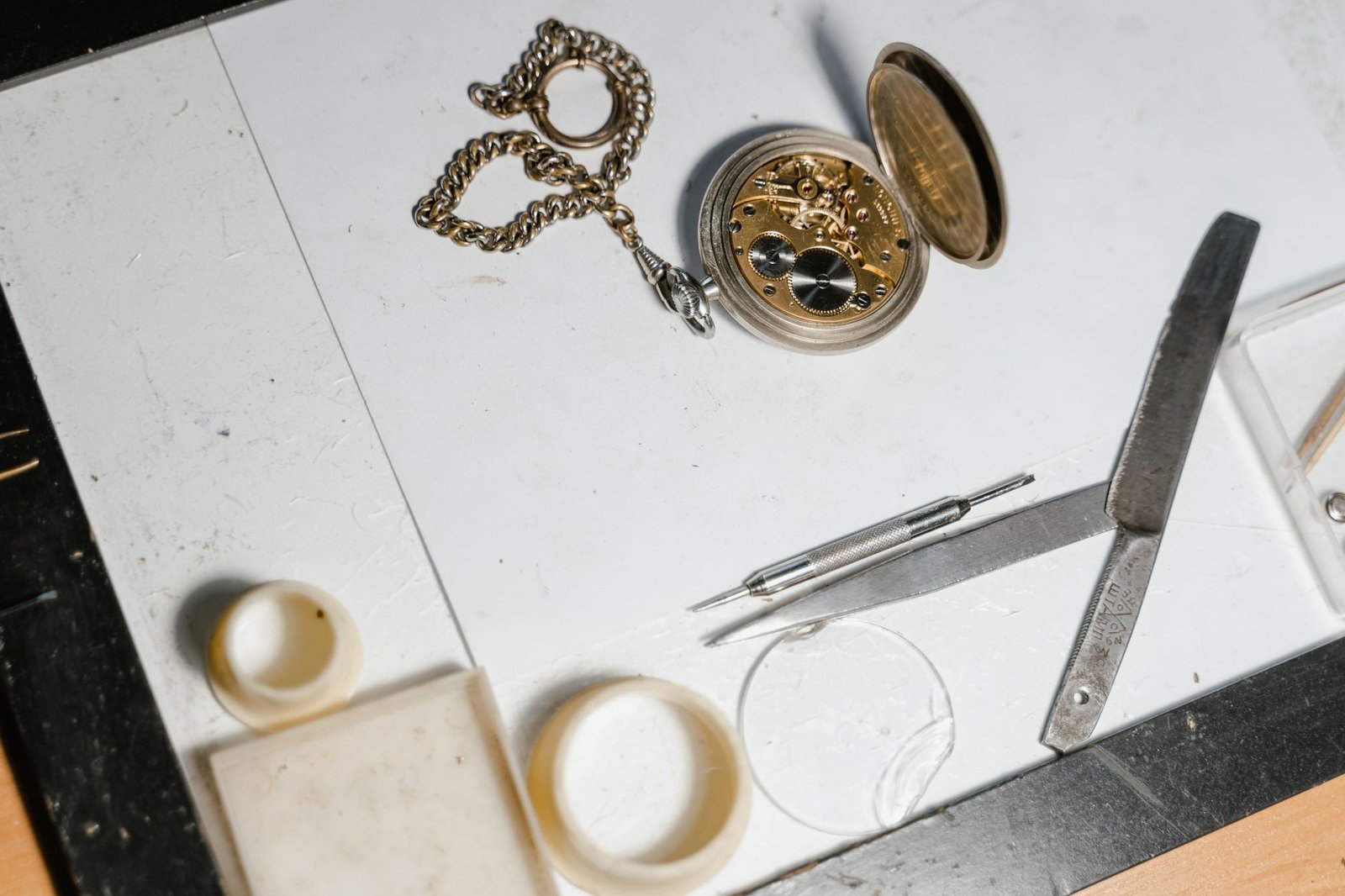
It’s not always black and white. Sometimes, a vintage watch needs some work to function properly or to prevent further damage. A watch is, after all, a mechanical object meant to be used. If a movement has stopped running, or if seals have degraded, affecting water resistance, then servicing is essential. A proper service involves cleaning and lubricating the movement, and sometimes replacing worn or broken mechanical parts. This is different from cosmetic restoration.
Mechanical servicing to ensure the watch keeps time accurately and reliably is generally accepted, and even expected, for vintage pieces. For example, a scratched acrylic crystal can be replaced, or a movement that loses ten minutes a day can be repaired. The key is to find watchmakers with specialized expertise in vintage movements. They might need to custom-make parts or source them from donor movements. The goal here is to restore the watch to sound mechanical condition while respecting its original character.
There are cases where some cosmetic intervention might be considered, but this is a very fine line. For example, if a dial is severely damaged, with corrosion, flaking, or water marks, some argue that careful, period-correct restoration can give the watch a second life. This is often compared to restoring a classic car with peeling paint; if done well and disclosed transparently, it can be seen as an act of preservation. However, this is usually an exception rather than the rule for high-value collector pieces. The decision hinges on whether the work was truly necessary, done exceptionally well, respected the watch’s original identity, and is fully disclosed to potential buyers.
The Perils of Over-Restoration: What Not to Do
While some repairs are acceptable, aggressively restoring a vintage watch can strip away its originality and destroy its value. This is especially true for cosmetic changes. The biggest culprits are usually dial refinishing and case polishing.
Dial Refinishing and Reluming
The dial is often called the “face” of the watch, and it’s one of the most critical components for collectors. An original dial, even with its imperfections and patina, is almost always preferred over a refinished or replacement dial. Refinishing a dial means repainting it, which often removes the original factory printing and the unique aging (patina) that makes it special. Reluming, which is replacing the luminous material on the hands and markers, can also significantly impact collector value. Original dials with aged lume are worth much more, sometimes 3-5 times more, than versions with relumed or refinished dials. A poor relume can completely destroy a vintage watch’s value. The consensus is clear: if the original dial is intact, even with aging, it should be preserved.
Over-Polished Cases
Polishing a watch case might seem like a good idea to make it look new and shiny, but for a vintage watch, it’s usually a bad move. Polishing removes metal permanently. Even a single professional polish can reshape the case edges, soften the lug bevels, and eliminate the crisp geometry that defines the watch’s original form. This is why a vintage Rolex Datejust with a well-preserved, unpolished case can attract much stronger collector interest than the same watch with rounded lugs and bright, modern-looking surfaces.
The resale premium for unpolished examples is real. Some sources indicate that over-polished cases or cases with aftermarket parts can reduce collector value by 30-50%. This loss in value is significant because serious buyers are paying for that irreplaceable factory metal and the original lines of the watch. For investment-grade timepieces, the overwhelming consensus among serious collectors is to preserve original, unpolished surfaces with authentic patina.
Key Components and Their Impact on Value
Let’s look at how restoration affects the value of specific parts of a vintage watch.
| Component | Original Condition | Impact of Poor Restoration/Replacement | Typical Value Reduction (Approx.) |
|---|---|---|---|
| Dial | Original patina, factory print, aged lume | Refinished, relumed, or replacement dial | 40-60% |
| Case | Unpolished, sharp edges, original finish | Heavily polished, rounded lugs, aftermarket parts | 20-40%, 30-50% |
| Hands | Original, matching lume and aging to dial | Relumed, replacement hands | Significant, especially if not period-correct |
| Movement | Original components, properly serviced | Replacement parts not period-correct, poor servicing | Moderate to Significant (depending on rarity of parts) |
| Crystal | Original (acrylic often preferred for vintage feel) | Replacement with modern sapphire on a watch that originally had acrylic | Minor to Moderate (if not period-correct) |
This table shows a general trend. The dial and case are usually the most sensitive areas when it comes to preserving collector value. Even a seemingly small change, like reluming hands without matching the original dial’s patina, can be a red flag for serious collectors.
Finding the Right Balance: Tips for Collectors
So, how do you approach buying and owning vintage watches with this “originality dilemma” in mind?
1. Prioritize Originality When Buying
When you are looking for a vintage watch, make originality your top priority. Always ask explicitly whether all components are original. Look for detailed photos, especially close-ups of the dial, case edges, and engravings. A watch with an original dial, unpolished case, and period-correct components will likely hold its value better and be more sought after in the long run.
2. Understand Patina, Don’t Fear It
Natural aging and wear, or “patina,” are part of a vintage watch’s charm and authenticity. Don’t mistake patina for damage. A “tropical dial” (one that has changed color due to age and sun exposure) or faded bezel inserts are often highly prized. This honest wear authenticates a watch’s age and history.
3. Choose Your Watchmaker Wisely for Servicing
If a vintage watch needs mechanical service, choose a watchmaker who specializes in vintage pieces and understands the importance of originality. They should prioritize preserving original components and offer “sympathetic servicing” rather than aggressive restoration. Always tell them you want to maintain original parts and avoid any cosmetic polishing or reluming unless absolutely necessary and discussed beforehand.
4. Get Expert Authentication
Before making a significant purchase, get the watch authenticated by an independent expert or a reputable authorized service center. They can confirm the originality of the movement, serial and reference numbers, dial, case, and other key components against factory specifications. This helps protect your investment and ensures you’re acquiring a genuine piece of history.
5. Document Everything
Keep all service records, purchase receipts, and any original documentation that comes with the watch. Provenance, which is the watch’s history including previous owners and service records, is a critical aspect of authentication and can add significant value.
Frequently Asked Questions
Does a restored vintage watch have no value?
No, a restored vintage watch can still have value, especially if the restoration was primarily mechanical and necessary to make the watch functional. However, extensive cosmetic restoration, particularly of the dial or case, will significantly reduce its collector value compared to an original example.
Can I wear a vintage watch that hasn’t been fully restored?
Absolutely! Many collectors prefer to wear their vintage watches with their original patina and honest wear. As long as the movement has been properly serviced and is keeping good time, and there are no issues like degraded water resistance (if it was originally a diver’s watch), you can enjoy wearing it daily.
What is “patina” and why is it important?
Patina refers to the natural aging process of a watch’s components, such as the dial, lume, and case. This can include a dial changing color (tropical dial), lume developing a creamy or yellowish hue, or minor scuffs and scratches on an unpolished case. Patina is highly valued because it confirms the watch’s originality and history, proving it has lived an authentic life.
How can I tell if a watch case has been polished?
You can often tell if a watch case has been polished by examining the sharpness of its edges and lug bevels. An unpolished case will have crisp, well-defined lines and angles. A polished case will show softer, rounded edges and a less distinct finish. Some watches also have tool marks or original factory finishes that would be removed by polishing.
Is it ever okay to replace a vintage watch’s crystal?
Yes, replacing a scratched or damaged crystal is generally acceptable, especially if it’s an acrylic crystal, which is prone to scratching. The key is to replace it with a period-correct crystal, ideally of the same material (e.g., acrylic for an original acrylic crystal), to maintain the watch’s original aesthetic and integrity.
The Choice is Yours, But Value Speaks
The decision to restore a vintage watch is a personal one, often balancing sentimental value with financial considerations. For daily wear or a cherished heirloom, a sympathetic restoration to ensure mechanical function and a cared-for appearance makes sense. However, if you are looking at a vintage watch as an investment or a collectible, the market in 2026 clearly favors originality. Preserving the untouched beauty of a vintage timepiece, with its honest wear and unique patina, will almost always ensure its long-term value and desirability to serious collectors.