Wrist Real Estate: Why Vintage Watch Sizes Matter Today

Have you ever picked up a beautiful old watch, admired its design, and then put it on your wrist only to think, “Wow, this is tiny?” Or maybe, the opposite happened: you found a vintage “tool watch” that felt surprisingly substantial. The size of a watch isn’t just a number on a spec sheet. It tells a story about fashion, technology, and what people wanted from their timepieces decades ago. For anyone getting into vintage watches, understanding these changing sizes is key. It helps you appreciate the history and, more importantly, find the perfect watch that feels right on your wrist in 2026.
Key Takeaways
- Early 20th-century watches, especially dress watches, were significantly smaller, often under 34mm, due to movements, formal wear, and subtle fashion trends.
- The mid-century saw a gradual increase in watch sizes, driven by the rise of sports watches, dive watches, and chronographs that needed better legibility and robust cases.
- The early 2000s brought a trend of oversized watches (44mm and up), but current trends in 2026 show a strong return to more classic and moderate case diameters.
- When buying vintage, consider both case diameter and lug-to-lug measurement, as a smaller diameter watch can still wear larger if it has long lugs.
- The growing appreciation for smaller, historically accurate vintage sizes means they are becoming more desirable and can represent smart collecting choices in today’s market.
The Tiny Titans of Yesteryear: Why Watches Were Smaller
If you go back to the early 20th century, say the 1920s or 1930s, men’s watches were generally much smaller than what we consider “normal” today. We’re talking about watches often in the 30mm to 34mm range. Sometimes even smaller. This wasn’t just a quirk of fashion; there were practical reasons behind it.
First, the technology of watch movements played a big role. Making very small, reliable mechanical movements was a mark of true watchmaking skill. These movements were often delicate, and larger cases sometimes meant a movement designed for a smaller space was simply fitted into it. Second, the fashion of the time dictated subtlety. Watches were considered more of a functional piece of jewelry, meant to slip discreetly under a shirt cuff. A large, chunky watch would have been seen as quite uncouth in many formal settings.
Think about iconic brands like Patek Philippe. Many of their beautiful dress watches from the 1940s and 1950s, like the Calatrava, often came in sizes around 33mm to 36mm. These were considered perfectly normal, even substantial, for their time. Rolex also produced many early Oyster models and dress watches in smaller diameters. Even early tool watches were not as massive as later iterations. For example, some of the very first Rolex Oyster Perpetual models from the 1930s could be found in sizes around 32mm to 34mm. These watches were durable for their time, but they certainly weren’t wrist-dominating.
The Mid-Century Expansion: Form Follows Function
The period after World War II saw a significant shift in watch sizes. This was largely driven by the boom in sports and professional watches. As activities like diving, aviation, and motorsports became more popular, so did the demand for specialized timepieces. These “tool watches” needed to be more legible, more robust, and often, larger to accommodate new features or increased water resistance.
Let’s look at some famous examples. The original Rolex Submariner, introduced in the mid-1950s, started around 38mm. This was a noticeable jump from earlier dress watches. Over the years, the Submariner grew slightly, reaching 40mm, a size that became an industry standard for many dive watches and sports watches for decades. The Omega Speedmaster, famously worn on the moon, also started life in the late 1950s with a case size around 39mm, eventually growing to the more familiar 42mm asymmetrical case. These watches weren’t just about telling time; they were instruments. A larger dial made it easier to read elapsed time underwater or during a crucial moment in a race. Pushers and crowns became larger too, for easier manipulation while wearing gloves.
This era, roughly from the 1950s to the 1980s, established what many collectors now consider the “golden age” of watch sizing: generally between 36mm and 40mm for men’s sports watches, and still often 33mm-36mm for dressier pieces. This range provided a good balance of presence on the wrist without being overly bulky.
The Oversized Era: Bigger Isn’t Always Better (But Sometimes It Was)
As we moved into the late 1990s and especially the early 2000s, there was a noticeable trend towards much larger watches. This was a fashion-driven phenomenon that saw case diameters swell to 42mm, 44mm, and even beyond 47mm for some brands. Think of brands like Panerai, which became incredibly popular with its large, cushion-shaped cases, often starting at 44mm and going up. Breitling also embraced this trend with many of its chronograph models becoming quite substantial.
This “bigger is better” mindset dominated for nearly two decades. Some watch enthusiasts loved the bold statement these larger watches made, feeling they offered more “wrist presence.” Others found them cumbersome and out of proportion. It was a clear departure from the more understated elegance of earlier eras. Even traditionally conservative brands started to offer larger versions of their classic models to keep up with market demand. It’s a fascinating example of how fashion trends can really dictate watch design, sometimes even overriding practical considerations.
Finding Your Fit: Modern Preferences and Vintage Choices
Fast forward to 2026, and the pendulum has definitely swung back. There’s a strong and growing appreciation for more classic, moderate watch sizes. Many collectors and casual wearers alike are finding that smaller watches are more comfortable, more versatile, and simply look better on most wrists. This shift is fantastic news for vintage watch enthusiasts.
What was once considered “too small” by early 2000s standards is now seen as perfectly proportioned. A 36mm Rolex Datejust or a 38mm Omega Seamaster from the 1960s fits beautifully under a cuff and offers a timeless look. Even 34mm or 32mm dress watches are finding new admirers, especially among those who appreciate true vintage aesthetics or have smaller wrists.
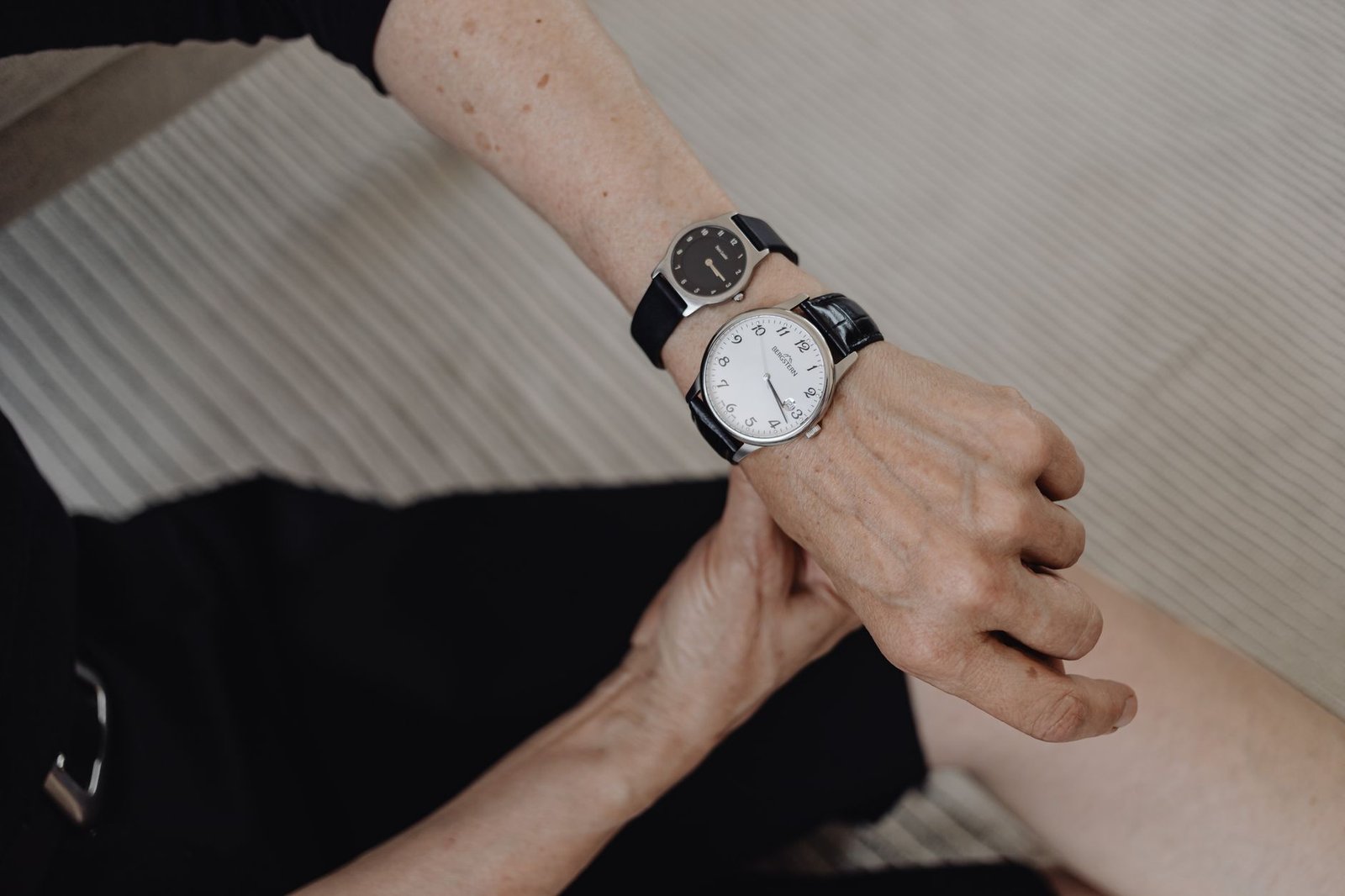
When you’re looking at a vintage watch, it’s not just about the case diameter. You also need to consider the lug-to-lug measurement. This is the distance from the very top of one lug to the very bottom of the opposite lug. A watch with a smaller diameter but long lugs can sometimes wear larger than a watch with a slightly bigger diameter but very short lugs. It’s all about how the watch sits on your specific wrist.
For example, a 36mm watch with a 44mm lug-to-lug might feel different from another 36mm watch with a 47mm lug-to-lug. Always try to see wrist shots or, even better, try the watch on if you can.
Here’s a quick comparison of some popular vintage models and their common sizes:
| Watch Model (Vintage Example) | Approximate Case Diameter | Common Era | Modern Wearability (2026) |
|---|---|---|---|
| Patek Philippe Calatrava (Ref. 96) | 31mm | 1930s-1950s | Smaller, elegant dress watch, great for smaller wrists or classic style. |
| Rolex Oyster Perpetual (Ref. 6564) | 34mm | 1950s-1960s | Versatile, suitable for many wrist sizes, understated everyday wear. |
| Omega Seamaster De Ville | 34mm-36mm | 1960s | Excellent choice for a classic dress or everyday watch. |
| Rolex Datejust (Ref. 1601/1603) | 36mm | 1960s-1970s | Highly sought-after, considered a perfect “sweet spot” by many today. |
| Omega Speedmaster Professional (Pre-Moon) | 39mm-42mm | 1960s | Iconic sports chronograph, great presence without being oversized. |
| Rolex Submariner (Ref. 5513) | 40mm | 1960s-1980s | The classic dive watch size, still a benchmark for sports watches. |
The Value of “Right-Sized” Vintage Watches
The current trend towards smaller and more classic sizes has a direct impact on the value and collectibility of vintage watches. Watches that might have been overlooked during the “oversized” era are now gaining significant appreciation. A 36mm Rolex Datejust, for example, has seen its desirability skyrocket, making it a very strong performer in the vintage market. Similarly, smaller Omega Seamasters and Constellations from the 1950s and 60s are increasingly valued for their elegant proportions and historical accuracy.
It’s not just about what’s trendy, though. A watch that fits your wrist well will be a watch you wear and enjoy more. And enjoyment is a huge part of collecting. While some very large vintage “pilot” or “diver” watches from specialized brands (like certain Panerai or military pieces) will always hold value due to their rarity and historical significance, the broader market in 2026 is definitely leaning into the comfort and understated style of more moderately sized pieces. This means you can find some fantastic value in watches that might have been considered “small” just a decade ago. It also means that some of the very large pieces from the 2000s might not hold their value as well as expected, as the trend has shifted away from them.
Frequently Asked Questions
What is considered a “small” watch size in 2026?
In 2026, a “small” watch for men is generally considered to be anything under 36mm, though many consider 36mm itself to be a classic and highly desirable “small” size today. For women, this often means watches in the 28mm-32mm range.
Do smaller vintage watches cost less than larger ones?
Not necessarily. While some very small vintage dress watches can be found at more accessible price points, highly sought-after models like 36mm Rolex Datejusts or specific 34mm Patek Philippe Calatravas can command significant prices due to their collectibility and current demand. The value depends more on brand, condition, rarity, and provenance than size alone.
How does lug-to-lug measurement affect how a watch wears?
The lug-to-lug measurement is the total vertical length of the watch on your wrist. A watch with a smaller case diameter but long lugs can extend beyond the edges of your wrist, making it appear and feel larger. Conversely, a watch with a slightly larger diameter but short, downturned lugs can wear very comfortably on a smaller wrist. Always check this measurement if possible.
Are very large vintage watches still popular?
Very large vintage watches, particularly those above 44mm, still have a niche following, especially if they are historically significant tool watches from brands like Panerai or certain military-issued pieces. However, for the general collector, the trend has moved away from the oversized watches that were popular in the 2000s towards more moderate and classic sizes.
Should I only buy vintage watches that fit current size trends?
You should always buy a watch that you love and that feels comfortable on your wrist. While current trends can influence value, personal preference is key. If you genuinely prefer a larger or smaller watch, go for it. However, understanding the trends can help you make informed decisions about potential future value and market appreciation.
Understanding the history of watch sizes and how they’ve evolved to meet both practical needs and fashion trends can help you choose your next vintage timepiece with confidence. It allows you to appreciate the nuances of design and find a watch that not only looks great but also feels perfectly at home on your wrist today.