The Surprising World of Edible Flowers in 2026: More Than Just a Pretty Garnish

Flowers are usually seen as decorations. We put them in vases or gardens. But did you know many flowers are actually edible? And not just for looks! In 2026, more people are discovering how to use these colorful blooms in their cooking. It’s a trend that’s growing, adding flavor and beauty to dishes.
Key Takeaways
- Edible flowers offer unique flavors, from peppery to sweet.
- Pesticides are a major concern, so always know your source.
- Common edible flowers include nasturtiums, pansies, and calendula.
- Growing your own edible flowers is a safe and rewarding option.
- Proper preparation is key to enjoying their full potential.
A Colorful Culinary Trend
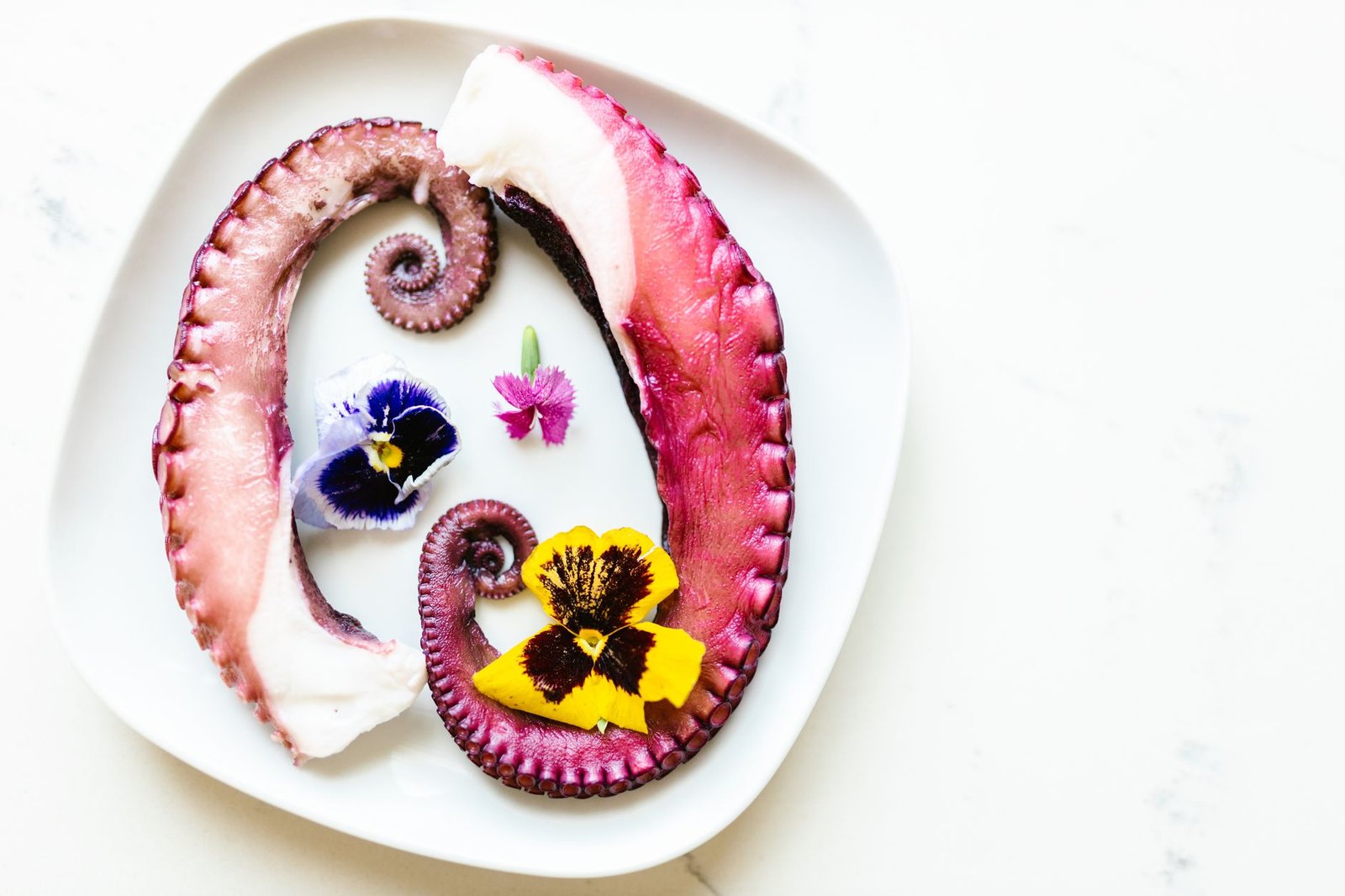
For a long time, edible flowers were mostly seen in fancy restaurants. Chefs used them to make plates look extra special. Think of a delicate viola on a dessert or a bright nasturtium next to a salad. But this idea is really taking off now. Home cooks are getting excited about adding these natural wonders to their meals.
Can You Tell Your Pansies From Your Pesticides?
Test your knowledge of edible flower flavors, safety rules, and culinary uses from our 2026 guide.
See your result instantly after answering.
It’s not just about how they look, either. Different flowers have distinct tastes. Some are mild and a little sweet, like rose petals or lavender. Others pack a punch, like nasturtiums, which taste peppery, similar to arugula. Calendula flowers have a slightly tangy, peppery flavor too. This variety means they can be used in many different kinds of dishes, from salads and soups to desserts and drinks.
What Flowers Can You Actually Eat?
It’s super important to know which flowers are safe to eat. Not all flowers are good for you. Some can be poisonous. Always be 100% sure before you try eating any flower. If you’re not sure, don’t eat it. It’s better to be safe than sorry.
Here are some popular edible flowers that people are using more often in 2026:
- Nasturtiums: These have a bright, peppery taste. Their large, colorful petals look great in salads. The flowers and leaves are both edible.
- Pansies and Violas: These small flowers have a mild, slightly sweet flavor. They are perfect for decorating cakes, cookies, or adding to drinks.
- Calendula (Pot Marigold): The petals of calendula have a slightly tangy, peppery taste. They can add a golden color to dishes like rice or butter.
- Roses: Rose petals can be sweet or slightly tart, depending on the type. They are often used in desserts, jams, and teas. Make sure to remove the white part at the base of the petal, as it can be bitter.
- Lavender: Known for its strong floral scent, lavender has a distinct taste that works well in baked goods, custards, and even savory dishes. Use it sparingly, as too much can be overpowering.
- Borage: These star-shaped blue flowers have a mild cucumber-like flavor. They are lovely in salads, cold drinks, and as a garnish.
- Dianthus (Carnations/Pinks): The petals of dianthus flowers have a sweet, spicy, clove-like taste. Remove the bitter white base before eating.
Safety First: The Pesticide Problem
This is the most critical part of using edible flowers. Flowers bought from florists or garden centers are often treated with pesticides. These chemicals are not safe for humans to eat. Even if they look beautiful, they are not meant for your plate. Always assume flowers from these sources are unsafe to consume.
So, how do you get safe edible flowers? Your best bet is to grow them yourself. When you grow your own, you control exactly what goes into the soil and onto the plants. You can ensure they are grown organically, without any harmful chemicals. This gives you peace of mind.
Another safe option is to buy from reputable sources. Look for farms or suppliers that specifically label their flowers as “edible” and “pesticide-free.” Some farmers’ markets might have vendors selling them. Always ask the seller directly about how the flowers were grown. Don’t be afraid to inquire about their growing practices.
Growing Your Own Edible Blooms
Starting your own edible flower garden is easier than you might think. You don’t need a huge space. Many edible flowers can grow well in pots on a balcony or a small garden bed. The key is to start with good quality, organic seeds or seedlings.
When planting, remember that most flowers need plenty of sunlight. Check the specific needs for each type of flower you choose. Watering is also important. Keep the soil moist but not waterlogged. Using organic compost will give your plants the nutrients they need to thrive.
Some popular choices for beginners include nasturtiums, calendula, and borage. They are quite hardy and produce flowers over a long period. Pansies and violas are also easy to grow and add instant charm to any spot.
Preparing and Using Edible Flowers
Once you have your edible flowers, proper preparation is important. Gently rinse the flowers under cool water. This helps remove any dust or small insects. Pat them dry very carefully with a paper towel.
For delicate flowers like pansies or violas, you can sometimes leave them whole. For larger flowers like roses or calendula, you might want to remove the petals from the base. The white part where the petal meets the base is often bitter. Always remove stamens and pistils, as they can also affect the taste or texture negatively.
How you use them depends on their flavor. Mild flowers like pansies can be frozen into ice cubes for drinks. Their color looks amazing. Sweeter petals like rose or lavender can be infused into sugar or cream for desserts. Think of rose-scented whipped cream or lavender shortbread. The peppery notes of nasturtiums are fantastic stirred into butter or sprinkled over a pasta dish right before serving. Calendula petals can be mixed with rice to give it a lovely golden hue and a subtle flavor.
A Look at Popular Choices and Their Flavors
Let’s get a bit more specific about some of the most popular edible flowers and what they bring to the table in 2026.
| Flower Name | Flavor Profile | Best Uses | Preparation Note |
|---|---|---|---|
| Nasturtium | Peppery, slightly spicy | Salads, sandwiches, butter, garnish | Use whole flowers and leaves |
| Pansy/Viola | Mild, slightly sweet, grassy | Desserts, drinks, salads, cakes | Remove base if bitter, use whole petals |
| Calendula | Tangy, peppery, slightly bitter | Rice, soups, stews, butter, garnish | Use petals only, remove base |
| Rose | Floral, sweet to slightly tart | Desserts, jams, teas, salads | Remove white base, remove petals |
| Lavender | Strongly floral, slightly sweet, perfume-like | Baked goods, custards, teas, savory rubs | Use sparingly, use florets, remove green parts |
| Borage | Cucumber-like, mild, refreshing | Salads, drinks, garnishes, cold soups | Use whole flowers |
As you can see from the table, the variety is quite extensive. Each flower brings something different. Nasturtiums, for example, are often compared to watercress or arugula in terms of their peppery kick. This makes them a fantastic substitute or addition to leafy greens in a salad. They are also quite sturdy, holding up well to being mixed with other ingredients.
Pansies and violas are often chosen for their visual appeal. Their faces are so charming! But their taste, while mild, adds a subtle sweetness that complements desserts beautifully. Imagine them candied and placed on top of cupcakes. They can also add a touch of elegance to a simple fruit salad.
Roses are a classic for a reason. The scent alone can enhance a dish. Different rose varieties will have different flavor intensities. For cooking, it’s often recommended to use the petals from fragrant, unsprayed roses. You can also find rose water and rose extract, but fresh petals offer a unique texture and delicate taste.
Lavender is a more potent flavor. It’s used in much smaller quantities than other flowers. If you love the scent of lavender, you might enjoy it in baked goods like scones or shortbread. It also pairs surprisingly well with lamb or chicken in rubs. Just be careful not to overdo it; too much lavender can taste soapy.
Borage flowers offer a refreshing, cooling flavor that’s perfect for summer dishes and drinks. Their cucumber note is subtle but distinct. They make a lemonade or iced tea look and taste extra special.
Common Mistakes to Avoid
While edible flowers are fun, there are a few common pitfalls to watch out for:
- Eating unknown flowers: This is the biggest mistake. Never eat a flower unless you are absolutely certain it is safe and edible.
- Using flowers treated with pesticides: As mentioned, flowers from florists or nurseries are usually not safe for consumption. Always verify the source.
- Forgetting to remove bitter parts: Many flowers have bitter bases or centers. Failing to remove these can ruin the flavor of your dish.
- Overpowering a dish: Some flowers, like lavender or nasturtiums, have strong flavors. Using too much can mask the other tastes in your meal. Start with a small amount and add more if needed.
- Not preparing them properly: Flowers need to be cleaned and sometimes prepped (like removing the base) before they can be enjoyed.
Frequently Asked Questions
Are all flowers safe to eat?
No, absolutely not. Many flowers are poisonous. You must be certain a flower is edible before consuming it. Stick to well-known edible varieties and always confirm their safety.
Where can I buy safe edible flowers?
The safest option is to grow your own. You can also buy from reputable organic farms or specialty food stores that specifically label them as edible and pesticide-free. Always ask the vendor about their growing practices.
How do I store edible flowers?
Freshly picked edible flowers are best used right away. If you need to store them for a short time, place them in a single layer between damp paper towels in an airtight container. Refrigerate them for up to 2-3 days. Some flowers, like roses or pansies, can also be dried or frozen.
Can I eat the whole flower?
It depends on the flower. For some, like pansies and borage, the whole flower is edible. For others, like roses or calendula, you should only eat the petals. It’s also important to remove the bitter white base of petals on some flowers, as well as the stamens and pistils.
How do I candy edible flowers?
To candy flowers, lightly brush each petal or the whole flower with a thin layer of egg white (or aquafaba for a vegan option). Then, sprinkle them generously with superfine sugar. Place them on a wire rack to dry completely for several hours or overnight, until they are crisp.
The Future is Blooming
Edible flowers are more than just a fleeting trend. In 2026, they represent a growing interest in natural, beautiful, and flavorful food. Whether you’re a seasoned chef or just starting in the kitchen, adding edible flowers can bring a delightful new dimension to your cooking. Start small, learn about safe sources, and enjoy the vibrant colors and unique tastes they offer. You might find yourself looking at your garden, or even a simple bouquet, in a whole new light.