The Resurgence of Physical Media: Why Vinyl, Books, and DVDs Still Matter in 2026

The digital age has brought us convenience. We can stream movies, listen to music instantly, and read books on our phones. But something interesting is happening. Many people are turning back to physical media. Vinyl records are selling more than they have in decades. Book sales, especially for physical copies, remain strong. Even DVDs and Blu-rays are finding a new audience. This isn’t just about nostalgia. It’s about a deeper connection to the things we love.
Key Takeaways
- Vinyl record sales continue to break records, surpassing CDs in the US for the first time in decades in 2025.
- Physical book sales remain a dominant force, with independent bookstores seeing a resurgence in 2026.
- While streaming is popular, a growing segment of consumers are collecting physical movies on Blu-ray and 4K UHD for superior quality and ownership.
- The tactile experience of physical media offers a more intentional and engaging way to consume entertainment.
- Limited editions and special releases are driving collector interest in physical formats.
The Sound of Vinyl: More Than Just a Fad
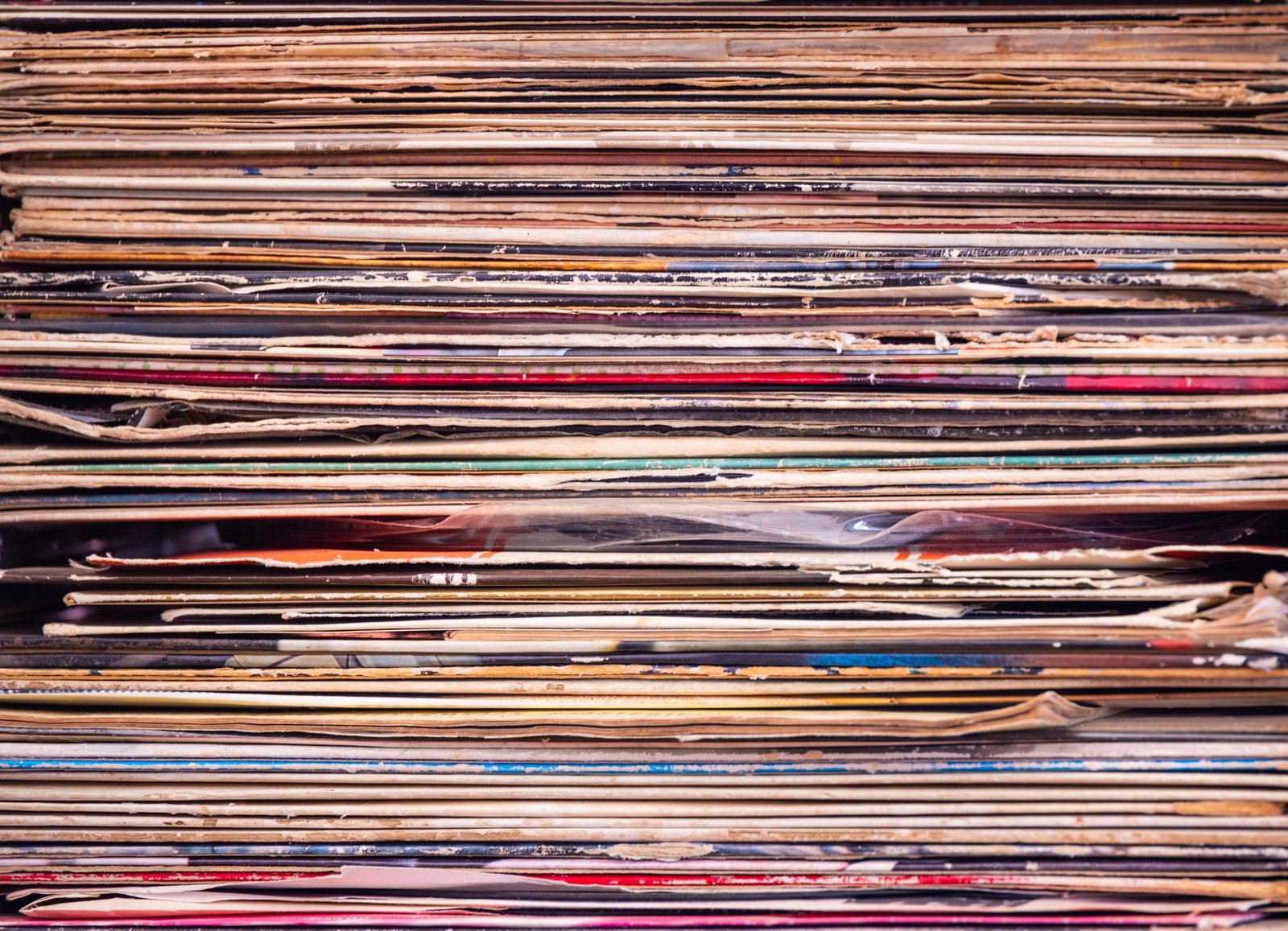
Vinyl records have made an incredible comeback. In 2025, for the first time since the 1980s, vinyl sales in the United States actually outsold CDs. Think about that. Digital music has been king for years, yet the record player is back. It’s not just older folks buying records. Younger generations are discovering the warm, rich sound that vinyl offers. They also love the large album art and the ritual of putting on a record. It’s an intentional act, different from just clicking play on a streaming app.
Test Your Knowledge on the Physical Media Comeback
Discover how much you really know about why vinyl records, printed books, and physical discs are thriving in today's digital age.
See your result instantly after answering.
This trend shows no signs of slowing down in 2026. Major artists are still releasing new music on vinyl. Special edition pressings are highly sought after. Record stores, both online and physical, are seeing more foot traffic. It’s become a whole culture. People collect them, trade them, and attend record fairs. This isn’t just about listening to music; it’s about owning a piece of it. It’s about the physical object and the story it tells. We’re seeing artists like Olivia Rodrigo and Taylor Swift, who are huge pop stars, put out new albums on vinyl. They even offer special colored versions that sell out fast. This shows that vinyl isn’t just for classic rock fans anymore.
Books: The Enduring Power of the Printed Page
When e-readers first came out, many people predicted the death of the physical book. That hasn’t happened. In fact, physical book sales have remained remarkably strong. In 2026, we’re seeing independent bookstores thrive again. They offer a curated selection and a community feel that online retailers can’t match. People enjoy browsing shelves, discovering new authors, and holding a book in their hands. There’s a certain satisfaction in seeing your bookshelf fill up with stories you’ve experienced.
The feel of paper, the smell of a new book, the ability to flip back and forth easily , these are things many readers still value. According to recent publishing industry reports, print book sales have consistently held steady, often making up over 80% of total book sales in major markets. 1 Even with the popularity of e-books, the physical book remains the preferred format for many. For students, for collectors, and for people who just love to read, the printed word holds a special power. Plus, there are so many beautiful editions of classic novels and new releases that are designed to be displayed. Think about the stunning cover art and special bindings you can find.
Physical Movies: The 4K UHD Collector’s Choice
Streaming services offer vast libraries of movies and TV shows. You can watch almost anything, anytime, anywhere. Yet, there’s a growing movement among cinephiles to collect physical copies of films, especially on 4K Ultra HD Blu-ray. Why? Quality and ownership. Streaming quality can vary wildly depending on your internet connection. It can also be compressed, meaning you’re not seeing the film as the director intended. 4K UHD discs, on the other hand, offer the highest possible picture and sound quality. They are also not subject to streaming rights changes. A movie you bought or rented digitally might disappear from a service tomorrow. A disc you own is yours forever.
This is particularly important for films that have received meticulous restoration. Major studios and boutique labels like Criterion and Arrow Video are putting out incredible-looking special editions. These often include extensive behind-the-scenes features, director commentaries, and interviews. These are things that are often missing from streaming versions. For serious movie fans, owning these physical releases is like owning a piece of film history. The rise of 4K UHD has given physical media a new lease on life. Collectors want the best possible viewing experience, and that often means a physical disc.
The Tactile Experience: Connecting with Entertainment
There’s something fundamentally different about interacting with physical media. It requires a more deliberate action. You have to take out a record, place it on the turntable, and drop the needle. You have to open a book and turn the pages. You have to put a disc into a player. This physical engagement creates a different kind of experience. It slows things down. It makes you more present. You’re not passively scrolling through endless options. You’re actively choosing and engaging with a specific piece of art.
This tactile experience is a big part of why people are drawn back to these formats. It feels more substantial. It feels more real. In a world that is increasingly digital and often feels fleeting, physical objects offer a sense of permanence. They are tangible. You can hold them. You can display them. They become part of your personal space and identity. It’s a way to curate your own entertainment experience, rather than letting algorithms decide for you. This intentionality is a powerful draw.
Collecting and Curation: More Than Just Owning
For many, collecting physical media is a hobby in itself. It’s about the thrill of the hunt. Finding a rare pressing of an album, a first edition of a beloved book, or a limited edition Blu-ray can be incredibly rewarding. These items often increase in value over time, making them potential investments as well. But beyond the financial aspect, collecting is about personal expression. Your shelves tell a story about who you are and what you love.
Special releases and limited editions are a huge driver of this trend. Record labels and film studios know this. They create exclusive versions of albums and movies with unique packaging, bonus content, and colored vinyl or special disc prints. These items are designed to appeal to collectors. They create scarcity and excitement. For example, a limited edition vinyl release might only have 5,000 copies made worldwide. This makes owning one feel special. It’s a way to connect with other fans and show your dedication to an artist or a film.
The Environmental Factor: A Greener Choice?
While digital media is often pitched as more environmentally friendly, the reality is complex. Streaming requires massive data centers that consume huge amounts of energy. These data centers have a significant carbon footprint. 2 On the other hand, the production and shipping of physical media also have environmental impacts. However, for items that are used repeatedly over many years, like a vinyl record collection or a library of books, the long-term environmental cost might be comparable or even lower than the constant energy demands of digital streaming.
Furthermore, many collectors are opting for used physical media, giving items a second life and reducing the need for new production. Buying a used record or a secondhand book is a very sustainable choice. It diverts waste from landfills and supports the circular economy. As awareness about the environmental impact of technology grows, some consumers are making more conscious choices about how they consume media. This is leading more people to consider the lifecycle of their entertainment.
Frequently Asked Questions
Is vinyl really better sounding than digital music?
That’s a common debate! Many audiophiles argue that vinyl offers a warmer, richer sound with more depth than compressed digital files. Others find modern digital formats like high-resolution audio to be superior. It often comes down to personal preference and the quality of your playback equipment.
Are independent bookstores really doing well?
Yes, many independent bookstores have seen a significant comeback. They focus on community, curation, and personalized recommendations, which resonate with readers looking for an experience beyond just buying a book.
Why would I buy a DVD or Blu-ray when I can stream?
You’d buy them for superior audio-visual quality, especially with 4K UHD discs. You also get true ownership, meaning the movie won’t disappear from your collection due to streaming service changes. Plus, physical releases often include exclusive bonus features not found online.
Is collecting physical media expensive?
It can be, depending on what you collect and how rare the items are. However, you can start collecting affordably by buying used items, looking for sales, or focusing on less in-demand artists or films. It’s possible to build a collection without breaking the bank.
Will physical media ever disappear completely?
It’s highly unlikely. While digital formats will remain popular for convenience, the demand for physical media, driven by collectors, audiophiles, cinephiles, and readers who value tangible ownership and a more intentional experience, ensures its continued existence and relevance.
Physical media is more than just a nostalgic trend; it’s a conscious choice for quality, ownership, and a more engaged way to experience art. As we continue through 2026, the enduring appeal of vinyl, books, and physical movie formats shows no sign of fading. Next time you’re looking to enjoy some music or a film, consider the tangible experience a physical copy can offer.